 BirdPedy
Colirrojo diademadoMoussier's Redstart
En 2 provincias en marzo y sin registros 10 meses del añoIn 2 provinces in March, and no records in 10 months of the year
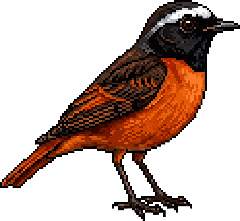
Reporte de rarezaRarity report
Por qué es legendarioWhy it is legendaryPrecioso endemismo del Magreb; su aparición accidental en el sur de España es un evento excepcional de gran interés técnico.Beautiful endemic of the Maghreb; its accidental appearance in southern Spain is an exceptional event of great interest to experts.
Cada carrizo es un mes: su altura, las provincias con registros de 2020 a 2024.Each reed is a month: its height, the provinces with records from 2020 to 2024.- Provincias con registrosProvinces with records
- 3 de 52of 52
- En la appIn the app
- Febrero a marzo y de octubre a noviembreFebruary to March and October to November
- EnvergaduraWingspan
- 19-20 cm19-20 cm
- LongitudLength
- 12 cm12 cm
- Lista Roja de EspañaSpanish Red List
- NE No evaluada en EspañaNot assessed in Spain

Información generalGeneral Information
Especie endémica del noroeste africano, para Europa se conocen citas de divagantes en Gran Bretaña, Francia, Grecia, España y, sobre todo, Italia y Malta. En España solamente hay dos homologadas, de sendos machos, uno observado en el delta del Ebro (Cataluña) el 7 de abril de 1985, y el otro visto en una playa junto a Málaga el 26 de abril de 2000.The Moussier's Redstart is a 'jewel of the Maghreb'. It is an endemic of North Africa that occasionally wanders across the sea to Spain. Records are mostly from the Mediterranean coast and are highly sought after by birders. It is a brave and beautiful bird that thrives in the arid mountain scrub. Its arrival is a sign of warm African air and the close ecological ties between Spain and the landscapes of Morocco and Tunisia. It is a symbol of the Saharan-Mediterranean bridge.
IdentificaciónIdentification
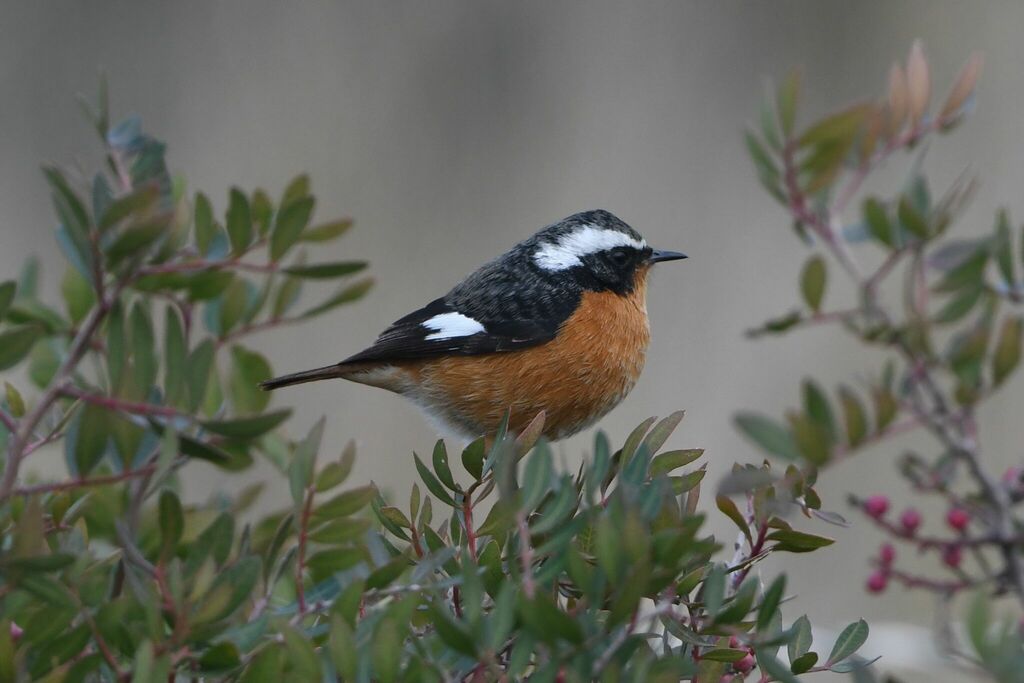
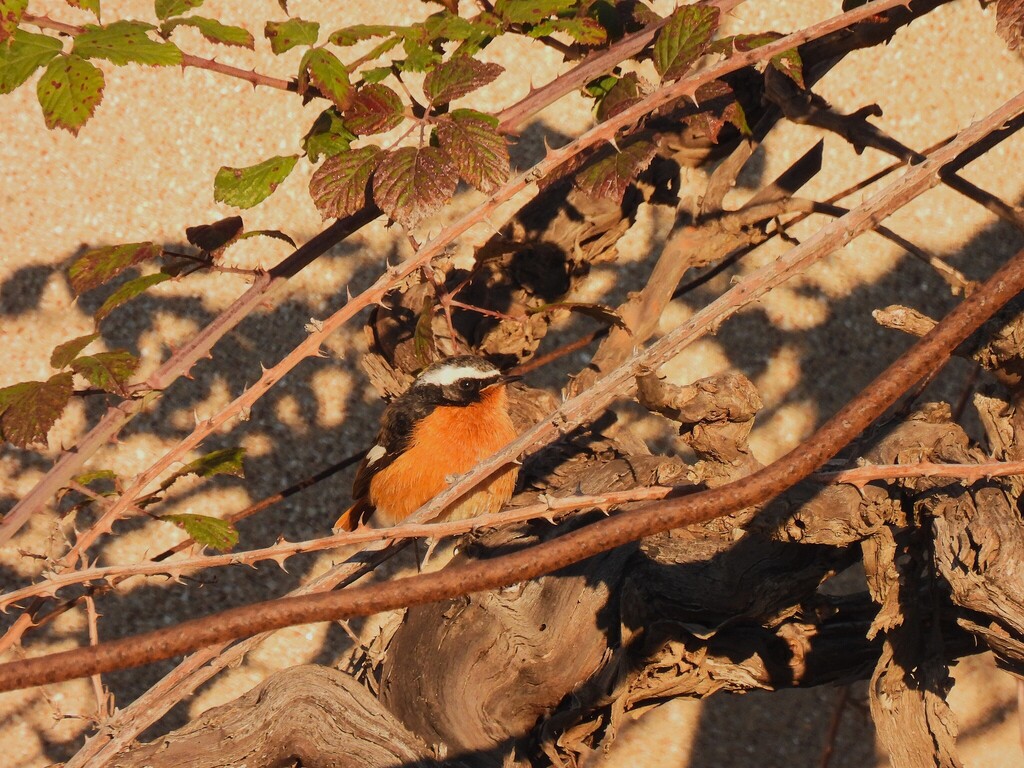
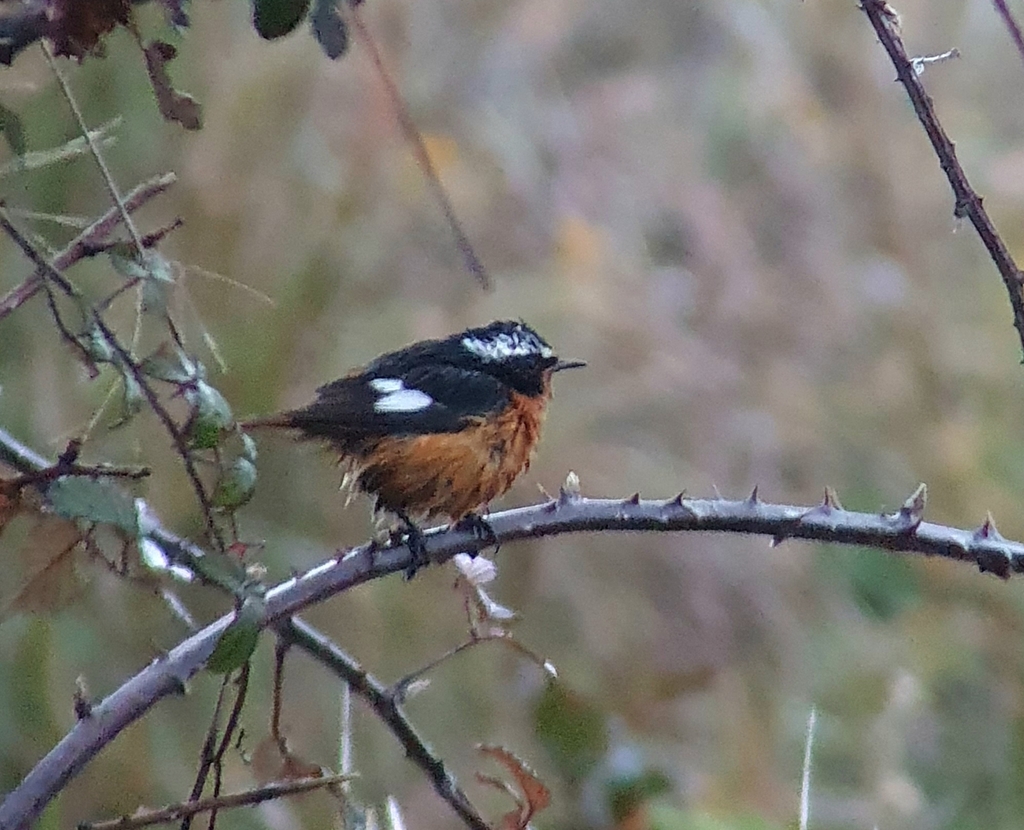
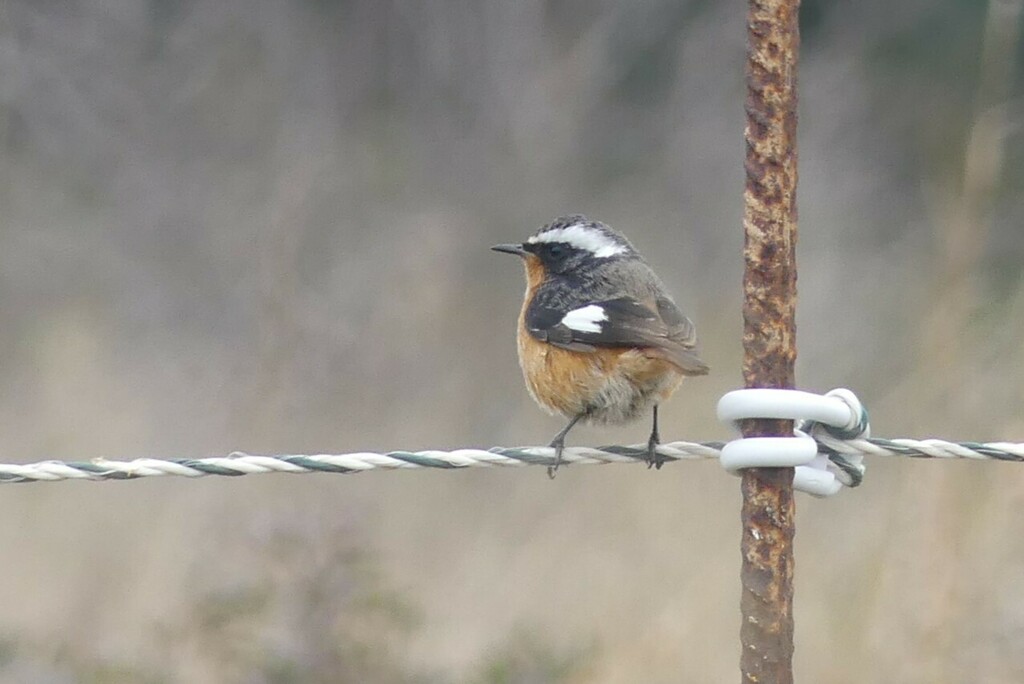
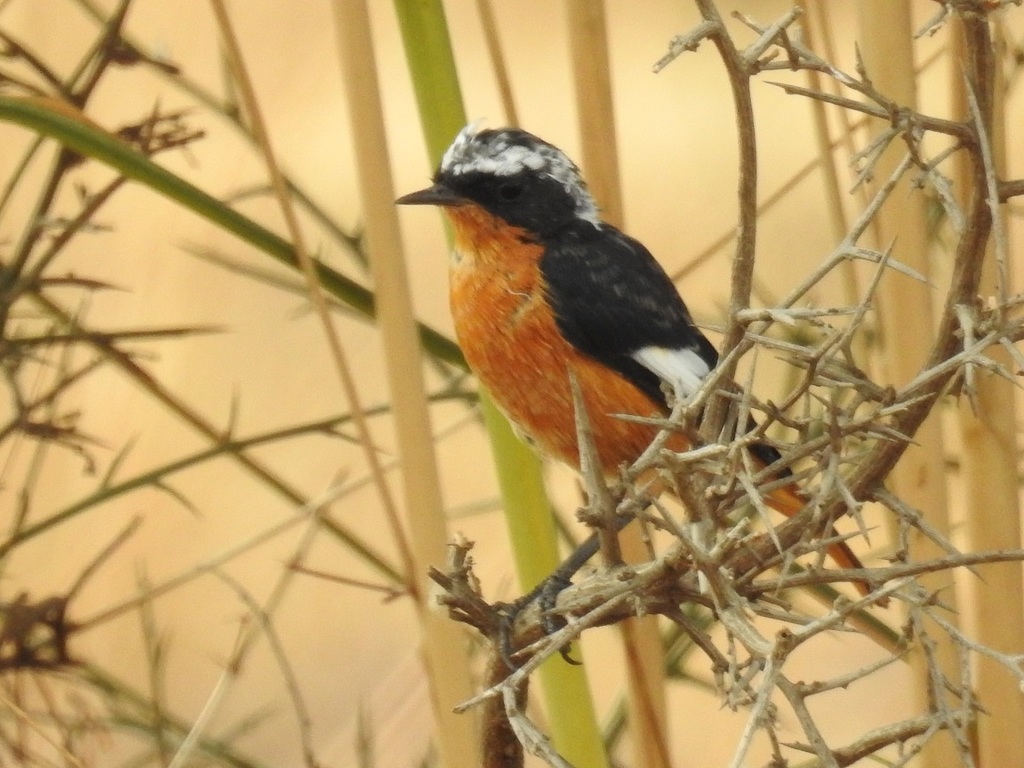
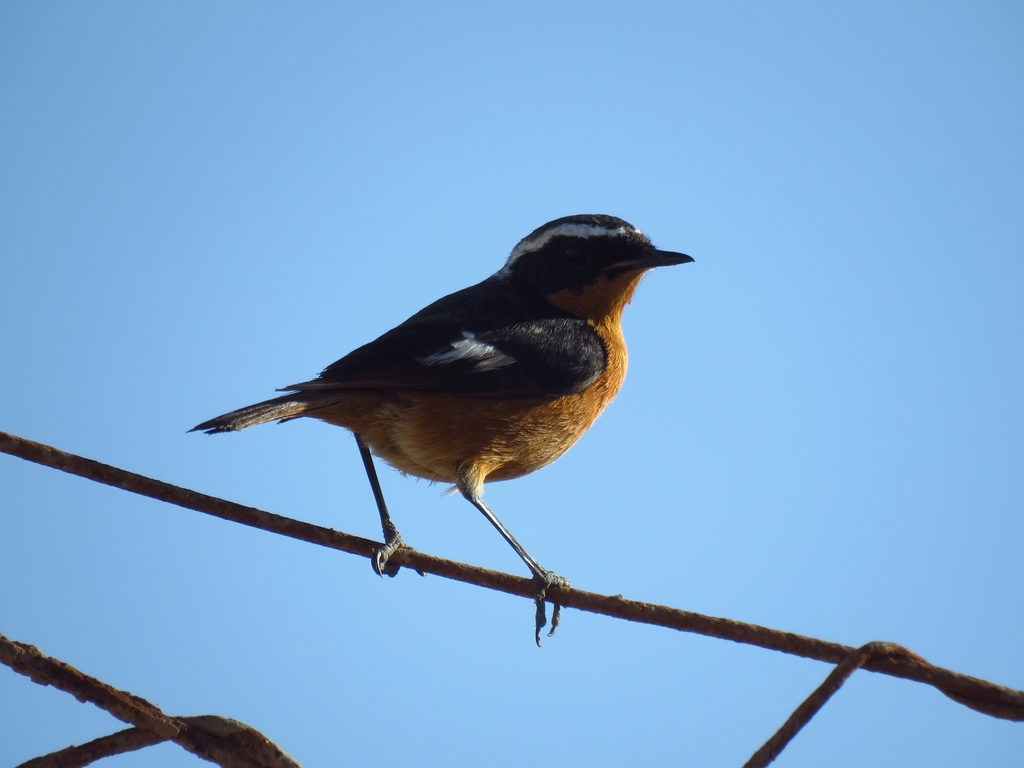
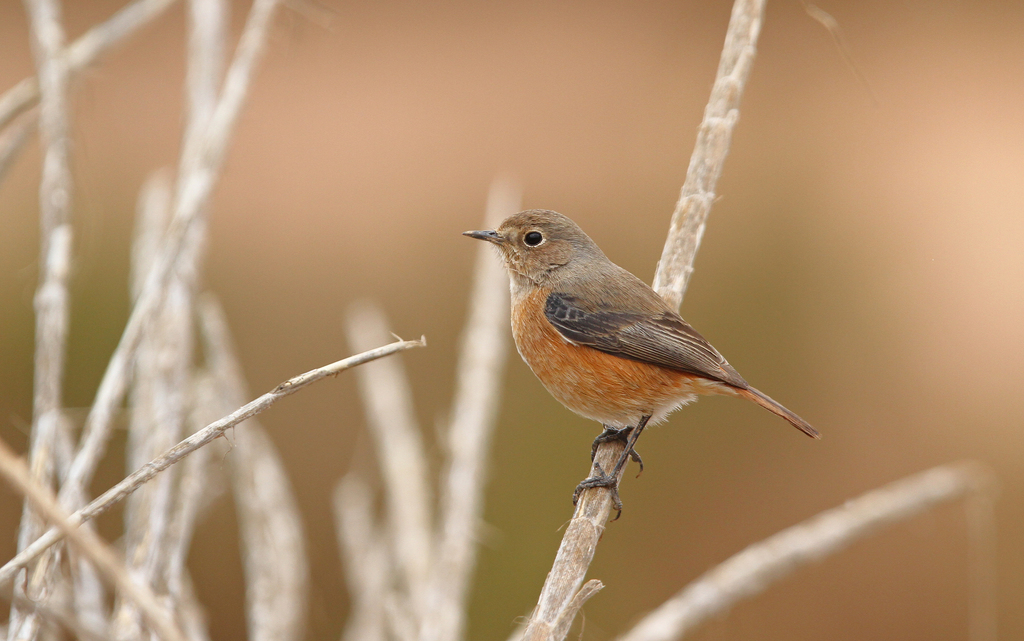
El colirrojo diademado es un ave de aspecto intermedio entre las tarabillas y los colirrojos que exhibe una cola como la de estos últimos. Los machos tienen una coloración inconfundible, muy llamativa, con partes ventrales rojizas y partes dorsales negras provistas de grandes manchas blancas sobre las alas y la cabeza (aquí en una banda que va desde la frente hasta los lados del cuello, pasando por encima del ojo). Las hembras se parecen a las del colirrojo real, de las que se distinguen entre otras cosas por su cola más corta y por el color anaranjado más vivo de las partes ventrales.A tiny, spectacularly colored redstart from North Africa. Males are unmistakable: they have a jet-black head with a broad white stripe over the eye and onto the neck, and deep orange-red underparts and rump. Females are duller, brownish-orange, and resemble small Redstarts. It is the smallest of the redstarts.
DistribuciónDistribution
En la Península y Baleares son nueve las citas registradas hasta 2018, todas ellas obtenidas en las regiones mediterráneas (Cataluña, Baleares y Andalucía) durante el paso migratorio prenupcial, con algunas excepciones (dos registros otoñales y uno plenamente invernal). En el III Atlas de las aves en época de reproducción en España se recoge un registro homologado en el delta del Ebro entre el 30 de abril y el 2 de mayo de 2015. Aparece con de manera más habitual en las Ciudades Autónomas de Ceuta y Melilla.Rare accidental visitor from Africa. Approx. 10 homologated records (Tarragona, Málaga, Baleares). Most records are in spring. Regular in Ceuta and Melilla.
Textos reproducidos con permiso de laTexts translated and reproduced with permission from the Guía de Aves de España © SEO/BirdLife
Estado de conservaciónConservation Status
- EX
- RE
- CR
- EN
- VU
- NT
- LC
NE
No evaluada en EspañaNot assessed in Spain
Sin categoría en el Libro Rojo de las Aves de España 2021No category in the Red Book of the Birds of Spain 2021
Qué significa cada categoríaWhat each category means
- LC
- Preocupación menor: Taxón evaluado que no califica para categorías amenazadas. Especies abundantes y ampliamente distribuidasLeast Concern - Evaluated taxon that does not qualify for threatened categories. Widespread and abundant taxa
- NT
- Casi amenazada: No califica actualmente como amenazada, pero está cerca de calificar o es probable que califique en el futuro cercanoNear Threatened - Does not currently qualify as threatened, but is close to qualifying or likely to qualify in the near future
- VU
- Vulnerable: Enfrenta un alto riesgo de extinción en estado silvestre según los criterios A a E de IUCNVulnerable - Facing a high risk of extinction in the wild based on IUCN criteria A to E
- EN
- En peligro: Enfrenta un riesgo muy alto de extinción en estado silvestre según los criterios A a E de IUCNEndangered - Facing a very high risk of extinction in the wild based on IUCN criteria A to E
- CR
- En peligro crítico: Enfrenta un riesgo extremadamente alto de extinción en estado silvestre según los criterios A a E de IUCNCritically Endangered - Facing an extremely high risk of extinction in the wild based on IUCN criteria A to E
- DD
- Datos insuficientes: Información inadecuada para evaluar el riesgo de extinción basándose en distribución o estado poblacionalData Deficient - Inadequate information to assess extinction risk based on distribution and/or population status
- NE
- No evaluada: No ha sido evaluada aún contra los criterios de la Lista Roja de IUCNNot Evaluated - Has not yet been assessed against the IUCN Red List criteria
- RE
- Extinta regionalmente: El taxón ya no existe en la región específica, aunque puede sobrevivir en otros lugaresRegionally Extinct - Taxon no longer exists in the specific region, though it may survive elsewhere
- EX
- Extinta - No existe duda razonable de que ha muerto el último individuo del taxónExtinct - No reasonable doubt that the last individual of the taxon has died
TaxonomíaTaxonomy
- OrdenOrder
- Passeriformes
- FamiliaFamily
- Muscicapidae
Presencia en EspañaPresence in Spain
- De pasoPassage migrant
- OcasionalOccasional
En la app: febrero a marzo y de octubre a noviembre.In the app: February to March and October to November.
Revisión científica de BirdPedyBirdPedy scientific review
Revisada por BirdPedy el 28/10/2026 ·Reviewed by BirdPedy on 28 October 2026 · Cómo revisamosHow we review
PresenciaPresence
El colirrojo diademado es muy raro en la Península y Baleares, con nueve citas hasta 2018, y algo más frecuente en Ceuta y Melilla [1]. La Lista de las aves de España de 2022 lo considera rareza R1, la categoría de 1 a 15 citas homologadas, salvo en los territorios del norte de África [2]. Después, el Comité de Rarezas ha homologado nuevas citas, como las de la Devesa del Saler (Valencia) en marzo y abril de 2022 [3], y en GBIF solo hay 3 ocasiones entre 2020 y 2024 [4]. Ninguna fuente lo da como reproductor en España.
Por eso en BirdPedy figura como de paso y ocasional, y no como habitual, que es lo que dice el recuadro de seo.org pero no su propio texto ni la lista de 2022. Mantiene su rareza legendaria y la del Comité, que excluye el norte de África.
Moussier’s Redstart is very rare in the Peninsula and the Balearic Islands, with nine records up to 2018, and somewhat more frequent in Ceuta and Melilla [1]. The Checklist of the birds of Spain 2022 considers it an R1 rarity, the category for 1 to 15 accepted records, except in the North African territories [2]. Since then, the Rarities Committee has accepted new records, such as those at the Devesa del Saler (Valencia) in March and April 2022 [3], and GBIF has only 3 occasions between 2020 and 2024 [4]. No source lists it as a breeding bird in Spain.
That is why in BirdPedy it is listed as a passage and occasional bird, not as regular, which is what the seo.org summary box says but not its own text or the 2022 checklist. It keeps its legendary rarity and its Committee rarity, which excludes North Africa.
RarezaRarity
Entre 2020 y 2024 se vio en España en 3 ocasiones distintas, que suman 17 días, en 3 de los 5 años (datos de Observation.org, eBird y iNaturalist publicados en GBIF) [4, 5]. Cada ocasión junta los registros de una misma cuadrícula de 10 km y sus 8 vecinas sin un hueco de más de 14 días, así que un ave que pasa semanas en el mismo sitio cuenta una sola vez. SEO/BirdLife la da como habitual [1], pero GBIF casi no tiene registros suyos.
En BirdPedy es legendaria, el nivel de las especies con 5 ocasiones o menos en 5 años.
Between 2020 and 2024 it was seen in Spain on 3 separate occasions, adding up to 17 days, in 3 of the 5 years (data from Observation.org, eBird and iNaturalist published on GBIF) [4, 5]. Each occasion groups the records in the same 10 km square and its 8 neighbours with no gap of more than 14 days, so a bird that stays for weeks in the same place counts only once. SEO/BirdLife lists it as regular [1], but GBIF has hardly any records of it.
In BirdPedy it is legendary, the level for species with 5 occasions or fewer in 5 years.
Comité de RarezasRarities Committee
El Comité de Rarezas de SEO/BirdLife homologa sus citas en toda España salvo en los territorios españoles del norte de África, según su lista de aves raras de 2018 [6]. La lista no se ha vuelto a publicar, pero el Comité la va cambiando en sus informes, y ninguno, hasta el de septiembre-diciembre de 2025, toca esta especie [7]. En BirdPedy figura con el mismo ámbito.
The SEO/BirdLife Rarities Committee assesses its records throughout Spain except in the Spanish territories of North Africa, according to its 2018 list of rare birds [6]. The list has not been republished, but the Committee changes it in its reports, and none of them, up to September-December 2025, affects this species [7]. BirdPedy uses the same scope.
ReferenciasReferences
- SEO/BirdLife. Guía de aves de seo.org, ficha: Colirrojo diademado (consultada el 23/10/2026).SEO/BirdLife. Bird guide on seo.org, Moussier's Redstart account (accessed 23 October 2026). seo.org
- Rouco, M. et al. (2022). Lista de las aves de España. Edición de 2022. SEO/BirdLife. Madrid.Rouco, M. et al. (2022). Lista de las aves de España (Checklist of the birds of Spain). 2022 edition. SEO/BirdLife. Madrid. seo.org
- Comité de Rarezas de SEO/BirdLife (2022). Informe de marzo-abril de 2022.SEO/BirdLife Rarities Committee (2022). Report for March-April 2022. rarezas.seo.org
- GBIF.org (23/10/2026). Descarga de registros de aves de España, 2020-2024, con el día y la cuadrícula de 10 km de cada uno, para contar ocasiones y días.GBIF.org (23 October 2026). Occurrence download of birds in Spain, 2020-2024, with the day and 10 km square of each record, to count occasions and days. doi.org/10.15468/dl.bqdmdt
- GBIF.org (23/10/2026). Descarga de registros de aves de España, 2020-2024 (Observation.org, eBird, iNaturalist e ICO).GBIF.org (23 October 2026). Occurrence download of birds in Spain, 2020-2024 (Observation.org, eBird, iNaturalist and ICO). doi.org/10.15468/dl.r5sf2a
- Comité de Rarezas de SEO/BirdLife (2018). Lista de aves raras de España.SEO/BirdLife Rarities Committee (2018). Lista de aves raras de España (List of rare birds of Spain). seo.org
- Comité de Rarezas de SEO/BirdLife (2026). Informe de septiembre-diciembre de 2025.SEO/BirdLife Rarities Committee (2026). Report for September-December 2025. seo.org
Dónde verlaWhere to see it
5 cuadrículas de 10 km con registros de 2020 a 2024. Toca un mes para ver dónde se ha visto.5 10 km squares with records from 2020 to 2024. Pick a month to see where it has been seen.
Cargando el mapa…Loading the map…
Dónde es regularWhere it is regular
En ninguna provincia hay registros en 3 de los 5 años en el mismo mes: es una visitante ocasional.No province has records in 3 of the 5 years in the same month: it is an occasional visitor.
Datos: registros en GBIF de 2020 a 2024 de Observation.org, eBird, iNaturalist y el ICO, descargados el 23/10/2026.Data: GBIF records from 2020 to 2024 from Observation.org, eBird, iNaturalist and the ICO, downloaded on 23/10/2026. GBIF.org (23 October 2026) GBIF Occurrence Download · doi:10.15468/dl.r5sf2a · CC BY-NC 4.0
GaleríaGallery
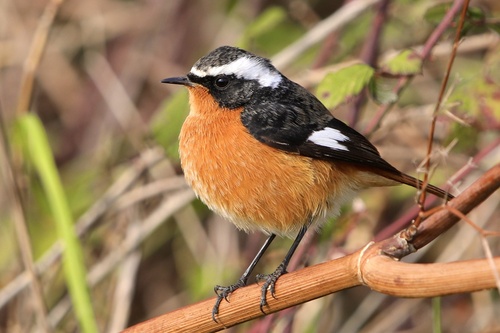
© eloise kerroux · CC BY · iNaturalist 
© Christoph Moning · CC BY · iNaturalist 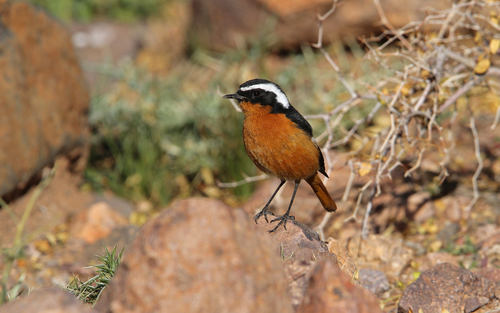
© Christoph Moning · CC BY · iNaturalist 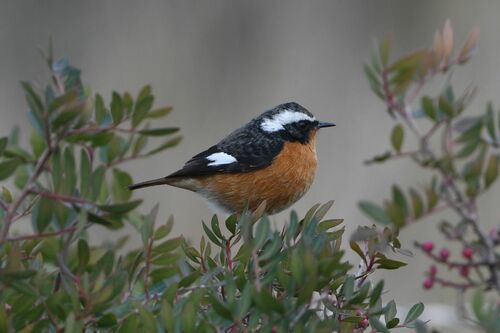
© Julien Renoult · CC BY · iNaturalist 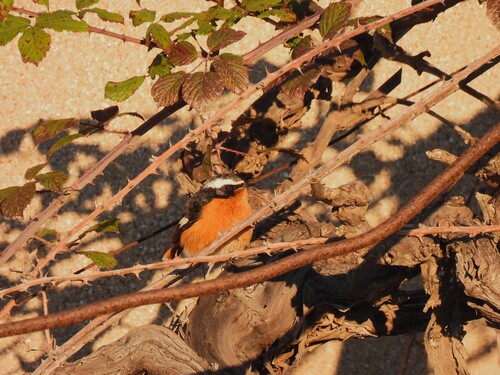
© Antoine Thivolle · CC BY · iNaturalist 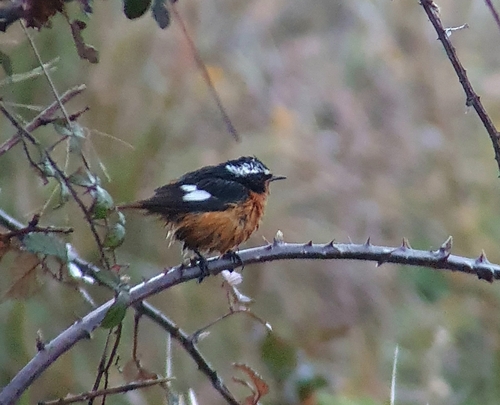
© Quentin Benet-Cibois · CC BY · iNaturalist 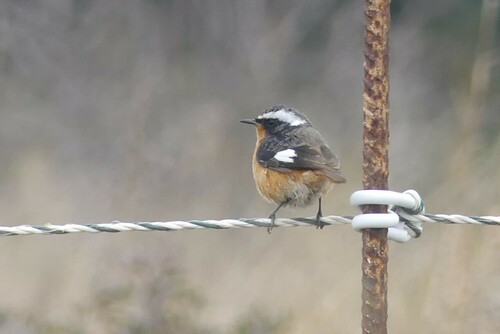
© Julien Fougeroux · CC BY · iNaturalist 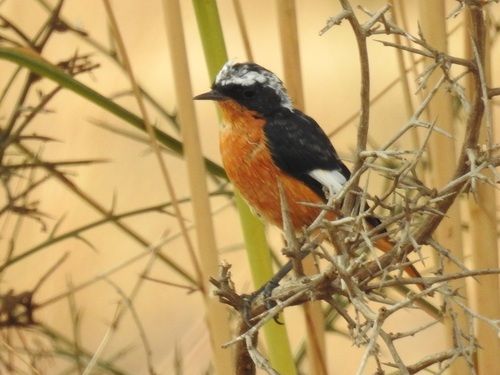
© Karim Haddad · CC BY · iNaturalist 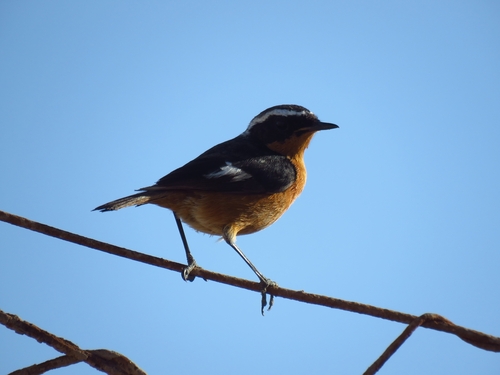
© audili · CC BY · iNaturalist 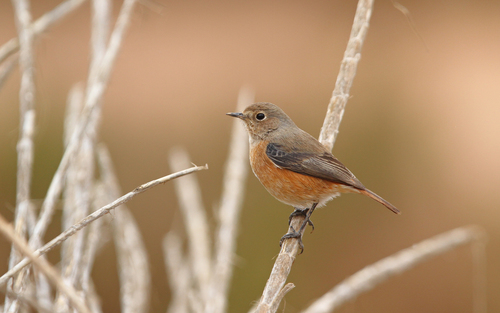
© Christoph Moning · CC BY · iNaturalist

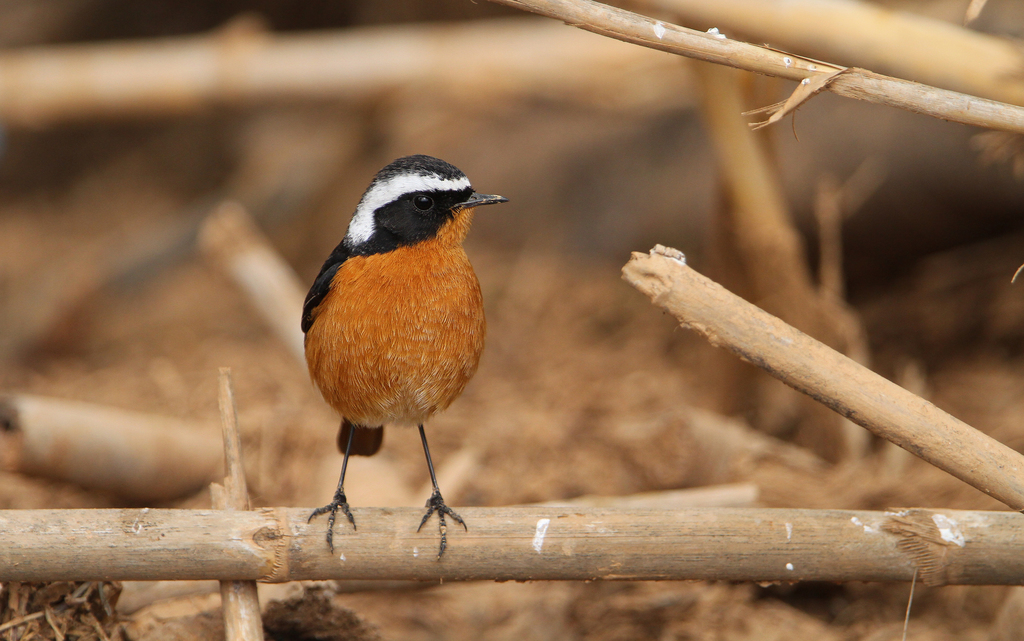
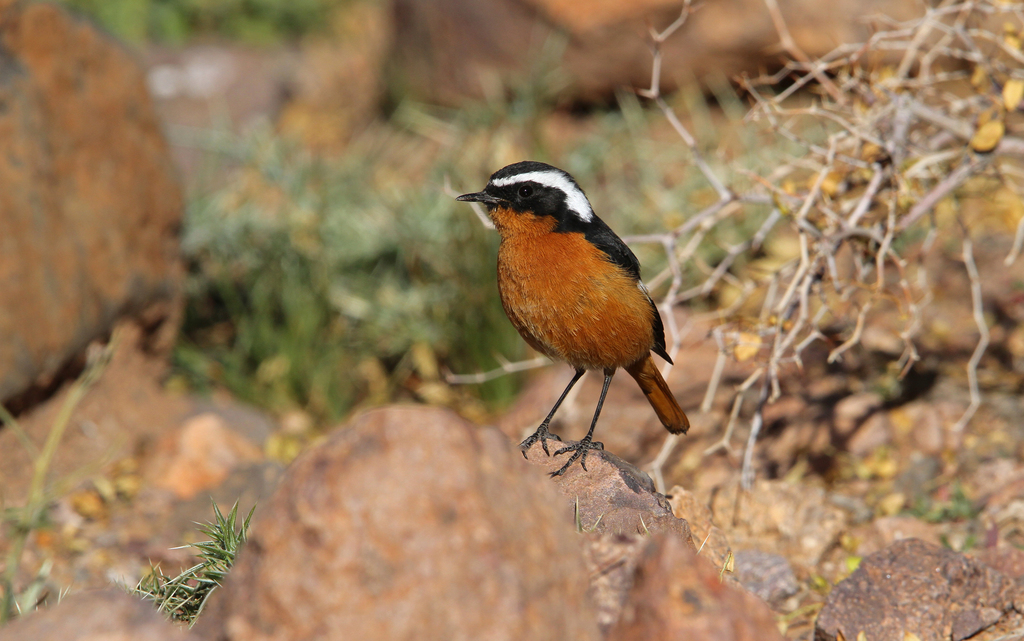
Especies relacionadasRelated species
Otras aves de la familia Muscicapidae y de órdenes cercanos.Other birds from the Muscicapidae family and nearby orders.
- LegendarioLegendary
 Tarabilla siberianaSiberian StonechatSaxicola maurus
- LegendarioLegendary
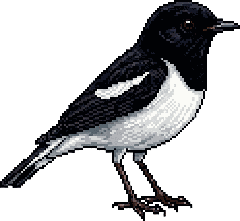 Collalba del AtlasSeebohm's WheatearOenanthe seebohmi
- LegendarioLegendary
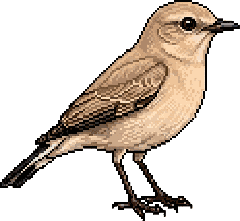 Collalba isabelIsabelline WheatearOenanthe isabellina
- ÉpicoEpic
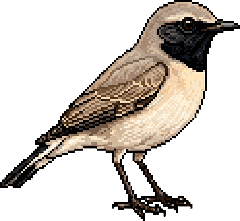 Collalba desérticaDesert WheatearOenanthe deserti
- LegendarioLegendary
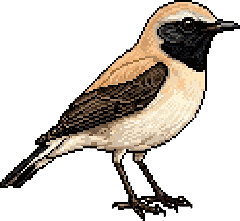 Collalba rubia orientalEastern Black-eared WheatearOenanthe melanoleuca
- LegendarioLegendary
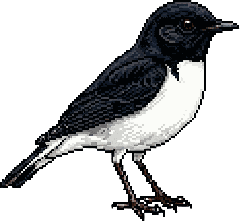 Collalba yebélicaWhite-crowned WheatearOenanthe leucopyga
- RaroRare
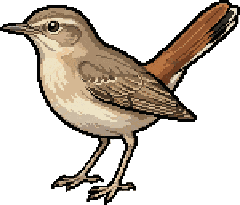 Alzacola rojizoRufous-tailed Scrub RobinCercotrichas galactotes
- ComúnCommon
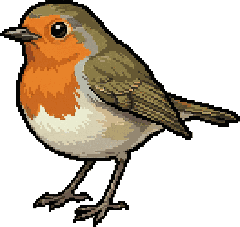 Petirrojo europeoEuropean RobinErithacus rubecula
 Gratis, sin anuncios ni comprasFree, no ads, no purchases