 BirdPedy
Avetorillo comúnLittle Bittern
En 44 provincias en mayo y en 23 en febreroIn 44 provinces in May and 23 in February
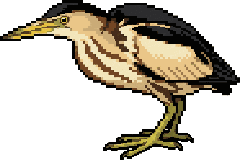
Reporte de rarezaRarity report
Por qué es poco comúnWhy it is uncommonPequeño ardeido estival ligado a carrizales densos. Aunque presente en gran parte de las cuencas fluviales, su carácter esquivo y la degradación de su hábitat lo mantienen en densidades bajas y localizadas.Small summer ardeid linked to dense reed beds. Elusive nature and habitat degradation keep it at low densities.
Cada carrizo es un mes: su altura, las provincias con registros de 2020 a 2024.Each reed is a month: its height, the provinces with records from 2020 to 2024.- Provincias con registrosProvinces with records
- 50 de 52of 52
- En la appIn the app
- Abril a septiembreApril to September
- EnvergaduraWingspan
- 52-58 cm52-58 cm
- LongitudLength
- 33-38 cm33-38 cm
- Lista Roja de EspañaSpanish Red List
- LC Preocupación menorLeast Concern

Información generalGeneral Information
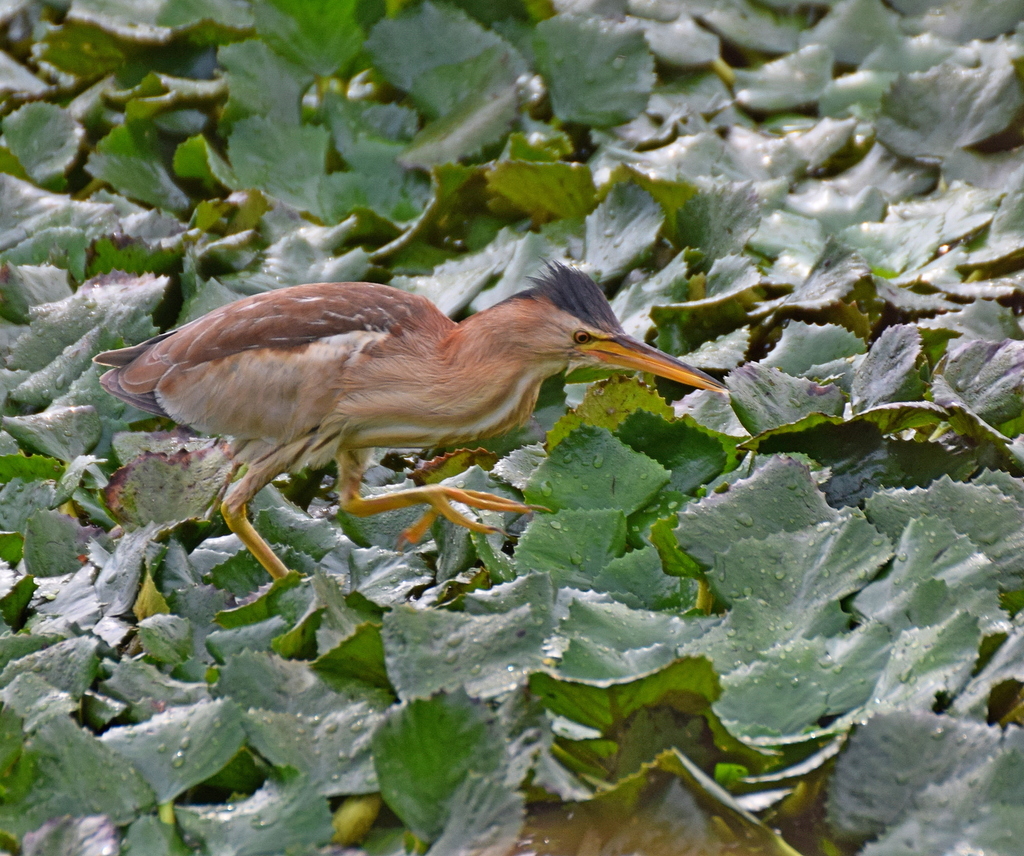
Uno de los habitantes más vistosos y a la vez más enigmáticos y poco conocidos de nuestros humedales es el avetorillo, una minúscula garza de hábitos marcadamente crepusculares, que ocupa cenagales, riberas, embalses, lagunas y marismas con abundante vegetación palustre, en la que instala su nido y por la que se mueve con suma soltura y discreción a la captura de los pequeños vertebrados y grandes insectos que componen su dieta.One of the most colorful yet enigmatic and little-known inhabitants of our wetlands. A tiny heron with markedly crepuscular habits, it occupies marshes, riverbanks, and lagoons with abundant vegetation where it nests and moves with supreme ease and discretion.
IdentificaciónIdentification
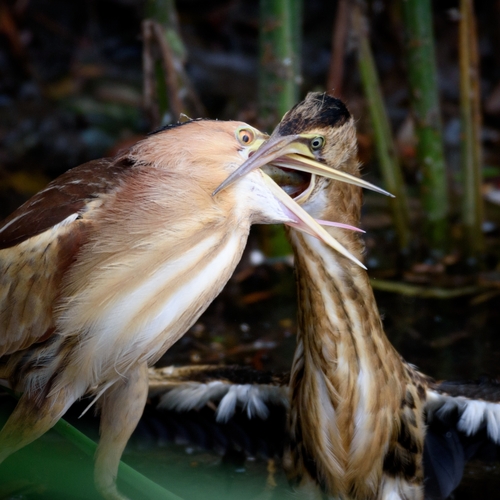
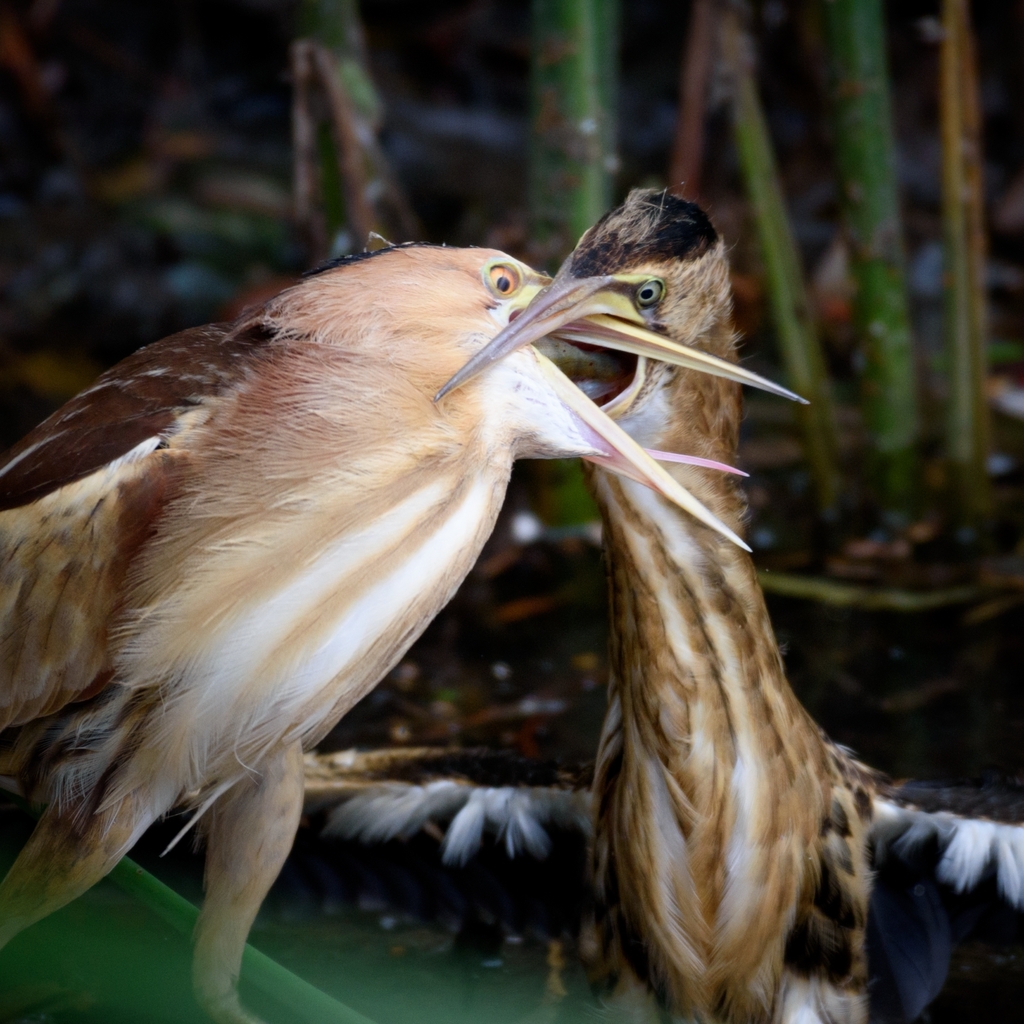
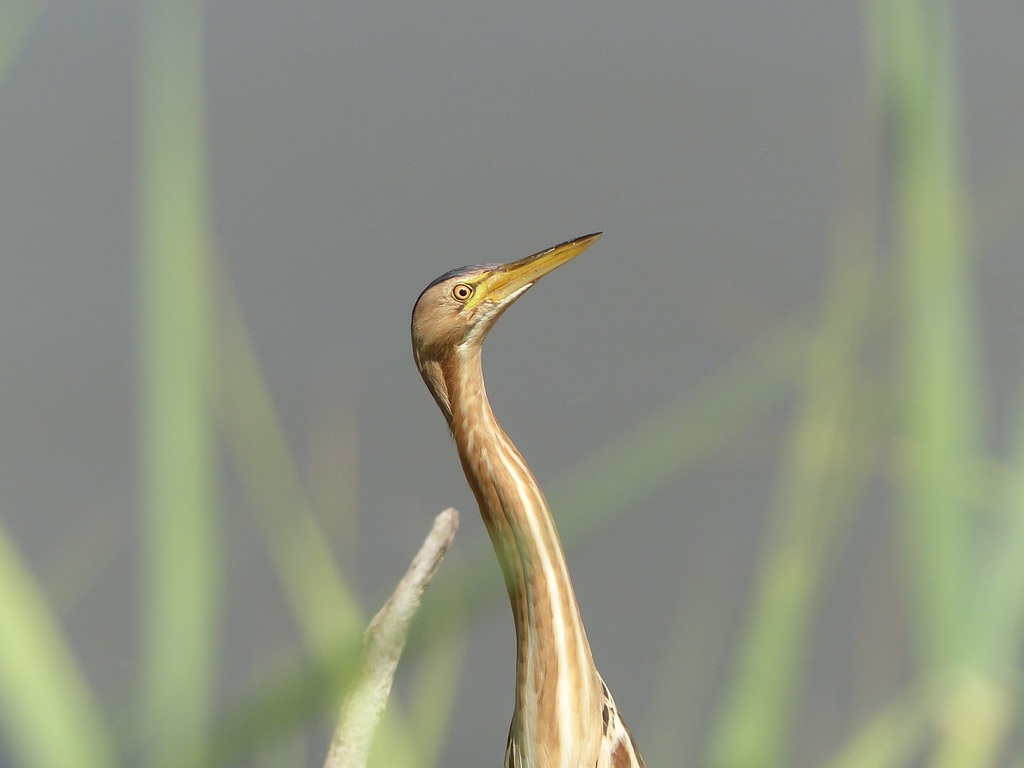
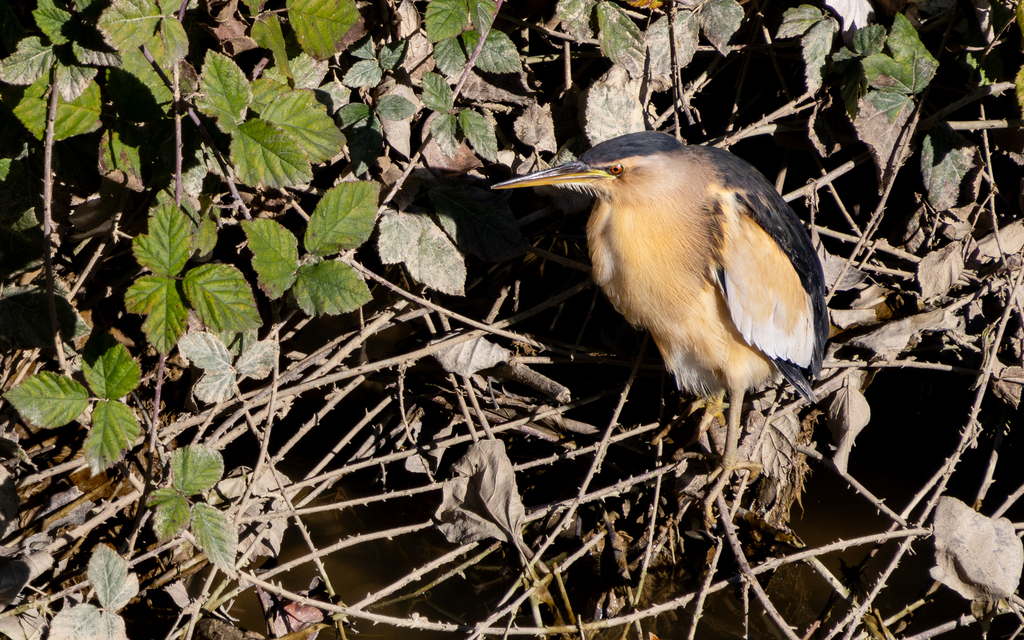
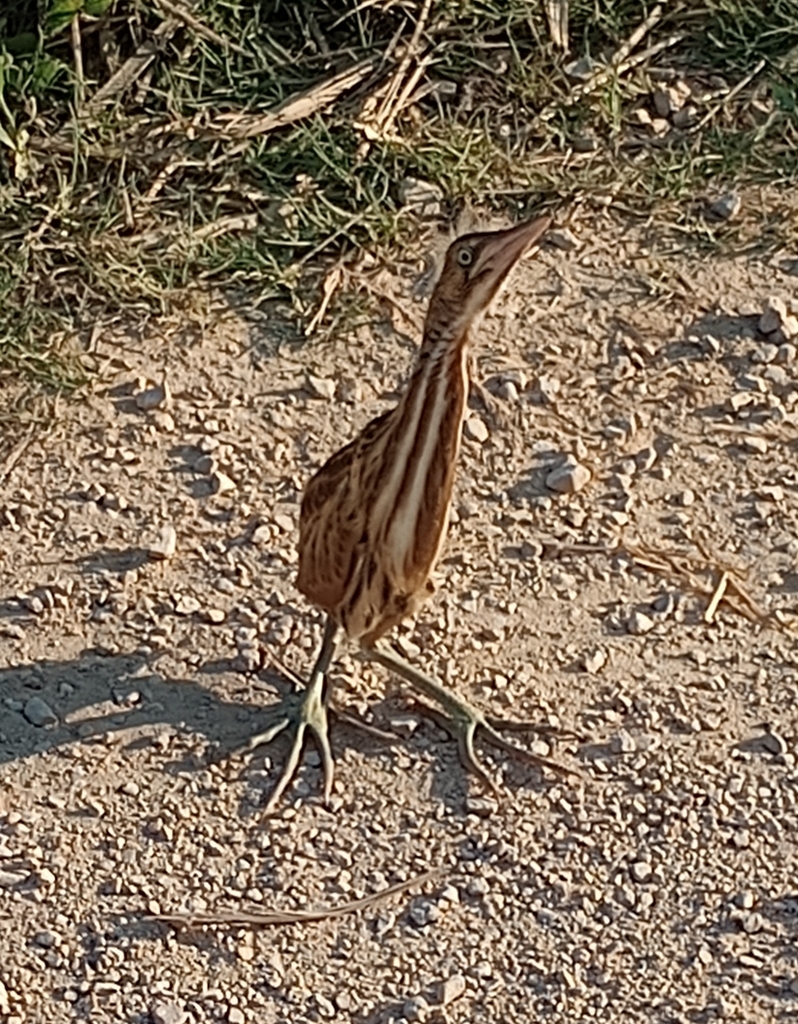
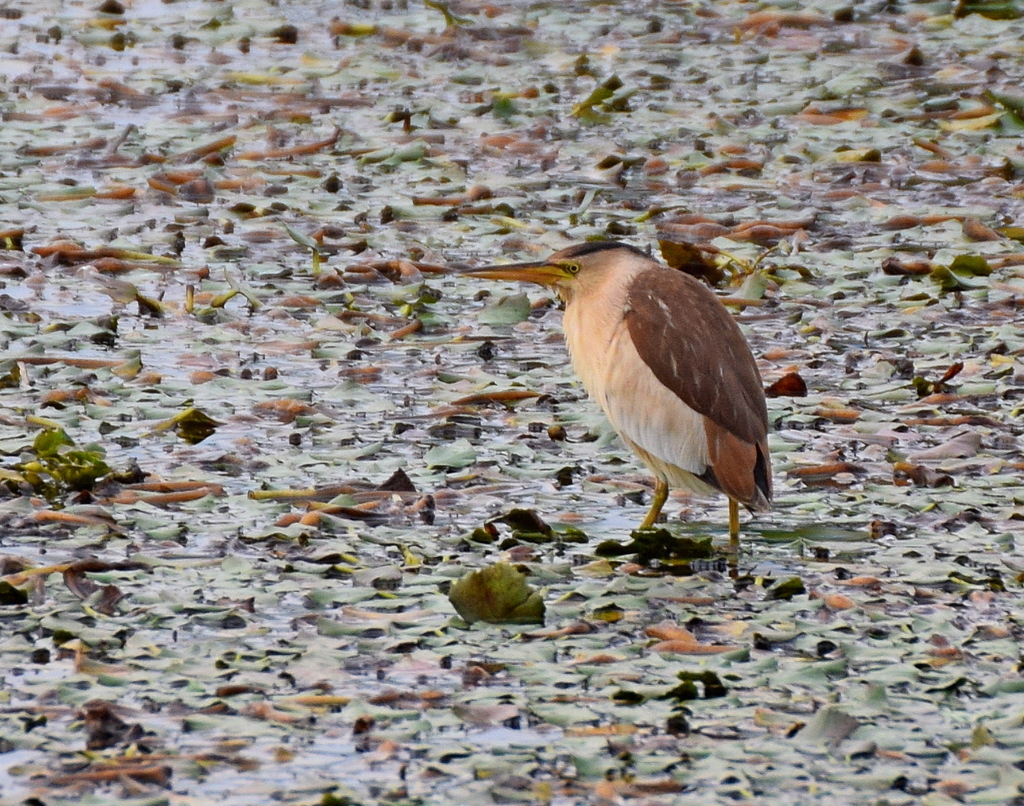
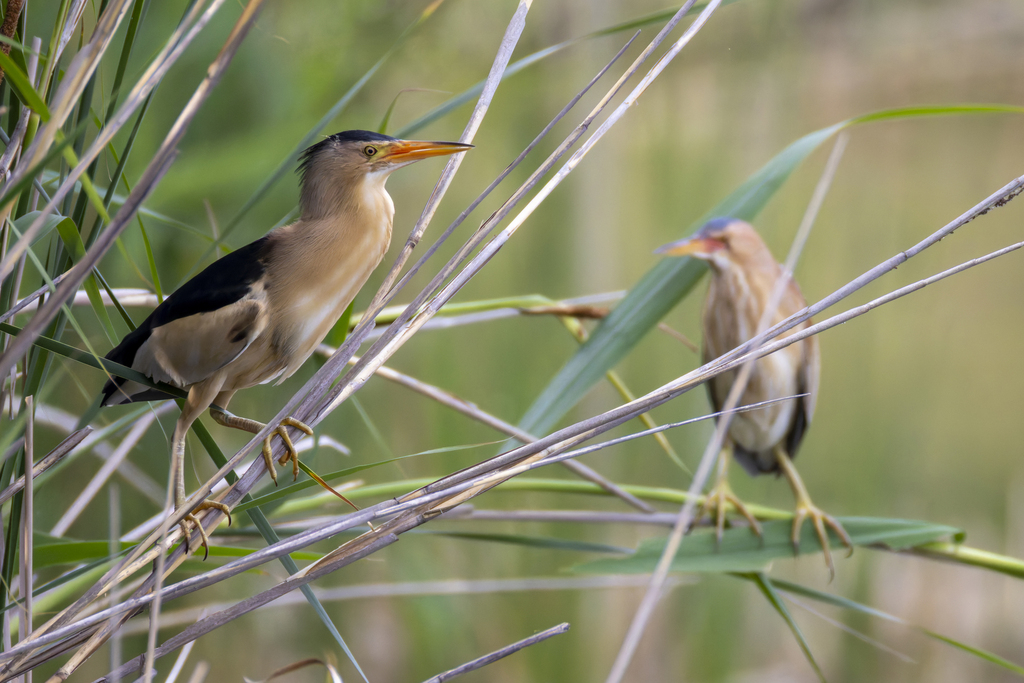
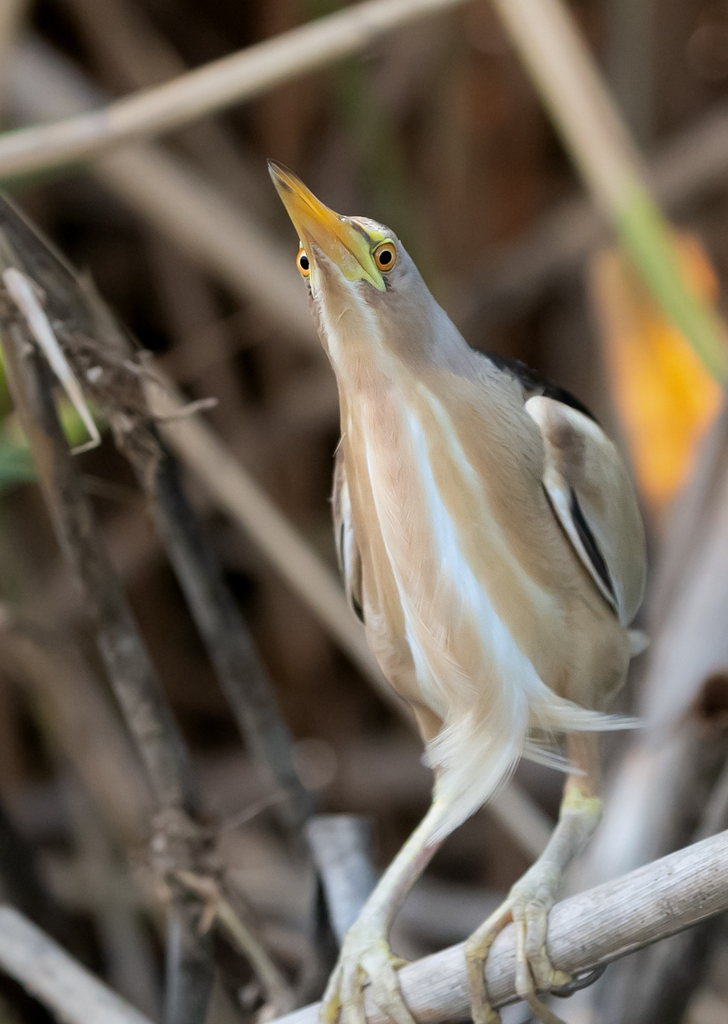
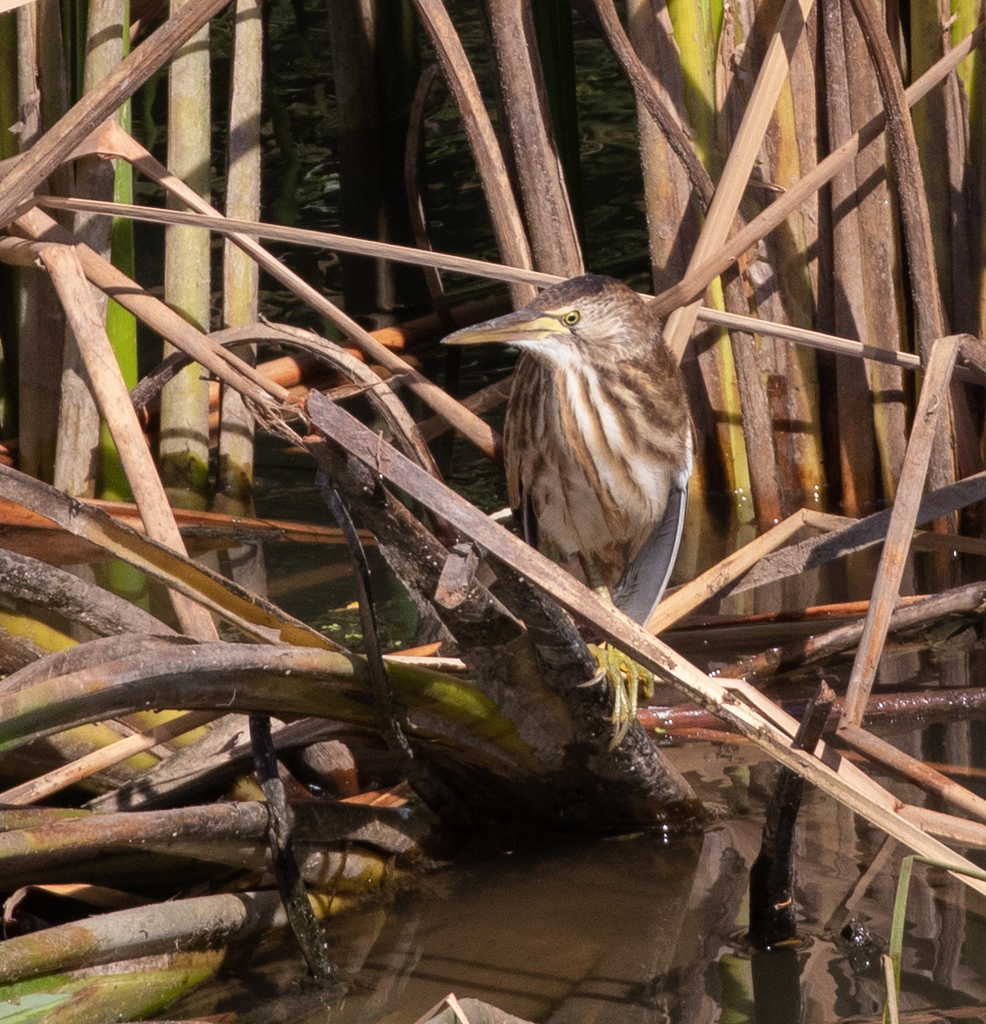
El pequeño y discreto avetorillo, inconfundible por su tamaño, es la garza más pequeña de la fauna europea. La especie presenta cierto dimorfismo sexual: el macho adulto luce los flancos de color crema, el dorso negro, las partes inferiores y el cuello de tonos rosados, las mejillas grisáceas y el píleo y la nuca también negros. La hembra adulta es similar, pero menos contrastada y de tonalidad, en conjunto, más parduzca. Los jóvenes, de un tono general pardo-grisáceo, poseen un diseño similar al de la hembra, aunque con los flancos y el píleo muy desdibujados.Small and discrete, unmistakable due to its size, it is the smallest heron in Europe. The species shows sexual dimorphism: the adult male has cream-colored flanks, a black back, pinkish underparts and neck, grayish cheeks, and a black cap and nape. The adult female is similar but less contrasted and overall more brownish. Juveniles are brownish-gray with a design similar to the female but with blurred flanks and cap.
DistribuciónDistribution
Cría en casi toda la Península, de modo puntual en Baleares y Canarias, y está ausente en Ceuta y Melilla. Se localiza fundamentalmente en torno a las principales cuencas fluviales (Guadalquivir, Guadiana, Duero, Tajo y Ebro), así como en Levante, mientras que en el resto del territorio (Galicia, Cantabria, País Vasco, La Rioja y Castilla y León) su presencia es más irregular. En la Península Ibérica, Baleares y Canarias, al igual que en gran parte de Eurasia, se encuentra la subespecie minutus.Breeds in almost the entire Peninsula and punctually in the Balearics and Canaries. Fundamental locations include major river basins (Guadalquivir, Guadiana, Duero, Tagus, and Ebro) and the Levant coast.
Textos reproducidos con permiso de laTexts translated and reproduced with permission from the Guía de Aves de España © SEO/BirdLife
Estado de conservaciónConservation Status
- EX
- RE
- CR
- EN
- VU
- NT
- LC
Preocupación menorLeast Concern
Qué significa cada categoríaWhat each category means
- LC
- Preocupación menor: Taxón evaluado que no califica para categorías amenazadas. Especies abundantes y ampliamente distribuidasLeast Concern - Evaluated taxon that does not qualify for threatened categories. Widespread and abundant taxa
- NT
- Casi amenazada: No califica actualmente como amenazada, pero está cerca de calificar o es probable que califique en el futuro cercanoNear Threatened - Does not currently qualify as threatened, but is close to qualifying or likely to qualify in the near future
- VU
- Vulnerable: Enfrenta un alto riesgo de extinción en estado silvestre según los criterios A a E de IUCNVulnerable - Facing a high risk of extinction in the wild based on IUCN criteria A to E
- EN
- En peligro: Enfrenta un riesgo muy alto de extinción en estado silvestre según los criterios A a E de IUCNEndangered - Facing a very high risk of extinction in the wild based on IUCN criteria A to E
- CR
- En peligro crítico: Enfrenta un riesgo extremadamente alto de extinción en estado silvestre según los criterios A a E de IUCNCritically Endangered - Facing an extremely high risk of extinction in the wild based on IUCN criteria A to E
- DD
- Datos insuficientes: Información inadecuada para evaluar el riesgo de extinción basándose en distribución o estado poblacionalData Deficient - Inadequate information to assess extinction risk based on distribution and/or population status
- NE
- No evaluada: No ha sido evaluada aún contra los criterios de la Lista Roja de IUCNNot Evaluated - Has not yet been assessed against the IUCN Red List criteria
- RE
- Extinta regionalmente: El taxón ya no existe en la región específica, aunque puede sobrevivir en otros lugaresRegionally Extinct - Taxon no longer exists in the specific region, though it may survive elsewhere
- EX
- Extinta - No existe duda razonable de que ha muerto el último individuo del taxónExtinct - No reasonable doubt that the last individual of the taxon has died
TaxonomíaTaxonomy
- OrdenOrder
- Pelecaniformes
- FamiliaFamily
- Ardeidae
- SinónimosSynonyms
- Botaurus minutus
Presencia en EspañaPresence in Spain
- De pasoPassage migrant
- EstivalSummer visitor
- HabitualRegular
En la app: abril a septiembre.In the app: April to September.
Dónde verlaWhere to see it
511 cuadrículas de 10 km con registros de 2020 a 2024. Toca un mes para ver dónde se ha visto.511 10 km squares with records from 2020 to 2024. Pick a month to see where it has been seen.
Cargando el mapa…Loading the map…
Dónde es regularWhere it is regular
Provincias con registros en al menos 3 de los 5 años algún mes, de más a menos frecuente, y sus mejores meses.Provinces with records in at least 3 of the 5 years in some month, from most to least frequent, and their best months.
- AlicanteAlicantejulio, agosto, septiembreJuly, August, September
- TarragonaTarragonajulio, agosto, junioJuly, August, June
- ValenciaValenciajunio, julio, agostoJune, July, August
- CórdobaCórdobaseptiembre, junio, agostoSeptember, June, August
- CastellónCastellónjulio, agosto, septiembreJuly, August, September
- SevillaSevillajulio, agosto, junioJuly, August, June
- AlmeríaAlmeríajulio, agosto, junioJuly, August, June
- BadajozBadajozagosto, julio, septiembreAugust, July, September
- Ciudad RealCiudad Realjulio, agosto, junioJuly, August, June
- ZamoraZamoraseptiembre, octubre, junioSeptember, October, June
Ver las 34 provinciasSee all 34 provinces
- GironaGironajulio, agosto, junioJuly, August, June
- BalearesBalearic Islandsjunio, agosto, julioJune, August, July
- GranadaGranadaagosto, julio, junioAugust, July, June
- ToledoToledojulio, agosto, octubreJuly, August, October
- BarcelonaBarcelonajulio, junio, mayoJuly, June, May
- MurciaMurciajunio, agosto, julioJune, August, July
- CáceresCáceresmayo, abril, junioMay, April, June
- MadridMadridjunio, julio, mayoJune, July, May
- HuelvaHuelvajulio, junio, mayoJuly, June, May
- SalamancaSalamancamayo, junio, julioMay, June, July
- ZaragozaZaragozajunio, julio, agostoJune, July, August
- OurenseOurensejulio, junio, mayoJuly, June, May
- CádizCádizmayo, junio, julioMay, June, July
- AlbaceteAlbacetejunio, julio, mayoJune, July, May
- MálagaMálagajulio, agosto, junioJuly, August, June
- LeónLeónagosto, julioAugust, July
- LleidaLleidaagosto, junio, abrilAugust, June, April
- GuipúzcoaGuipúzcoamayoMay
- CantabriaCantabriajunio, julioJune, July
- ValladolidValladolidjunio, agosto, julioJune, August, July
- HuescaHuescajunio, mayo, abrilJune, May, April
- NavarraNavarrajunio, mayoJune, May
- ÁvilaÁvilajunioJune
- A CoruñaA CoruñaagostoAugust
Datos: registros en GBIF de 2020 a 2024 de Observation.org, eBird, iNaturalist y el ICO, descargados el 23/10/2026.Data: GBIF records from 2020 to 2024 from Observation.org, eBird, iNaturalist and the ICO, downloaded on 23/10/2026. GBIF.org (23 October 2026) GBIF Occurrence Download · doi:10.15468/dl.r5sf2a · CC BY-NC 4.0
GaleríaGallery
© София Хохлачёва · CC BY · iNaturalist 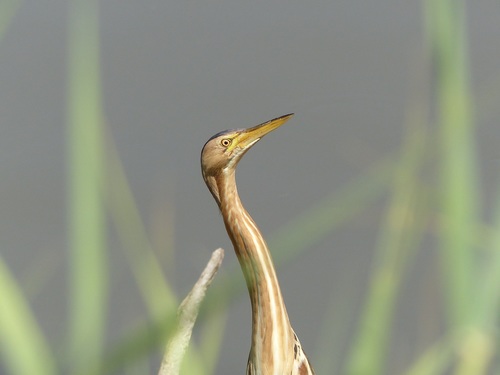
© Eamon Corbett · CC BY · iNaturalist 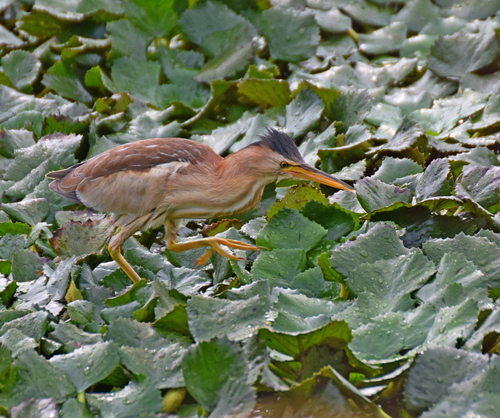
© Kostas Zontanos · CC BY · iNaturalist 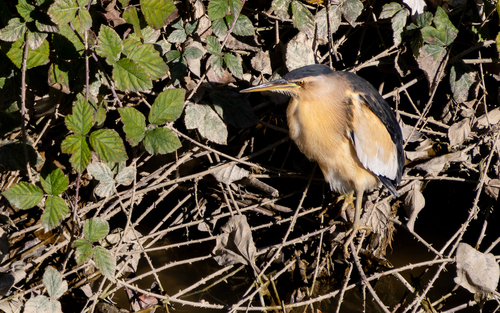
© Diego González Dopico · CC BY · iNaturalist 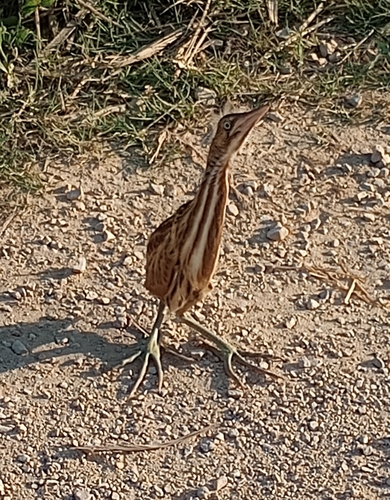
© Pablo MR · CC BY · iNaturalist 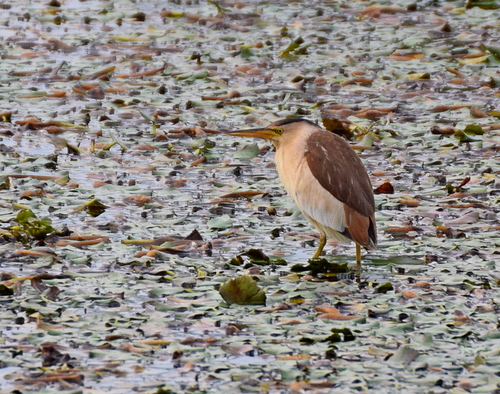
© Kostas Zontanos · CC BY · iNaturalist 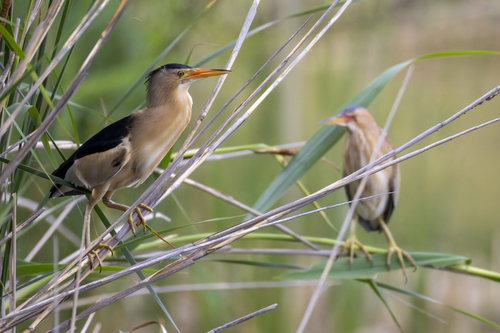
© Alexis Lours · CC BY · iNaturalist 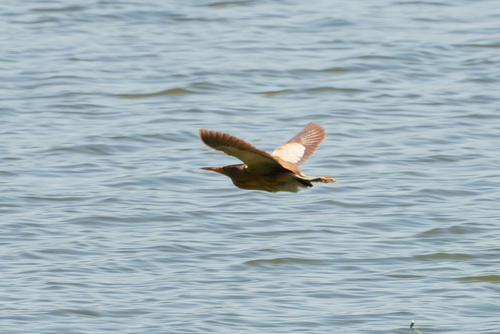
© Nik · CC BY · iNaturalist 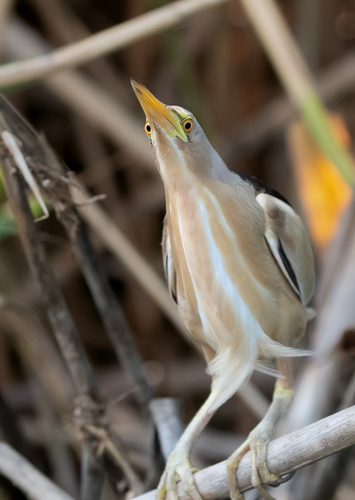
© Алина Урусова · CC BY · iNaturalist 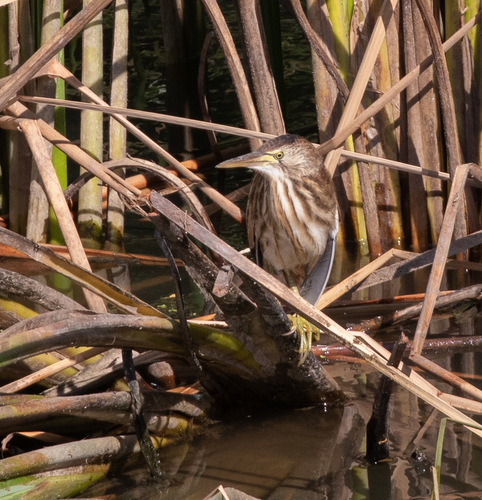
© avocat · CC BY · iNaturalist
Especies relacionadasRelated species
Otras aves de la familia Ardeidae y de órdenes cercanos.Other birds from the Ardeidae family and nearby orders.
- Poco comúnUncommon
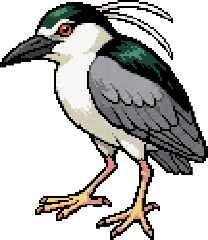 Martinete comúnBlack-crowned Night HeronNycticorax nycticorax
- Poco comúnUncommon
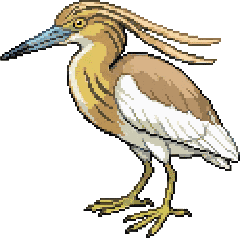 Garcilla cangrejeraSquacco HeronArdeola ralloides
- ComúnCommon
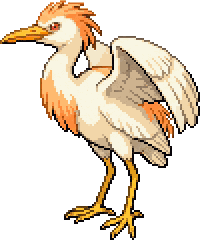 Garcilla bueyeraCattle EgretBubulcus ibis
- ComúnCommon
 Garceta comúnLittle EgretEgretta garzetta
- ComúnCommon
 Garceta grandeGreat EgretArdea alba
- ComúnCommon
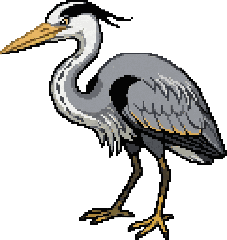 Garza realGrey HeronArdea cinerea
- Poco comúnUncommon
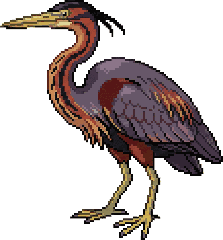 Garza imperialPurple HeronArdea purpurea
- LegendarioLegendary
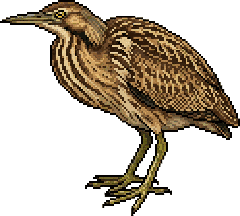 Avetoro lentiginosoAmerican BitternBotaurus lentiginosus
 Gratis, sin anuncios ni comprasFree, no ads, no purchases