 BirdPedy
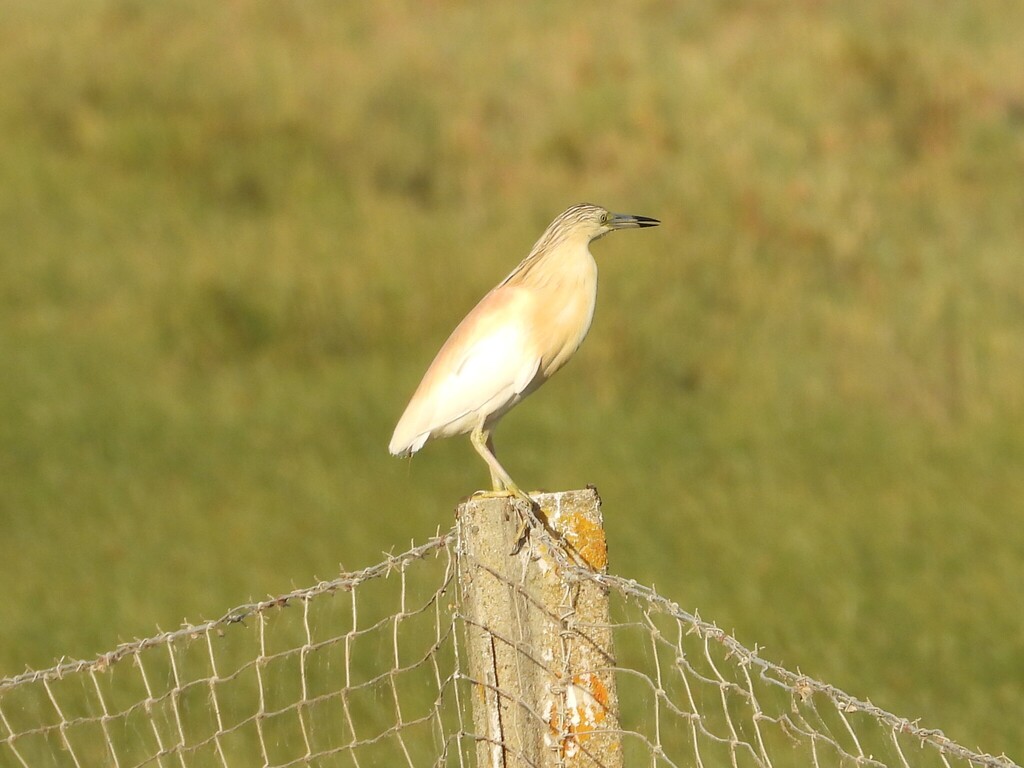
Garcilla cangrejeraSquacco Heron
En 45 provincias en mayo y en 10 en eneroIn 45 provinces in May and 10 in January
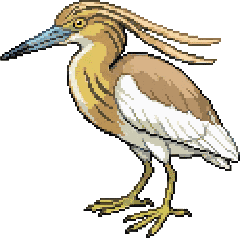
Reporte de rarezaRarity report
Por qué es poco comúnWhy it is uncommonArdeido estival que cría en los tres grandes humedales españoles: el delta del Ebro, la Albufera de Valencia y Doñana. Escaso como reproductor, pero fácil de ver en esos humedales entre abril y septiembre.A summer heron breeding in Spain's three great wetlands: the Ebro delta, the Albufera of Valencia and Doñana. Scarce as a breeder, but easy to see in those wetlands between April and September.
Cada carrizo es un mes: su altura, las provincias con registros de 2020 a 2024.Each reed is a month: its height, the provinces with records from 2020 to 2024.- Provincias con registrosProvinces with records
- 50 de 52of 52
- En la appIn the app
- Abril a septiembreApril to September
- EnvergaduraWingspan
- 80-92 cm80-92 cm
- LongitudLength
- 44-47 cm44-47 cm
- Lista Roja de EspañaSpanish Red List
- NT Casi amenazadaNear Threatened

Información generalGeneral Information
Garza de mediano tamaño, cuya población reproductora se encuentra localizada en unos contados humedales. Su plumaje resulta muy llamativo en época nupcial. Aunque cría entre la densa vegetación palustre, se muestra muy dependiente de los arrozales para alimentarse. Se asocia con otras garzas durante la reproducción para formar colonias mixtas de cría.A medium-sized heron with a breeding population concentrated in a few wetlands. Its plumage is very striking in the nuptial period. Though it breeds in dense marsh vegetation, it is highly dependent on rice fields for feeding. It forms mixed breeding colonies with other herons.
IdentificaciónIdentification
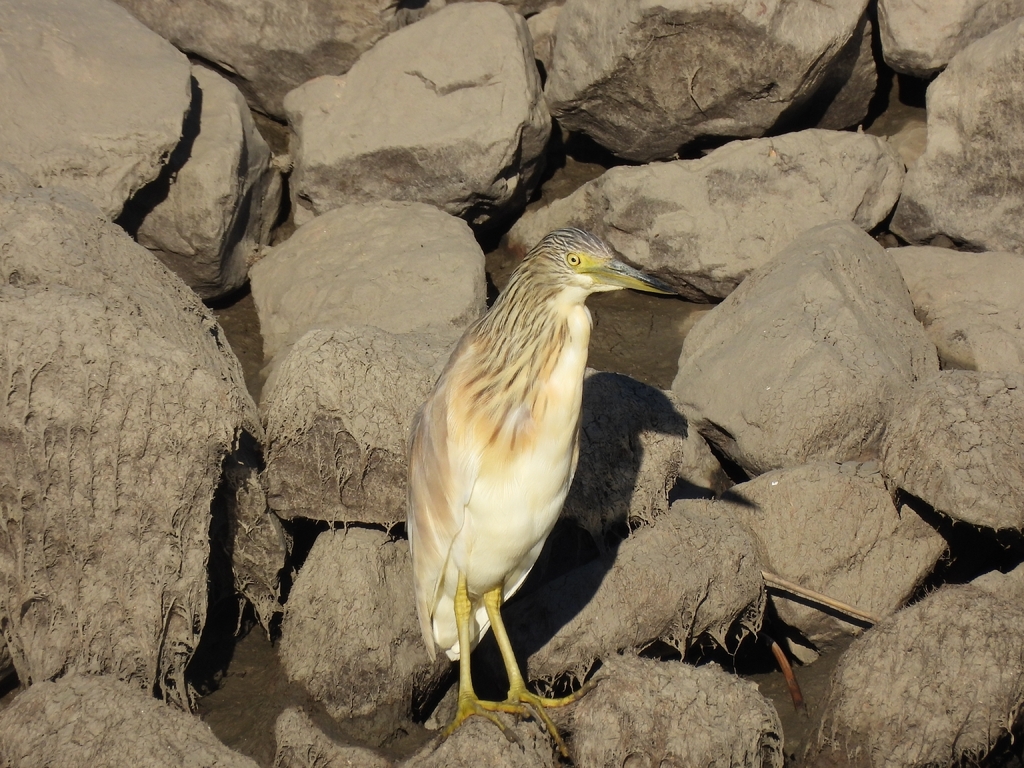
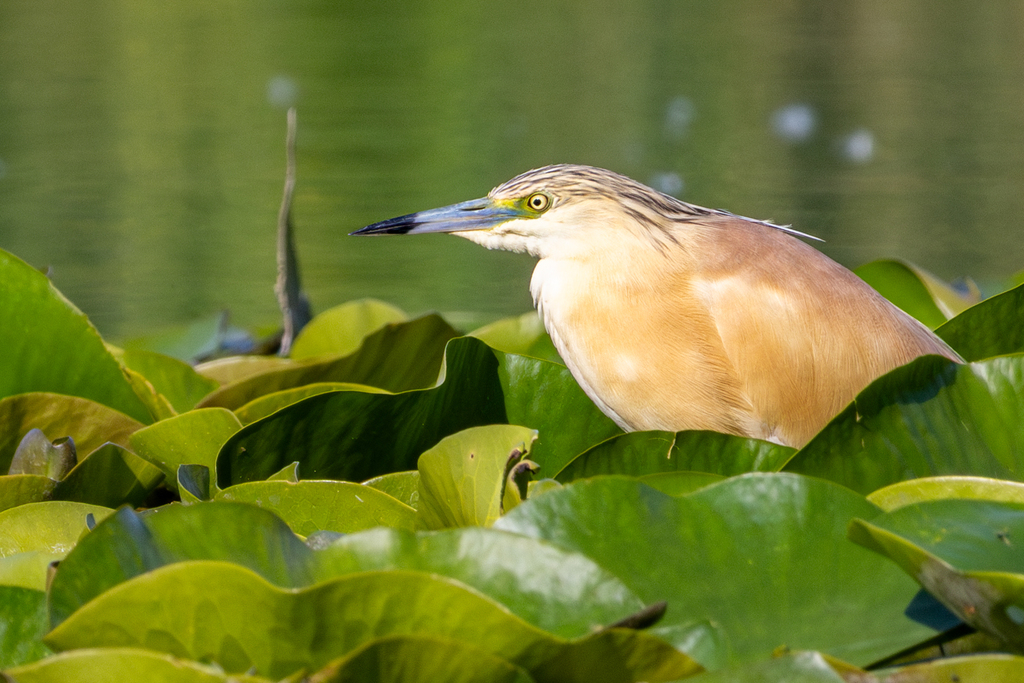
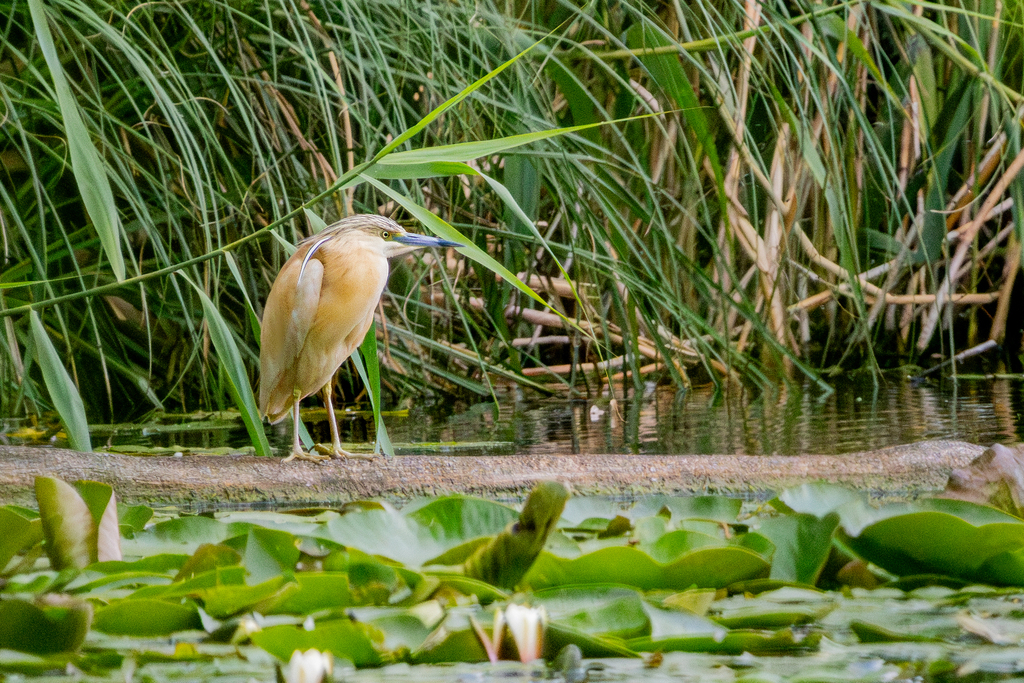
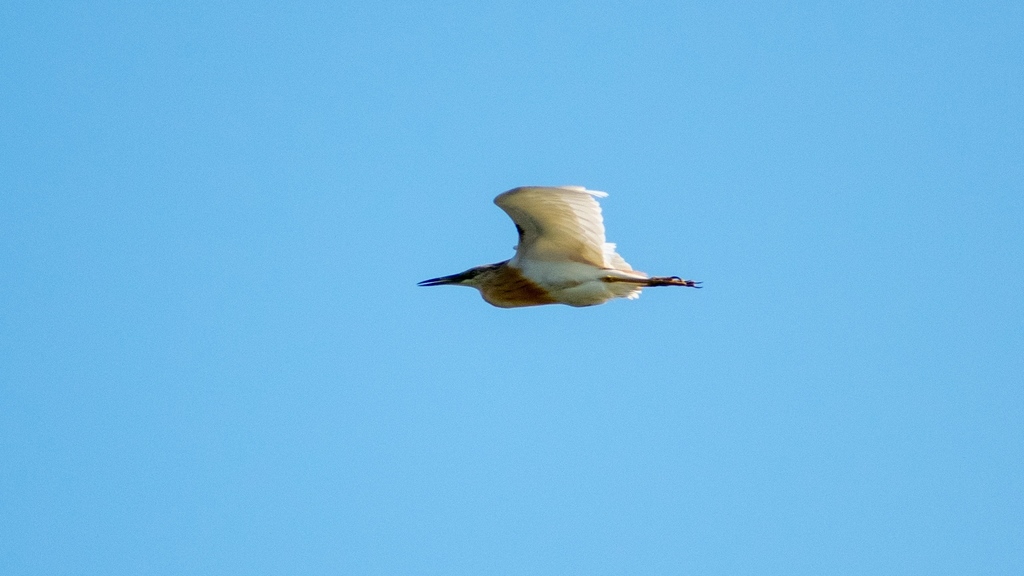
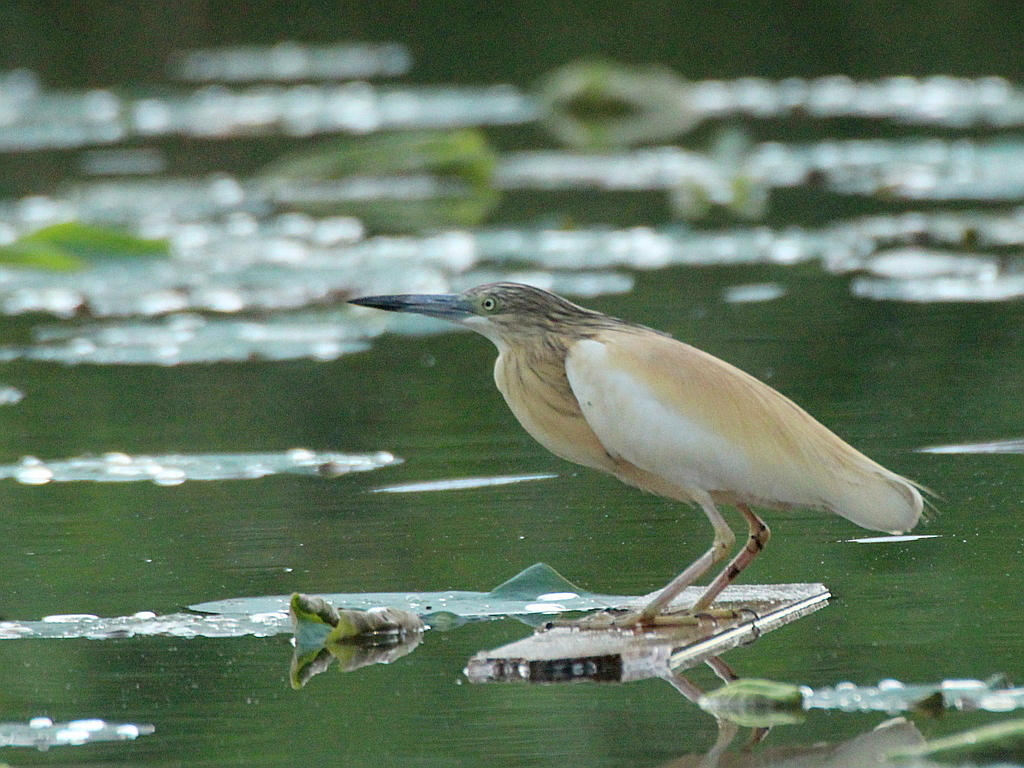
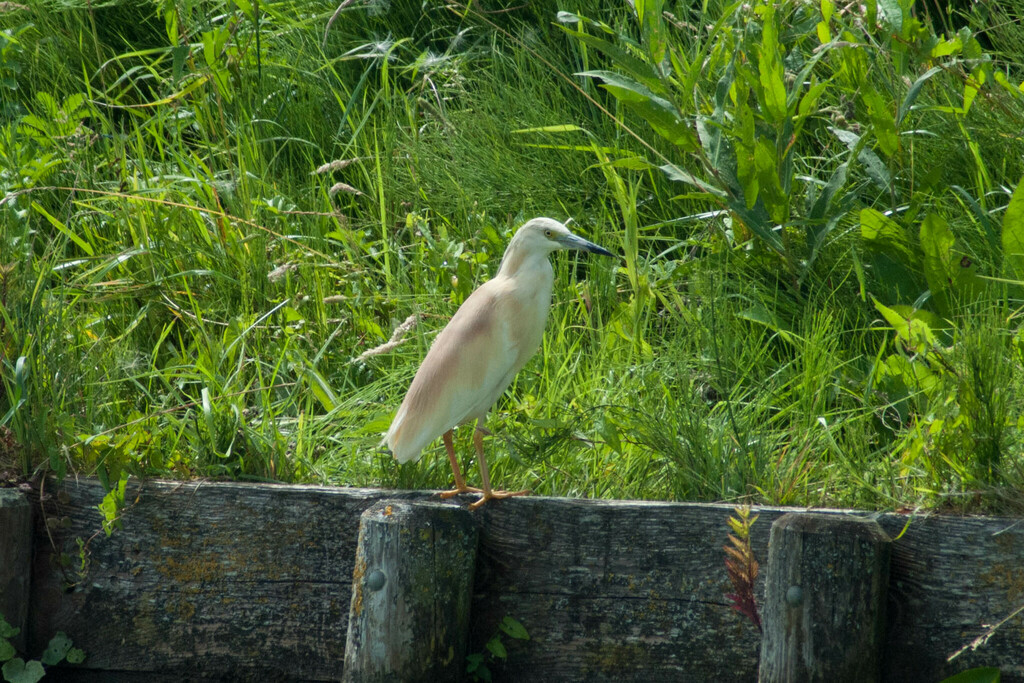
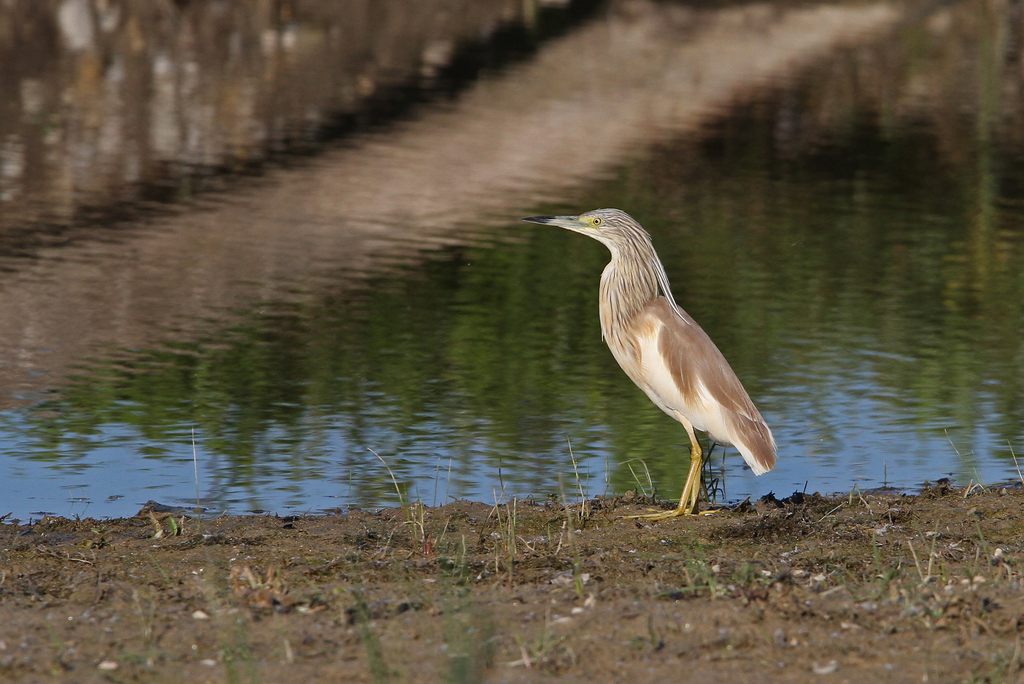
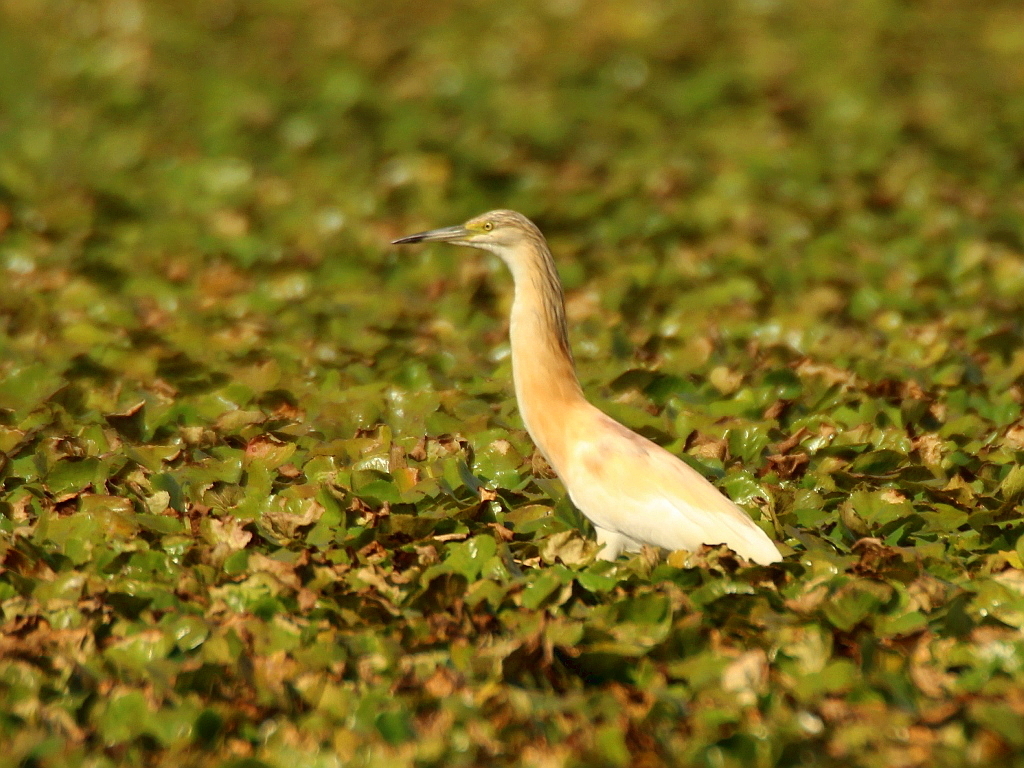
La garcilla cangrejera es una garza de pequeño-mediano tamaño. El adulto reproductor tiene las partes superiores rosado-anaranjadas y las inferiores más blanquecinas. Del píleo le cuelgan largas plumas pardas, con raquis más pálido, que le dibujan una melena sobre el dorso. Su pico es azulado, con el extremo negro, y luce patas naranjas. El adulto no reproductor es mucho más parduzco, con toda la cabeza y el cuello repletos de estrías longitudinales blancas y pardas, patas amarillentas y pico naranja sucio. Los jóvenes son muy similares a los adultos no reproductores. En vuelo, la garcilla cangrejera se muestra muy pálida, ya que sus alas y cola son blancas, y el cuerpo y la cabeza rosados. Se localiza generalmente en aguazales abiertos, en orillas o en aguas someras.A small to medium-sized heron. The breeding adult has pinkish-orange upper parts and whiter underparts. Long brown plumes with paler shafts hang from the cap, forming a mane over the back. Its bill is bluish with a black tip and orange legs. Non-breeders are much more brownish, with the head and neck full of longitudinal white and brown streaks, yellowish legs, and a dull orange bill. Juveniles are similar to non-breeders. In flight, it looks very pale with white wings and tail and a pinkish body/head.
DistribuciónDistribution
La garcilla cangrejera se distribuye de forma muy concentrada por el litoral mediterráneo y las marismas del Guadalquivir. Nidifica principalmente en los tres grandes humedales de España (delta del Ebro, albufera de Valencia y Doñana), y de forma más aislada en otros humedales del interior como las Tablas de Daimiel y algunas localidades de Huesca, Barcelona, Gerona, Zaragoza, Salamanca, Madrid, Cáceres, Badajoz, Córdoba, Murcia, Cádiz, Granada y Almería. En Baleares aparece solo en Mallorca (S’Albufera).Concentrated along the Mediterranean coast and Guadalquivir marshes. Nests in the three major Spanish wetlands (Ebro Delta, Albufera of Valencia, and Doñana). Found in Mallorca (S'Albufera).
Textos reproducidos con permiso de laTexts translated and reproduced with permission from the Guía de Aves de España © SEO/BirdLife
Estado de conservaciónConservation Status
- EX
- RE
- CR
- EN
- VU
- NT
- LC
Casi amenazadaNear Threatened
Qué significa cada categoríaWhat each category means
- LC
- Preocupación menor: Taxón evaluado que no califica para categorías amenazadas. Especies abundantes y ampliamente distribuidasLeast Concern - Evaluated taxon that does not qualify for threatened categories. Widespread and abundant taxa
- NT
- Casi amenazada: No califica actualmente como amenazada, pero está cerca de calificar o es probable que califique en el futuro cercanoNear Threatened - Does not currently qualify as threatened, but is close to qualifying or likely to qualify in the near future
- VU
- Vulnerable: Enfrenta un alto riesgo de extinción en estado silvestre según los criterios A a E de IUCNVulnerable - Facing a high risk of extinction in the wild based on IUCN criteria A to E
- EN
- En peligro: Enfrenta un riesgo muy alto de extinción en estado silvestre según los criterios A a E de IUCNEndangered - Facing a very high risk of extinction in the wild based on IUCN criteria A to E
- CR
- En peligro crítico: Enfrenta un riesgo extremadamente alto de extinción en estado silvestre según los criterios A a E de IUCNCritically Endangered - Facing an extremely high risk of extinction in the wild based on IUCN criteria A to E
- DD
- Datos insuficientes: Información inadecuada para evaluar el riesgo de extinción basándose en distribución o estado poblacionalData Deficient - Inadequate information to assess extinction risk based on distribution and/or population status
- NE
- No evaluada: No ha sido evaluada aún contra los criterios de la Lista Roja de IUCNNot Evaluated - Has not yet been assessed against the IUCN Red List criteria
- RE
- Extinta regionalmente: El taxón ya no existe en la región específica, aunque puede sobrevivir en otros lugaresRegionally Extinct - Taxon no longer exists in the specific region, though it may survive elsewhere
- EX
- Extinta - No existe duda razonable de que ha muerto el último individuo del taxónExtinct - No reasonable doubt that the last individual of the taxon has died
TaxonomíaTaxonomy
- OrdenOrder
- Pelecaniformes
- FamiliaFamily
- Ardeidae
Presencia en EspañaPresence in Spain
- EstivalSummer visitor
- HabitualRegular
En la app: abril a septiembre.In the app: April to September.
Dónde verlaWhere to see it
554 cuadrículas de 10 km con registros de 2020 a 2024. Toca un mes para ver dónde se ha visto.554 10 km squares with records from 2020 to 2024. Pick a month to see where it has been seen.
Cargando el mapa…Loading the map…
Dónde es regularWhere it is regular
Provincias con registros en al menos 3 de los 5 años algún mes, de más a menos frecuente, y sus mejores meses.Provinces with records in at least 3 of the 5 years in some month, from most to least frequent, and their best months.
- TarragonaTarragonaagosto, julio, septiembreAugust, July, September
- AlicanteAlicanteagosto, julio, septiembreAugust, July, September
- ValenciaValenciaagosto, julio, junioAugust, July, June
- CastellónCastellónagosto, julio, mayoAugust, July, May
- SevillaSevillaagosto, julio, mayoAugust, July, May
- GironaGironamayo, abril, junioMay, April, June
- AlmeríaAlmeríajulio, agosto, mayoJuly, August, May
- BalearesBalearic Islandsagosto, junio, julioAugust, June, July
- MurciaMurciaagosto, septiembre, julioAugust, September, July
- BadajozBadajozjulio, agosto, mayoJuly, August, May
Ver las 38 provinciasSee all 38 provinces
- HuelvaHuelvaabril, junio, julioApril, June, July
- Ciudad RealCiudad Realagosto, julio, junioAugust, July, June
- BarcelonaBarcelonamayo, abril, junioMay, April, June
- GranadaGranadamayo, julio, junioMay, July, June
- CádizCádizagosto, junio, mayoAugust, June, May
- Las PalmasLas Palmasjunio, mayo, octubreJune, May, October
- MálagaMálagamayo, agosto, junioMay, August, June
- AlbaceteAlbacetemayoMay
- CáceresCáceresjunio, julio, agostoJune, July, August
- La RiojaLa Riojamayo, agostoMay, August
- LleidaLleidamayo, julio, abrilMay, July, April
- JaénJaénjulio, junio, mayoJuly, June, May
- HuescaHuescamayo, junio, abrilMay, June, April
- CórdobaCórdobajunio, julio, septiembreJune, July, September
- Santa Cruz de TenerifeSanta Cruz de TenerifejunioJune
- TeruelTeruelmayo, julioMay, July
- A CoruñaA CoruñamayoMay
- ZaragozaZaragozamayo, agosto, junioMay, August, June
- MadridMadridseptiembre, mayo, junioSeptember, May, June
- PontevedraPontevedramayoMay
- GuipúzcoaGuipúzcoamayoMay
- ZamoraZamorajunioJune
- VizcayaVizcayajunioJune
- NavarraNavarramayoMay
- SalamancaSalamancamayoMay
- SoriaSoriamayoMay
- AsturiasAsturiasjunioJune
- CantabriaCantabriajunioJune
Datos: registros en GBIF de 2020 a 2024 de Observation.org, eBird, iNaturalist y el ICO, descargados el 23/10/2026.Data: GBIF records from 2020 to 2024 from Observation.org, eBird, iNaturalist and the ICO, downloaded on 23/10/2026. GBIF.org (23 October 2026) GBIF Occurrence Download · doi:10.15468/dl.r5sf2a · CC BY-NC 4.0
GaleríaGallery
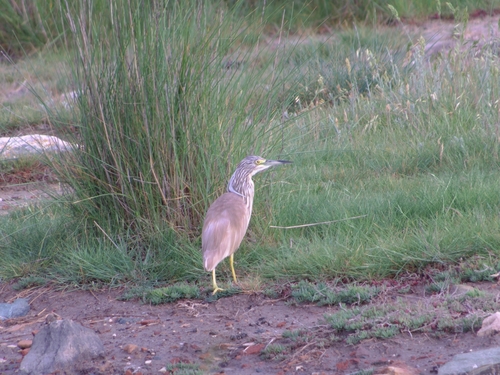
© u101125 · CC BY · iNaturalist 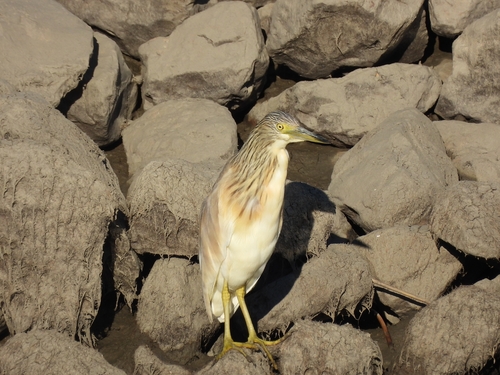
© David Pereira · CC BY · iNaturalist 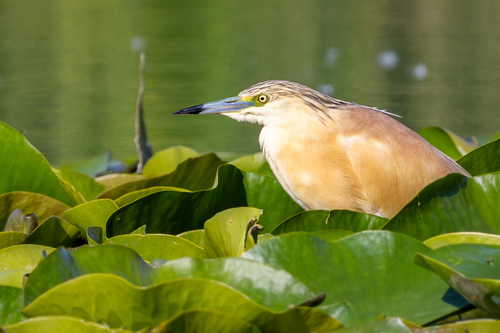
© Diego González Dopico · CC BY · iNaturalist 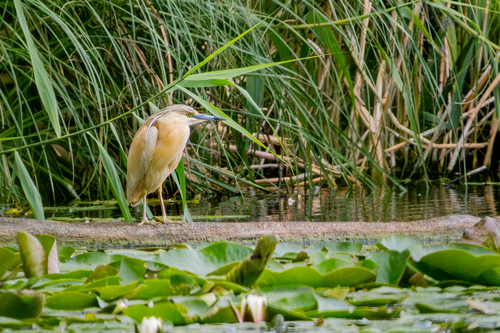
© Diego González Dopico · CC BY · iNaturalist 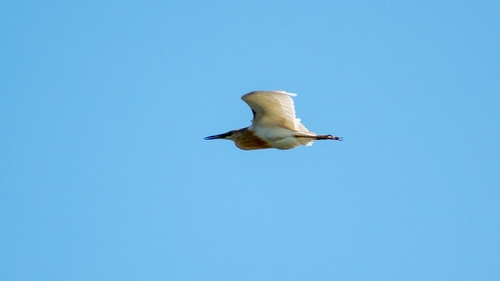
© Gergely Nigg · CC BY · iNaturalist 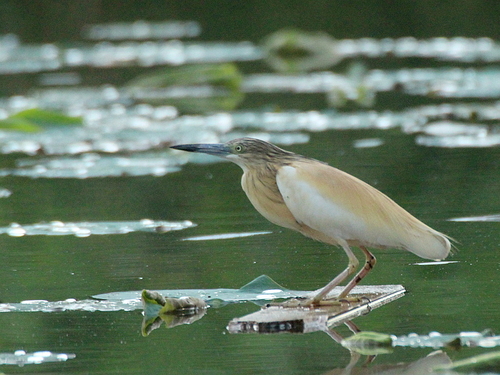
© Andrew Bazdyrev · CC BY · iNaturalist 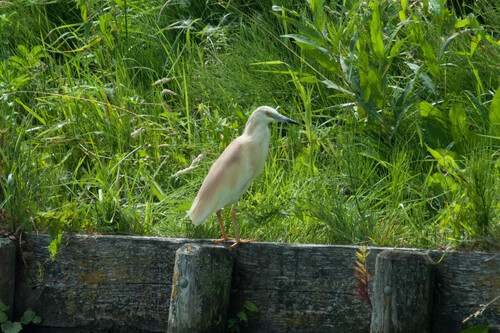
© Fred Derks · CC BY · iNaturalist 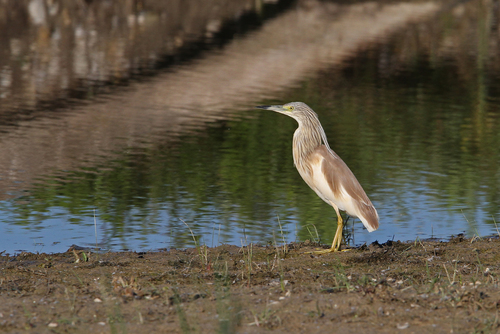
© Christoph Moning · CC BY · iNaturalist 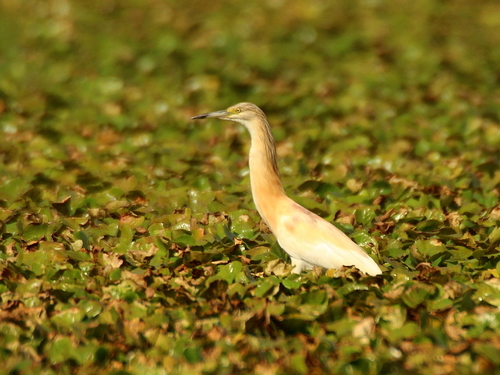
© Andrew Bazdyrev · CC BY · iNaturalist 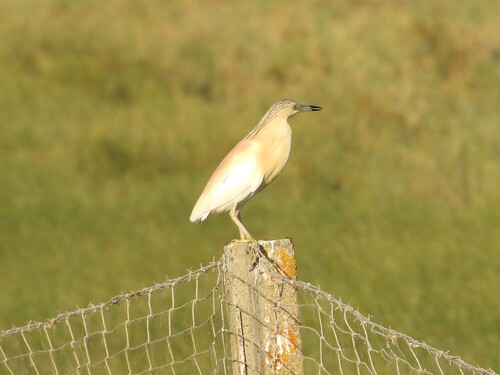
© Sara Navarro · CC BY · iNaturalist
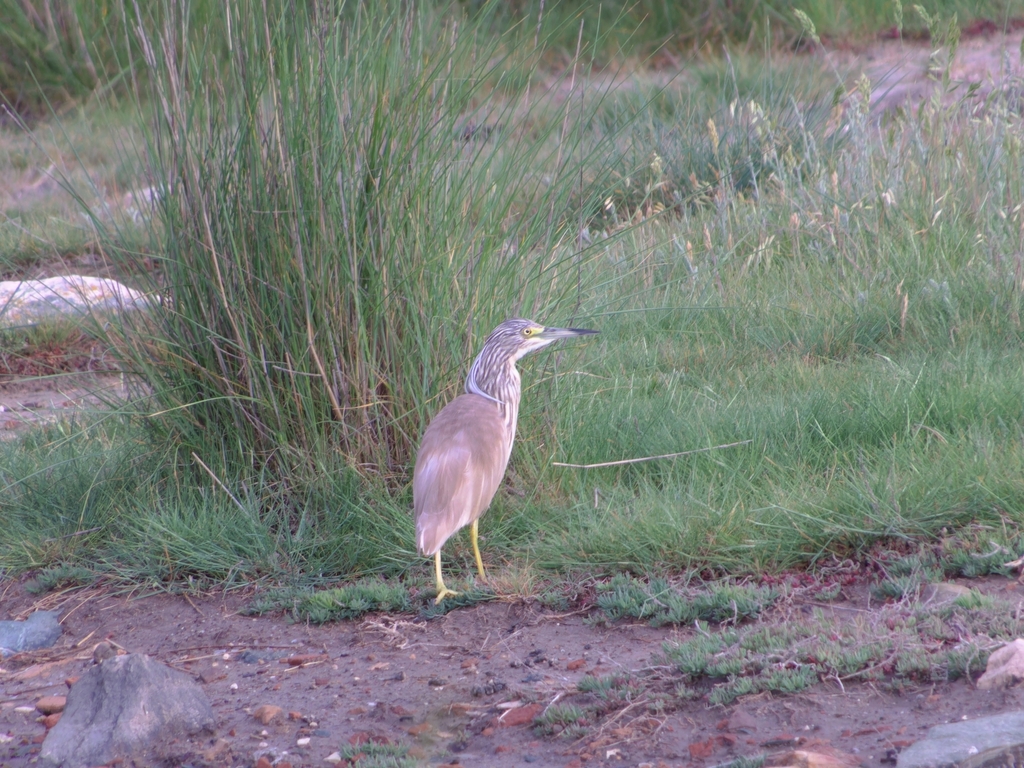
Especies relacionadasRelated species
Otras aves de la familia Ardeidae y de órdenes cercanos.Other birds from the Ardeidae family and nearby orders.
- ComúnCommon
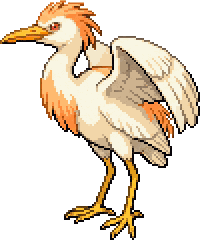 Garcilla bueyeraCattle EgretBubulcus ibis
- ComúnCommon
 Garceta comúnLittle EgretEgretta garzetta
- ComúnCommon
 Garceta grandeGreat EgretArdea alba
- ComúnCommon
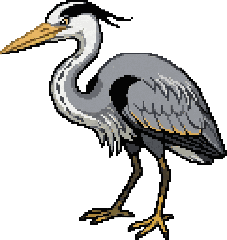 Garza realGrey HeronArdea cinerea
- Poco comúnUncommon
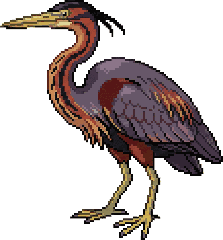 Garza imperialPurple HeronArdea purpurea
- LegendarioLegendary
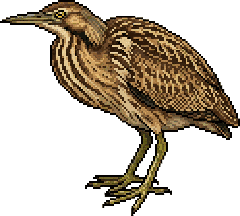 Avetoro lentiginosoAmerican BitternBotaurus lentiginosus
- LegendarioLegendary
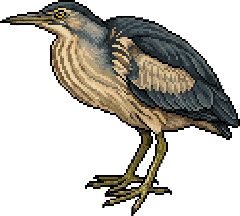 Avetorillo plomizoDwarf BitternIxobrychus sturmii
- LegendarioLegendary
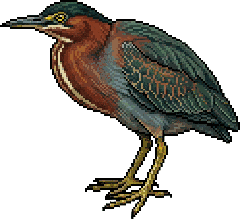 Garcilla verdeGreen HeronButorides virescens
 Gratis, sin anuncios ni comprasFree, no ads, no purchases