 BirdPedy
Buitre moteadoRüppell's Vulture
En 7 provincias en junio y en 2 en agostoIn 7 provinces in June and 2 in August
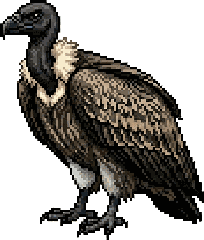
Reporte de rarezaRarity report
Por qué es raroWhy it is rareEspecie africana que se ha vuelto regular en el Estrecho mezclada con buitres leonados durante los pasos migratorios otoñales.African species that has become regular in the Strait mixed with griffon vultures during autumn migration.
Cada carrizo es un mes: su altura, las provincias con registros de 2020 a 2024.Each reed is a month: its height, the provinces with records from 2020 to 2024.- Provincias con registrosProvinces with records
- 16 de 52of 52
- En la appIn the app
- Febrero a octubreFebruary to October
- EnvergaduraWingspan
- 2,2-2,5 m2.2-2.5 m
- LongitudLength
- 85-95 cm85-95 cm
- Lista Roja de EspañaSpanish Red List
- NE No evaluada en EspañaNot assessed in Spain

Información generalGeneral Information
Muy parecido a su pariente, el buitre leonado, este carroñero nos visita con cierta regularidad desde el continente africano, donde tiene su núcleo poblacional. Del mismo modo que muchos de los inmaduros de leonado cruzan el estrecho para regresar meses más tarde, ejemplares de buitre moteado hacen el viaje a la inversa, acompañando a sus primos, para volver después a sus colonias de cría. Si bien los registros se concentran especialmente en el sur peninsular, la especie se ha observado por la mayor parte de la geografía española con presencia de buitre leonado.The Rüppell's Vulture is now a regular visitor to Spain. Young birds from Africa follow the massive flocks of Griffon Vultures that cross the Strait of Gibraltar every year. They can be found at vulture restaurants and cliffs across Andalusia, Extremadura, and even further north. Their presence in Spain is now so regular that they are considered an 'expected' rarity. They represent a fascinating shift in African-European bird connections in the face of environmental stress.
IdentificaciónIdentification
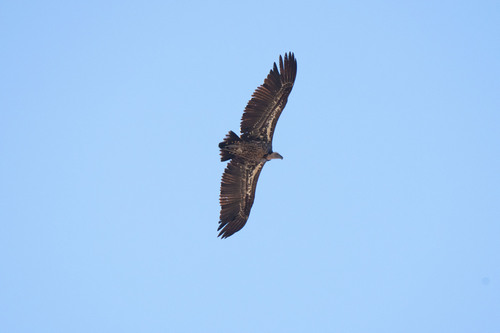
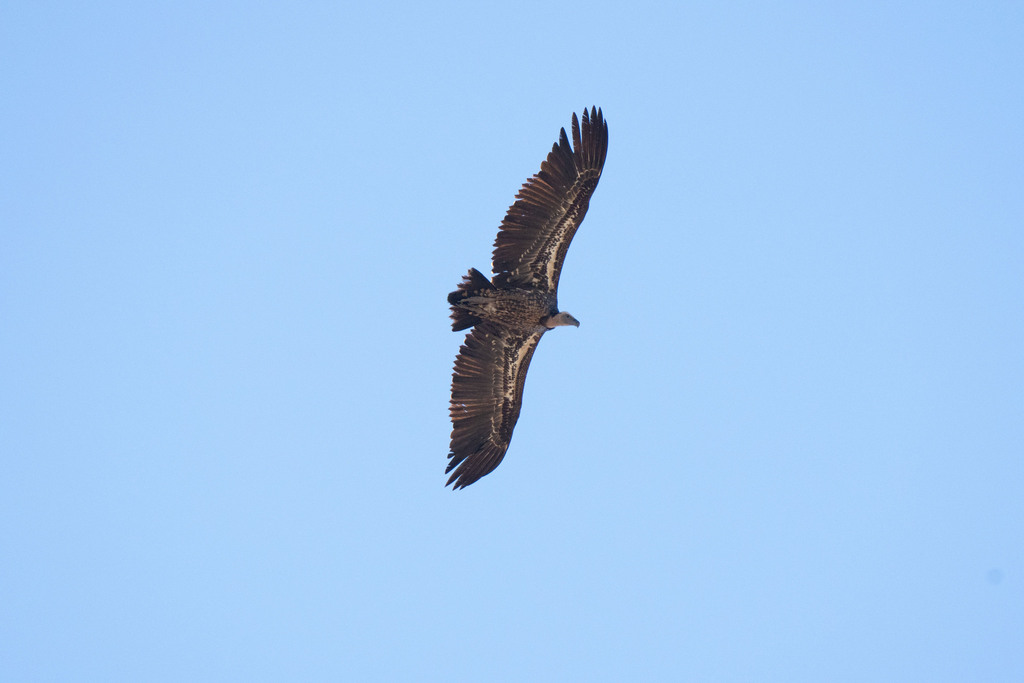
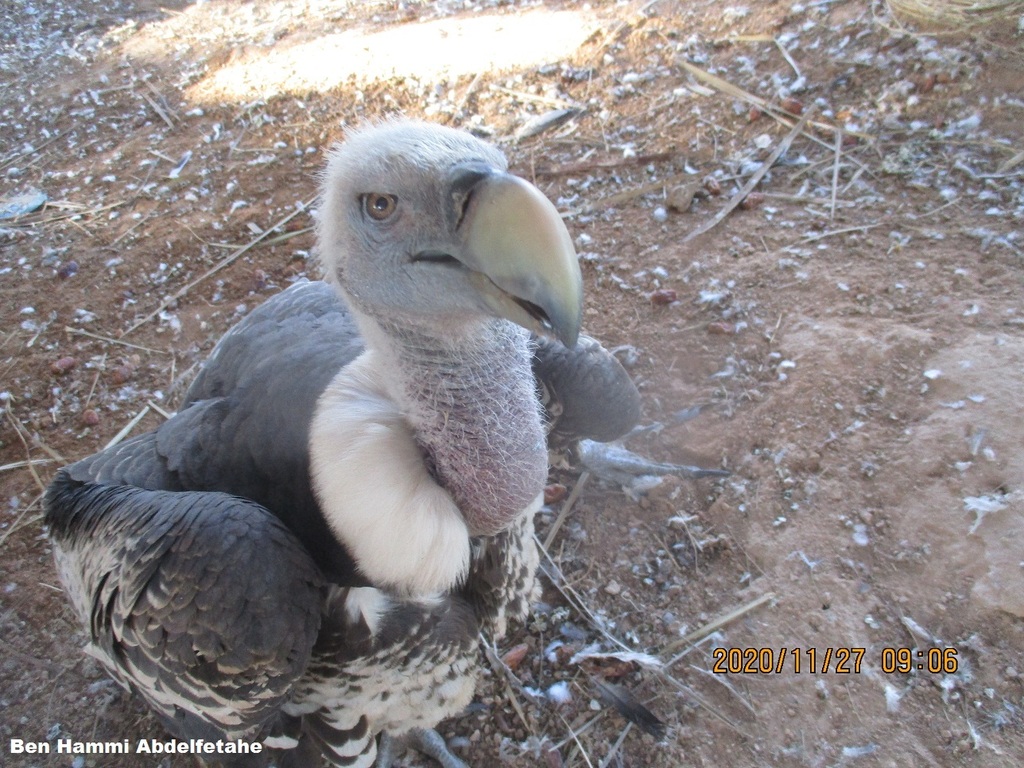
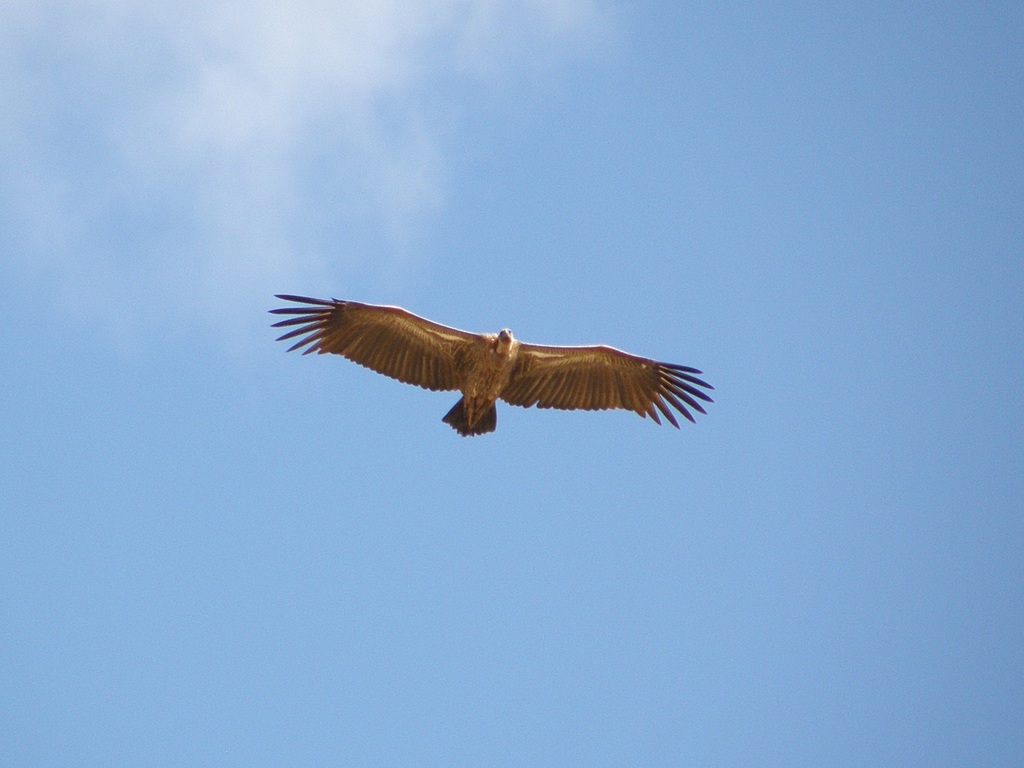
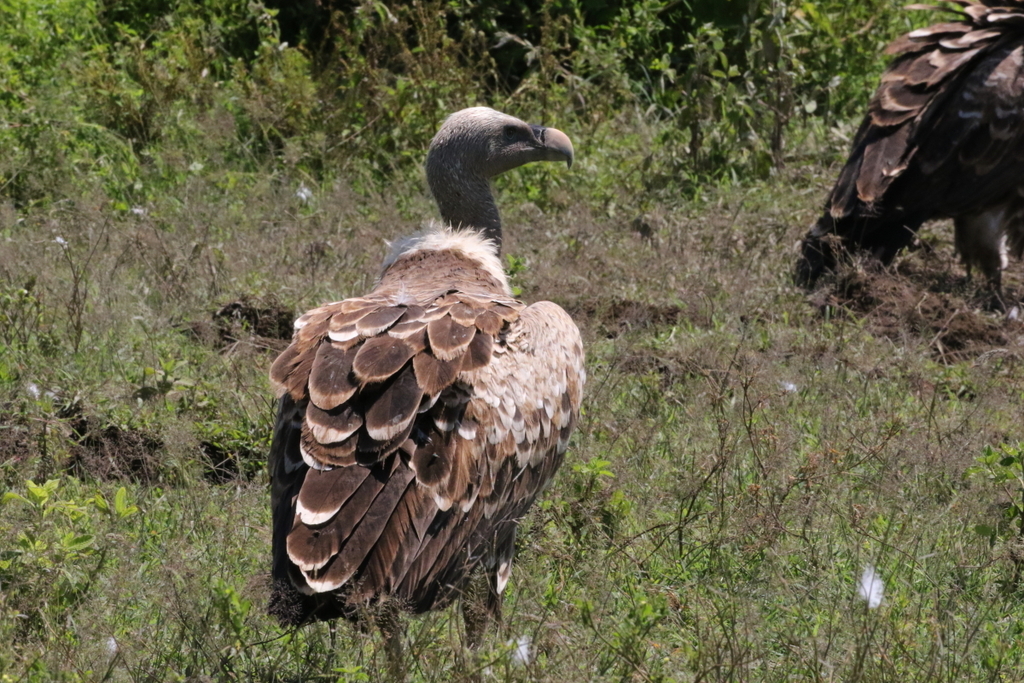
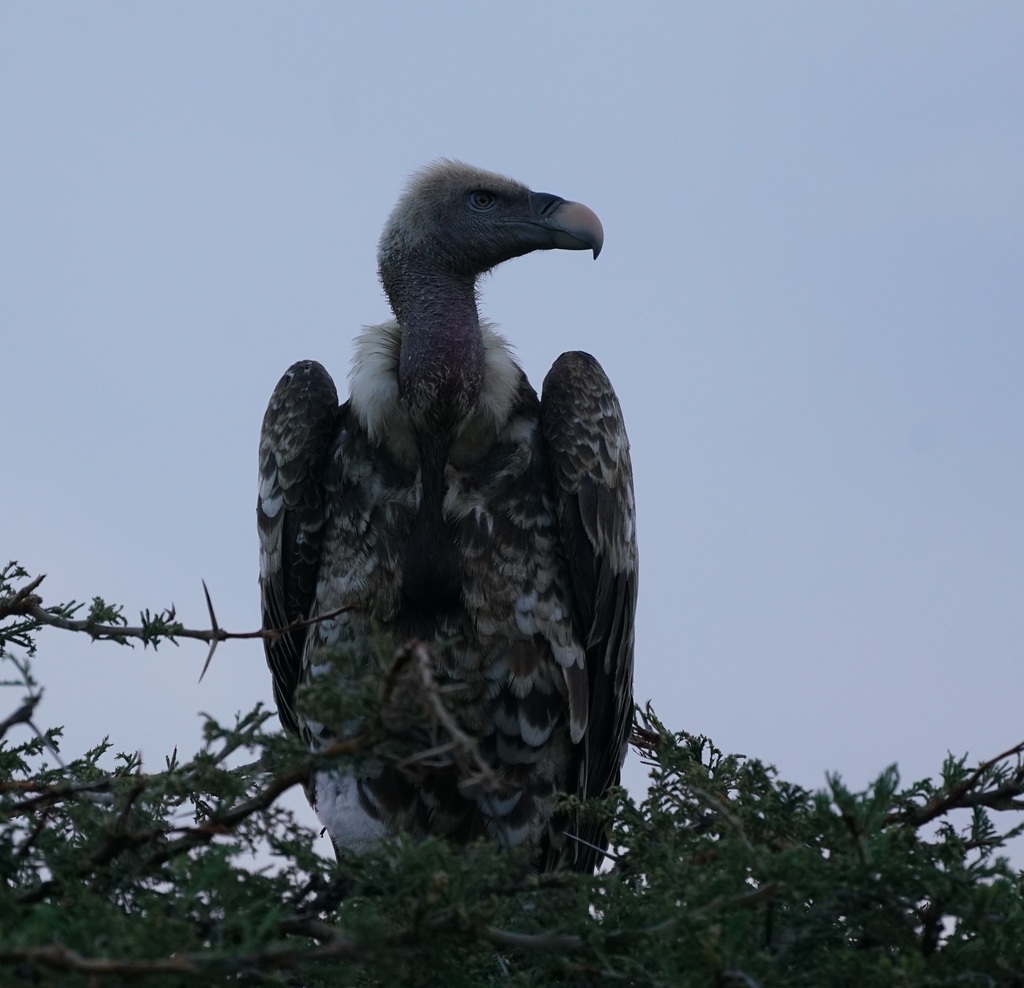
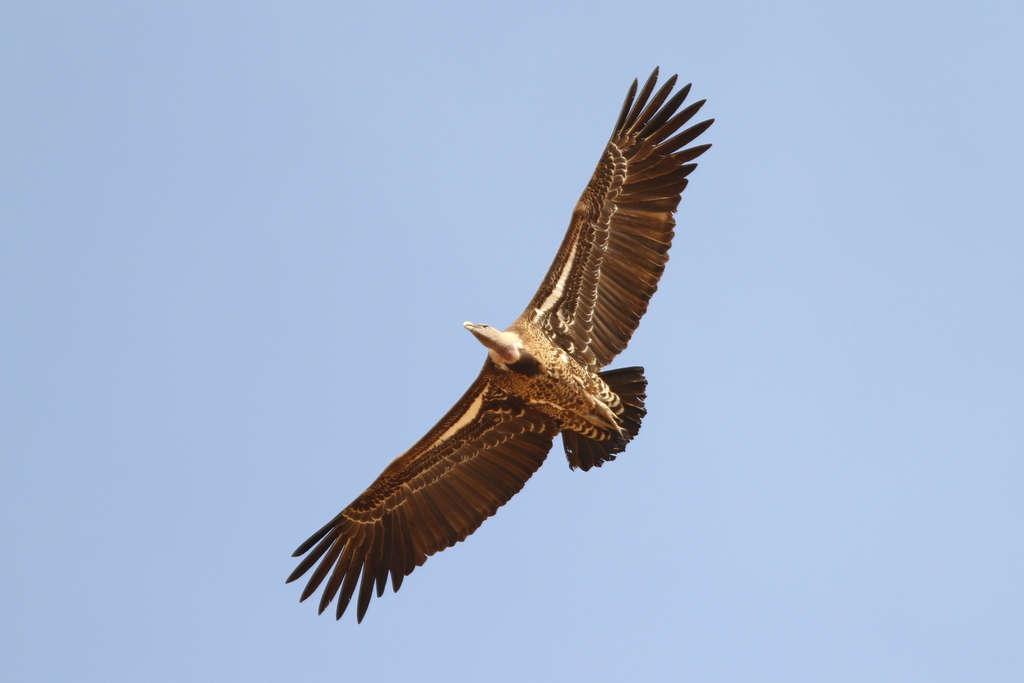
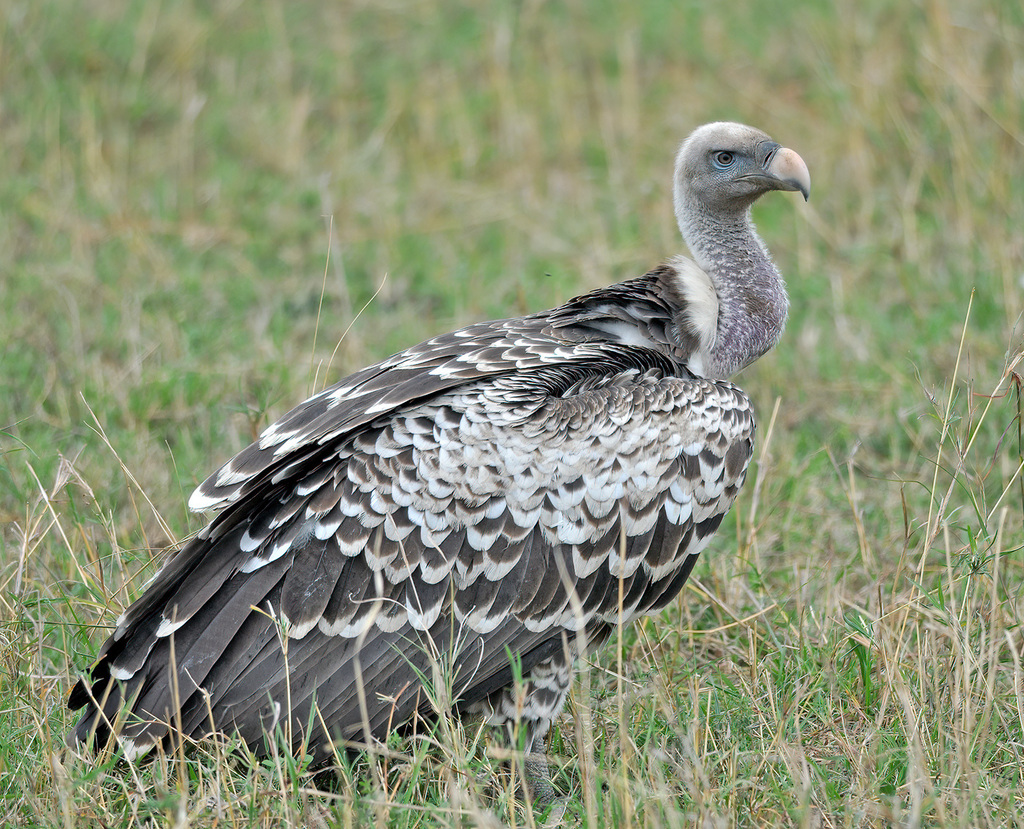
El buitre moteado es similar al buitre leonado, aunque algo menor. Los adultos tienen bordes claros en las plumas de contorno que les otorgan un aspecto escamoso muy distintivo, en tanto que los jóvenes poseen estrías claras destacadas en las plumas de las partes inferiores. Otras diferencias con el buitre leonado incluyen la ausencia del fuerte contraste entre las coloraciones de las coberteras alares y las plumas de vuelo, y la presencia de una franja blanca bajo las alas, tras el borde de ataque, seguida de un par de filas de motas también blancas.Similar to the Griffon Vulture but slightly smaller and with a unique 'scaled' appearance due to pale edges on its dark brown feathers. Adults have a yellowish bill and a pale eye. From below, they show two distinct white lines of dots on the wings. It is a Critically Endangered species from the Sahel and East Africa.
DistribuciónDistribution
Aunque la especie se ha observado por la mayor parte de la geografía española, los registros se concentran especialmente en el sur peninsular, con mayor incidencia en las provincias de Cádiz y Málaga.Regular accidental visitor (formerly rarity) from Africa. Frequent in Andalusia, Extremadura, and Castilla. Often seen with Gyps fulvus flocks at carcass feeding sites.
Textos reproducidos con permiso de laTexts translated and reproduced with permission from the Guía de Aves de España © SEO/BirdLife
Estado de conservaciónConservation Status
- EX
- RE
- CR
- EN
- VU
- NT
- LC
NE
No evaluada en EspañaNot assessed in Spain
Sin categoría en el Libro Rojo de las Aves de España 2021No category in the Red Book of the Birds of Spain 2021
Qué significa cada categoríaWhat each category means
- LC
- Preocupación menor: Taxón evaluado que no califica para categorías amenazadas. Especies abundantes y ampliamente distribuidasLeast Concern - Evaluated taxon that does not qualify for threatened categories. Widespread and abundant taxa
- NT
- Casi amenazada: No califica actualmente como amenazada, pero está cerca de calificar o es probable que califique en el futuro cercanoNear Threatened - Does not currently qualify as threatened, but is close to qualifying or likely to qualify in the near future
- VU
- Vulnerable: Enfrenta un alto riesgo de extinción en estado silvestre según los criterios A a E de IUCNVulnerable - Facing a high risk of extinction in the wild based on IUCN criteria A to E
- EN
- En peligro: Enfrenta un riesgo muy alto de extinción en estado silvestre según los criterios A a E de IUCNEndangered - Facing a very high risk of extinction in the wild based on IUCN criteria A to E
- CR
- En peligro crítico: Enfrenta un riesgo extremadamente alto de extinción en estado silvestre según los criterios A a E de IUCNCritically Endangered - Facing an extremely high risk of extinction in the wild based on IUCN criteria A to E
- DD
- Datos insuficientes: Información inadecuada para evaluar el riesgo de extinción basándose en distribución o estado poblacionalData Deficient - Inadequate information to assess extinction risk based on distribution and/or population status
- NE
- No evaluada: No ha sido evaluada aún contra los criterios de la Lista Roja de IUCNNot Evaluated - Has not yet been assessed against the IUCN Red List criteria
- RE
- Extinta regionalmente: El taxón ya no existe en la región específica, aunque puede sobrevivir en otros lugaresRegionally Extinct - Taxon no longer exists in the specific region, though it may survive elsewhere
- EX
- Extinta - No existe duda razonable de que ha muerto el último individuo del taxónExtinct - No reasonable doubt that the last individual of the taxon has died
TaxonomíaTaxonomy
- OrdenOrder
- Accipitriformes
- FamiliaFamily
- Accipitridae
- SinónimosSynonyms
- Gyps rueppellii
Presencia en EspañaPresence in Spain
- HabitualRegular
En la app: febrero a octubre.In the app: February to October.
Dónde verlaWhere to see it
65 cuadrículas de 10 km con registros de 2020 a 2024. Toca un mes para ver dónde se ha visto.65 10 km squares with records from 2020 to 2024. Pick a month to see where it has been seen.
Cargando el mapa…Loading the map…
Dónde es regularWhere it is regular
Provincias con registros en al menos 3 de los 5 años algún mes, de más a menos frecuente, y sus mejores meses.Provinces with records in at least 3 of the 5 years in some month, from most to least frequent, and their best months.
- CádizCádizseptiembre, octubre, agostoSeptember, October, August
- MálagaMálagaoctubre, septiembre, noviembreOctober, September, November
- CáceresCáceresmayoMay
Datos: registros en GBIF de 2020 a 2024 de Observation.org, eBird, iNaturalist y el ICO, descargados el 23/10/2026.Data: GBIF records from 2020 to 2024 from Observation.org, eBird, iNaturalist and the ICO, downloaded on 23/10/2026. GBIF.org (23 October 2026) GBIF Occurrence Download · doi:10.15468/dl.r5sf2a · CC BY-NC 4.0
GaleríaGallery
© Andrea Poggi · CC BY · iNaturalist 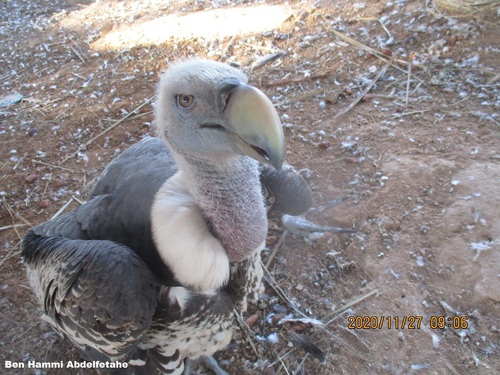
© Karim Haddad · CC BY · iNaturalist 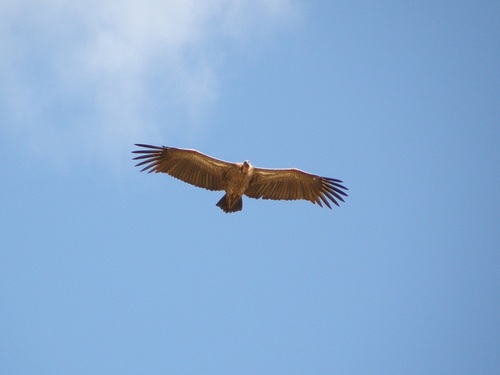
© Rafael Medina · CC BY · iNaturalist 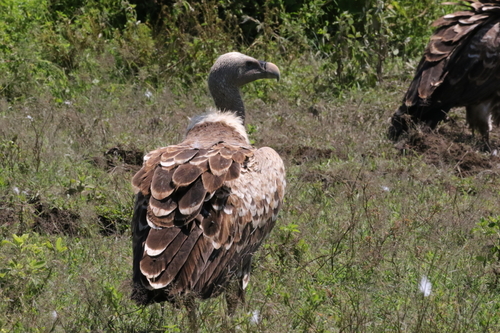
© Brooke Smith · CC BY · iNaturalist 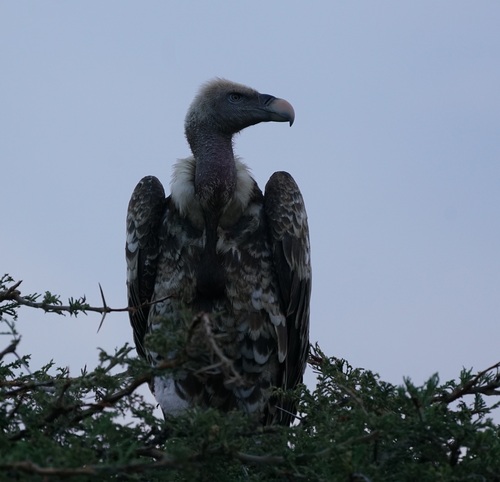
© Tim · CC BY · iNaturalist 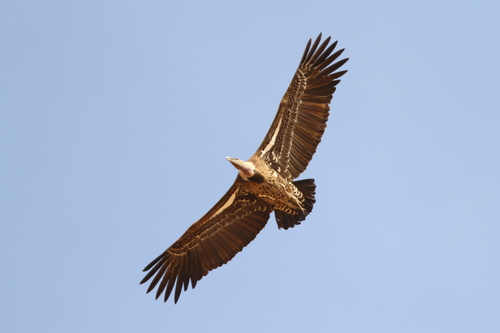
© Christoph Moning · CC BY · iNaturalist 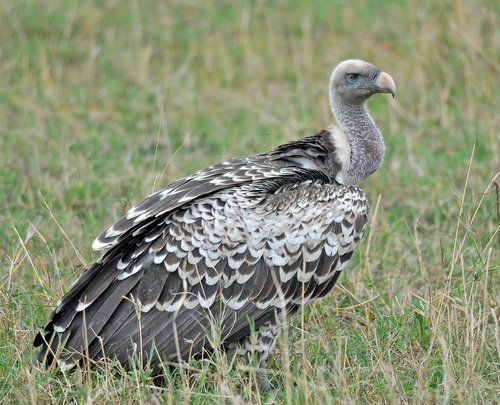
© Pål A. Olsvik · CC BY · iNaturalist
Especies relacionadasRelated species
Otras aves de la familia Accipitridae y de órdenes cercanos.Other birds from the Accipitridae family and nearby orders.
- LegendarioLegendary
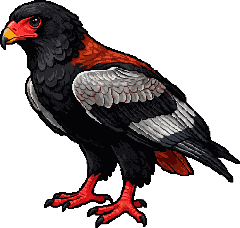 Águila volatineraBateleurTerathopius ecaudatus
- ÉpicoEpic
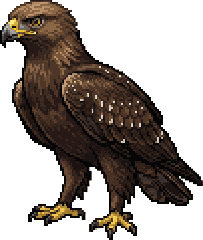 Águila pomeranaLesser Spotted EagleClanga pomarina
- ÉpicoEpic
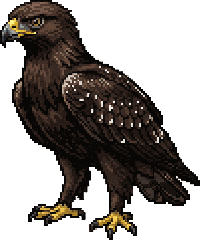 Águila moteadaGreater Spotted EagleClanga clanga
- LegendarioLegendary
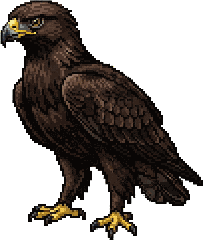 Águila estepariaSteppe EagleAquila nipalensis
- LegendarioLegendary
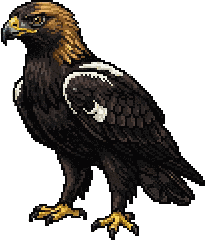 Águila imperial orientalEastern Imperial EagleAquila heliaca
- Poco comúnUncommon
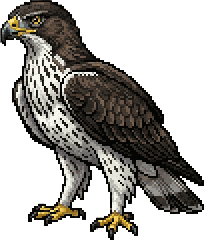 Águila perdiceraBonelli's EagleAquila fasciata
- RaroRare
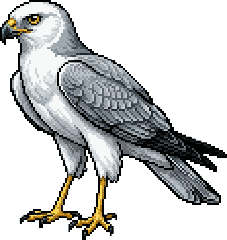 Aguilucho papialboPallid HarrierCircus macrourus
- ComúnCommon
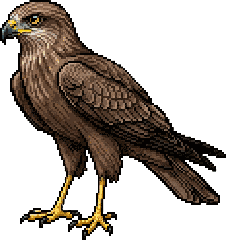 Milano negroBlack KiteMilvus migrans
 Gratis, sin anuncios ni comprasFree, no ads, no purchases