 BirdPedy
Aguilucho papialboPallid Harrier
En 30 provincias en abril y en 1 en junioIn 30 provinces in April and 1 in June
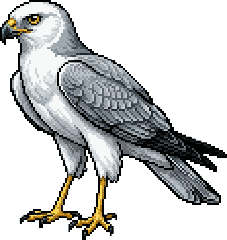
Reporte de rarezaRarity report
Por qué es raroWhy it is rareMigrador e invernante escaso procedente de las estepas orientales, observado puntualmente en áreas abiertas y dehesas peninsulares.Scarce migrant and winterer from eastern steppes, observed occasionally in open areas and dehesas.
Cada carrizo es un mes: su altura, las provincias con registros de 2020 a 2024.Each reed is a month: its height, the provinces with records from 2020 to 2024.- Provincias con registrosProvinces with records
- 44 de 52of 52
- En la appIn the app
- Marzo a mayoMarch to May
- EnvergaduraWingspan
- 1-1,2 m1-1.2 m
- LongitudLength
- 40-50 cm40-50 cm
- Lista Roja de EspañaSpanish Red List
- NE No evaluada en EspañaNot assessed in Spain

Información generalGeneral Information
El aguilucho papialbo ha dejado de considerarse un ave ocasional en España, y cada vez es menos infrecuente verlo durante sus migraciones prenupciales surcar los cielos peninsulares, lo que sugiere el posible establecimiento de una nueva ruta migratoria para la especie. Existen registros de individuos que, de manera puntual, hacen aquí la invernada, así como de su hibridación ocasional con aguiluchos cenizos.The Pallid Harrier is a traveler of increasing frequency. Once a rarity, it is now recorded every year during its migration through Spain. Some individuals have even begun to spend the winter in our southern marshes. Its elegant, ghost-like silhouette skimming over a field is a highlight of the spring migration. It is a symbol of how bird distributions are shifting as the steppes of the East become more connected to our own landscapes.
IdentificaciónIdentification
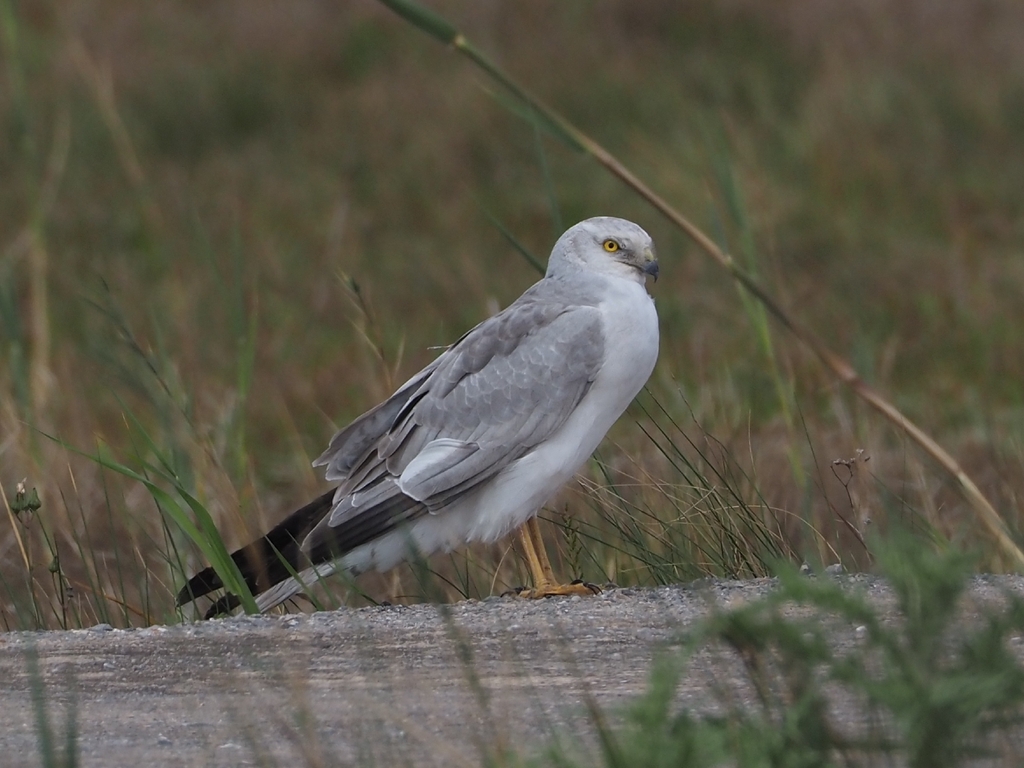
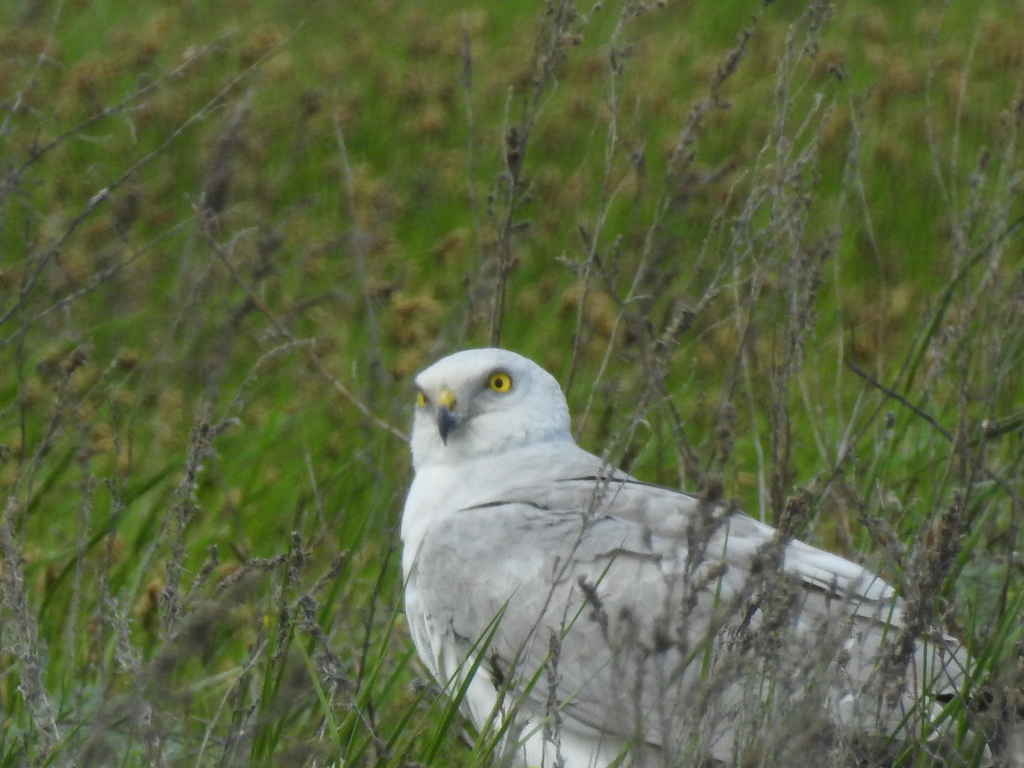
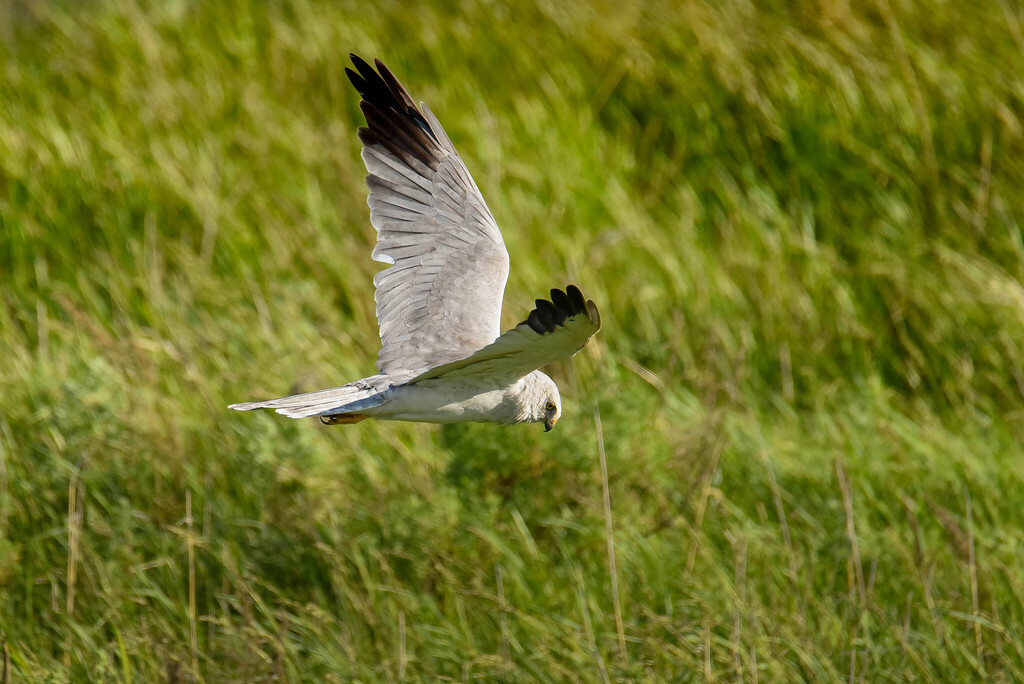
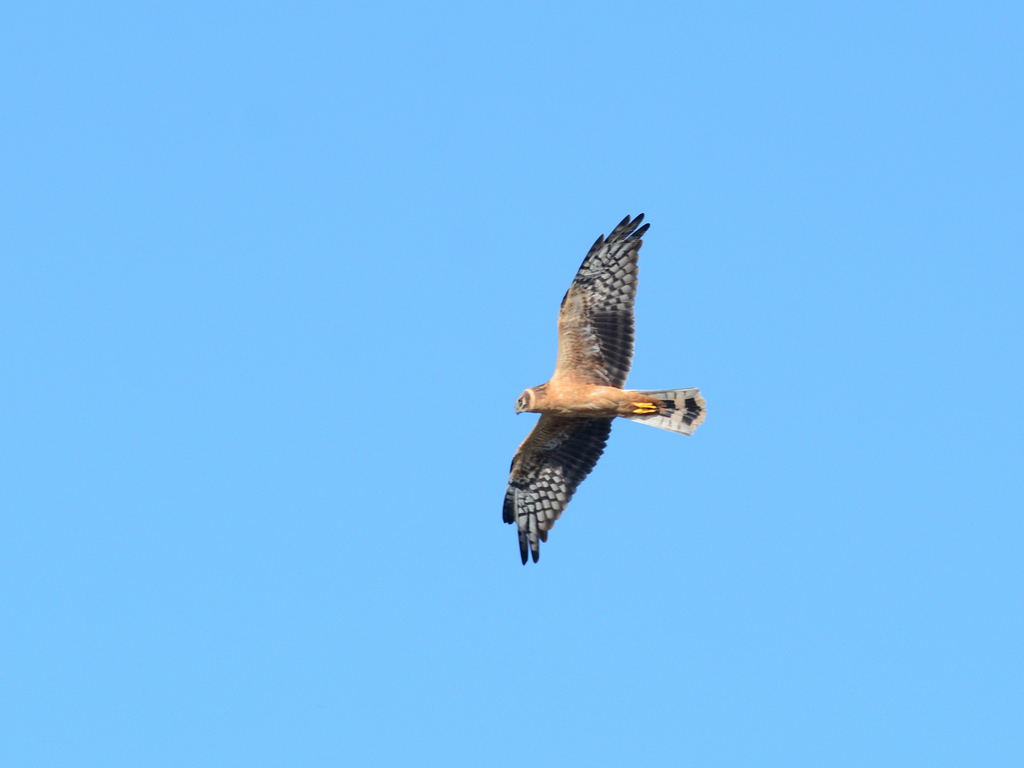
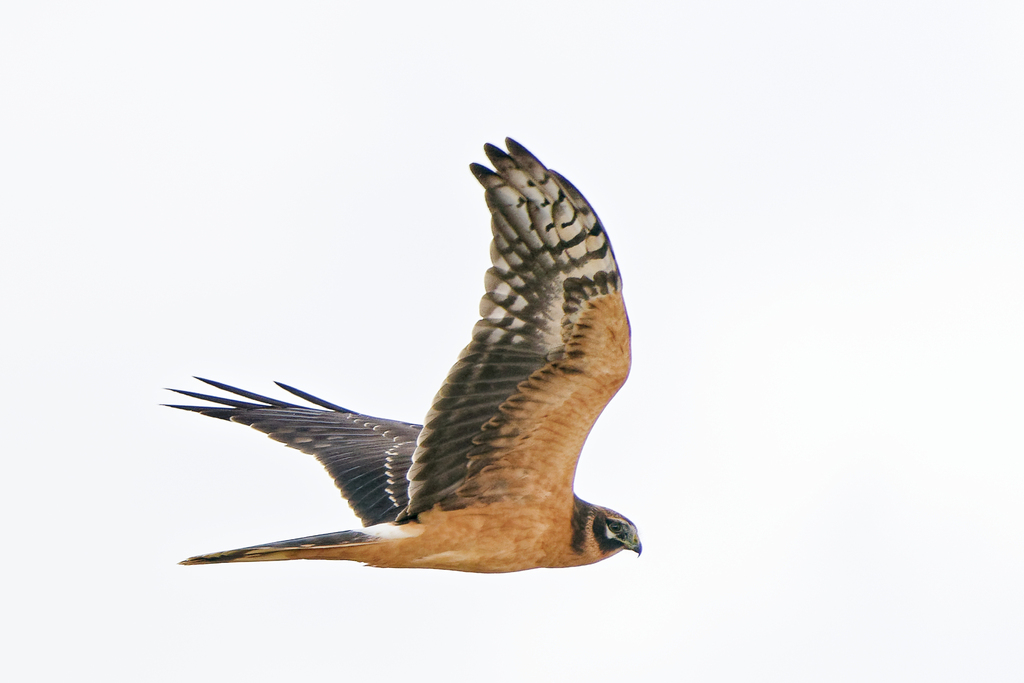
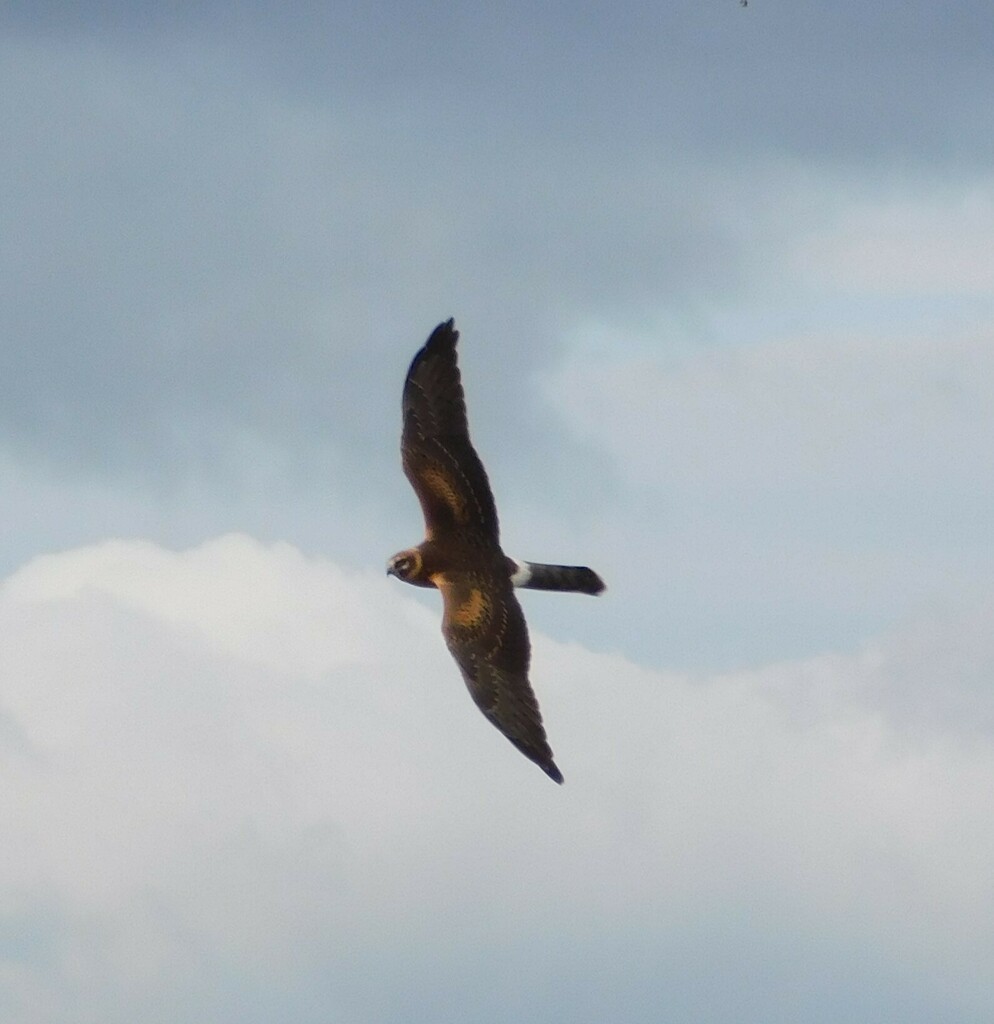
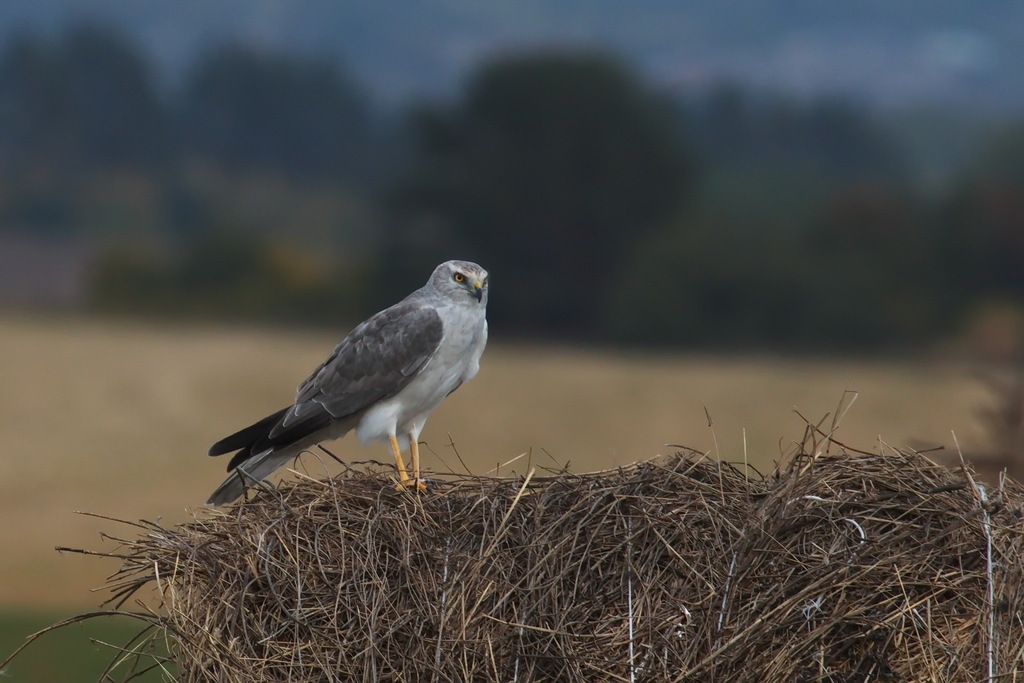
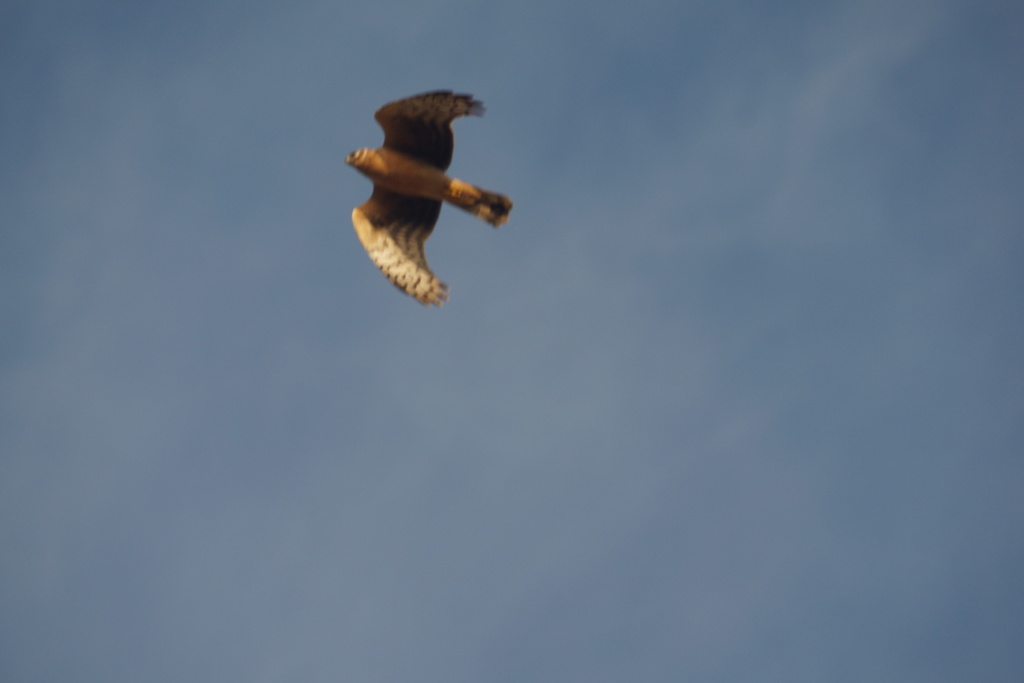
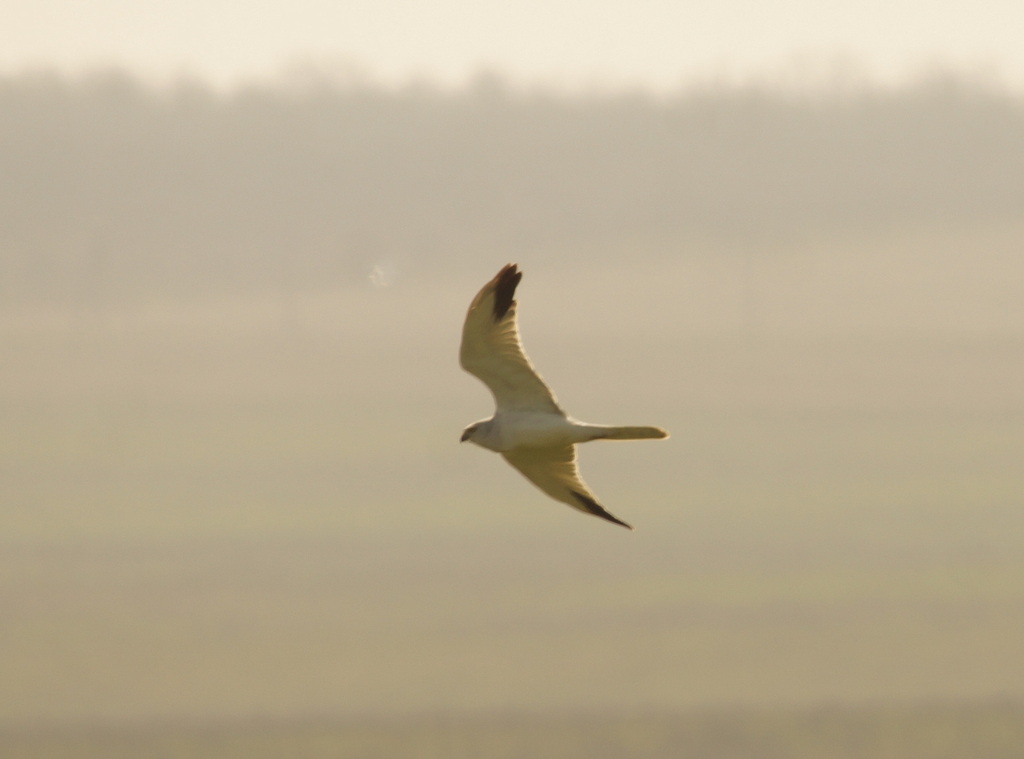
El aguilucho papialbo es similar a los aguiluchos pálido y cenizo, tanto en aspecto como en tamaño. Los machos adultos se distinguen con facilidad por su color, casi del todo gris claro en las partes dorsales y blanco en las ventrales, a excepción de los extremos de las alas, donde se dibujan unas estrechas cuñas negras. En las hembras adultas, cuyo plumaje resulta en general más parecido a las del aguilucho pálido que a las del cenizo, las barras alares se difuminan mucho hacia la parte pegada al cuerpo, sobre ambos lados de las alas. Los jóvenes, rojizos como los del aguilucho cenizo, presentan un distintivo collar amarillento, seguido de otro negro e incompleto, este último situado ya junto a la inserción de las alas.A medium-sized, exceptionally graceful harrier. Adult males are almost purely light gray with small black wing-tips. Females and young are similar to Montagu's Harrier but distinguished by a diagnostic 'pale collar' and different wing-tip patterns. It is a migrant that breeds on the steppes of Central Asia and Eastern Europe and winters in Africa.
DistribuciónDistribution
En España, la especie se hace más presente durante su paso primaveral de forma dispersa en la mitad norte peninsular, Extremadura, oeste de Andalucía y litoral mediterráneo, y con práctica ausencia en el noroeste y el cuadrante sureste, excepto en el litoral. Es visible también en Canarias y Baleares. Como invernante resulta muy escaso pero regular, con una distribución similar a la del paso prenupcial, destacando Doñana-Cádiz, Extremadura, La Mancha, litoral entre Murcia y Castellón y el valle del Ebro. Lo habitual es la invernada de ejemplares aislados.Regular passage migrant and scarce winterer. Increasing frequency since the late 20th century. Found mainly in the Ebro Valley, Mediterranean coast, and Andalusia. Occasional in Canarias.
Textos reproducidos con permiso de laTexts translated and reproduced with permission from the Guía de Aves de España © SEO/BirdLife
Estado de conservaciónConservation Status
- EX
- RE
- CR
- EN
- VU
- NT
- LC
NE
No evaluada en EspañaNot assessed in Spain
Qué significa cada categoríaWhat each category means
- LC
- Preocupación menor: Taxón evaluado que no califica para categorías amenazadas. Especies abundantes y ampliamente distribuidasLeast Concern - Evaluated taxon that does not qualify for threatened categories. Widespread and abundant taxa
- NT
- Casi amenazada: No califica actualmente como amenazada, pero está cerca de calificar o es probable que califique en el futuro cercanoNear Threatened - Does not currently qualify as threatened, but is close to qualifying or likely to qualify in the near future
- VU
- Vulnerable: Enfrenta un alto riesgo de extinción en estado silvestre según los criterios A a E de IUCNVulnerable - Facing a high risk of extinction in the wild based on IUCN criteria A to E
- EN
- En peligro: Enfrenta un riesgo muy alto de extinción en estado silvestre según los criterios A a E de IUCNEndangered - Facing a very high risk of extinction in the wild based on IUCN criteria A to E
- CR
- En peligro crítico: Enfrenta un riesgo extremadamente alto de extinción en estado silvestre según los criterios A a E de IUCNCritically Endangered - Facing an extremely high risk of extinction in the wild based on IUCN criteria A to E
- DD
- Datos insuficientes: Información inadecuada para evaluar el riesgo de extinción basándose en distribución o estado poblacionalData Deficient - Inadequate information to assess extinction risk based on distribution and/or population status
- NE
- No evaluada: No ha sido evaluada aún contra los criterios de la Lista Roja de IUCNNot Evaluated - Has not yet been assessed against the IUCN Red List criteria
- RE
- Extinta regionalmente: El taxón ya no existe en la región específica, aunque puede sobrevivir en otros lugaresRegionally Extinct - Taxon no longer exists in the specific region, though it may survive elsewhere
- EX
- Extinta - No existe duda razonable de que ha muerto el último individuo del taxónExtinct - No reasonable doubt that the last individual of the taxon has died
TaxonomíaTaxonomy
- OrdenOrder
- Accipitriformes
- FamiliaFamily
- Accipitridae
Presencia en EspañaPresence in Spain
- De pasoPassage migrant
- HabitualRegular
En la app: marzo a mayo.In the app: March to May.
Dónde verlaWhere to see it
241 cuadrículas de 10 km con registros de 2020 a 2024. Toca un mes para ver dónde se ha visto.241 10 km squares with records from 2020 to 2024. Pick a month to see where it has been seen.
Cargando el mapa…Loading the map…
Dónde es regularWhere it is regular
Provincias con registros en al menos 3 de los 5 años algún mes, de más a menos frecuente, y sus mejores meses.Provinces with records in at least 3 of the 5 years in some month, from most to least frequent, and their best months.
- TeruelTerueldiciembreDecember
- HuelvaHuelvanoviembre, diciembre, eneroNovember, December, January
- MurciaMurciaenero, marzo, febreroJanuary, March, February
- SevillaSevilladiciembre, enero, febreroDecember, January, February
- HuescaHuescaenero, octubre, septiembreJanuary, October, September
- ValenciaValenciadiciembreDecember
- BalearesBalearic Islandsoctubre, abrilOctober, April
- CádizCádiznoviembre, septiembre, febreroNovember, September, February
- GironaGironaabrilApril
- Las PalmasLas PalmasmarzoMarch
Ver las 19 provinciasSee all 19 provinces
- LleidaLleidaseptiembre, abrilSeptember, April
- AsturiasAsturiasmayo, abrilMay, April
- ZaragozaZaragozafebrero, marzoFebruary, March
- NavarraNavarraabril, septiembreApril, September
- CáceresCáceresfebrero, septiembre, eneroFebruary, September, January
- BarcelonaBarcelonaseptiembreSeptember
- MálagaMálagaseptiembre, abrilSeptember, April
- MadridMadridmarzoMarch
- BadajozBadajozabrilApril
Datos: registros en GBIF de 2020 a 2024 de Observation.org, eBird, iNaturalist y el ICO, descargados el 23/10/2026.Data: GBIF records from 2020 to 2024 from Observation.org, eBird, iNaturalist and the ICO, downloaded on 23/10/2026. GBIF.org (23 October 2026) GBIF Occurrence Download · doi:10.15468/dl.r5sf2a · CC BY-NC 4.0
GaleríaGallery
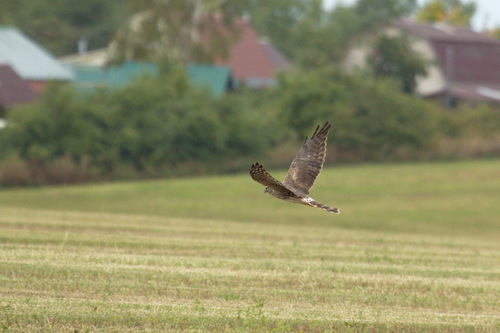
© Вячеслав Юсупов · CC BY · iNaturalist 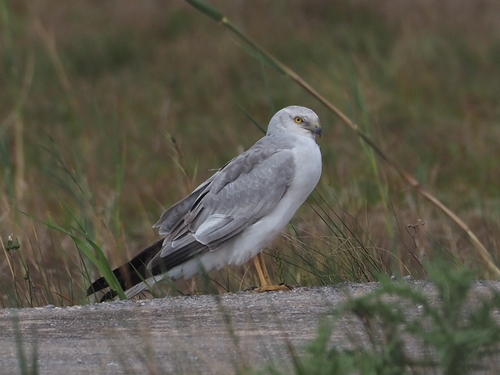
© Katerina Kalogerini · CC BY · iNaturalist 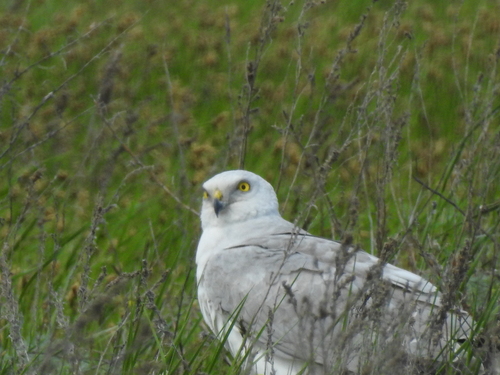
© Ксения Волянская · CC BY · iNaturalist 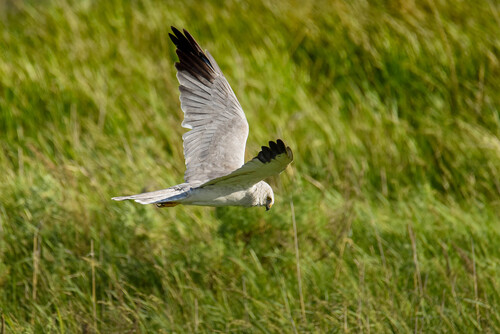
© Настя Бухвалова · CC BY · iNaturalist 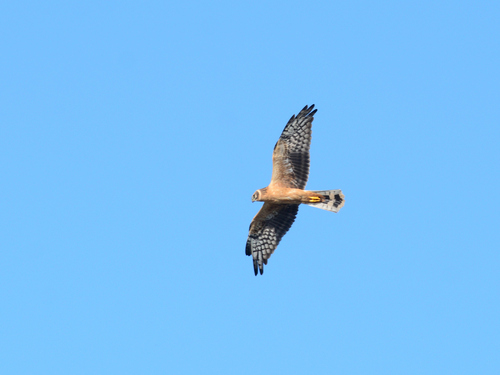
© Борис Георги · CC BY · iNaturalist 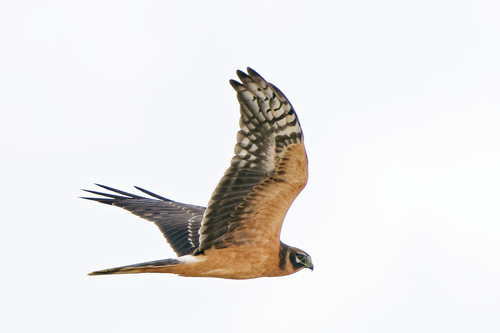
© Mikael Nyman · CC BY · iNaturalist 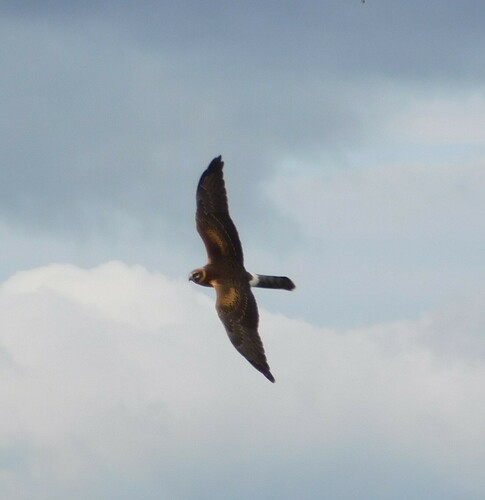
© Григорий Потапов · CC BY · iNaturalist 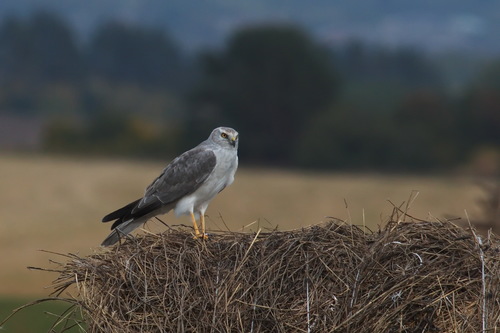
© Вячеслав Юсупов · CC BY · iNaturalist 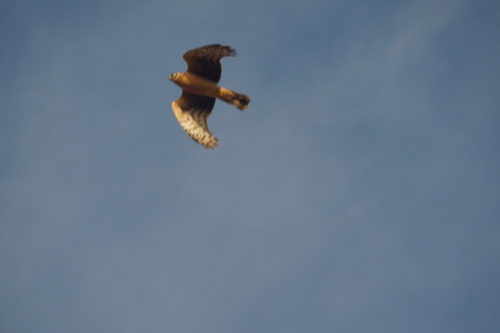
© SIA · CC BY · iNaturalist 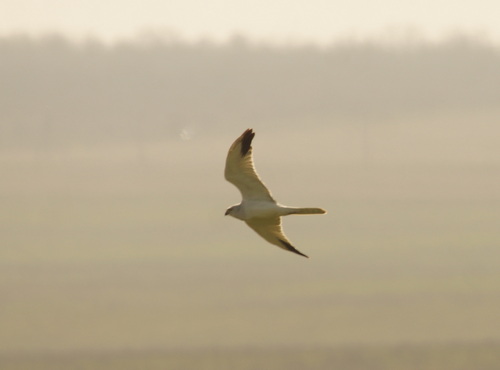
© SIA · CC BY · iNaturalist
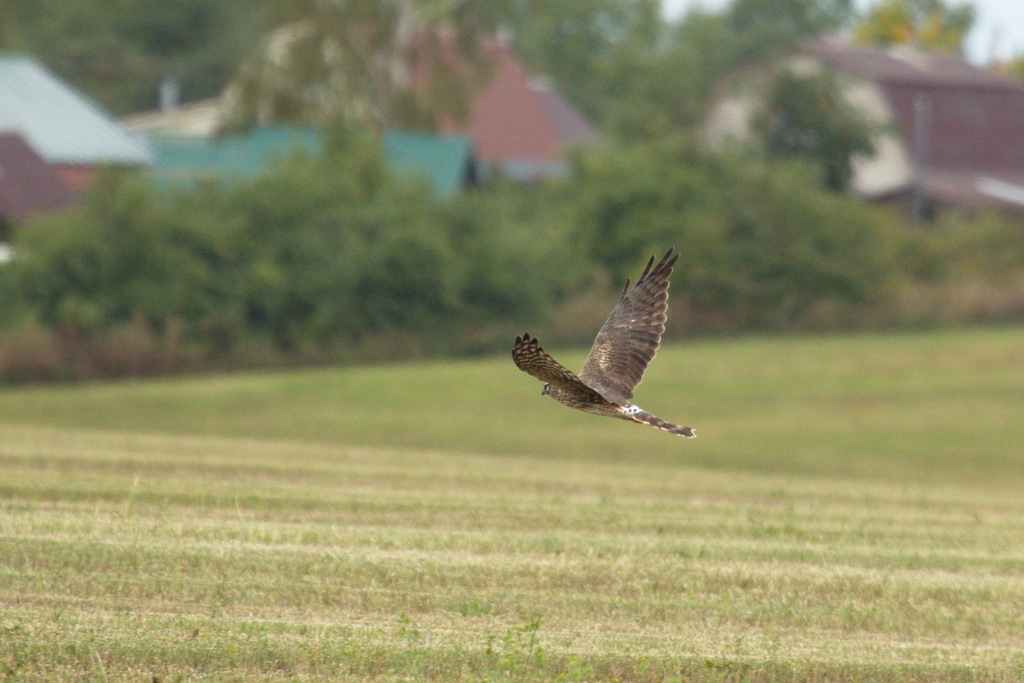
Especies relacionadasRelated species
Otras aves de la familia Accipitridae y de órdenes cercanos.Other birds from the Accipitridae family and nearby orders.
- ComúnCommon
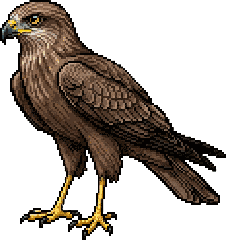 Milano negroBlack KiteMilvus migrans
- LegendarioLegendary
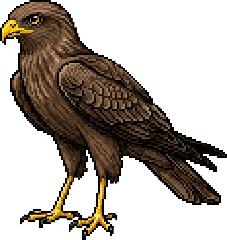 Milano piquigualdoYellow-billed KiteMilvus aegyptius
- ÉpicoEpic
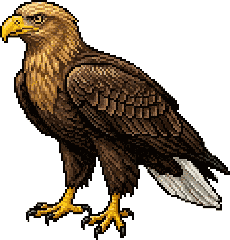 Pigargo europeoWhite-tailed EagleHaliaeetus albicilla
- ÉpicoEpic
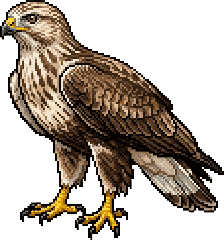 Busardo calzadoRough-legged BuzzardButeo lagopus
- RaroRare
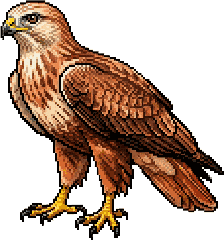 Busardo moroLong-legged BuzzardButeo rufinus
- LegendarioLegendary
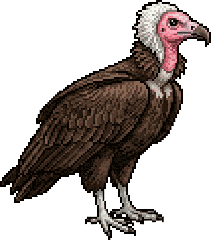 Alimoche sombríoHooded VultureNecrosyrtes monachus
- Poco comúnUncommon
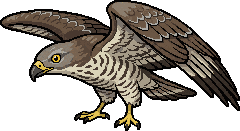 Abejero europeoEuropean Honey BuzzardPernis apivorus
- Poco comúnUncommon
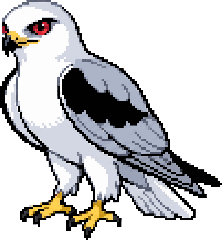 Elanio comúnBlack-winged KiteElanus caeruleus
 Gratis, sin anuncios ni comprasFree, no ads, no purchases