 BirdPedy
Cisne vulgarMute Swan
En 31 provincias en abril y en 27 en febreroIn 31 provinces in April and 27 in February
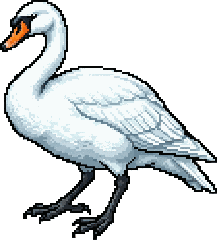
Reporte de rarezaRarity report
Por qué es poco comúnWhy it is uncommonPresente principalmente como ave ornamental asilvestrada. Existen pequeñas poblaciones reproductoras establecidas en el Delta del Ebro y otros humedales catalanes y levantinos.Mainly present as feral ornamental bird. Small breeding populations established in Ebro Delta and other wetlands.
Cada carrizo es un mes: su altura, las provincias con registros de 2020 a 2024.Each reed is a month: its height, the provinces with records from 2020 to 2024.- Provincias con registrosProvinces with records
- 42 de 52of 52
- En la appIn the app
- Todo el añoAll year
- EnvergaduraWingspan
- 208-238 cm208-238 cm
- LongitudLength
- 145-160 cm145-160 cm
- Lista Roja de EspañaSpanish Red List
- NE No evaluada en EspañaNot assessed in Spain

Información generalGeneral Information
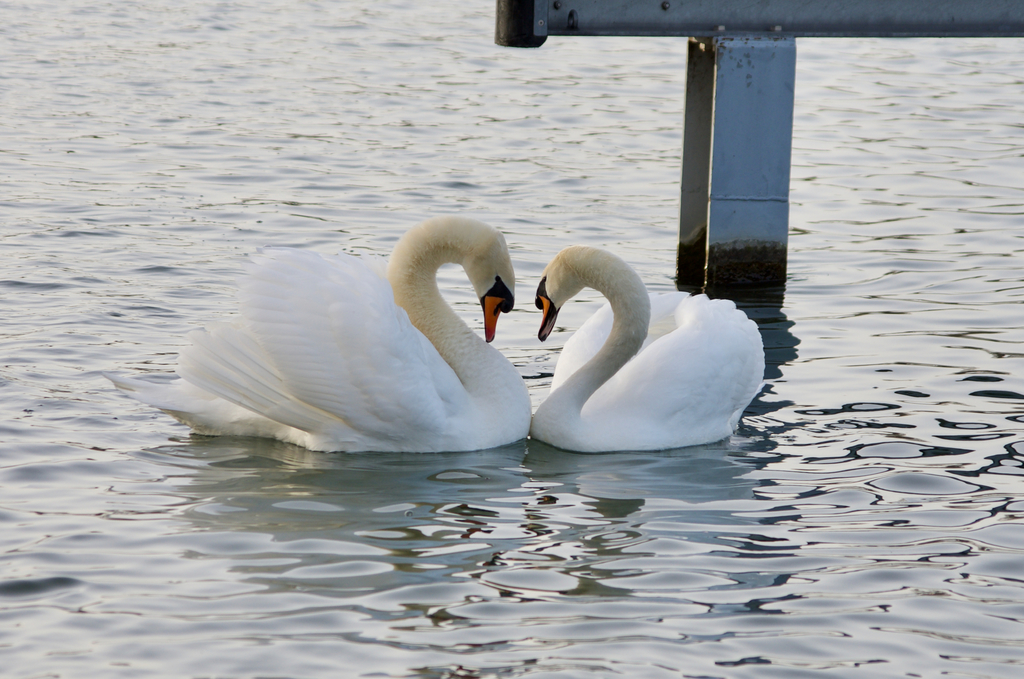
Ave inconfundible por su enorme tamaño, su blanco plumaje y su larguísimo cuello, el cisne vulgar es un visitante ocasional de las zonas costeras del norte peninsular. Además de estos escasos viajeros, procedentes del centro y norte de Europa, en nuestro país existen algunos pequeños núcleos reproductores de aves semisalvajes procedentes de las numerosas introducciones de la especie que se han llevado a cabo en parques y jardines.The Mute Swan is a symbol of elegance, but it is also a powerful and territorial bird. Most swans seen in Spain are 'semi-wild' individuals stemming from old introductions in ornamental lakes. However, wild populations exist in Catalonia, Cantabria, and Almería that are now self-sustaining. In very cold winters, 'true' wild swans from the north may visit our costs. It is an unmistakable masterpiece of waterbird life.
IdentificaciónIdentification
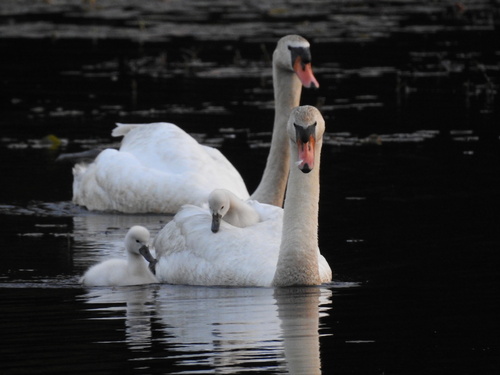
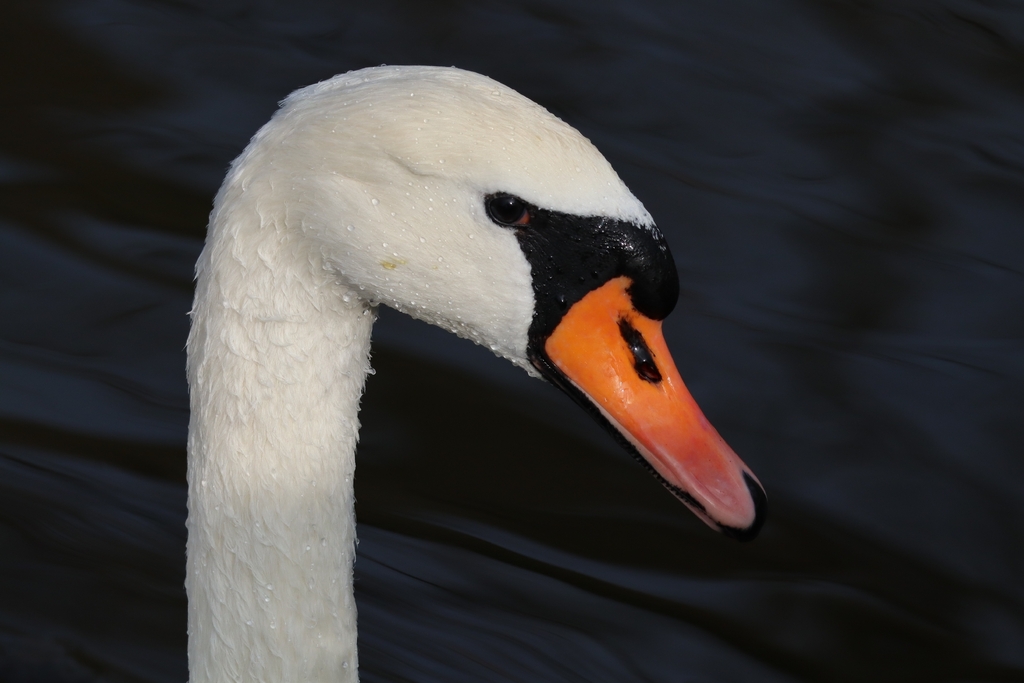
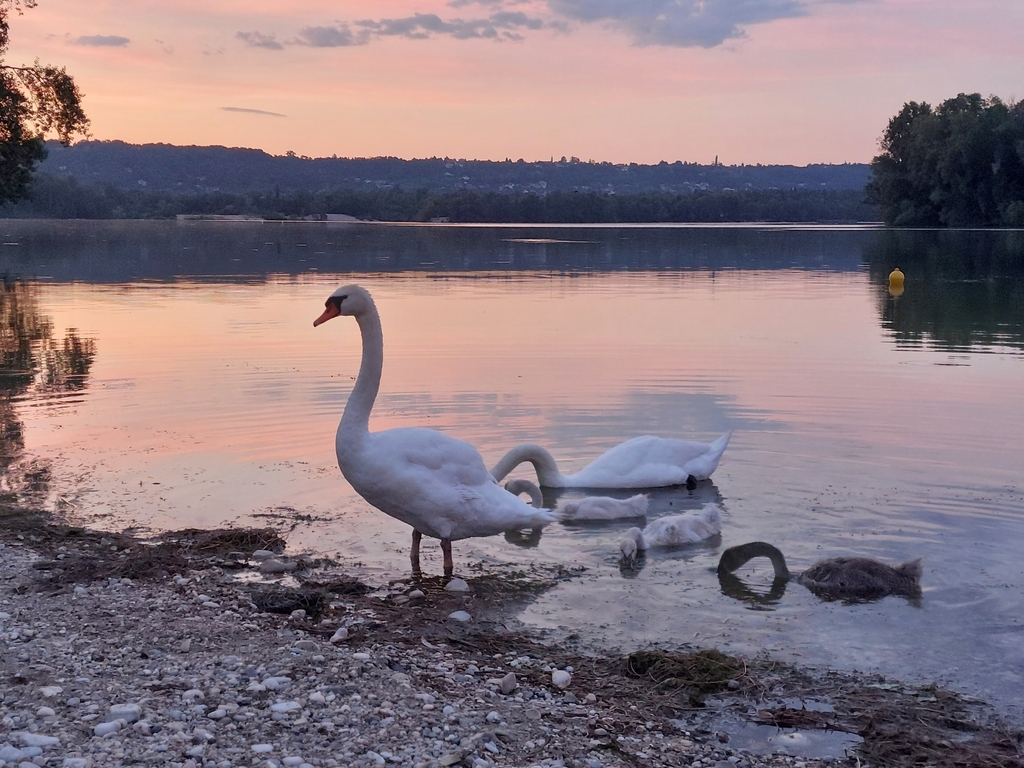
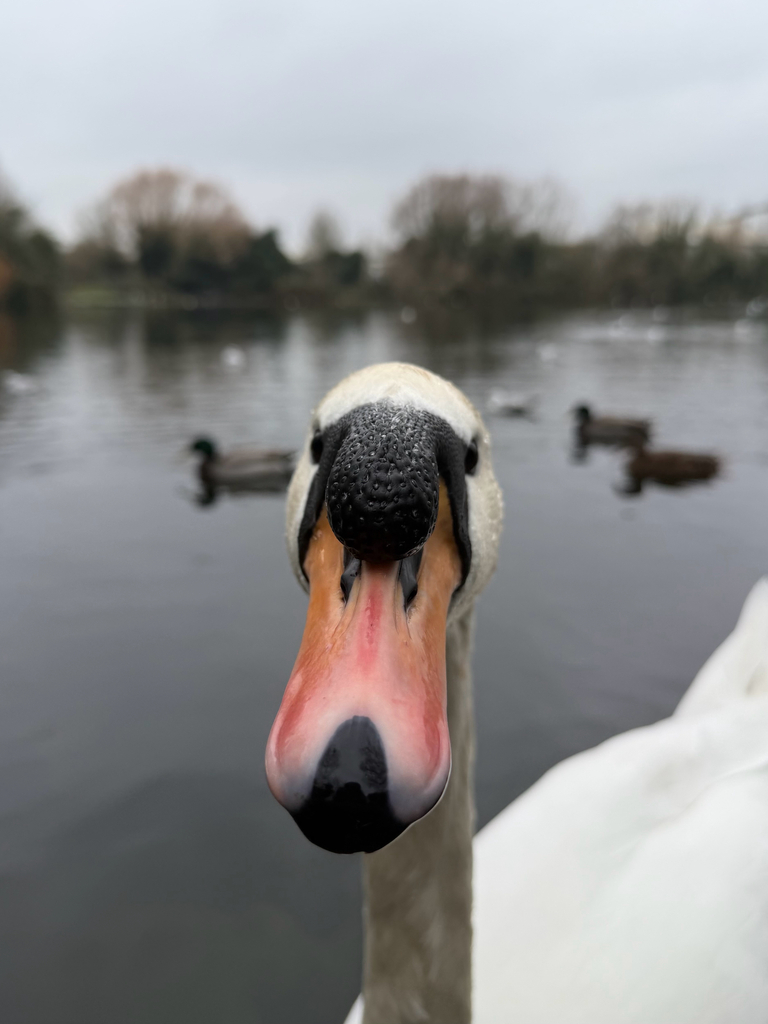
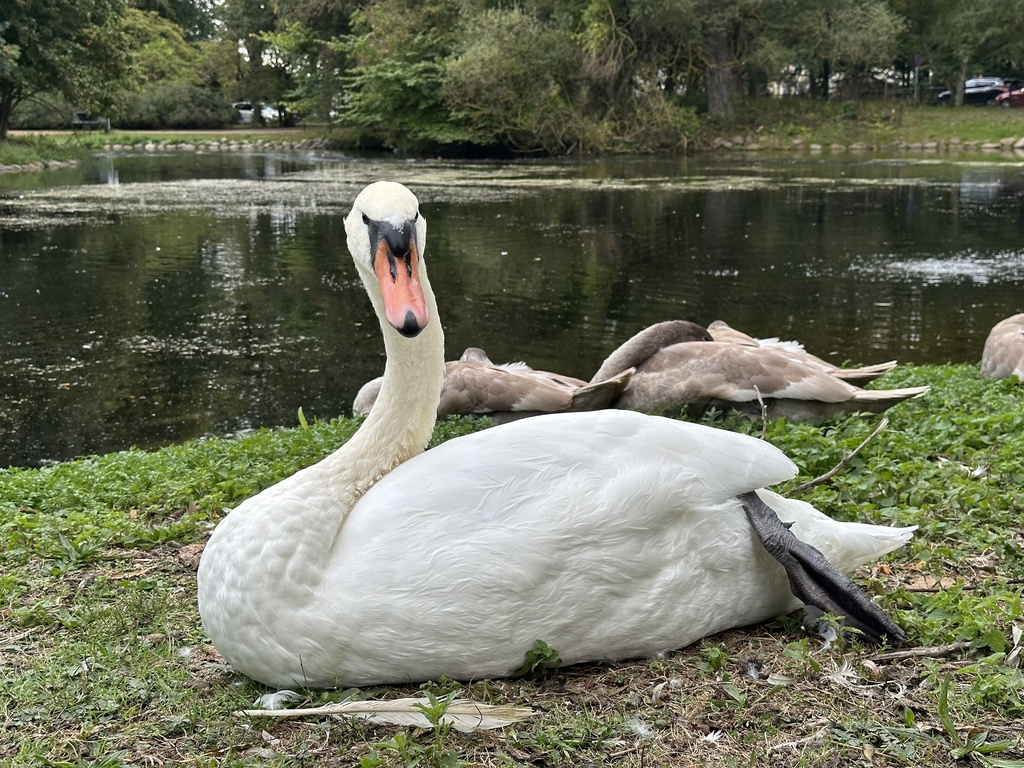
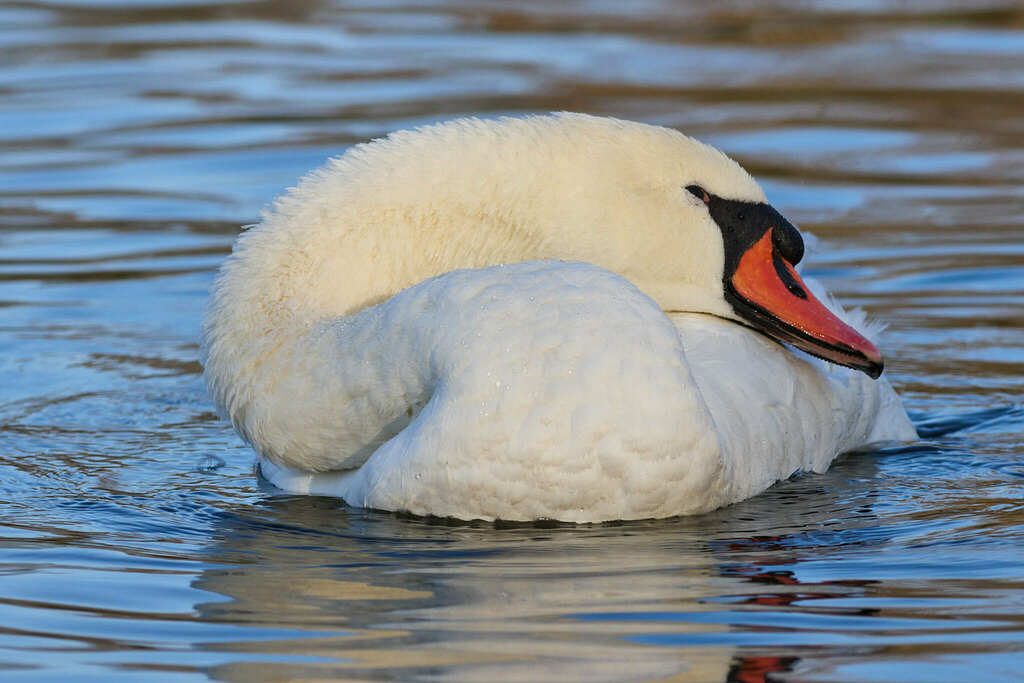
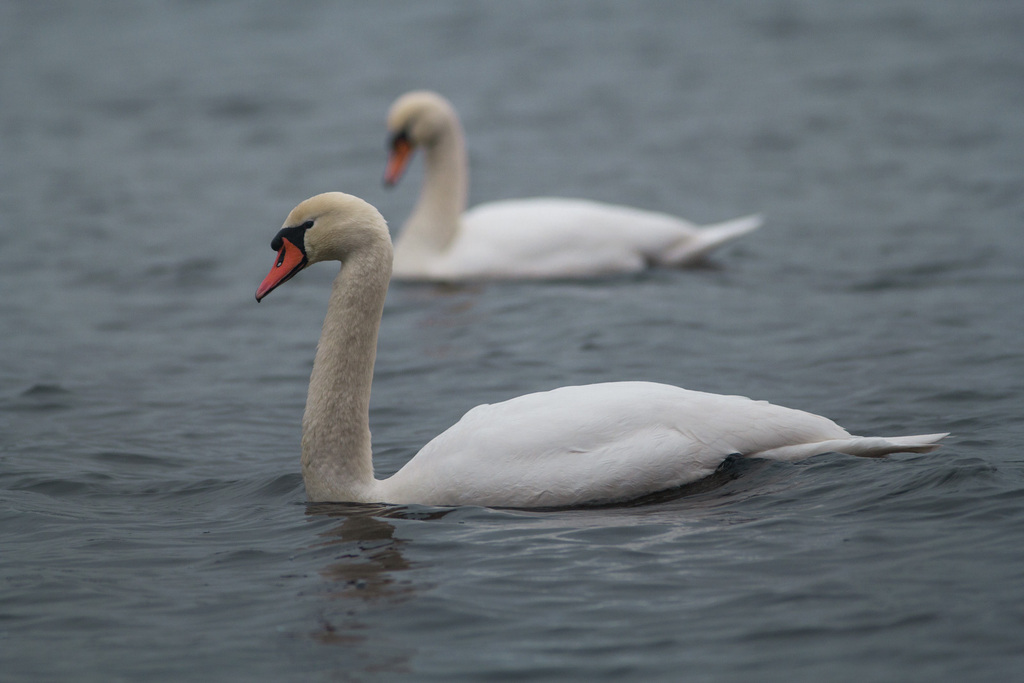
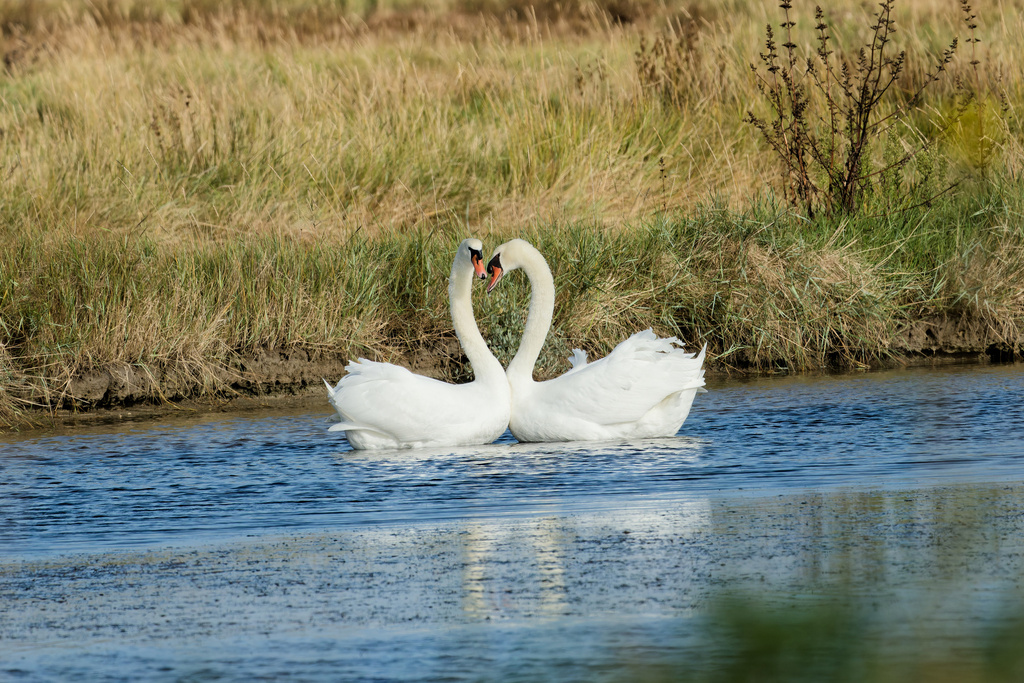
El cisne vulgar es el mayor de los cisnes europeos. De largo cuello y plumaje completamente blanco, posee unas cortas y fuertes patas de color negro, así como un pico anaranjado con los bordes negros y una gran protuberancia, también negra, en la base de la mandíbula superior. Los jóvenes, pardo-grisáceos y con el pico de color gris, adquieren el plumaje definitivo del adulto al segundo invierno de vida El voluminoso cuerpo del cisne vulgar, unido a la escasa longitud de sus patas, hace que sus movimientos resulten bastante torpes en el suelo. No así sobre el agua, por donde se desplaza majestuosamente, o al ejecutar su potente vuelo, durante el cual adopta una postura muy característica, con el largo cuello estirado, que lo hace fácilmente reconocible.The largest and most iconic of the European swans. It has a pure white plumage, a long S-shaped neck, and a diagnostic orange bill with a large black 'knob' at the base. It is famous for its graceful posture and silent nature (though it can hiss fiercely). While it is a common introduced bird in parks and gardens across Spain, wild birds from northern Europe also arrive as rare winter visitors during exceptionally cold years.
DistribuciónDistribution
Durante el invierno, sobre todo en años particularmente fríos, algunos ejemplares de cisne vulgar, siempre en escaso número, procedentes del centro y norte de Europa, así como de Francia, llegan al norte peninsular, donde se instalan fundamentalmente en las zonas costeras. Nuestro país cuenta, además, con algunos núcleos semisalvajes reproductores en Cataluña, Cantabria y Almería, procedentes de las numerosas introducciones llevadas a cabo con fines ornamentales.Introduced/Naturalized nuclei in Catalonia, Cantabria, and Almería. Rare wild winter visitor from Europe to the northern coasts. Resident/Invernante. Subspecies 'olor'.
Textos reproducidos con permiso de laTexts translated and reproduced with permission from the Guía de Aves de España © SEO/BirdLife
Estado de conservaciónConservation Status
- EX
- RE
- CR
- EN
- VU
- NT
- LC
NE
No evaluada en EspañaNot assessed in Spain
Sin categoría en el Libro Rojo de las Aves de España 2021No category in the Red Book of the Birds of Spain 2021
Qué significa cada categoríaWhat each category means
- LC
- Preocupación menor: Taxón evaluado que no califica para categorías amenazadas. Especies abundantes y ampliamente distribuidasLeast Concern - Evaluated taxon that does not qualify for threatened categories. Widespread and abundant taxa
- NT
- Casi amenazada: No califica actualmente como amenazada, pero está cerca de calificar o es probable que califique en el futuro cercanoNear Threatened - Does not currently qualify as threatened, but is close to qualifying or likely to qualify in the near future
- VU
- Vulnerable: Enfrenta un alto riesgo de extinción en estado silvestre según los criterios A a E de IUCNVulnerable - Facing a high risk of extinction in the wild based on IUCN criteria A to E
- EN
- En peligro: Enfrenta un riesgo muy alto de extinción en estado silvestre según los criterios A a E de IUCNEndangered - Facing a very high risk of extinction in the wild based on IUCN criteria A to E
- CR
- En peligro crítico: Enfrenta un riesgo extremadamente alto de extinción en estado silvestre según los criterios A a E de IUCNCritically Endangered - Facing an extremely high risk of extinction in the wild based on IUCN criteria A to E
- DD
- Datos insuficientes: Información inadecuada para evaluar el riesgo de extinción basándose en distribución o estado poblacionalData Deficient - Inadequate information to assess extinction risk based on distribution and/or population status
- NE
- No evaluada: No ha sido evaluada aún contra los criterios de la Lista Roja de IUCNNot Evaluated - Has not yet been assessed against the IUCN Red List criteria
- RE
- Extinta regionalmente: El taxón ya no existe en la región específica, aunque puede sobrevivir en otros lugaresRegionally Extinct - Taxon no longer exists in the specific region, though it may survive elsewhere
- EX
- Extinta - No existe duda razonable de que ha muerto el último individuo del taxónExtinct - No reasonable doubt that the last individual of the taxon has died
TaxonomíaTaxonomy
- OrdenOrder
- Anseriformes
- FamiliaFamily
- Anatidae
Presencia en EspañaPresence in Spain
- HabitualRegular
- InvernanteWinter visitor
- ResidenteResident
En la app: todo el año.In the app: all year.
Dónde verlaWhere to see it
306 cuadrículas de 10 km con registros de 2020 a 2024. Toca un mes para ver dónde se ha visto.306 10 km squares with records from 2020 to 2024. Pick a month to see where it has been seen.
Cargando el mapa…Loading the map…
Dónde es regularWhere it is regular
Provincias con registros en al menos 3 de los 5 años algún mes, de más a menos frecuente, y sus mejores meses.Provinces with records in at least 3 of the 5 years in some month, from most to least frequent, and their best months.
- CantabriaCantabriadiciembre, enero, febreroDecember, January, February
- GuipúzcoaGuipúzcoadiciembre, julio, febreroDecember, July, February
- NavarraNavarraseptiembre, diciembre, febreroSeptember, December, February
- A CoruñaA Coruñaenero, febrero, diciembreJanuary, February, December
- La RiojaLa Riojafebrero, enero, noviembreFebruary, January, November
- VizcayaVizcayamayo, julio, septiembreMay, July, September
- ZaragozaZaragozaenero, marzo, febreroJanuary, March, February
- GironaGironaabril, febrero, diciembreApril, February, December
- LleidaLleidamarzo, mayo, octubreMarch, May, October
- PontevedraPontevedraenero, noviembre, diciembreJanuary, November, December
Ver las 25 provinciasSee all 25 provinces
- OurenseOurensediciembre, octubre, noviembreDecember, October, November
- PalenciaPalenciafebrero, octubre, noviembreFebruary, October, November
- LugoLugodiciembre, noviembre, octubreDecember, November, October
- BalearesBalearic Islandsfebrero, enero, marzoFebruary, January, March
- AlicanteAlicantediciembre, noviembre, julioDecember, November, July
- SevillaSevillafebrero, mayo, eneroFebruary, May, January
- MadridMadridjunio, mayo, febreroJune, May, February
- BadajozBadajozfebrero, septiembre, noviembreFebruary, September, November
- HuescaHuescamayo, febrero, marzoMay, February, March
- CáceresCáceresagosto, enero, noviembreAugust, January, November
- ToledoToledojunioJune
- AsturiasAsturiasjulio, diciembre, octubreJuly, December, October
- BarcelonaBarcelonanoviembre, diciembre, marzoNovember, December, March
- MálagaMálaganoviembre, febreroNovember, February
- TarragonaTarragonaseptiembreSeptember
Datos: registros en GBIF de 2020 a 2024 de Observation.org, eBird, iNaturalist y el ICO, descargados el 23/10/2026.Data: GBIF records from 2020 to 2024 from Observation.org, eBird, iNaturalist and the ICO, downloaded on 23/10/2026. GBIF.org (23 October 2026) GBIF Occurrence Download · doi:10.15468/dl.r5sf2a · CC BY-NC 4.0
GaleríaGallery
© Laura Mae · CC BY · iNaturalist 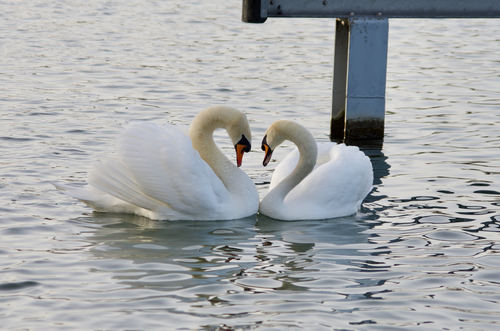
© Codrin Bucur · CC BY · iNaturalist 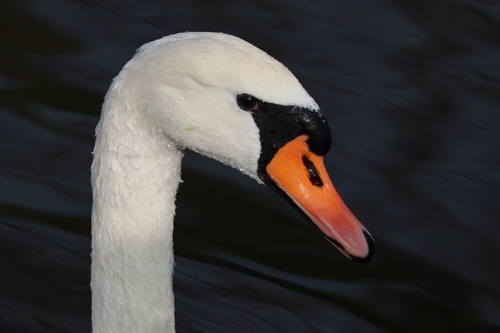
© Radu Teodoreanu · CC BY · iNaturalist 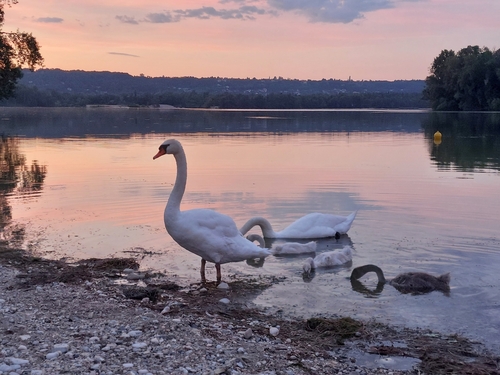
© Thomas Koffel · CC BY · iNaturalist 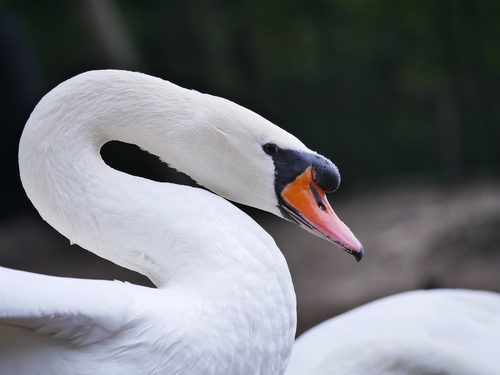
© Alexis Tinker-Tsavalas · CC BY · iNaturalist 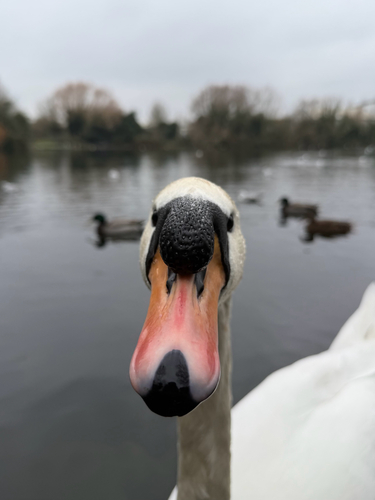
© Holly Hodges · CC BY · iNaturalist 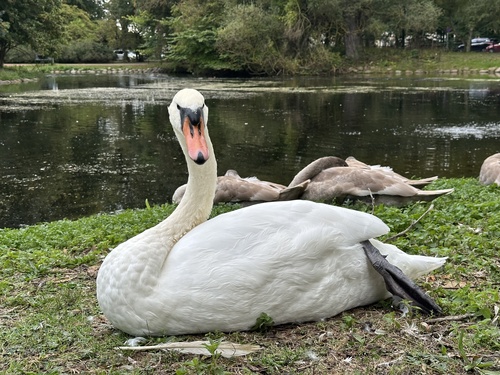
© L. Westerlund · CC BY · iNaturalist 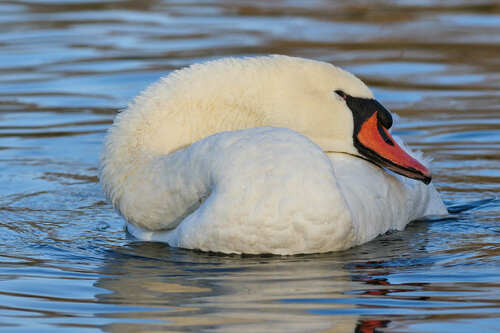
© Nathan Mesnildrey · CC BY · iNaturalist 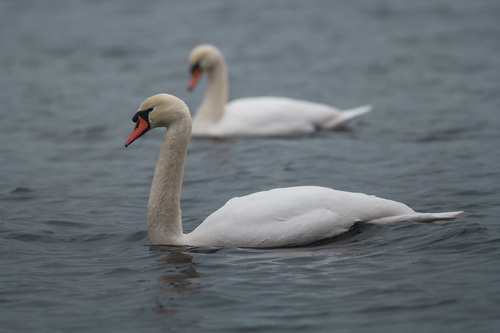
© Mykola Borysenko · CC BY · iNaturalist 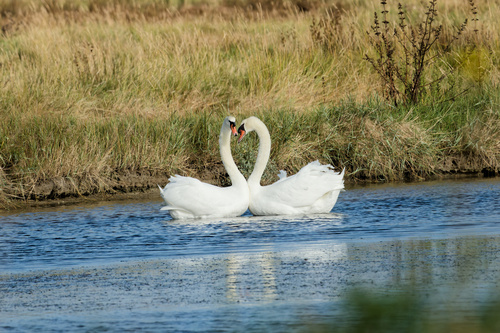
© Donald Davesne · CC BY · iNaturalist
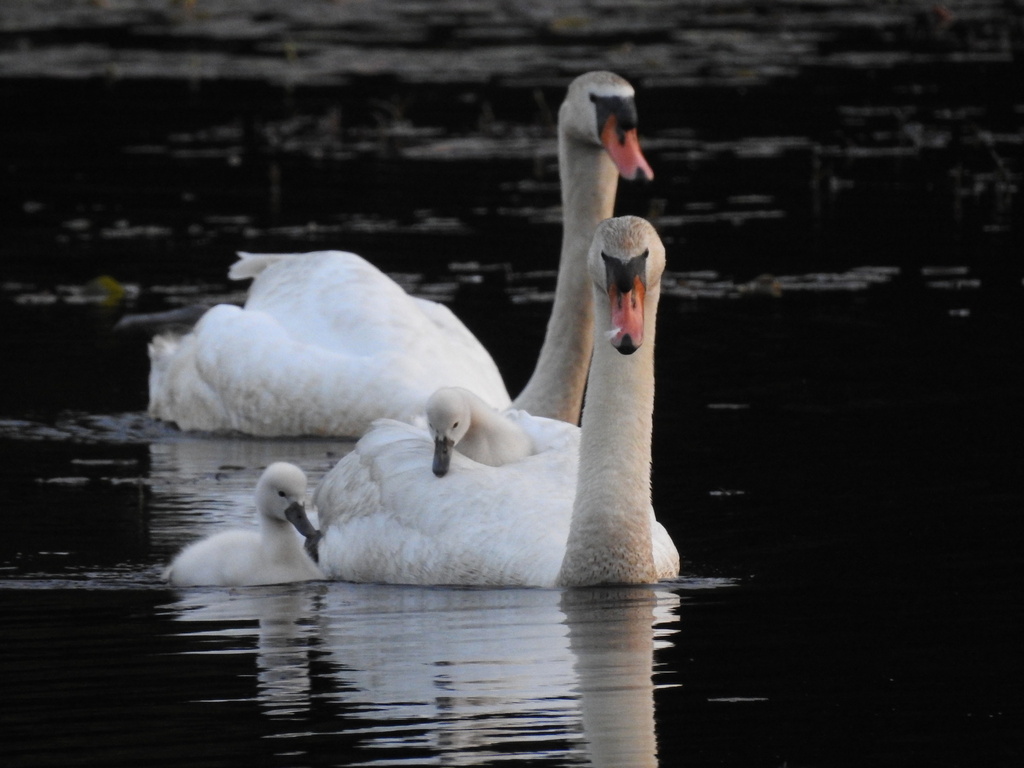

Especies relacionadasRelated species
Otras aves de la familia Anatidae y de órdenes cercanos.Other birds from the Anatidae family and nearby orders.
- LegendarioLegendary
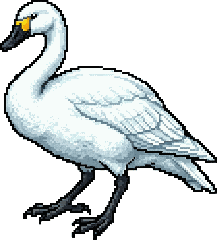 Cisne chicoBewick's SwanCygnus columbianus
- ÉpicoEpic
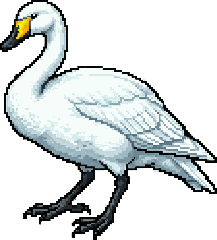 Cisne cantorWhooper SwanCygnus cygnus
- ÉpicoEpic
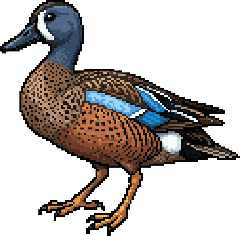 Cerceta aliazulBlue-winged TealSpatula discors
- Poco comúnUncommon
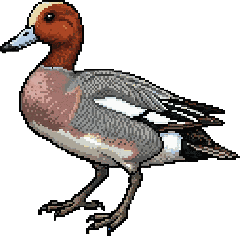 Silbón europeoEurasian WigeonMareca penelope
- ÉpicoEpic
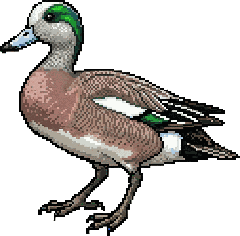 Silbón americanoAmerican WigeonMareca americana
- ÉpicoEpic
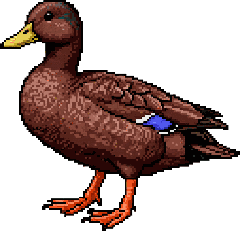 Ánade sombríoAmerican Black DuckAnas rubripes
- ÉpicoEpic
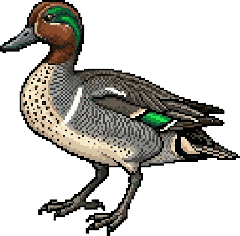 Cerceta americanaAmerican Green-winged TealAnas carolinensis
- RaroRare
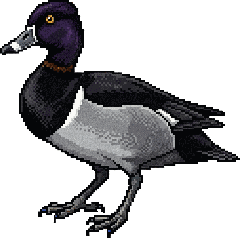 Porrón acollaradoRing-necked DuckAythya collaris
 Gratis, sin anuncios ni comprasFree, no ads, no purchases