 BirdPedy
Correlimos de TemminckTemminck's Stint
En 39 provincias en septiembre y sin registros un mes del añoIn 39 provinces in September, and no records in one month of the year
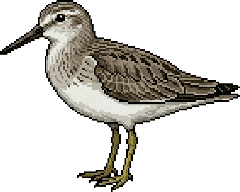
Reporte de rarezaRarity report
Por qué es poco comúnWhy it is uncommonEntre 2020 y 2024 se vio en España en 716 ocasiones distintas, que suman 1.064 días, todos los años (datos de Observation.org, eBird, iNaturalist y el ICO publicados en GBIF). En la provincia mediana, 1 de cada 12.000 registros de aves es suyo. En la guía de aves de SEO/BirdLife figura como habitual en España.Between 2020 and 2024 it was seen in Spain on 716 separate occasions, adding up to 1,064 days, every year (data from Observation.org, eBird, iNaturalist and ICO published on GBIF). In the median province, 1 in every 12,000 bird records is of this species. SEO/BirdLife's bird guide lists it as regular in Spain.
Cada carrizo es un mes: su altura, las provincias con registros de 2020 a 2024.Each reed is a month: its height, the provinces with records from 2020 to 2024.- Provincias con registrosProvinces with records
- 43 de 52of 52
- En la appIn the app
- Marzo a mayo y de julio a octubreMarch to May and July to October
- EnvergaduraWingspan
- 34-37 cm34-37 cm
- LongitudLength
- 13,5-15 cm13.5-15 cm
- Lista Roja de EspañaSpanish Red List
- DD Datos insuficientesData Deficient

Información generalGeneral Information
Este pequeño correlimos recuerda al andarríos chico por su forma alargada y su babero oscuro. Su presencia, escasa pero regular, puede detectarse en muchos humedales de nuestro territorio, en especial los situados hacia el interior en verano y otoño y los mediterráneos en primavera.The Temminck's Stint is the forest-dweller of the stint world. While the Little Stint loves broad mudflats, Temminck's prefers small, sheltered pools and riverbanks. It is a regular but scarce visitor to Spain. Its energetic, trilling call and the habit of towering high when flushed are very characteristic. It is a quiet, cryptic bird that adds a touch of the Siberian marshland to our inland wetlands.
IdentificaciónIdentification
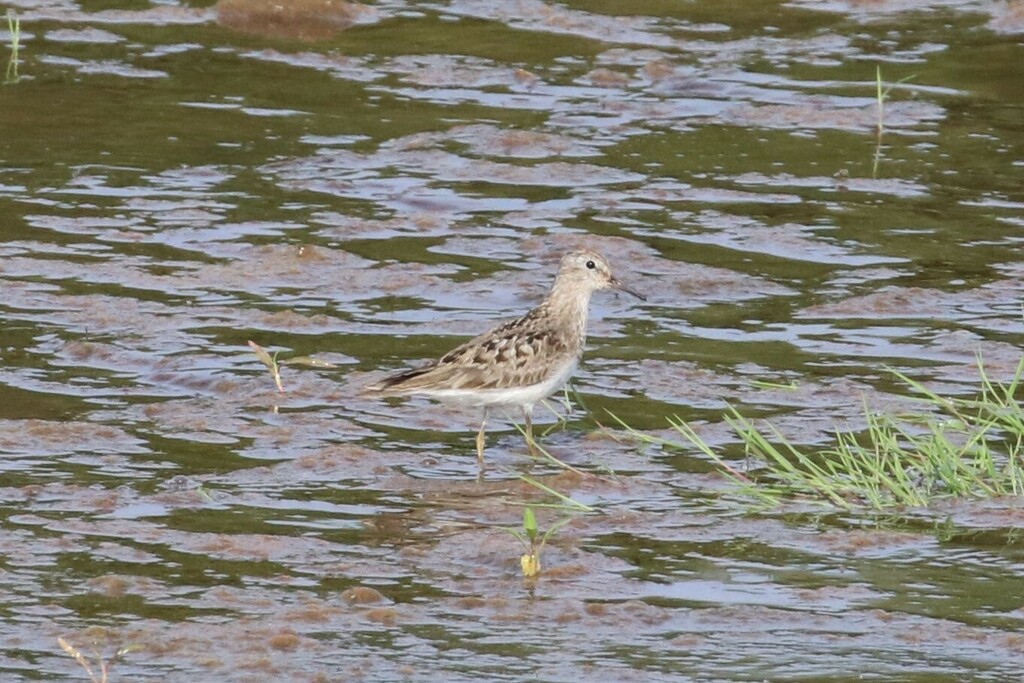
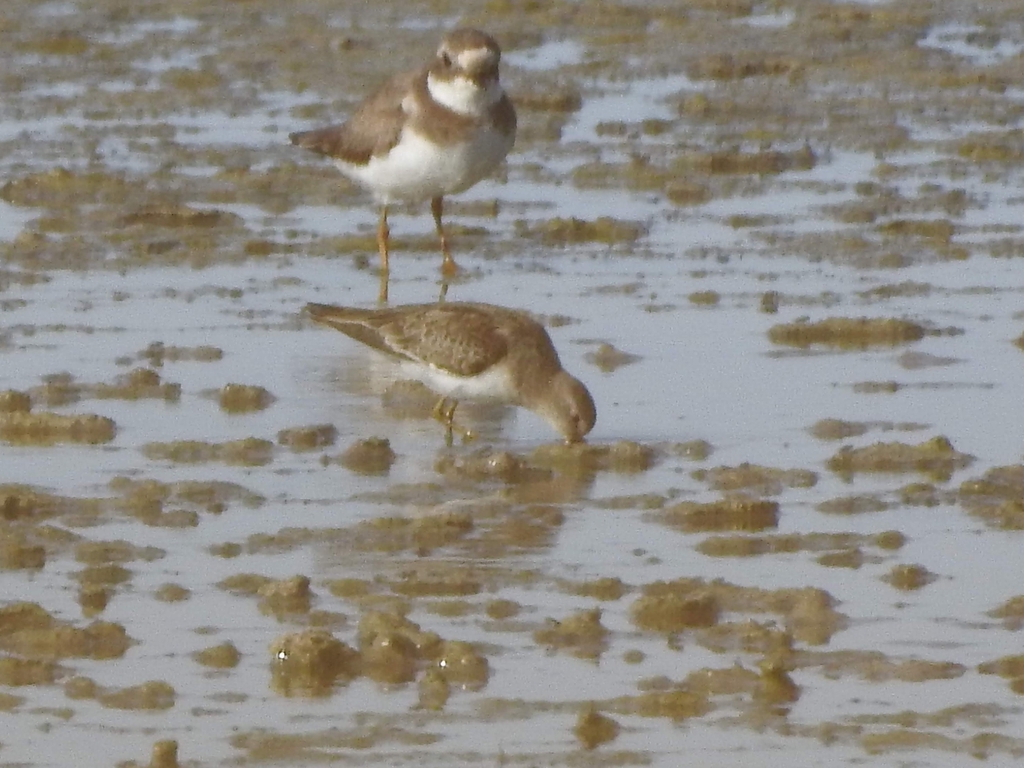
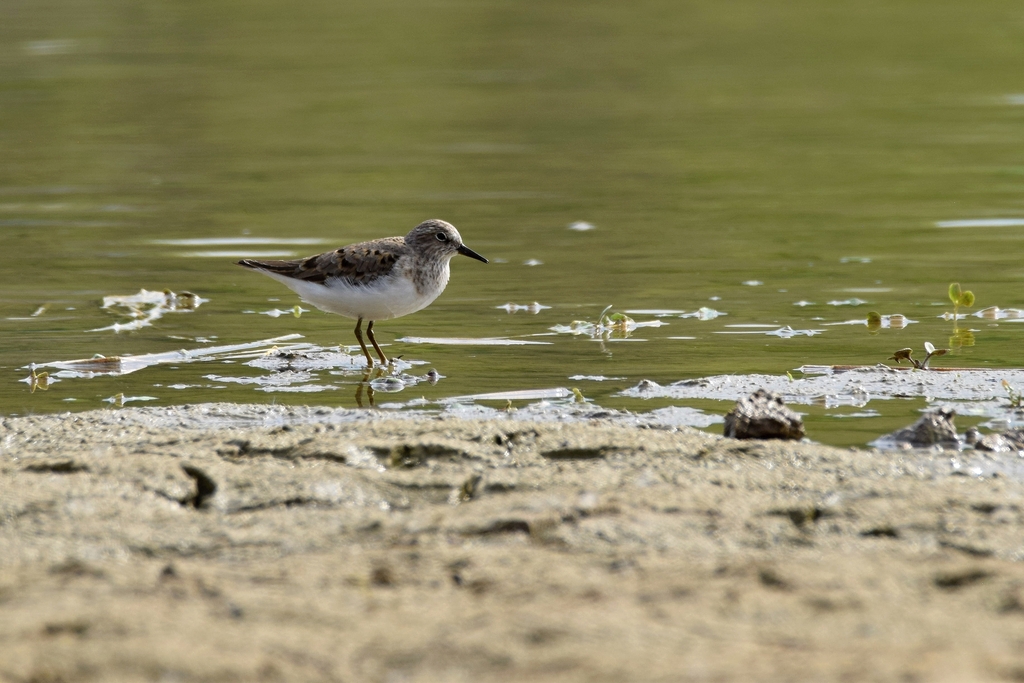
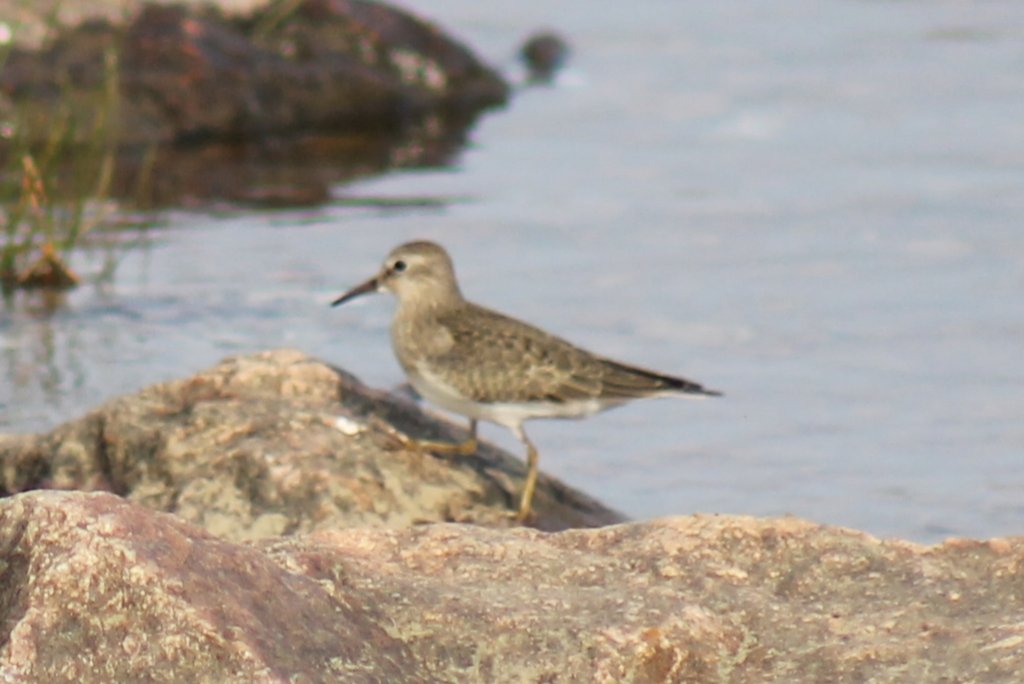
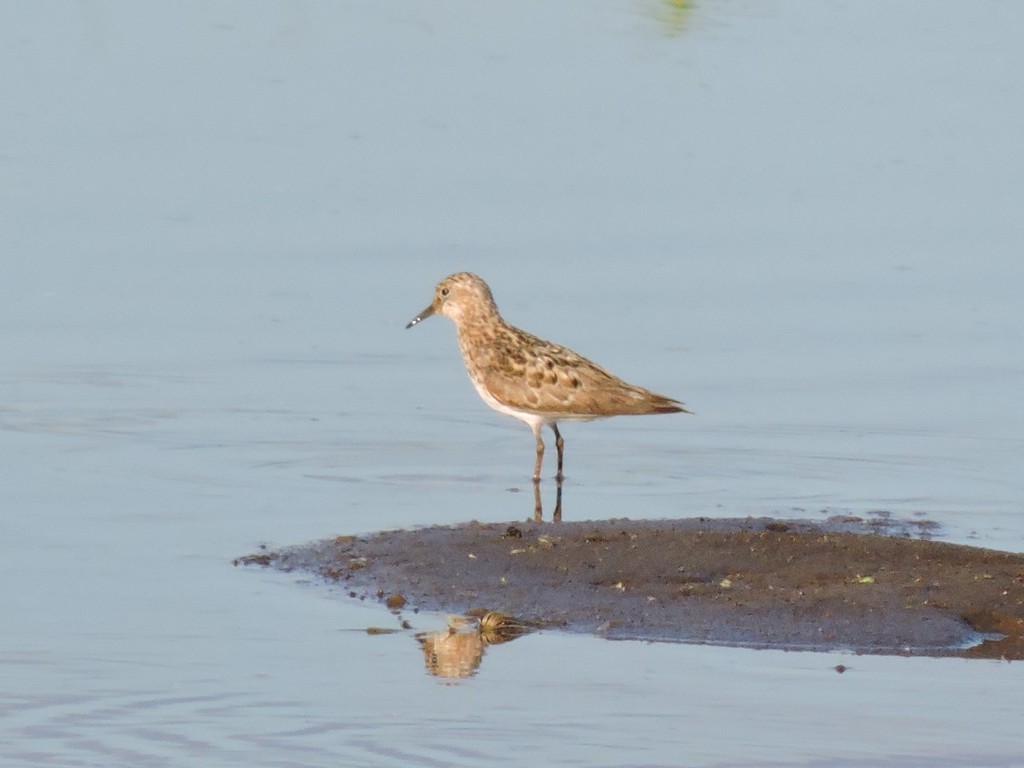
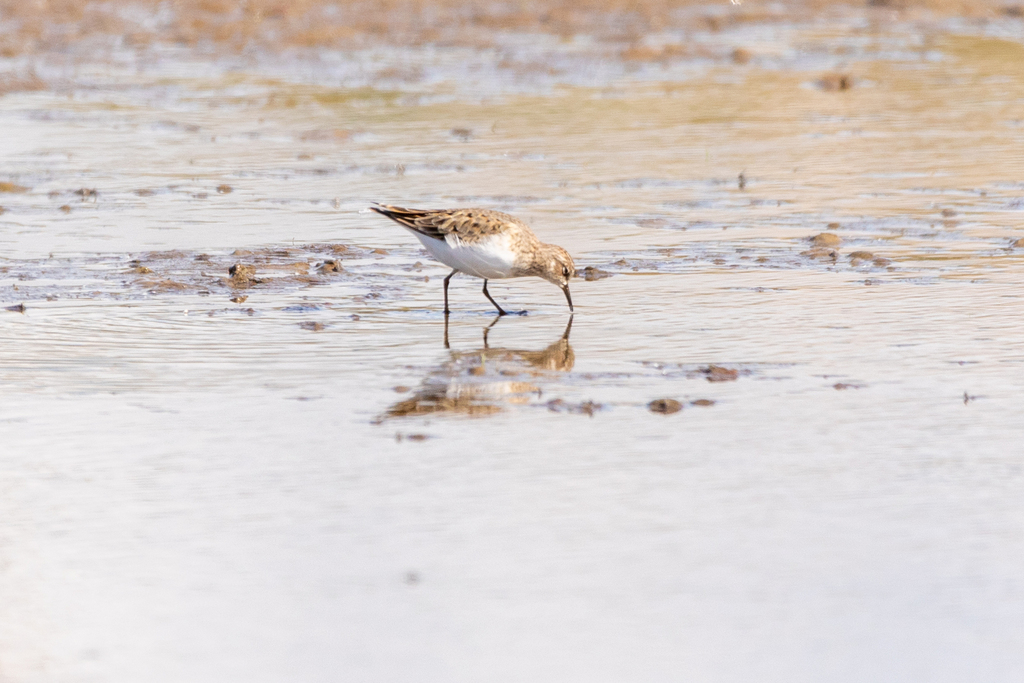
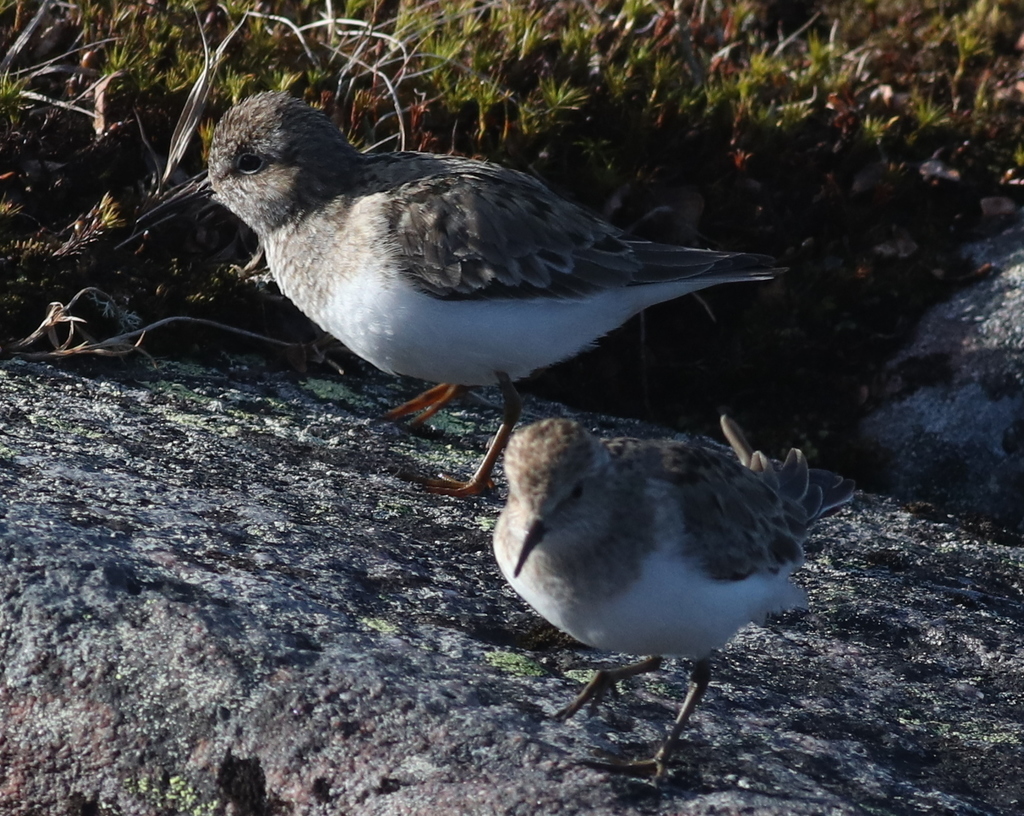
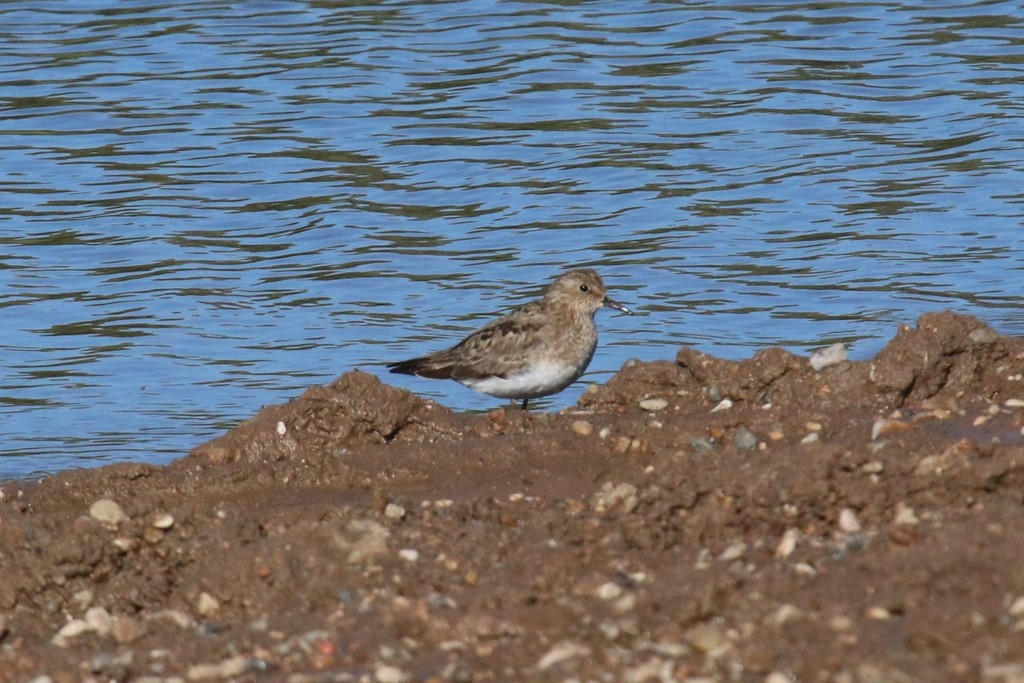
El correlimos de Temminck es una limícola de reducido tamaño y de cuerpo bastante alargado, con el pico más bien pequeño y las patas más cortas que la altura del cuerpo. En todos los plumajes, la garganta y el pecho, muy oscuros, definen una especie de babero. Tiene las patas verdosas y el pico de color negro. El adulto en plumaje nupcial suele presentar las partes dorsales con una mezcla de plumas nuevas (oscuras, con bordes castaño claro) y otras correspondientes al plumaje invernal (grises, con el raquis apenas marcado). Los lados del cuello y el pecho son de color ante, con finas estrías más oscuras, y las partes inferiores, blancas. El individuo no reproductor luce un gris uniforme no muy claro, con el pecho más grisáceo que el nupcial y sin estrías, mientras que el joven tiene el pecho levemente estriado y presenta las plumas de las partes superiores grises, con el raquis y una banda subapical oscuros y los bordes cremosos.A tiny, elongated shorebird, the size of a Little Stint but with a different silhouette and behavior. It has a relatively short bill and short greenish/yellowish legs. Its plumage is a very uniform and rather dark grayish-brown, often forming a clear 'bib' on the breast. It is famous for its 'mouse-like' behavior, often being found in smaller freshwater marshes and ditches compared to the more marine shorebirds.
DistribuciónDistribution
En España, la población de esta especie es muy reducida y fluctúa interanualmente, con núcleos en Extremadura, Cádiz, Murcia-Alicante y delta del Ebro. Durante la primavera es una especie escasa, aunque habitual. Se tiene constancia de su paso por todas las Comunidades Autónomas excepto en Galicia, Madrid e islas Canarias.Regular passage migrant and scarce winter visitor. Found in fragmented nuclei: Extremadura, Cadiz, Ebro Delta, and the Levante. More frequent in the interior during autumn and in the Mediterranean during spring.
Textos reproducidos con permiso de laTexts translated and reproduced with permission from the Guía de Aves de España © SEO/BirdLife
Estado de conservaciónConservation Status
- EX
- RE
- CR
- EN
- VU
- NT
- LC
DD
Datos insuficientesData Deficient
Qué significa cada categoríaWhat each category means
- LC
- Preocupación menor: Taxón evaluado que no califica para categorías amenazadas. Especies abundantes y ampliamente distribuidasLeast Concern - Evaluated taxon that does not qualify for threatened categories. Widespread and abundant taxa
- NT
- Casi amenazada: No califica actualmente como amenazada, pero está cerca de calificar o es probable que califique en el futuro cercanoNear Threatened - Does not currently qualify as threatened, but is close to qualifying or likely to qualify in the near future
- VU
- Vulnerable: Enfrenta un alto riesgo de extinción en estado silvestre según los criterios A a E de IUCNVulnerable - Facing a high risk of extinction in the wild based on IUCN criteria A to E
- EN
- En peligro: Enfrenta un riesgo muy alto de extinción en estado silvestre según los criterios A a E de IUCNEndangered - Facing a very high risk of extinction in the wild based on IUCN criteria A to E
- CR
- En peligro crítico: Enfrenta un riesgo extremadamente alto de extinción en estado silvestre según los criterios A a E de IUCNCritically Endangered - Facing an extremely high risk of extinction in the wild based on IUCN criteria A to E
- DD
- Datos insuficientes: Información inadecuada para evaluar el riesgo de extinción basándose en distribución o estado poblacionalData Deficient - Inadequate information to assess extinction risk based on distribution and/or population status
- NE
- No evaluada: No ha sido evaluada aún contra los criterios de la Lista Roja de IUCNNot Evaluated - Has not yet been assessed against the IUCN Red List criteria
- RE
- Extinta regionalmente: El taxón ya no existe en la región específica, aunque puede sobrevivir en otros lugaresRegionally Extinct - Taxon no longer exists in the specific region, though it may survive elsewhere
- EX
- Extinta - No existe duda razonable de que ha muerto el último individuo del taxónExtinct - No reasonable doubt that the last individual of the taxon has died
TaxonomíaTaxonomy
- OrdenOrder
- Charadriiformes
- FamiliaFamily
- Scolopacidae
Presencia en EspañaPresence in Spain
- De pasoPassage migrant
- HabitualRegular
- InvernanteWinter visitor
En la app: marzo a mayo y de julio a octubre.In the app: March to May and July to October.
Dónde verlaWhere to see it
239 cuadrículas de 10 km con registros de 2020 a 2024. Toca un mes para ver dónde se ha visto.239 10 km squares with records from 2020 to 2024. Pick a month to see where it has been seen.
Cargando el mapa…Loading the map…
Dónde es regularWhere it is regular
Provincias con registros en al menos 3 de los 5 años algún mes, de más a menos frecuente, y sus mejores meses.Provinces with records in at least 3 of the 5 years in some month, from most to least frequent, and their best months.
- ValenciaValenciaseptiembre, agosto, octubreSeptember, August, October
- TarragonaTarragonaseptiembre, agosto, abrilSeptember, August, April
- GironaGironaagosto, septiembre, mayoAugust, September, May
- ToledoToledoseptiembre, mayo, octubreSeptember, May, October
- La RiojaLa RiojaseptiembreSeptember
- AlmeríaAlmeríanoviembre, abril, octubreNovember, April, October
- AlicanteAlicanteoctubre, marzo, eneroOctober, March, January
- Ciudad RealCiudad Realseptiembre, agosto, abrilSeptember, August, April
- HuelvaHuelvaabril, septiembre, febreroApril, September, February
- BarcelonaBarcelonaseptiembre, agosto, abrilSeptember, August, April
Ver las 27 provinciasSee all 27 provinces
- CádizCádizseptiembre, agosto, octubreSeptember, August, October
- CastellónCastellónagosto, mayoAugust, May
- SevillaSevillaoctubre, agosto, septiembreOctober, August, September
- HuescaHuescamayo, abril, septiembreMay, April, September
- ZamoraZamoraseptiembre, mayoSeptember, May
- CuencaCuencamayoMay
- CantabriaCantabriamayoMay
- NavarraNavarraseptiembre, mayoSeptember, May
- ZaragozaZaragozaseptiembre, agosto, octubreSeptember, August, October
- SalamancaSalamancaagostoAugust
- BalearesBalearic Islandsfebrero, septiembre, julioFebruary, September, July
- MálagaMálagaseptiembre, agosto, mayoSeptember, August, May
- ÁvilaÁvilamayoMay
- MurciaMurciaabrilApril
- SegoviaSegoviamayoMay
- CáceresCáceresseptiembre, agosto, octubreSeptember, August, October
- BadajozBadajozoctubre, marzo, septiembreOctober, March, September
Datos: registros en GBIF de 2020 a 2024 de Observation.org, eBird, iNaturalist y el ICO, descargados el 23/10/2026.Data: GBIF records from 2020 to 2024 from Observation.org, eBird, iNaturalist and the ICO, downloaded on 23/10/2026. GBIF.org (23 October 2026) GBIF Occurrence Download · doi:10.15468/dl.r5sf2a · CC BY-NC 4.0
GaleríaGallery
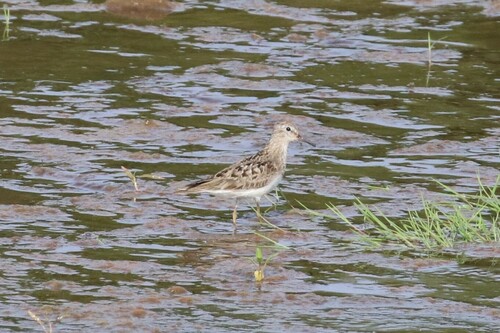
© Константин Селивёрстов · CC BY · iNaturalist 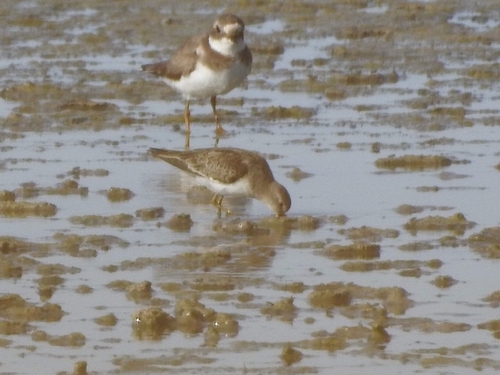
© Olivier Morel · CC BY · iNaturalist 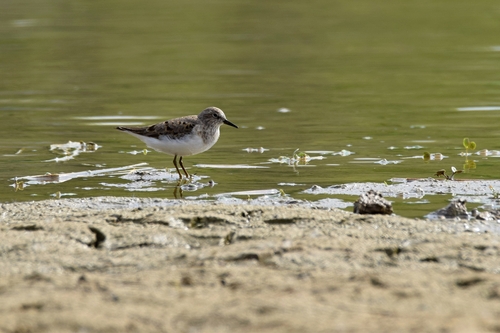
© Daniel Benák · CC BY · iNaturalist 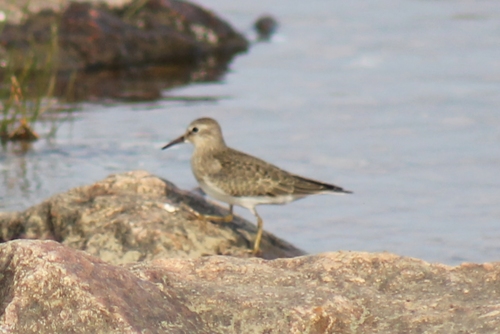
© Шухободская Ольга Владимировна · CC BY · iNaturalist 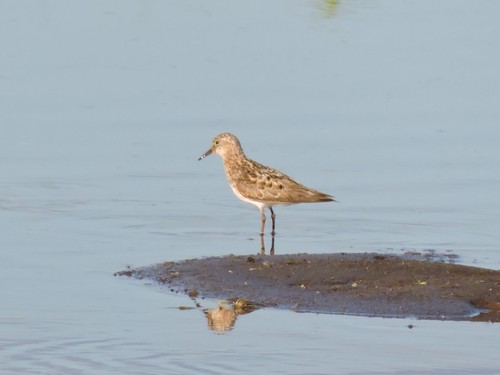
© Борис Георги · CC BY · iNaturalist 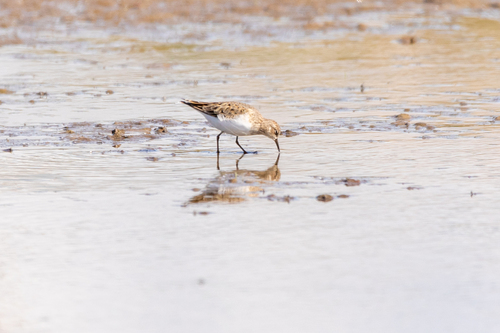
© Константин Шатилов · CC BY · iNaturalist 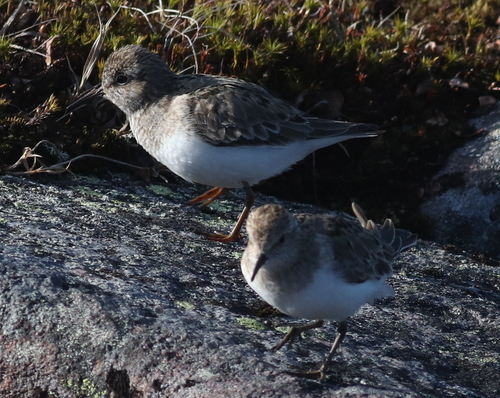
© Jan Ebr & Ivana Ebrová · CC BY · iNaturalist 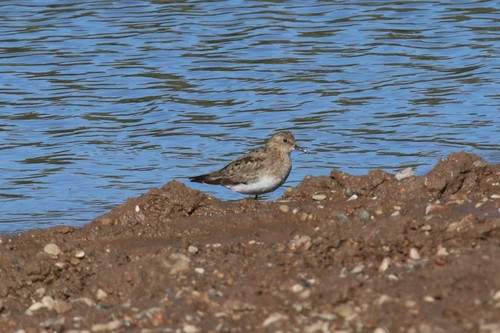
© Константин Селивёрстов · CC BY · iNaturalist
Especies relacionadasRelated species
Otras aves de la familia Scolopacidae y de órdenes cercanos.Other birds from the Scolopacidae family and nearby orders.
- LegendarioLegendary
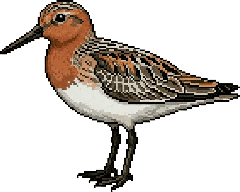 Correlimos cuellirrojoRed-necked StintCalidris ruficollis
- Poco comúnUncommon
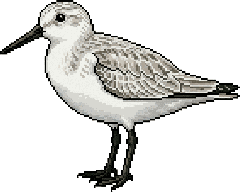 Correlimos tridáctiloSanderlingCalidris alba
- Poco comúnUncommon
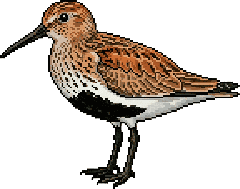 Correlimos comúnDunlinCalidris alpina
- RaroRare
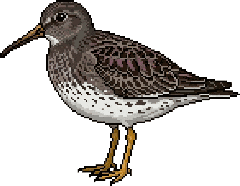 Correlimos oscuroPurple SandpiperCalidris maritima
- ÉpicoEpic
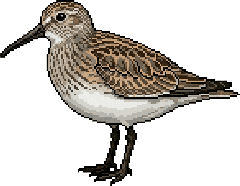 Correlimos de BairdBaird's SandpiperCalidris bairdii
- Poco comúnUncommon
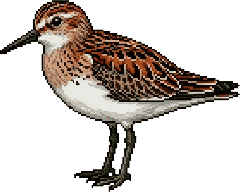 Correlimos menudoLittle StintCalidris minuta
- LegendarioLegendary
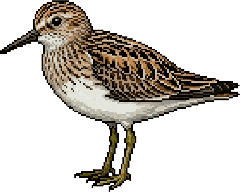 Correlimos menudilloLeast SandpiperCalidris minutilla
- ÉpicoEpic
 Correlimos culiblancoWhite-rumped SandpiperCalidris fuscicollis
 Gratis, sin anuncios ni comprasFree, no ads, no purchases