 BirdPedy
Vencejo moroLittle Swift
En 6 provincias en mayo y en 1 en eneroIn 6 provinces in May and 1 in January
Reporte de rarezaRarity report
Por qué es raroWhy it is rareEspecie africana en fase de colonización del sur peninsular. Nidifica en colonias muy localizadas en infraestructuras (puentes, presas) de las provincias de Cádiz y Málaga, donde es sedentario.African species colonizing the south of the Peninsula. It breeds in very localized colonies on structures (bridges, dams) in the provinces of Cádiz and Málaga, where it is resident.
Cada carrizo es un mes: su altura, las provincias con registros de 2020 a 2024.Each reed is a month: its height, the provinces with records from 2020 to 2024.- Provincias con registrosProvinces with records
- 11 de 52of 52
- En la appIn the app
- Todo el añoAll year
- EnvergaduraWingspan
- 34-35 cm34-35 cm
- LongitudLength
- 12 cm12 cm
- Lista Roja de EspañaSpanish Red List
- NT Casi amenazadaNear Threatened

Información generalGeneral Information
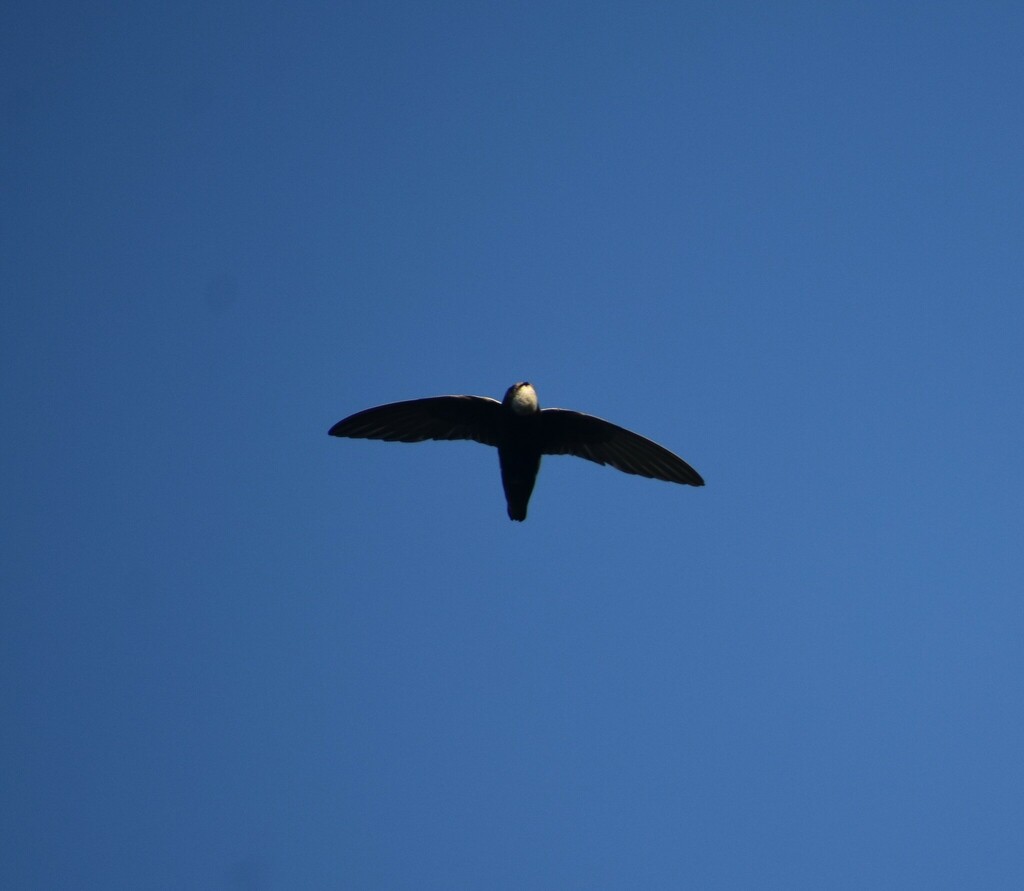
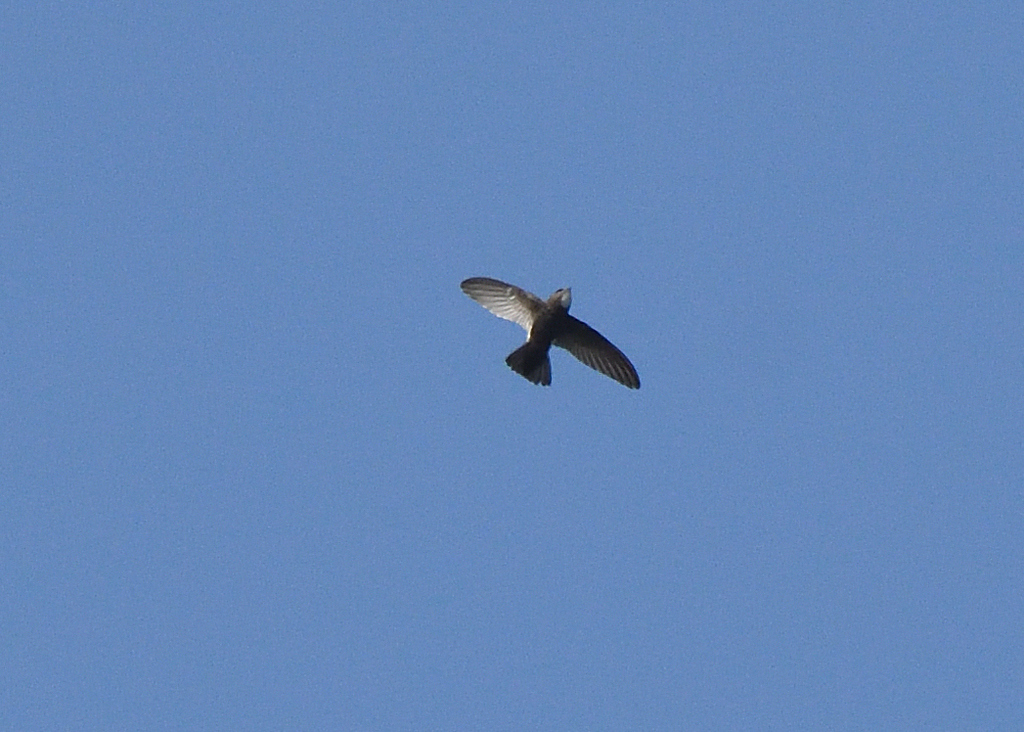
Si bien la primera observación española de vencejo moro no tuvo lugar hasta 1981, la especie cría ya de forma regular en el sur de la Península. Concretamente, en la provincia de Cádiz, en una sierra próxima a Tarifa (que es también localidad habitual del vencejo cafre), se registró ya reproducción probable en 1996 y segura a partir de 2000. Fuera de las localidades de cría, los avistamientos tienden a concentrarse en primavera (marzo-junio).The Little Swift is a recent success story in Spanish ornithology. Once a rare visitor from Africa, it began breeding in the cliffs and buildings of Cadiz in the late 1990s. It is an amazing architect, building colonial nests made of feathers and mud that it glues to the undersides of cliffs or arches. Its expansion is a sign of the warming Mediterranean and the increasing connectivity with African bird populations.
IdentificaciónIdentification
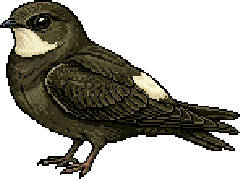
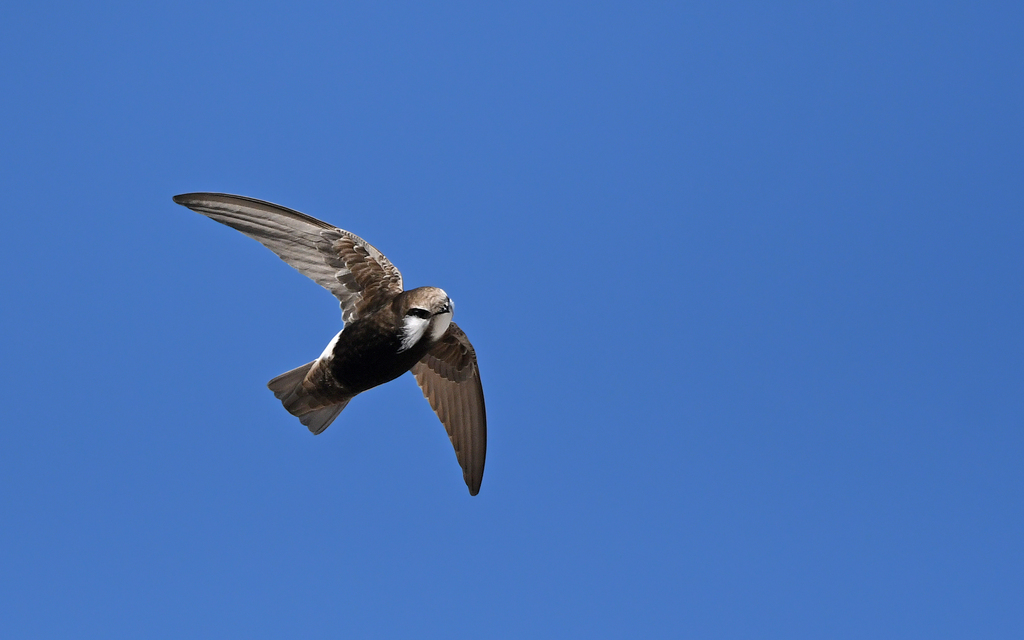
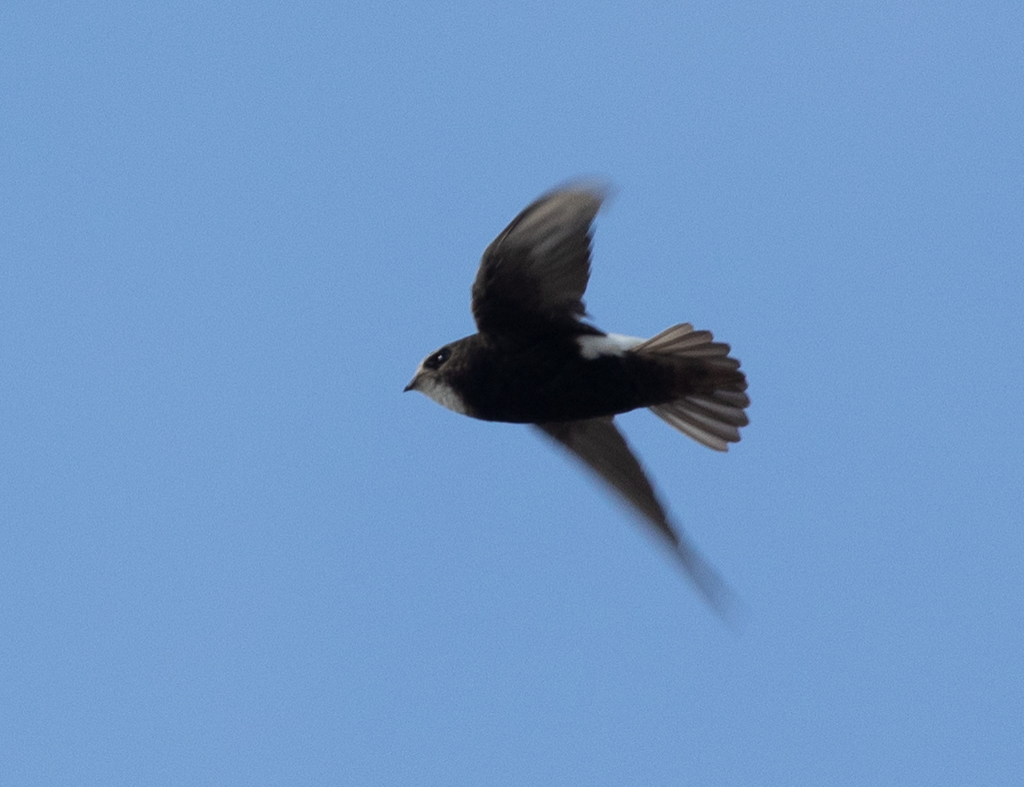
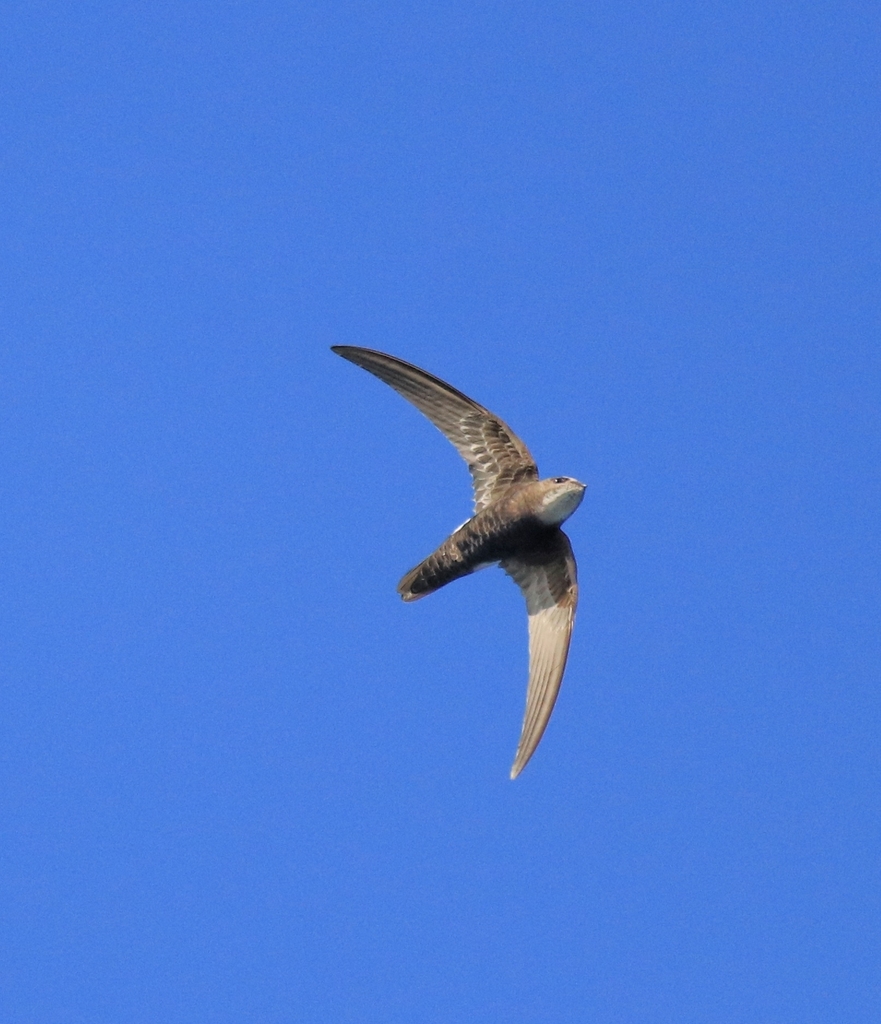
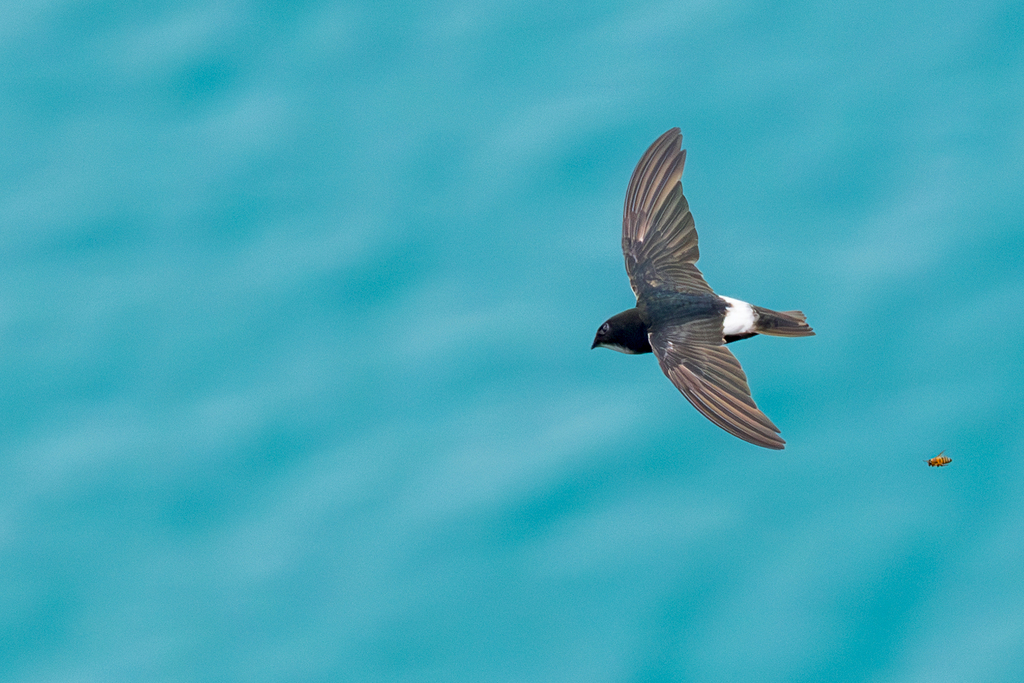
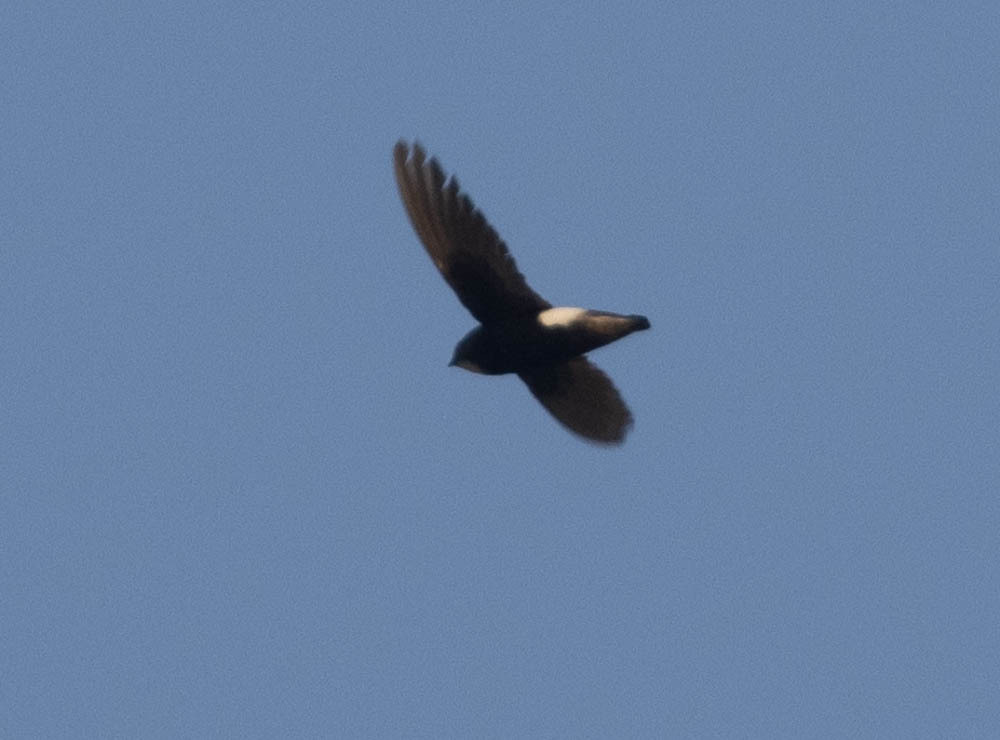
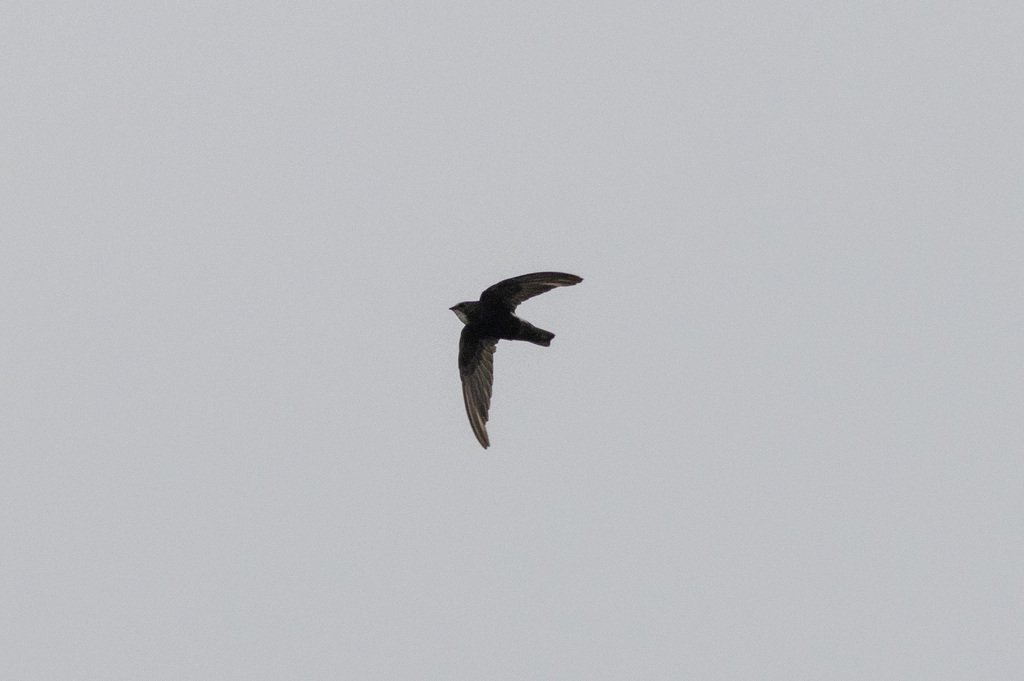
Pequeño, oscuro y con rabadilla blanca, se presta a confusión con el similar vencejo cafre, pero resulta más compacto y tiene la cola corta y ancha, de borde cuadrado, y no larga y ahorquillada. Además, su mancha blanca del obispillo es ancha y se extiende un poco hacia el vientre, de manera que se puede apreciar incluso desde abajo (en el vencejo cafre es estrecha y se limita al dorso).A small, compact swift, significantly smaller than the Common Swift. It is almost entirely blackish but features a bold, broad white rump that is much wider than in the similar Cafrre Swift (extending slightly to the flanks). It has a very square (not forked) tail. It is a very active bird with a fast, flickering flight. Until recently a major rarity, it has now established small regular breeding colonies in southern Spain.
DistribuciónDistribution
En España ocupa el extremo sur peninsular, con citas esporádicas en el resto de la península, Ceuta, Mallorca y Canarias. Como reproductor está presente en varias localidades de Cádiz y Sevilla y podría criar también en Málaga y Huelva. También hay numerosas observaciones en Extremadura.Breeds locally in the south (Cadiz, Seville), with occasional records in Andalusia, Extremadura, and the archipelagos. Currently expanding. Summer visitor/Resident.
Textos reproducidos con permiso de laTexts translated and reproduced with permission from the Guía de Aves de España © SEO/BirdLife
Estado de conservaciónConservation Status
- EX
- RE
- CR
- EN
- VU
- NT
- LC
Casi amenazadaNear Threatened
Qué significa cada categoríaWhat each category means
- LC
- Preocupación menor: Taxón evaluado que no califica para categorías amenazadas. Especies abundantes y ampliamente distribuidasLeast Concern - Evaluated taxon that does not qualify for threatened categories. Widespread and abundant taxa
- NT
- Casi amenazada: No califica actualmente como amenazada, pero está cerca de calificar o es probable que califique en el futuro cercanoNear Threatened - Does not currently qualify as threatened, but is close to qualifying or likely to qualify in the near future
- VU
- Vulnerable: Enfrenta un alto riesgo de extinción en estado silvestre según los criterios A a E de IUCNVulnerable - Facing a high risk of extinction in the wild based on IUCN criteria A to E
- EN
- En peligro: Enfrenta un riesgo muy alto de extinción en estado silvestre según los criterios A a E de IUCNEndangered - Facing a very high risk of extinction in the wild based on IUCN criteria A to E
- CR
- En peligro crítico: Enfrenta un riesgo extremadamente alto de extinción en estado silvestre según los criterios A a E de IUCNCritically Endangered - Facing an extremely high risk of extinction in the wild based on IUCN criteria A to E
- DD
- Datos insuficientes: Información inadecuada para evaluar el riesgo de extinción basándose en distribución o estado poblacionalData Deficient - Inadequate information to assess extinction risk based on distribution and/or population status
- NE
- No evaluada: No ha sido evaluada aún contra los criterios de la Lista Roja de IUCNNot Evaluated - Has not yet been assessed against the IUCN Red List criteria
- RE
- Extinta regionalmente: El taxón ya no existe en la región específica, aunque puede sobrevivir en otros lugaresRegionally Extinct - Taxon no longer exists in the specific region, though it may survive elsewhere
- EX
- Extinta - No existe duda razonable de que ha muerto el último individuo del taxónExtinct - No reasonable doubt that the last individual of the taxon has died
TaxonomíaTaxonomy
- OrdenOrder
- Apodiformes
- FamiliaFamily
- Apodidae
Presencia en EspañaPresence in Spain
- HabitualRegular
- ResidenteResident
En la app: todo el año.In the app: all year.
Dónde verlaWhere to see it
45 cuadrículas de 10 km con registros de 2020 a 2024. Toca un mes para ver dónde se ha visto.45 10 km squares with records from 2020 to 2024. Pick a month to see where it has been seen.
Cargando el mapa…Loading the map…
Dónde es regularWhere it is regular
Provincias con registros en al menos 3 de los 5 años algún mes, de más a menos frecuente, y sus mejores meses.Provinces with records in at least 3 of the 5 years in some month, from most to least frequent, and their best months.
- CádizCádizagosto, julio, mayoAugust, July, May
Datos: registros en GBIF de 2020 a 2024 de Observation.org, eBird, iNaturalist y el ICO, descargados el 23/10/2026.Data: GBIF records from 2020 to 2024 from Observation.org, eBird, iNaturalist and the ICO, downloaded on 23/10/2026. GBIF.org (23 October 2026) GBIF Occurrence Download · doi:10.15468/dl.r5sf2a · CC BY-NC 4.0
GaleríaGallery

© Derek Keats · CC BY · iNaturalist 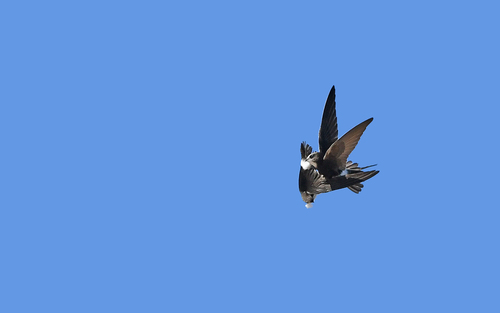
© Christoph Moning · CC BY · iNaturalist 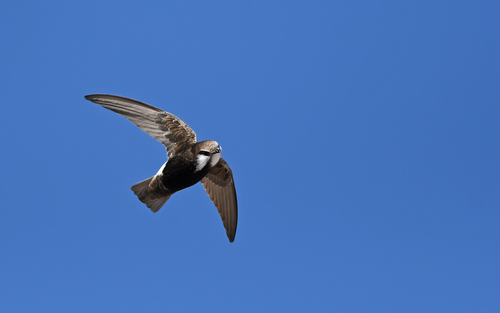
© Christoph Moning · CC BY · iNaturalist 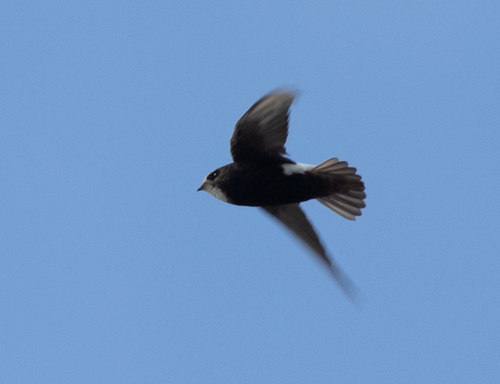
© avocat · CC BY · iNaturalist 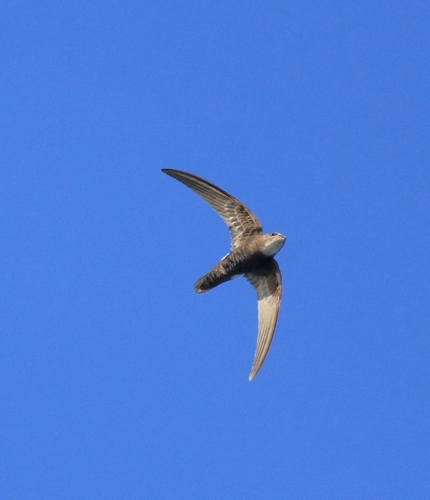
© Afsar Nayakkan · CC BY · iNaturalist 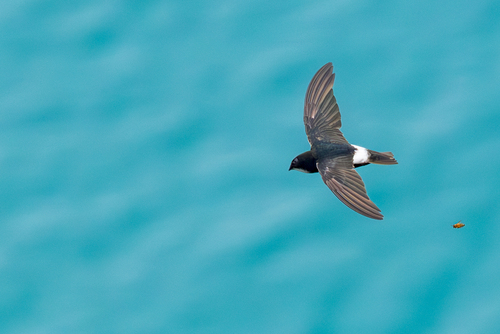
© William Stephens · CC BY · iNaturalist 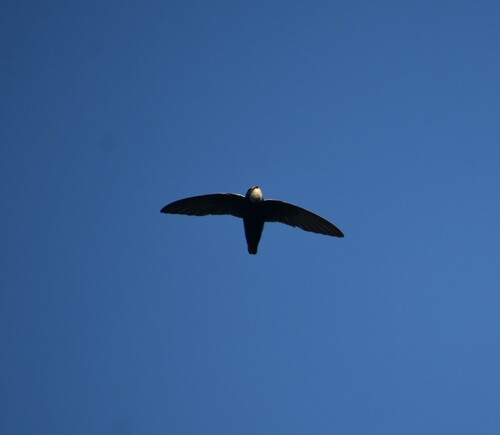
© Justin Ponder · CC BY · iNaturalist 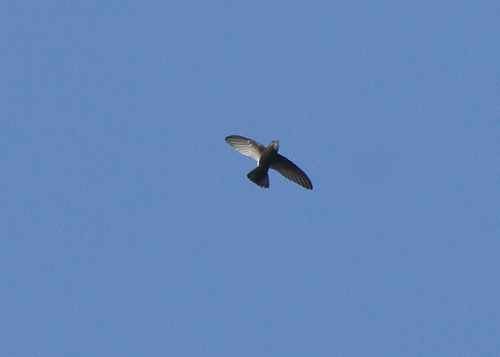
© sunnyjosef · CC BY · iNaturalist 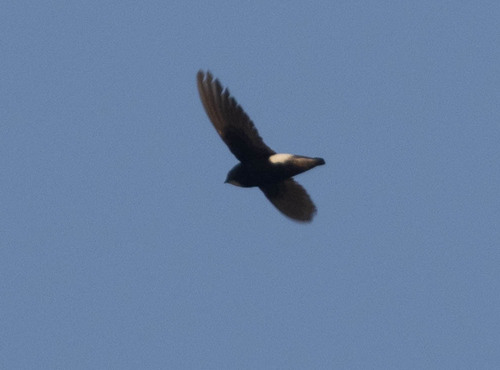
© avocat · CC BY · iNaturalist 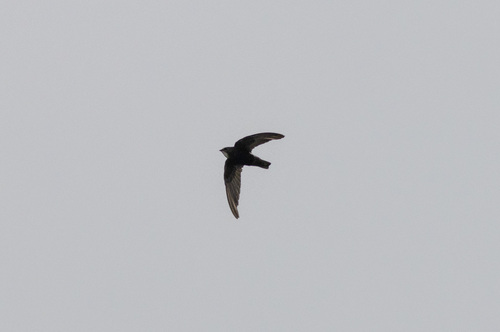
© Nathan Mesnildrey · CC BY · iNaturalist
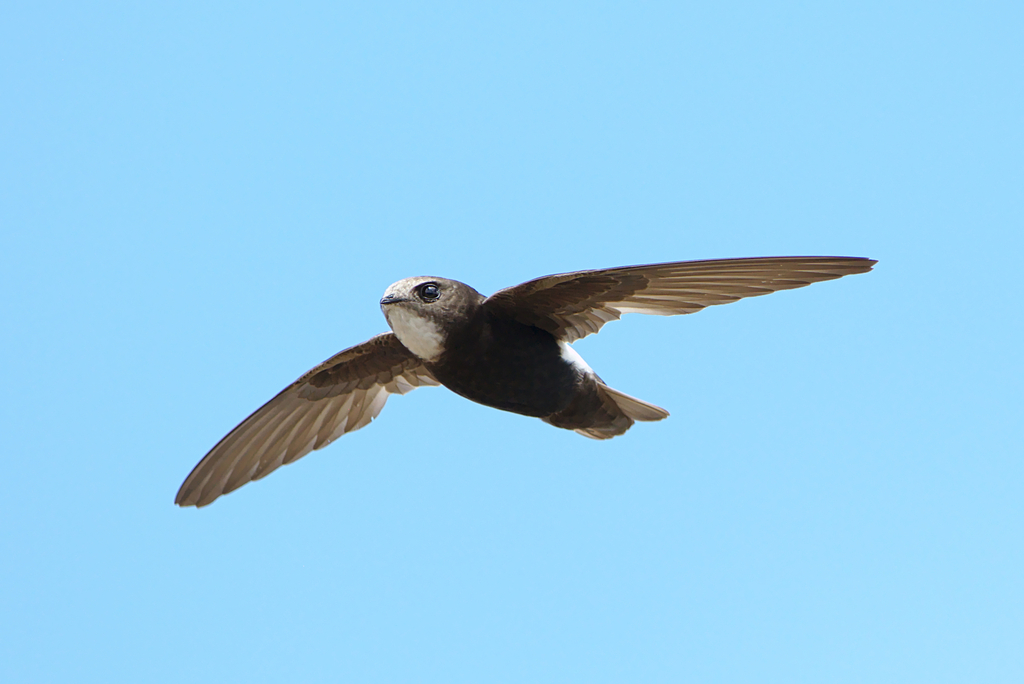
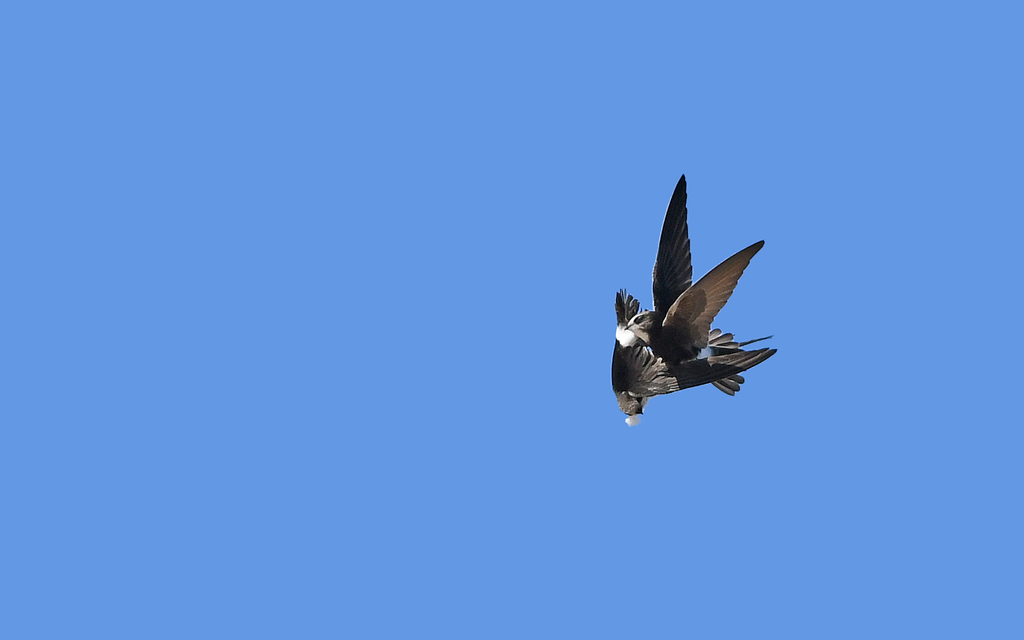
Especies relacionadasRelated species
Otras aves de la familia Apodidae y de órdenes cercanos.Other birds from the Apodidae family and nearby orders.
- RaroRare
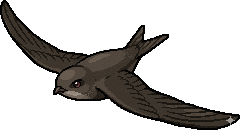 Vencejo unicolorPlain SwiftApus unicolor
- ComúnCommon
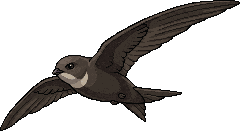 Vencejo comúnCommon SwiftApus apus
- Poco comúnUncommon
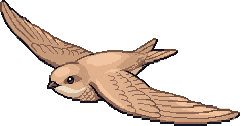 Vencejo pálidoPallid SwiftApus pallidus
- RaroRare
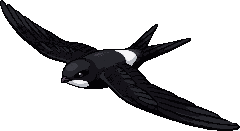 Vencejo cafreWhite-rumped SwiftApus caffer
- LegendarioLegendary
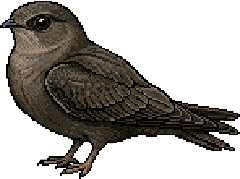 Vencejo de chimeneaChimney SwiftChaetura pelagica
- Poco comúnUncommon
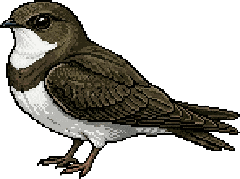 Vencejo realAlpine SwiftTachymarptis melba
- LegendarioLegendary
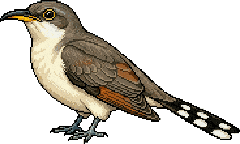 Cuclillo piquigualdoYellow-billed CuckooCoccyzus americanus
- LegendarioLegendary
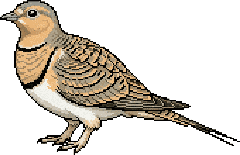 Ganga de PallasPallas's SandgrouseSyrrhaptes paradoxus
 Gratis, sin anuncios ni comprasFree, no ads, no purchases