 BirdPedy
Ánsar piquicortoPink-footed Goose
En 8 provincias en noviembre y sin registros 2 meses del añoIn 8 provinces in November, and no records in 2 months of the year
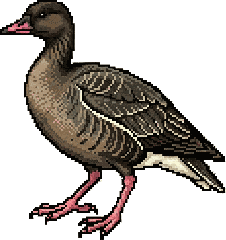
Reporte de rarezaRarity report
Por qué es raroWhy it is rareEntre 2020 y 2024 se vio en España en 112 ocasiones distintas, que suman 383 días, todos los años (datos de Observation.org, eBird y iNaturalist publicados en GBIF). En la guía de aves de SEO/BirdLife figura como habitual en España.Between 2020 and 2024 it was seen in Spain on 112 separate occasions, adding up to 383 days, every year (data from Observation.org, eBird and iNaturalist published on GBIF). SEO/BirdLife's bird guide lists it as regular in Spain.
Cada carrizo es un mes: su altura, las provincias con registros de 2020 a 2024.Each reed is a month: its height, the provinces with records from 2020 to 2024.- Provincias con registrosProvinces with records
- 15 de 52of 52
- En la appIn the app
- Octubre a abrilOctober to April
- EnvergaduraWingspan
- 1,3-1,7 m1.3-1.7 m
- LongitudLength
- 60-75 cm60-75 cm
- Lista Roja de EspañaSpanish Red List
- DD Datos insuficientesData Deficient

Información generalGeneral Information
El piquicorto es un ganso propio de latitudes mucho más norteñas, si bien en nuestro país ha pasado en las últimas décadas a ser considerado como una especie escasa pero regular durante los meses de invernada, ocupando las costas cantábricas y algunos puntos aislados del interior peninsular.A visitor from the Greenland and Iceland ice-caps. The Pink-footed Goose has become more regular in Spain in recent decades, likely due to better detection and a changing climate. It is usually found on the Atlantic coast or in the large lagoons of the interior during the coldest months. Its small size and compact shape make it stand out among the larger Greylags.
IdentificaciónIdentification
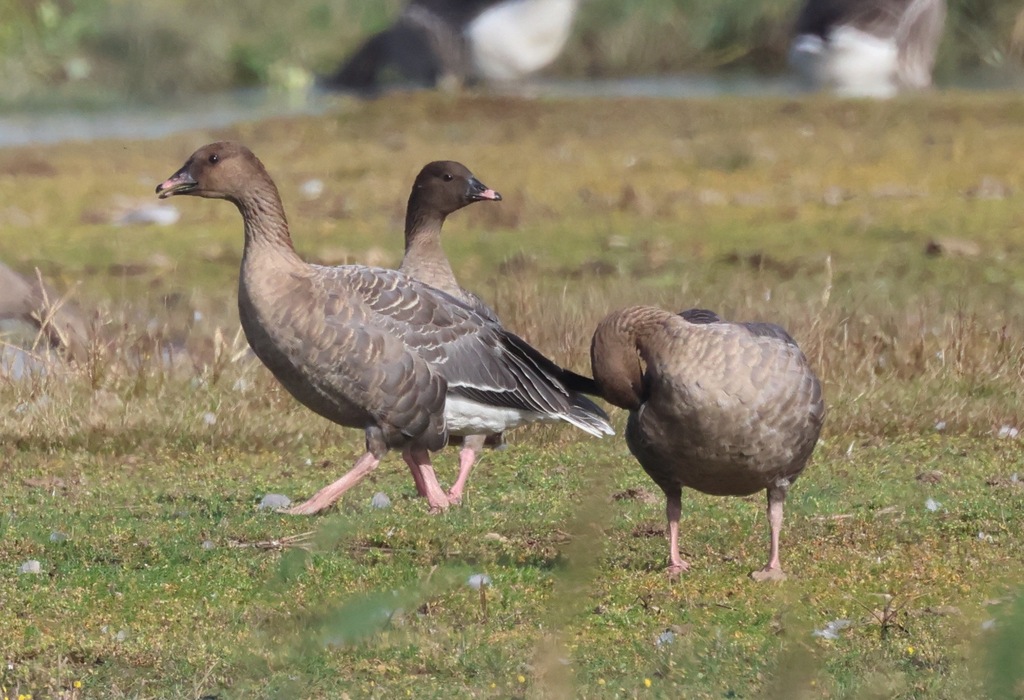
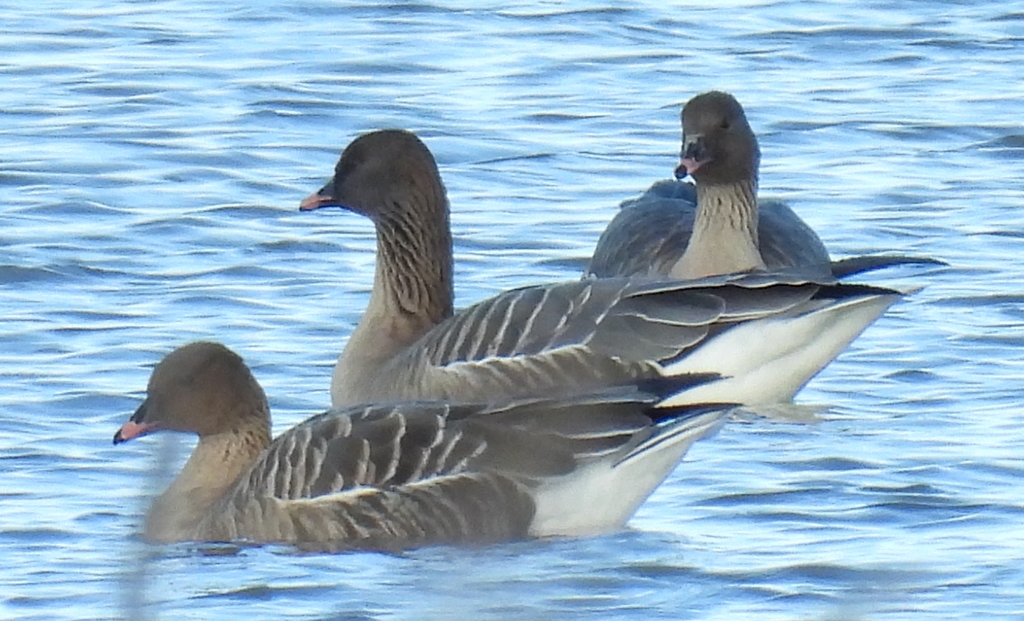
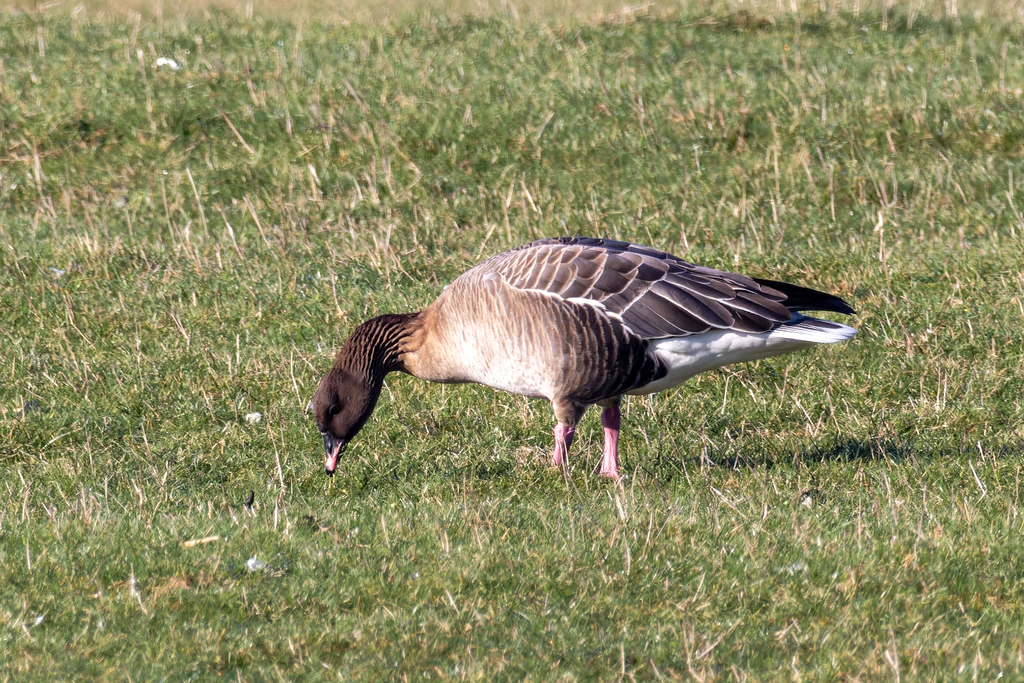
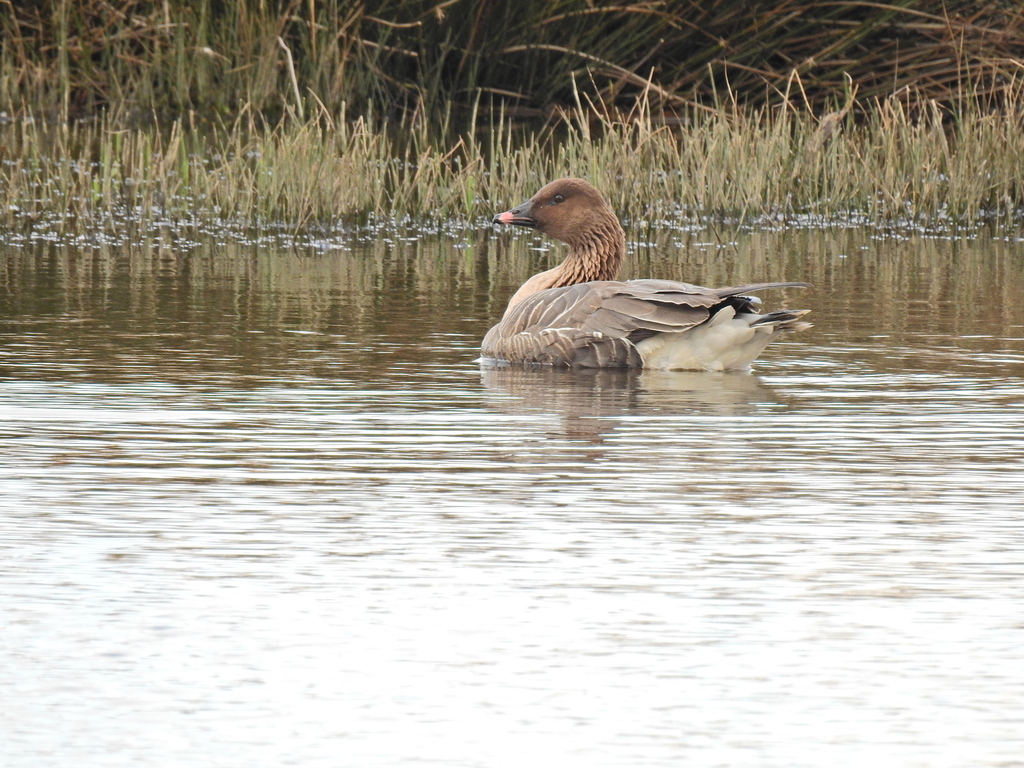
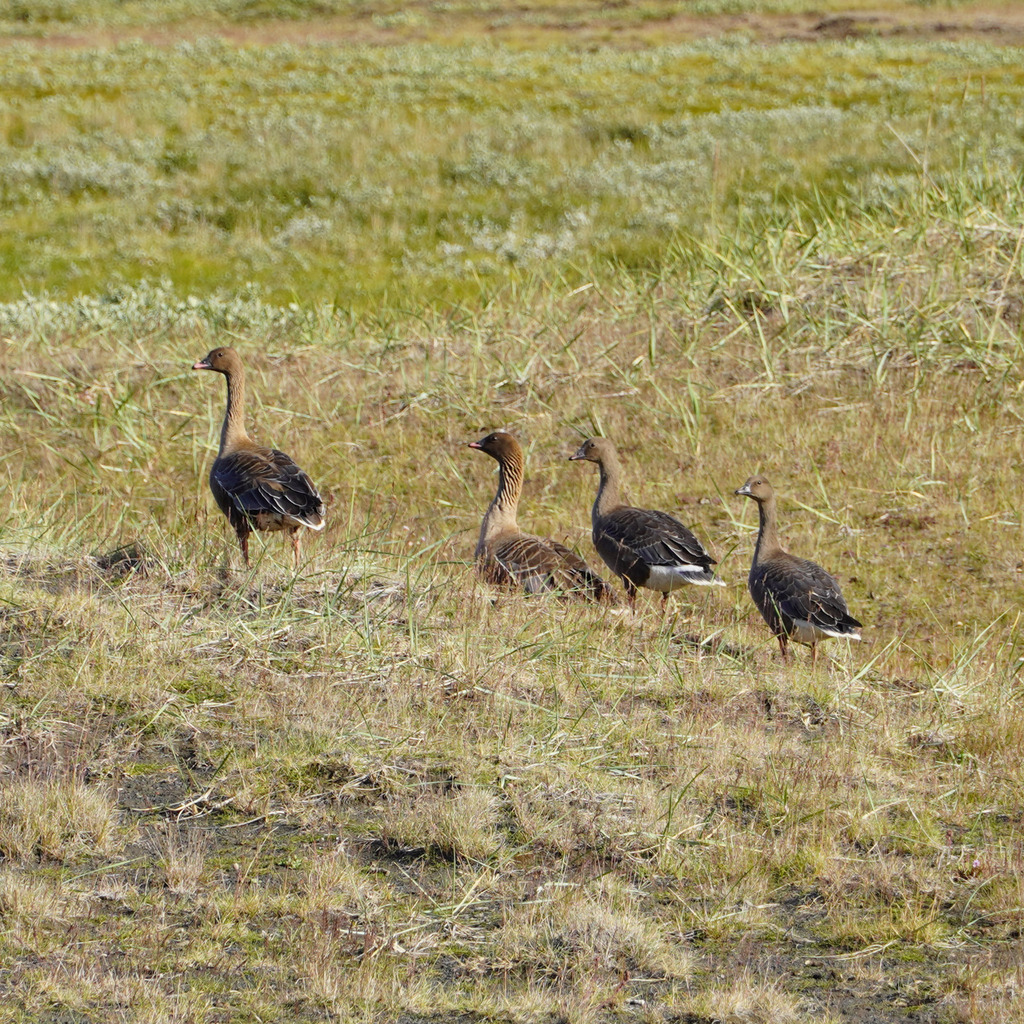
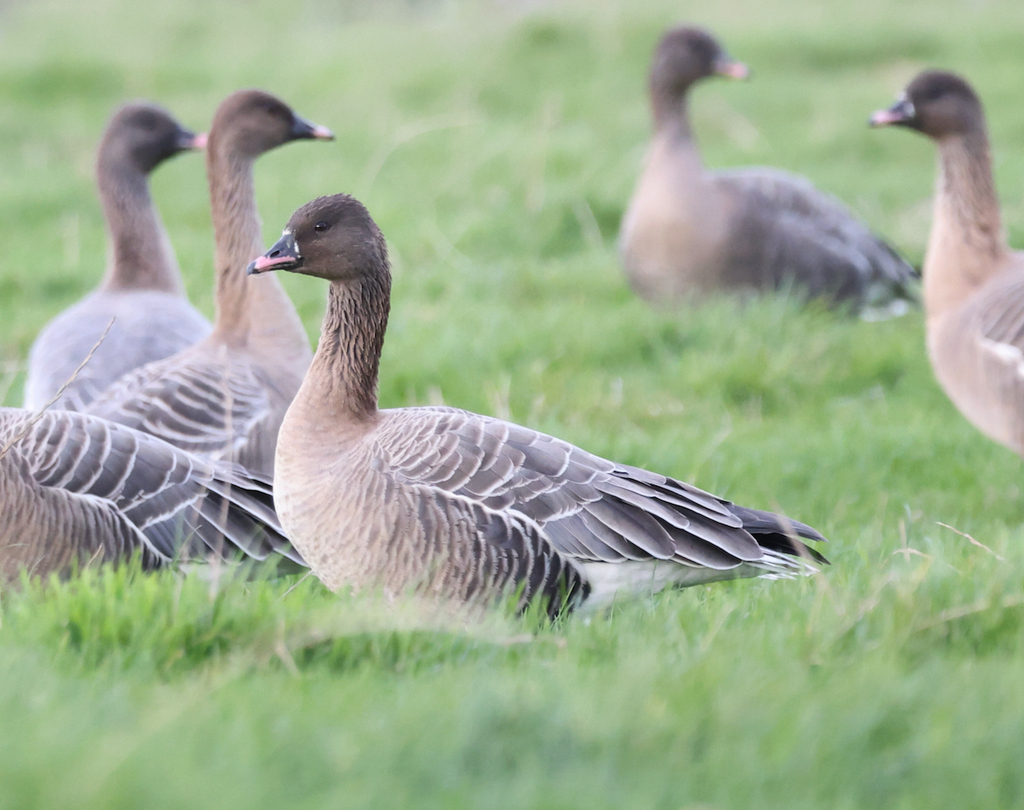
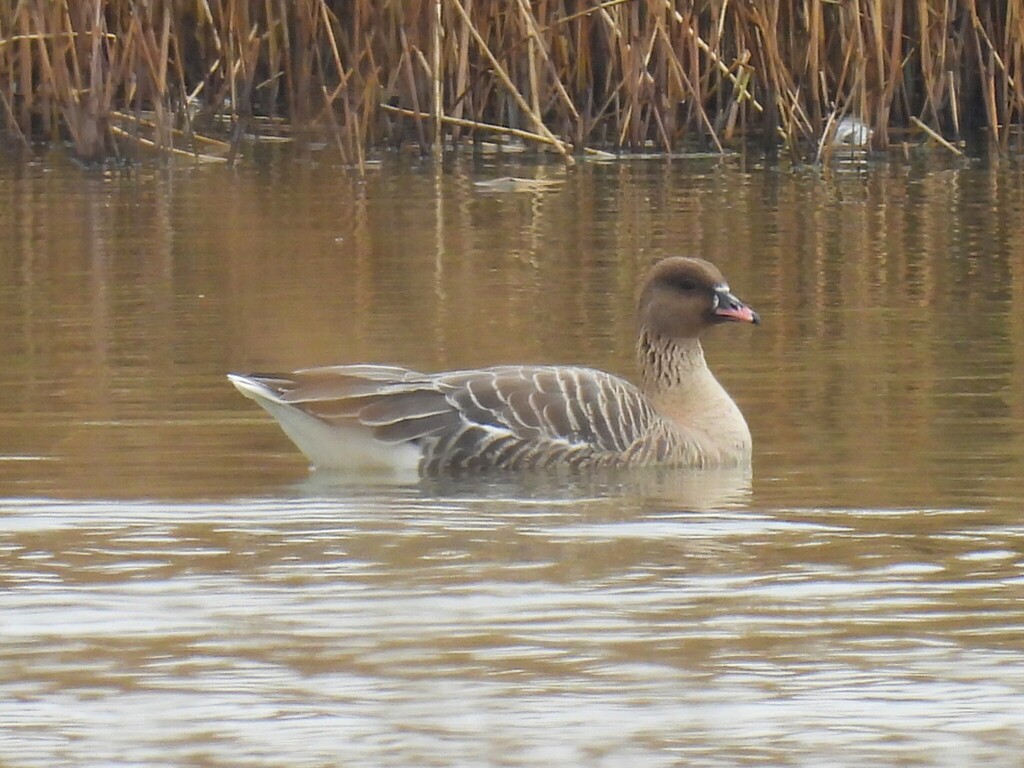
El ánsar piquicorto es un ganso de tamaño medio (aproximadamente 2-3 kg de peso), parecido al ánsar campestre aunque ligeramente más pequeño y compacto, de cuello más corto y con una pequeña zona rosa en el pico en lugar de naranja. Al volar, sus alas se ven más pálidas que las del campestre, aunque no tanto como las del ánsar común que, además, es mucho mayor y tiene la cabeza clara y el pico grande, sin áreas negras.A medium-sized, compact goose with a short neck and a small bill. It is characterized by having pink legs and a dark bill with a small pink band. Its head and neck are a dark, rich brownish-gray, contrasting with a paler body. In flight, its wings look very silvery-gray. It is a high-latitude specialist, breeding in Iceland, Greenland, and Svalbard. In Spain, it is a regular but scarce winter visitor.
DistribuciónDistribution
Invernante escaso en España, su distribución se reparte por el litoral de Galicia y Cantábrico y, en menor medida, por la meseta norte, Extremadura y marismas del Guadalquivir, además del valle del Ebro.Scarce but regular winter visitor. Found mainly along the Galician/Cantabrian coast and in the Northern Meseta and Extremadura. Occasional in Doñana and the Ebro valley.
Textos reproducidos con permiso de laTexts translated and reproduced with permission from the Guía de Aves de España © SEO/BirdLife
Estado de conservaciónConservation Status
- EX
- RE
- CR
- EN
- VU
- NT
- LC
DD
Datos insuficientesData Deficient
Qué significa cada categoríaWhat each category means
- LC
- Preocupación menor: Taxón evaluado que no califica para categorías amenazadas. Especies abundantes y ampliamente distribuidasLeast Concern - Evaluated taxon that does not qualify for threatened categories. Widespread and abundant taxa
- NT
- Casi amenazada: No califica actualmente como amenazada, pero está cerca de calificar o es probable que califique en el futuro cercanoNear Threatened - Does not currently qualify as threatened, but is close to qualifying or likely to qualify in the near future
- VU
- Vulnerable: Enfrenta un alto riesgo de extinción en estado silvestre según los criterios A a E de IUCNVulnerable - Facing a high risk of extinction in the wild based on IUCN criteria A to E
- EN
- En peligro: Enfrenta un riesgo muy alto de extinción en estado silvestre según los criterios A a E de IUCNEndangered - Facing a very high risk of extinction in the wild based on IUCN criteria A to E
- CR
- En peligro crítico: Enfrenta un riesgo extremadamente alto de extinción en estado silvestre según los criterios A a E de IUCNCritically Endangered - Facing an extremely high risk of extinction in the wild based on IUCN criteria A to E
- DD
- Datos insuficientes: Información inadecuada para evaluar el riesgo de extinción basándose en distribución o estado poblacionalData Deficient - Inadequate information to assess extinction risk based on distribution and/or population status
- NE
- No evaluada: No ha sido evaluada aún contra los criterios de la Lista Roja de IUCNNot Evaluated - Has not yet been assessed against the IUCN Red List criteria
- RE
- Extinta regionalmente: El taxón ya no existe en la región específica, aunque puede sobrevivir en otros lugaresRegionally Extinct - Taxon no longer exists in the specific region, though it may survive elsewhere
- EX
- Extinta - No existe duda razonable de que ha muerto el último individuo del taxónExtinct - No reasonable doubt that the last individual of the taxon has died
TaxonomíaTaxonomy
- OrdenOrder
- Anseriformes
- FamiliaFamily
- Anatidae
Presencia en EspañaPresence in Spain
- HabitualRegular
- InvernanteWinter visitor
En la app: octubre a abril.In the app: October to April.
Dónde verlaWhere to see it
52 cuadrículas de 10 km con registros de 2020 a 2024. Toca un mes para ver dónde se ha visto.52 10 km squares with records from 2020 to 2024. Pick a month to see where it has been seen.
Cargando el mapa…Loading the map…
Dónde es regularWhere it is regular
Provincias con registros en al menos 3 de los 5 años algún mes, de más a menos frecuente, y sus mejores meses.Provinces with records in at least 3 of the 5 years in some month, from most to least frequent, and their best months.
- A CoruñaA Coruñaenero, noviembre, diciembreJanuary, November, December
- AsturiasAsturiasoctubre, febrero, eneroOctober, February, January
- BurgosBurgosmarzo, abril, mayoMarch, April, May
- CantabriaCantabriaeneroJanuary
Datos: registros en GBIF de 2020 a 2024 de Observation.org, eBird, iNaturalist y el ICO, descargados el 23/10/2026.Data: GBIF records from 2020 to 2024 from Observation.org, eBird, iNaturalist and the ICO, downloaded on 23/10/2026. GBIF.org (23 October 2026) GBIF Occurrence Download · doi:10.15468/dl.r5sf2a · CC BY-NC 4.0
GaleríaGallery
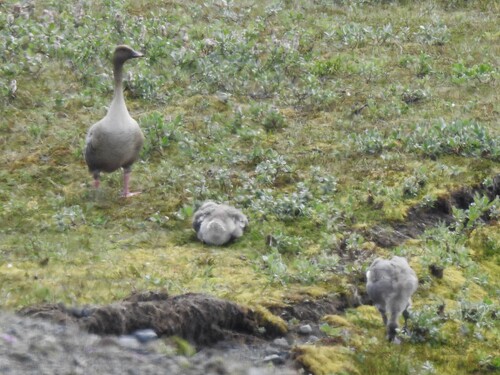
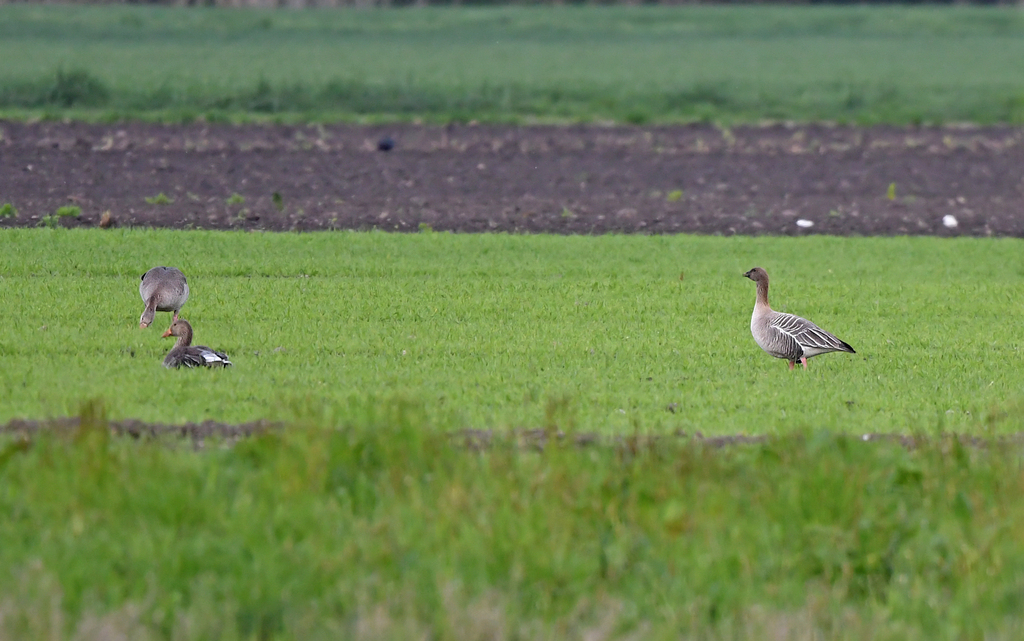
© Louis Imbeau · CC BY · iNaturalist 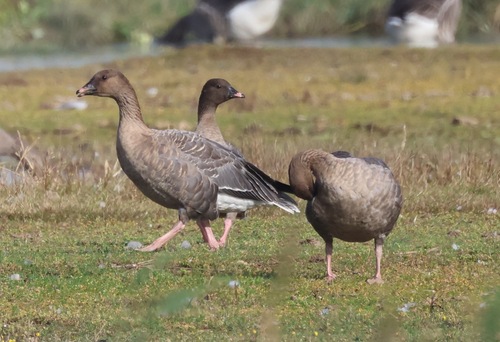
© Jerry Lanfear · CC BY · iNaturalist 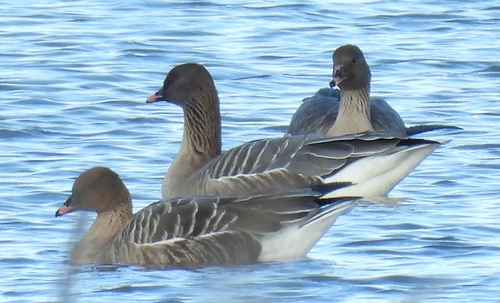
© Phil James · CC BY · iNaturalist 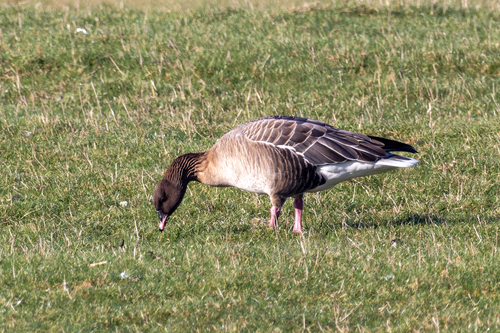
© William Stephens · CC BY · iNaturalist 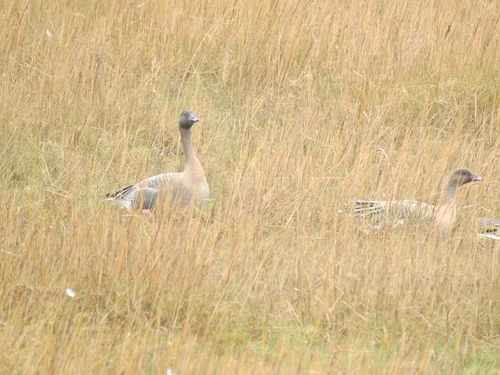
© Susan Marley · CC BY · iNaturalist 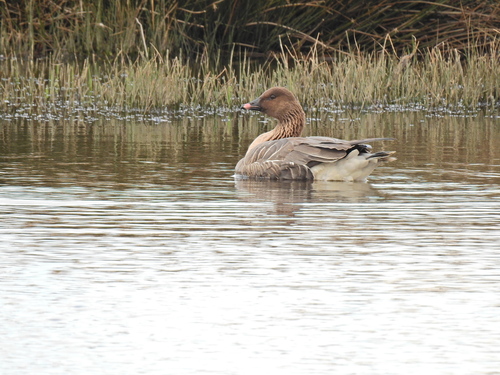
© Susan Marley · CC BY · iNaturalist 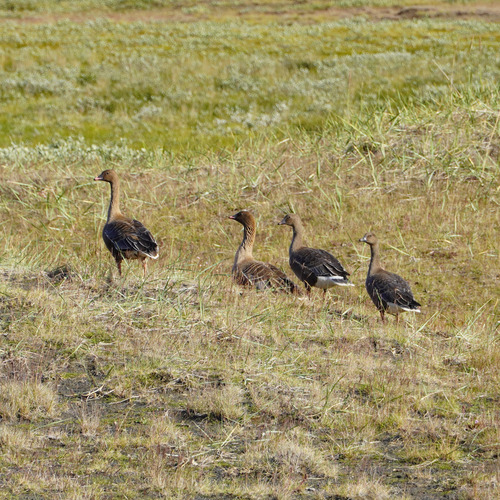
© nbasargin · CC BY · iNaturalist 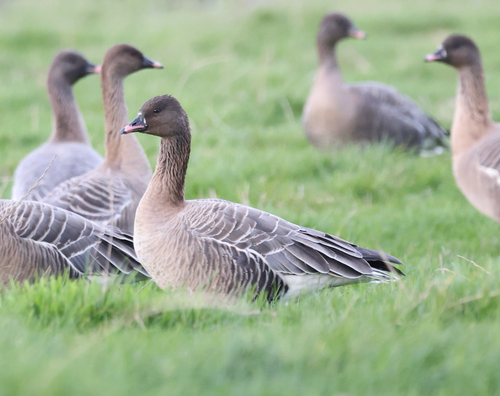
© Jerry Lanfear · CC BY · iNaturalist 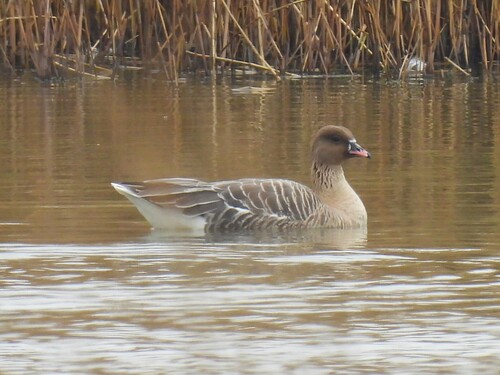
© Phil James · CC BY · iNaturalist 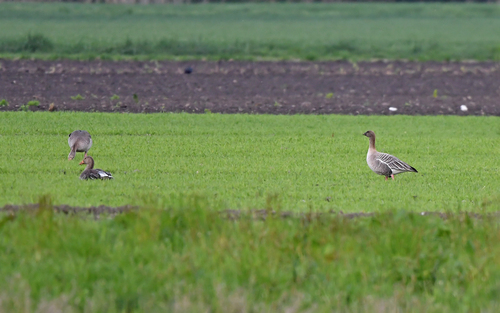
© Christoph Moning · CC BY · iNaturalist
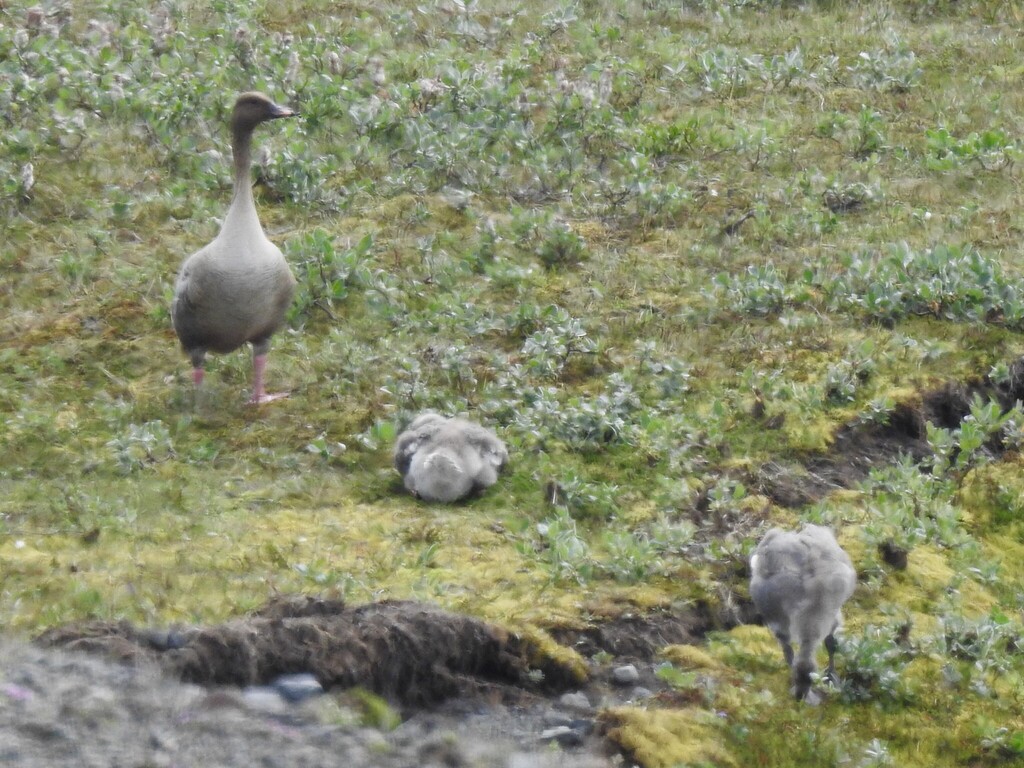
Especies relacionadasRelated species
Otras aves de la familia Anatidae y de órdenes cercanos.Other birds from the Anatidae family and nearby orders.
- ÉpicoEpic
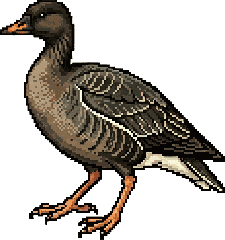 Ánsar campestre de la tundraTundra Bean GooseAnser serrirostris
- RaroRare
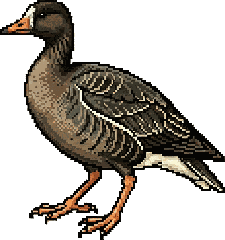 Ánsar caretoGreater White-fronted GooseAnser albifrons
- Poco comúnUncommon
 Cisne vulgarMute SwanCygnus olor
- LegendarioLegendary
 Cisne chicoBewick's SwanCygnus columbianus
- ÉpicoEpic
 Cisne cantorWhooper SwanCygnus cygnus
- ÉpicoEpic
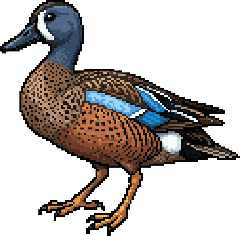 Cerceta aliazulBlue-winged TealSpatula discors
- Poco comúnUncommon
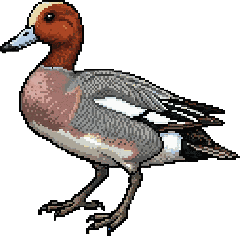 Silbón europeoEurasian WigeonMareca penelope
- ÉpicoEpic
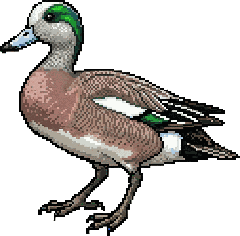 Silbón americanoAmerican WigeonMareca americana
 Gratis, sin anuncios ni comprasFree, no ads, no purchases