 BirdPedy
1.1. Observatorio de Aves MarinasSeabird hide (Aves Marinas)
Observatorio de la Junta · Frente a la playaRegional government hide · Facing the beach
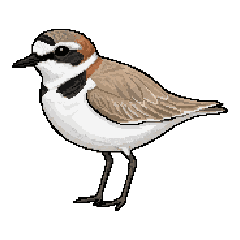
Está al final del sendero de Río Viejo, frente a la playa; desde él se ven alcatraces, gaviotas y delfines. En la playa cría el chorlitejo patinegro. Tiene allí un recinto vallado y la arena no se limpia con máquinas. En Río Viejo se ven gaviotas de Audouin y picofinas; en la laguna Grande, tarros blancos. La malvasía cabeciblanca está todo el año.It stands at the end of the Río Viejo trail, facing the beach, and from it there are Northern Gannets, gulls and dolphins. Kentish Plover breeds on the beach. It has a fenced area there and the sand is not cleaned with machines. Río Viejo has Audouin's and Slender-billed Gulls, and the Laguna Grande, Shelducks. White-headed Duck is present all year.
En el recinto vallado de la playa no se entra. Los perros van atados y, si pasan de 20 kg, con bozal.The fenced area on the beach must not be entered. Dogs must be on a lead, and muzzled if over 20 kg.
Qué verWhat to see
- Chorlitejo patinegroKentish Plovermar–sepMar–Sep
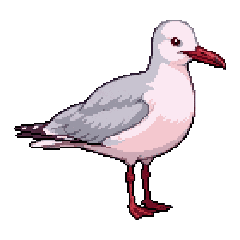 Gaviota picofinaSlender-billed Gullabr–julApr–Jul
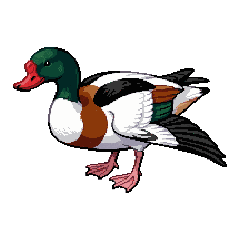 Tarro blancoCommon Shelducktodo el añoall year
Cuándo irWhen to go
Cuanto más oscuro, mejor mes.The darker, the better the month.
Cómo llegar y datos mes a mesHow to get there and month-by-month data
Cómo llegarHow to get there
1,6 km · Baja1.6 km · Easy
Por el oeste, la MA-20, salida 3 (San Julián - Guadalmar): se aparca junto a la parroquia de Guadalmar y se andan unos 600 m hasta el puente del paraje. "Birding en Málaga", el libro de rutas de la Diputación de Málaga, avisa de robos en los coches aparcados más cerca. Por el este se llega desde el pabellón Martín Carpena por la Senda Litoral. El observatorio está al final del sendero de Río Viejo, que comparten caminantes y ciclistas.From the west, the MA-20, exit 3 (San Julián - Guadalmar): there is parking by the Guadalmar parish church, about 600 m on foot from the bridge into the site. "Birding en Málaga", the Diputación de Málaga's book of routes, warns of thefts from cars parked closer. From the east, it is reached from the Martín Carpena sports hall along the Senda Litoral coastal path. The hide is at the end of the Río Viejo trail, shared by walkers and cyclists.
Ruta en Google MapsRoute in Google Maps OpenStreetMap
Datos mes a mesMonth-by-month data
| AveBird | EJ | FF | MM | AA | MM | JJ | JJ | AA | SS | OO | NN | DD |
|---|---|---|---|---|---|---|---|---|---|---|---|---|
| Chorlitejo patinegroKentish Plover | 27 | 41 | 73 | 89 | 74 | 77 | 86 | 84 | 80 | 49 | 37 | 29 |
| Gaviota picofinaSlender-billed Gull | 35 | 38 | 63 | 87 | 74 | 80 | 74 | 49 | 37 | 40 | 27 | 40 |
| Tarro blancoCommon Shelduck | 75 | 78 | 88 | 87 | 73 | 79 | 15 | 11 | 48 | 48 | 63 | 77 |
| Correlimos tridáctiloSanderling | 71 | 68 | 77 | 78 | 71 | 10 | 12 | 78 | 90 | 82 | 71 | 70 |
| Alcatraz atlánticoNorthern Gannet | 72 | 64 | 64 | 41 | 12 | 8 | 1 | 0 | 6 | 53 | 71 | 78 |
| Charrán patinegroSandwich Tern | 59 | 50 | 72 | 86 | 71 | 81 | 76 | 49 | 44 | 45 | 46 | 56 |
| Gaviota de AudouinAudouin's Gull | 10 | 25 | 43 | 55 | 44 | 58 | 77 | 70 | 50 | 27 | 10 | 8 |
| Malvasía cabeciblancaWhite-headed Duck | 66 | 66 | 78 | 84 | 61 | 64 | 66 | 63 | 39 | 28 | 36 | 51 |
| AveBird | EJ | FF | MM | AA | MM | JJ | JJ | AA | SS | OO | NN | DD |
|---|---|---|---|---|---|---|---|---|---|---|---|---|
| Chorlitejo patinegroKentish Plover | 7 | 18 | 30 | 28 | 33 | 40 | – | – | 29 | 6 | 4 | 8 |
| Gaviota picofinaSlender-billed Gull | 15 | 5 | 30 | 56 | 46 | 27 | – | – | 14 | 0 | 12 | 19 |
| Tarro blancoCommon Shelduck | 33 | 36 | 30 | 36 | 42 | 40 | – | – | 14 | 0 | 24 | 50 |
| Correlimos tridáctiloSanderling | 30 | 18 | 12 | 22 | 33 | 0 | – | – | 29 | 24 | 32 | 23 |
| Alcatraz atlánticoNorthern Gannet | 22 | 9 | 0 | 0 | 0 | 0 | – | – | 0 | 0 | 4 | 4 |
| Charrán patinegroSandwich Tern | 11 | 9 | 21 | 22 | 38 | 20 | – | – | 5 | 6 | 4 | 4 |
| Gaviota de AudouinAudouin's Gull | 0 | 5 | 3 | 6 | 4 | 13 | – | – | 24 | 0 | 4 | 0 |
| Malvasía cabeciblancaWhite-headed Duck | 15 | 18 | 24 | 25 | 8 | 7 | – | – | 5 | 0 | 0 | 12 |
| AveBird | EJ | FF | MM | AA | MM | JJ | JJ | AA | SS | OO | NN | DD |
|---|---|---|---|---|---|---|---|---|---|---|---|---|
| Gaviota picofinaSlender-billed Gull | 5 | 6 | 19 | 35 | 24 | – | – | – | 0 | 4 | 13 | 11 |
| Tarro blancoCommon Shelduck | 21 | 17 | 29 | 35 | 24 | – | – | – | 18 | 4 | 25 | 58 |
| Correlimos tridáctiloSanderling | 5 | 11 | 10 | 15 | 24 | – | – | – | 18 | 0 | 21 | 21 |
| Alcatraz atlánticoNorthern Gannet | 0 | 6 | 0 | 0 | 0 | – | – | – | 0 | 0 | 4 | 0 |
| Charrán patinegroSandwich Tern | 11 | 0 | 10 | 20 | 35 | – | – | – | 6 | 4 | 4 | 0 |