 BirdPedy
Chorlitejo grandeCommon Ringed Plover
En 52 provincias en septiembre y en 37 en eneroIn 52 provinces in September and 37 in January
Reporte de rarezaRarity report
Por qué es comúnWhy it is commonEntre 2020 y 2024 se vio en España en 3.506 ocasiones distintas, repartidas en 1.806 días, todos los años (datos de Observation.org, eBird, iNaturalist y el ICO publicados en GBIF). En la provincia mediana, 1 de cada 600 registros de aves es suyo. En la guía de aves de SEO/BirdLife figura como habitual en España.Between 2020 and 2024 it was seen in Spain on 3,506 separate occasions, spread over 1,806 days, every year (data from Observation.org, eBird, iNaturalist and ICO published on GBIF). In the median province, 1 in every 600 bird records is of this species. SEO/BirdLife's bird guide lists it as regular in Spain.
Cada carrizo es un mes: su altura, las provincias con registros de 2020 a 2024.Each reed is a month: its height, the provinces with records from 2020 to 2024.- Provincias con registrosProvinces with records
- 52 de 52of 52
- En la appIn the app
- Todo el añoAll year
- EnvergaduraWingspan
- 35-41 cm35-41 cm
- LongitudLength
- 17-19,5 cm17-19.5 cm
- Lista Roja de EspañaSpanish Red List
- LC Preocupación menorLeast Concern

Información generalGeneral Information
De las tres especies de chorlitejos habituales en nuestro territorio, el chorlitejo grande es la única que no se reproduce aquí, ya que se trata de un ave propia de las altas latitudes del hemisferio norte que aparece en las costas y humedales ibéricos exclusivamente en invierno, época en la que se instala tanto en el litoral mediterráneo como, muy especialmente, en las regiones bañadas por el Atlántico.While it doesn't breed in Spain, the Common Ringed Plover is a very common winter visitor and passage migrant. It replaces our resident Little Ringed Plover on coastal beaches and estuaries during the colder months, where it can be seen in small, active groups.
IdentificaciónIdentification
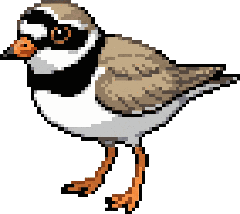
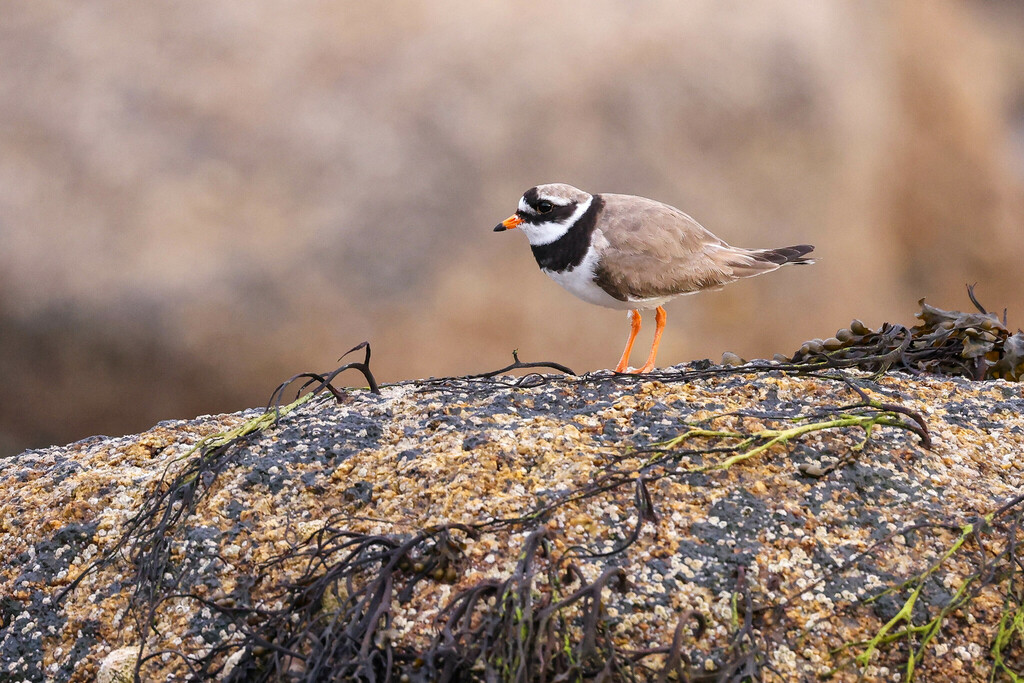
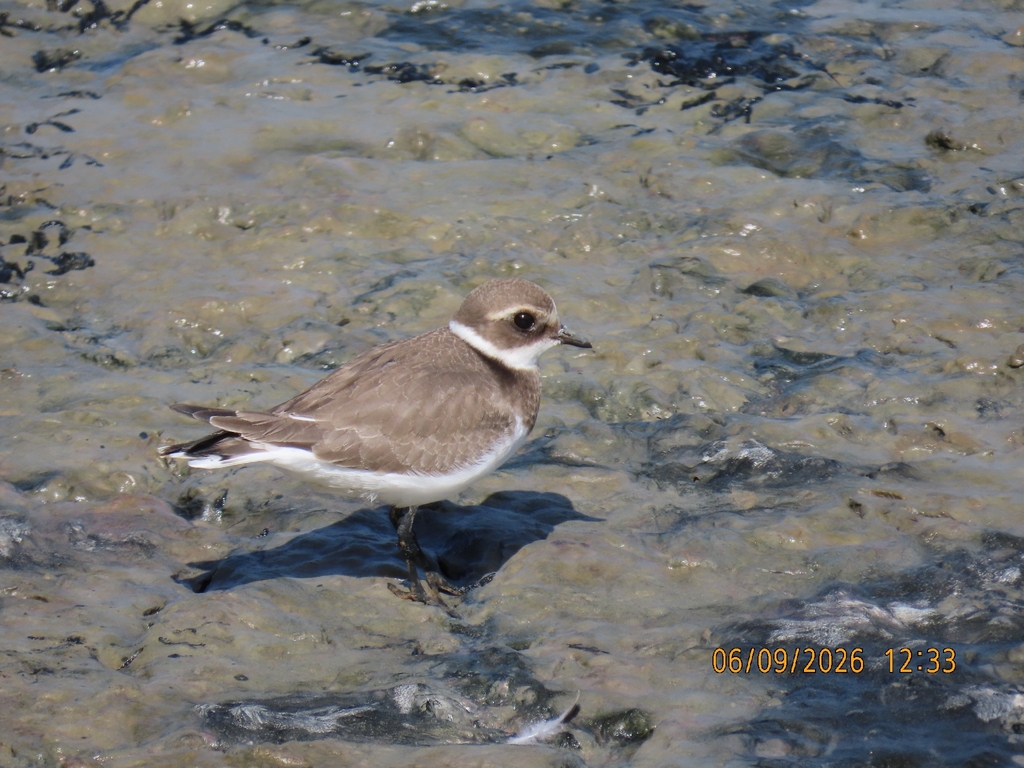
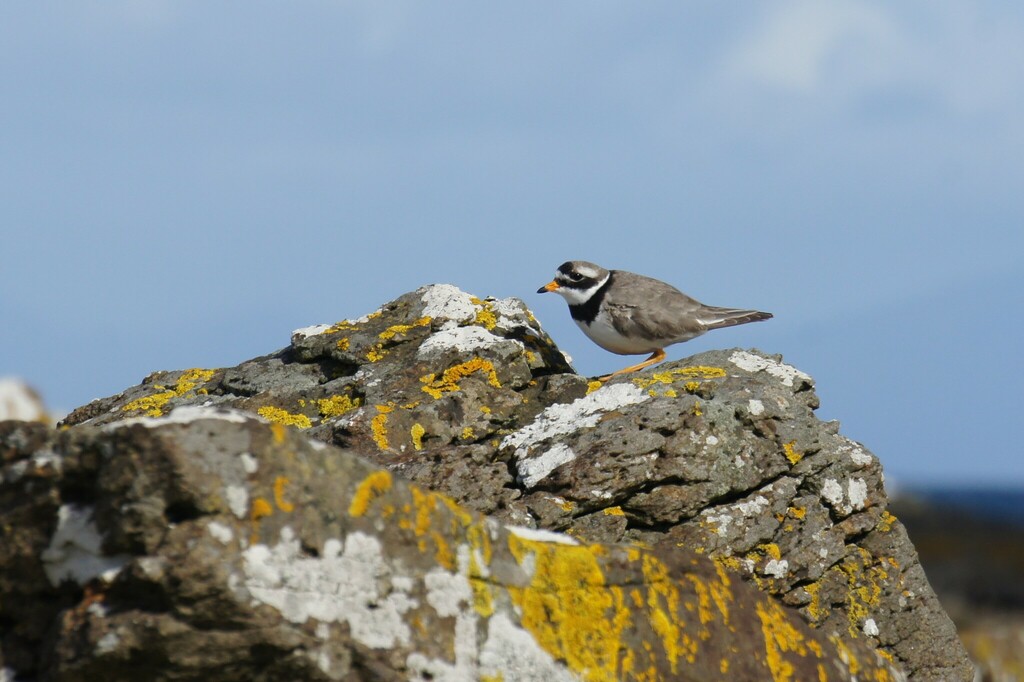
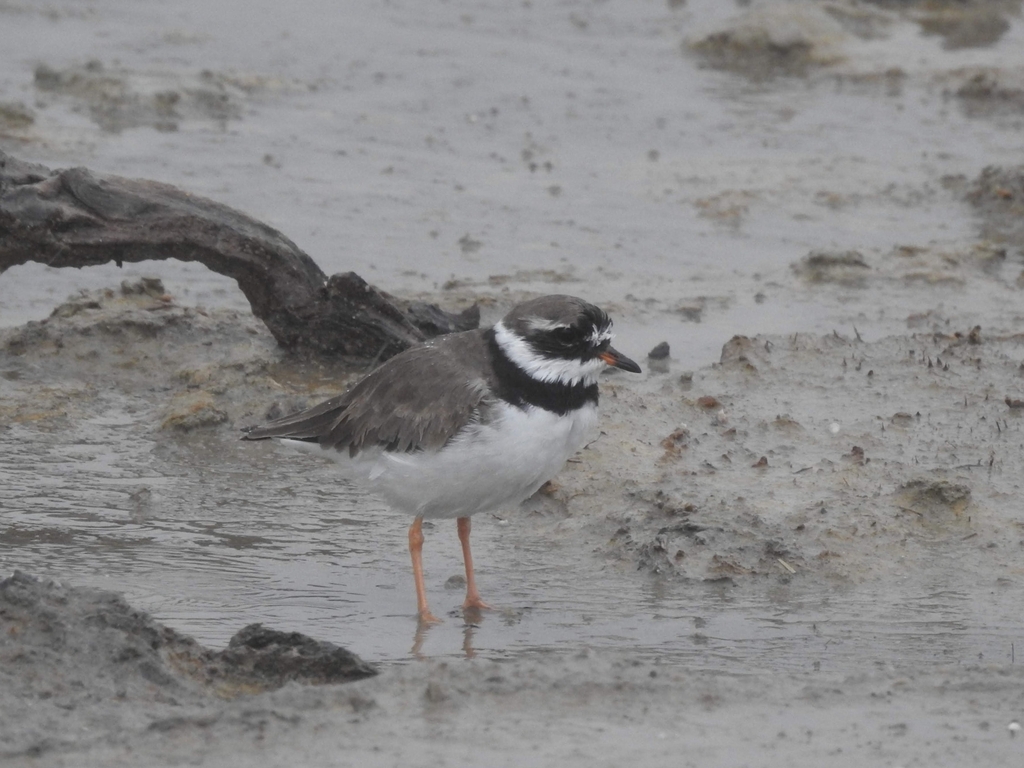
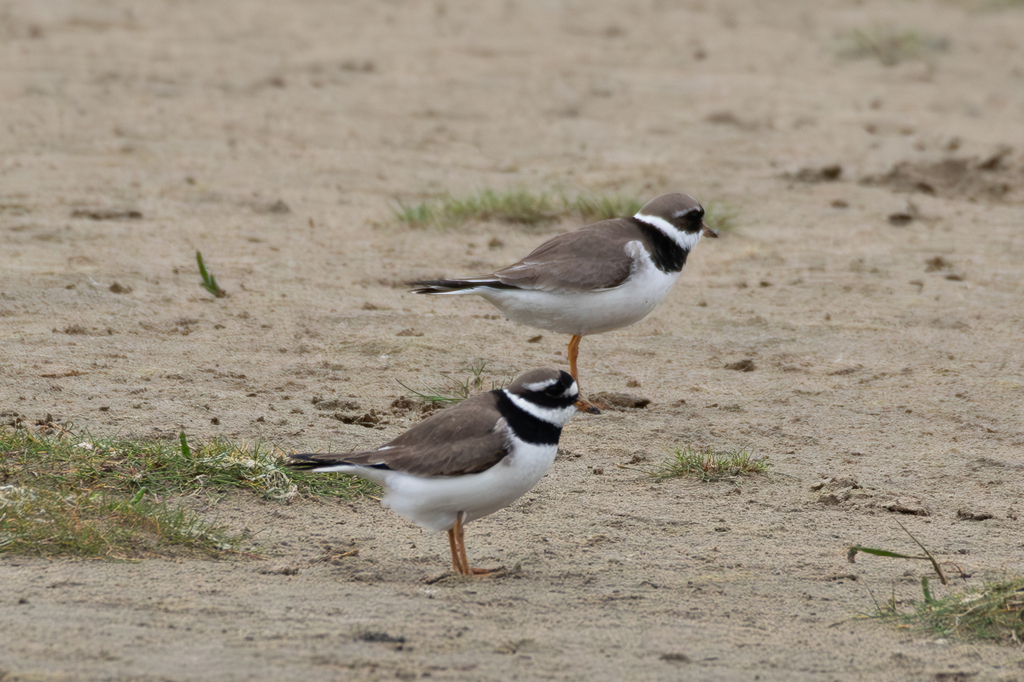
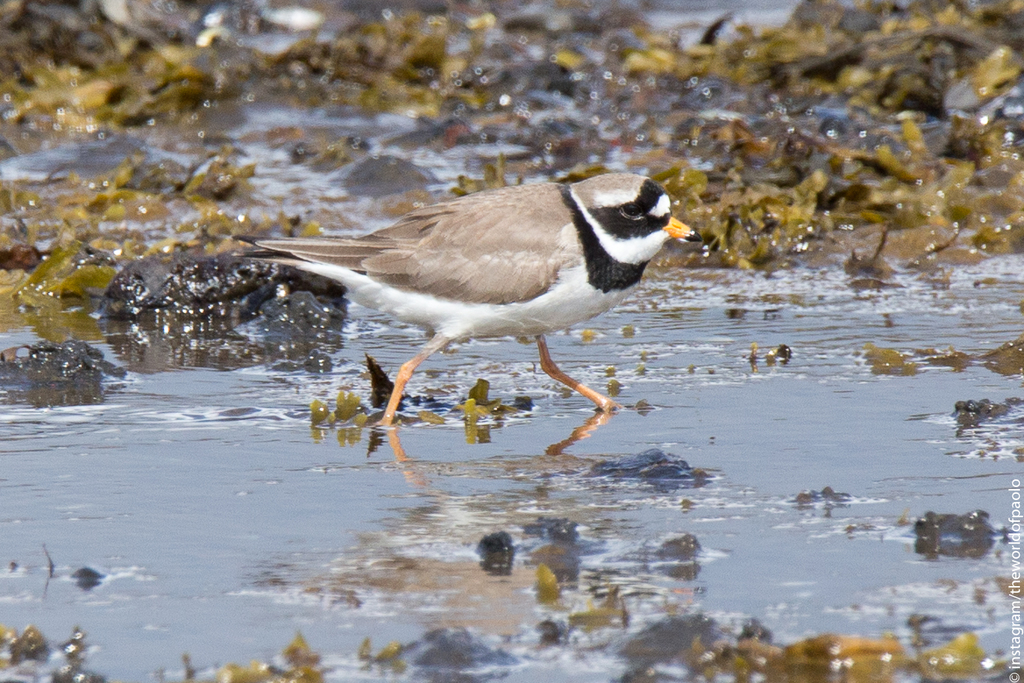
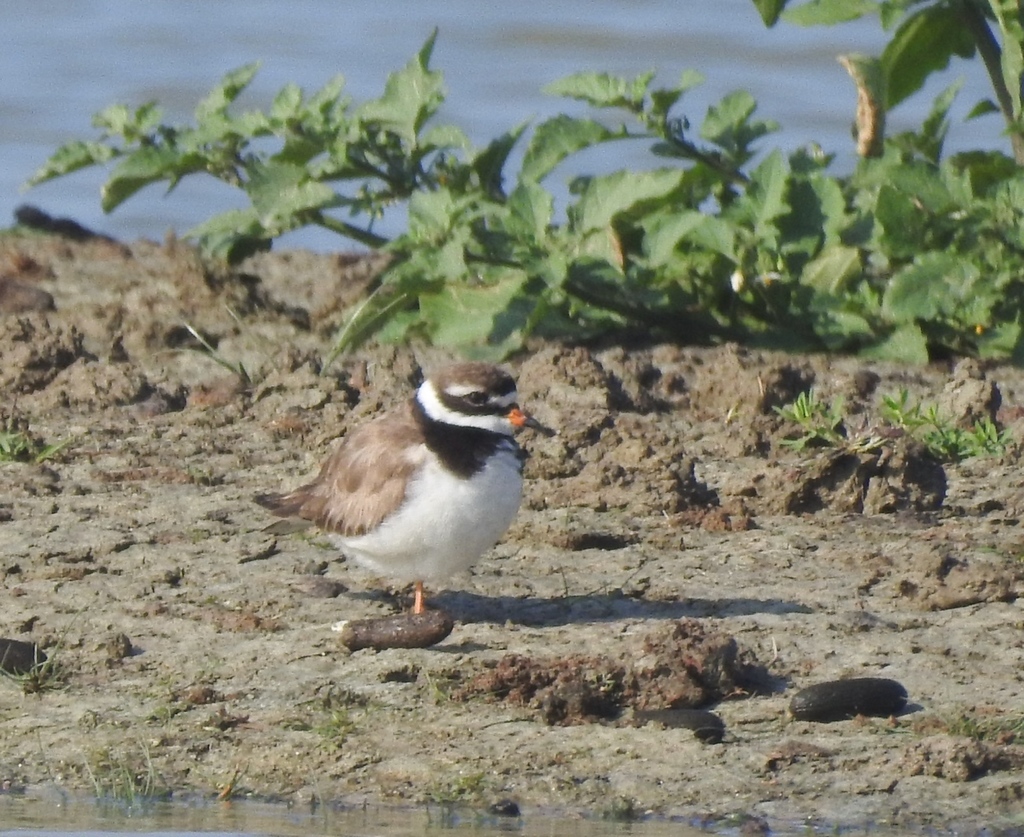
Esta limícola de pequeño tamaño, aunque de aspecto robusto, se caracteriza por poseer una voluminosa cabeza rematada por un pico bastante corto. El macho adulto en plumaje nupcial luce un collar negro y característicos dibujos cefálicos en forma de una marcada ceja blanca y una línea negra que parte del píleo y surca la cara del ave hasta el pico, enmarcando la región frontal, blanca. El pico presenta la base naranja y la punta negra y las patas son, asimismo, naranjas. La librea nupcial de la hembra es muy similar a la del macho, aunque con el negro más apagado. En los adultos no reproductores, en cambio, la frente se une con la ceja, las zonas negras son menos intensas y el naranja del pico apenas resulta perceptible. Las aves juveniles se asemejan a los ejemplares no reproductores, aunque con las plumas del dorso ribeteadas de negro y ante.Similar to the Little Ringed Plover but bulkier and with an orange-based bill (with a black tip) and bright orange legs. In flight, it shows a prominent white wing bar (which the Little Ringed Plover lacks). Adults have a bold black-and-white head pattern and collar. Juveniles are duller with a dark bill and dull legs. In Spain, it is exclusively a non-breeding visitor, found along coasts and larger wetlands.
DistribuciónDistribution
El chorlitejo grande no se reproduce en España, aunque durante la invernada se puede considerar un ave relativamente común en las costas atlánticas y algo menos habitual en el litoral mediterráneo. Las principales concentraciones de la especie tienen lugar en las marismas del Guadalquivir y en los humedales de la bahía de Cádiz. Con menor presencia, también se encuentra en zonas de interior, así como en Islas Baleares y Canarias.Exclusively a winterer and migrant in Spain. Highest concentrations in the Guadalquivir marshes and Bay of Cádiz. Also regular along the Mediterranean and Cantabrian coasts and archipelagos.
Textos reproducidos con permiso de laTexts translated and reproduced with permission from the Guía de Aves de España © SEO/BirdLife
Estado de conservaciónConservation Status
- EX
- RE
- CR
- EN
- VU
- NT
- LC
Preocupación menorLeast Concern
Qué significa cada categoríaWhat each category means
- LC
- Preocupación menor: Taxón evaluado que no califica para categorías amenazadas. Especies abundantes y ampliamente distribuidasLeast Concern - Evaluated taxon that does not qualify for threatened categories. Widespread and abundant taxa
- NT
- Casi amenazada: No califica actualmente como amenazada, pero está cerca de calificar o es probable que califique en el futuro cercanoNear Threatened - Does not currently qualify as threatened, but is close to qualifying or likely to qualify in the near future
- VU
- Vulnerable: Enfrenta un alto riesgo de extinción en estado silvestre según los criterios A a E de IUCNVulnerable - Facing a high risk of extinction in the wild based on IUCN criteria A to E
- EN
- En peligro: Enfrenta un riesgo muy alto de extinción en estado silvestre según los criterios A a E de IUCNEndangered - Facing a very high risk of extinction in the wild based on IUCN criteria A to E
- CR
- En peligro crítico: Enfrenta un riesgo extremadamente alto de extinción en estado silvestre según los criterios A a E de IUCNCritically Endangered - Facing an extremely high risk of extinction in the wild based on IUCN criteria A to E
- DD
- Datos insuficientes: Información inadecuada para evaluar el riesgo de extinción basándose en distribución o estado poblacionalData Deficient - Inadequate information to assess extinction risk based on distribution and/or population status
- NE
- No evaluada: No ha sido evaluada aún contra los criterios de la Lista Roja de IUCNNot Evaluated - Has not yet been assessed against the IUCN Red List criteria
- RE
- Extinta regionalmente: El taxón ya no existe en la región específica, aunque puede sobrevivir en otros lugaresRegionally Extinct - Taxon no longer exists in the specific region, though it may survive elsewhere
- EX
- Extinta - No existe duda razonable de que ha muerto el último individuo del taxónExtinct - No reasonable doubt that the last individual of the taxon has died
TaxonomíaTaxonomy
- OrdenOrder
- Charadriiformes
- FamiliaFamily
- Charadriidae
Presencia en EspañaPresence in Spain
- De pasoPassage migrant
- HabitualRegular
- InvernanteWinter visitor
En la app: todo el año.In the app: all year.
Dónde verlaWhere to see it
1.006 cuadrículas de 10 km con registros de 2020 a 2024. Toca un mes para ver dónde se ha visto.1,006 10 km squares with records from 2020 to 2024. Pick a month to see where it has been seen.
Cargando el mapa…Loading the map…
Dónde es regularWhere it is regular
Provincias con registros en al menos 3 de los 5 años algún mes, de más a menos frecuente, y sus mejores meses.Provinces with records in at least 3 of the 5 years in some month, from most to least frequent, and their best months.
- Las PalmasLas Palmasseptiembre, octubre, noviembreSeptember, October, November
- HuelvaHuelvaseptiembre, agosto, octubreSeptember, August, October
- ValenciaValenciaseptiembre, agosto, octubreSeptember, August, October
- AlmeríaAlmeríaseptiembre, octubre, mayoSeptember, October, May
- TarragonaTarragonaseptiembre, agosto, mayoSeptember, August, May
- LugoLugoseptiembre, octubre, mayoSeptember, October, May
- A CoruñaA Coruñaseptiembre, octubre, agostoSeptember, October, August
- Santa Cruz de TenerifeSanta Cruz de Tenerifeseptiembre, octubre, noviembreSeptember, October, November
- CádizCádizseptiembre, octubre, agostoSeptember, October, August
- AsturiasAsturiasseptiembre, mayo, octubreSeptember, May, October
Ver las 50 provinciasSee all 50 provinces
- SalamancaSalamancaseptiembre, octubre, agostoSeptember, October, August
- PontevedraPontevedraseptiembre, octubre, agostoSeptember, October, August
- ZamoraZamoraseptiembre, octubre, mayoSeptember, October, May
- GuipúzcoaGuipúzcoaseptiembre, mayo, agostoSeptember, May, August
- CantabriaCantabriaseptiembre, mayo, octubreSeptember, May, October
- PalenciaPalenciaseptiembre, agosto, mayoSeptember, August, May
- ÁlavaÁlavaseptiembre, octubre, agostoSeptember, October, August
- MálagaMálagamayo, septiembre, octubreMay, September, October
- ToledoToledoseptiembre, mayo, octubreSeptember, May, October
- BurgosBurgosseptiembre, mayo, octubreSeptember, May, October
- AlicanteAlicanteoctubre, septiembre, agostoOctober, September, August
- MurciaMurciaagosto, septiembre, octubreAugust, September, October
- AlbaceteAlbaceteseptiembre, mayo, octubreSeptember, May, October
- VizcayaVizcayamayo, septiembre, octubreMay, September, October
- La RiojaLa Riojaseptiembre, octubre, agostoSeptember, October, August
- Ciudad RealCiudad Realmayo, septiembre, octubreMay, September, October
- BalearesBalearic Islandsseptiembre, mayo, octubreSeptember, May, October
- CáceresCáceresseptiembre, octubre, agostoSeptember, October, August
- GironaGironaseptiembre, mayo, agostoSeptember, May, August
- LeónLeónseptiembre, mayo, abrilSeptember, May, April
- CuencaCuencamayo, septiembre, octubreMay, September, October
- SevillaSevillaseptiembre, octubre, agostoSeptember, October, August
- BadajozBadajozseptiembre, octubre, agostoSeptember, October, August
- ÁvilaÁvilaseptiembre, octubre, noviembreSeptember, October, November
- CastellónCastellónmayo, septiembre, agostoMay, September, August
- HuescaHuescaseptiembre, mayo, abrilSeptember, May, April
- NavarraNavarraseptiembre, mayo, octubreSeptember, May, October
- BarcelonaBarcelonaseptiembre, mayo, abrilSeptember, May, April
- ValladolidValladolidseptiembre, mayo, octubreSeptember, May, October
- SegoviaSegoviaseptiembre, mayo, octubreSeptember, May, October
- ZaragozaZaragozaseptiembre, mayo, agostoSeptember, May, August
- SoriaSoriaseptiembre, mayo, octubreSeptember, May, October
- TeruelTeruelseptiembre, mayo, abrilSeptember, May, April
- GranadaGranadaseptiembre, octubre, eneroSeptember, October, January
- MadridMadridseptiembre, mayo, abrilSeptember, May, April
- LleidaLleidamayo, septiembre, marzoMay, September, March
- JaénJaénseptiembreSeptember
- GuadalajaraGuadalajaramayo, abrilMay, April
- CórdobaCórdobaseptiembreSeptember
- OurenseOurensemayoMay
Datos: registros en GBIF de 2020 a 2024 de Observation.org, eBird, iNaturalist y el ICO, descargados el 23/10/2026.Data: GBIF records from 2020 to 2024 from Observation.org, eBird, iNaturalist and the ICO, downloaded on 23/10/2026. GBIF.org (23 October 2026) GBIF Occurrence Download · doi:10.15468/dl.r5sf2a · CC BY-NC 4.0
GaleríaGallery

© Вячеслав Юсупов · CC BY · iNaturalist 
© Вячеслав Юсупов · CC BY · iNaturalist 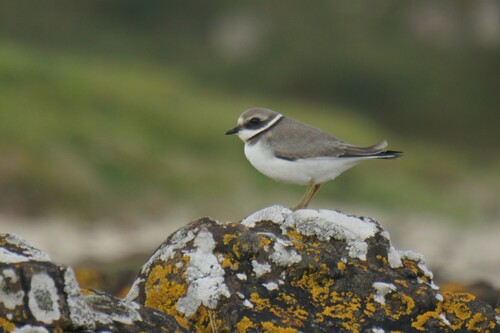
© Alex Press · CC BY · iNaturalist 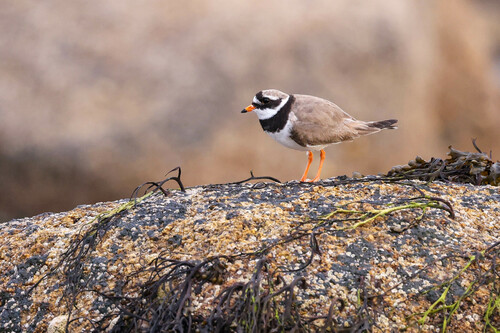
© Ged Tranter · CC BY · iNaturalist 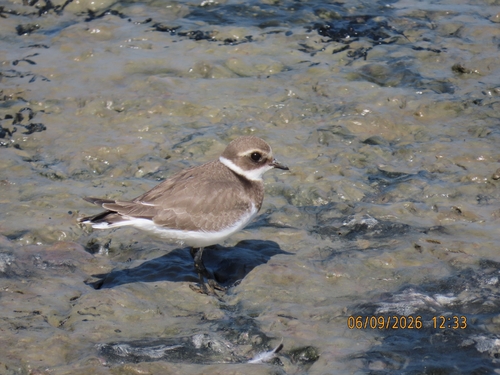
© Tracy Gould · CC BY · iNaturalist 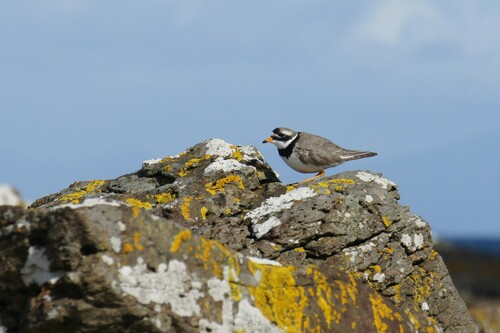
© Alex Press · CC BY · iNaturalist 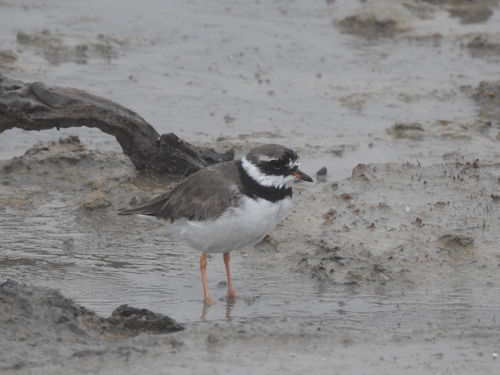
© Olivier Morel · CC BY · iNaturalist 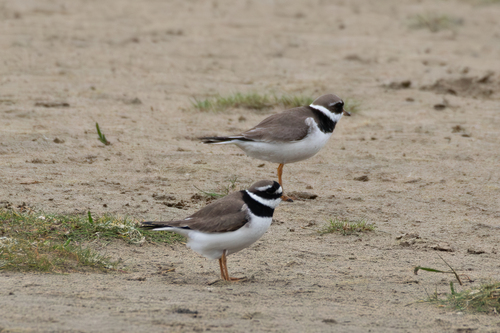
© Sel · CC BY · iNaturalist 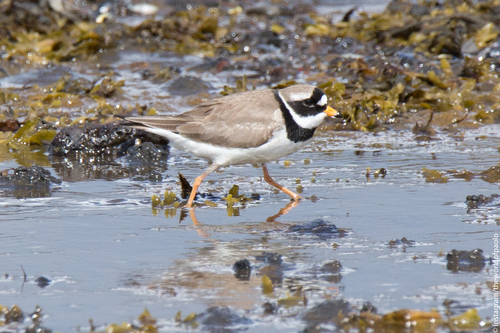
© Paolo Zucca · CC BY · iNaturalist 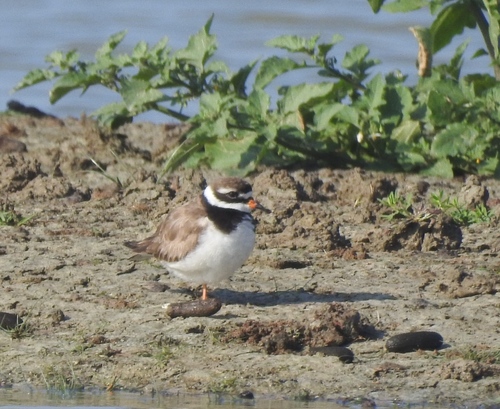
© Paolo Zucca · CC BY · iNaturalist
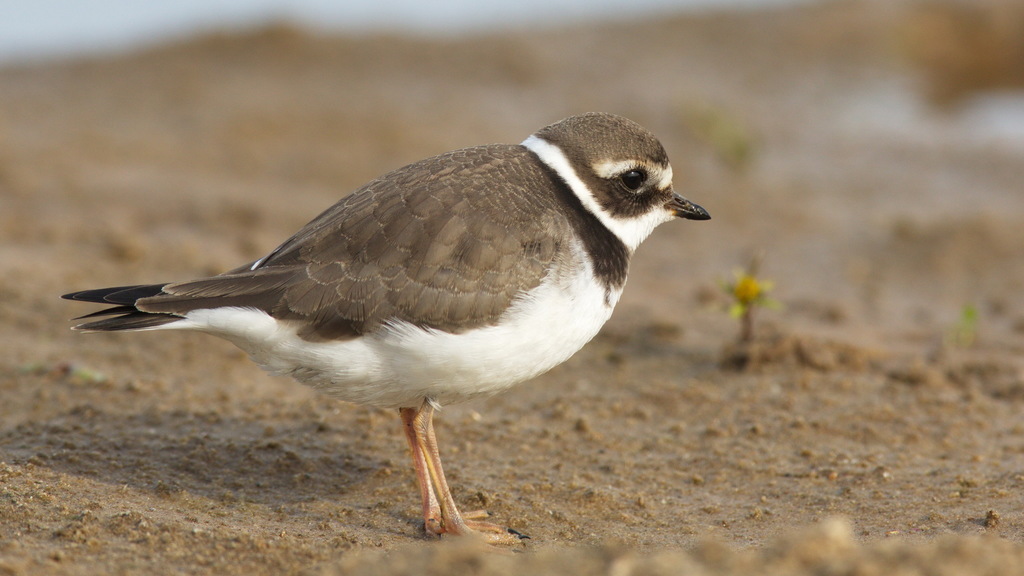
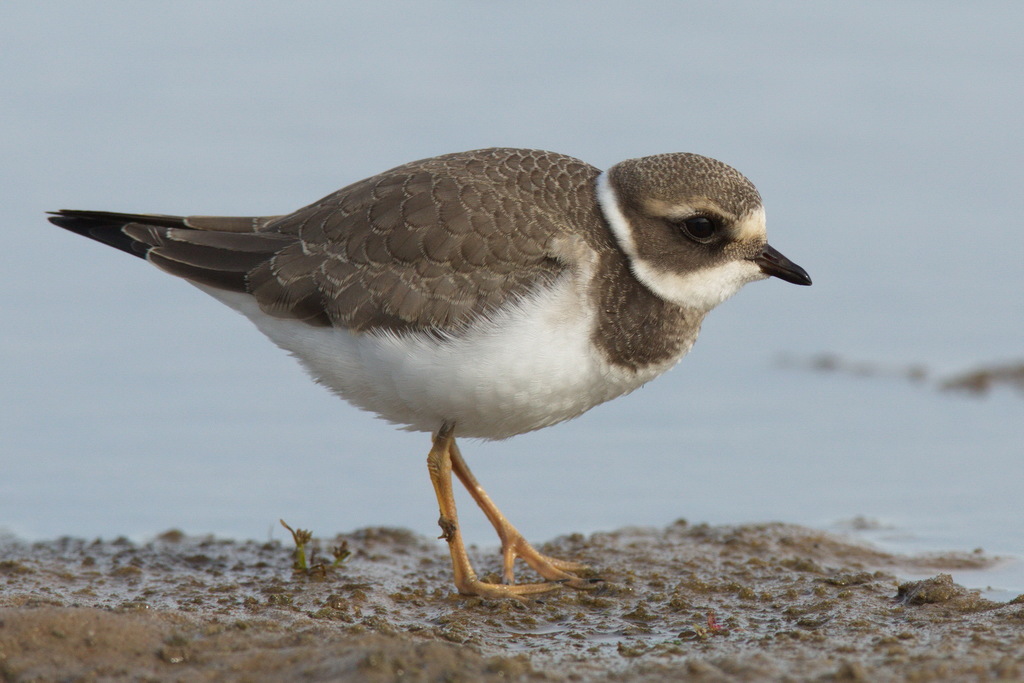
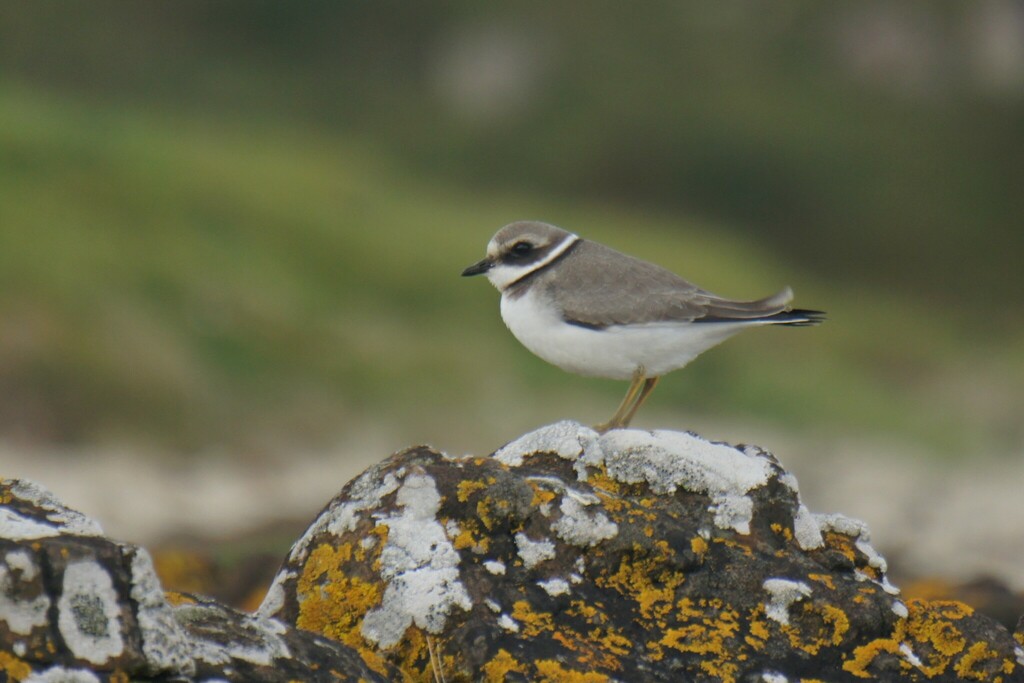
Especies relacionadasRelated species
Otras aves de la familia Charadriidae y de órdenes cercanos.Other birds from the Charadriidae family and nearby orders.
- Poco comúnUncommon
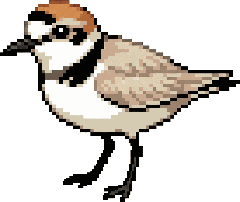 Chorlitejo patinegroKentish PloverCharadrius alexandrinus
- RaroRare
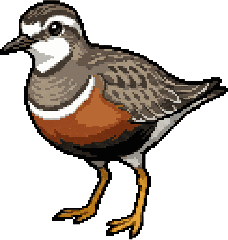 Chorlito caramboloEurasian DotterelCharadrius morinellus
- ComúnCommon
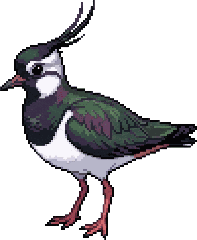 Avefría europeaNorthern LapwingVanellus vanellus
- ÉpicoEpic
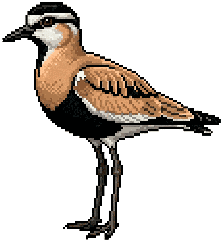 Avefría sociableSociable LapwingVanellus gregarius
- LegendarioLegendary
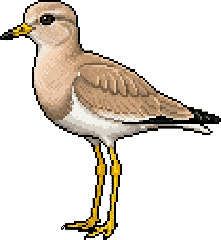 Avefría coliblancaWhite-tailed LapwingVanellus leucurus
- Poco comúnUncommon
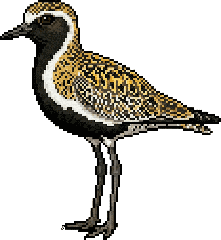 Chorlito dorado europeoEuropean Golden PloverPluvialis apricaria
- ÉpicoEpic
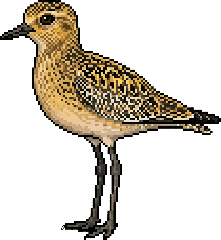 Chorlito dorado siberianoPacific Golden PloverPluvialis fulva
- ÉpicoEpic
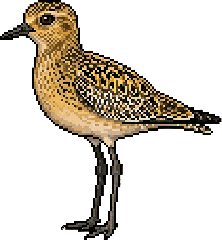 Chorlito dorado americanoAmerican Golden PloverPluvialis dominica
 Gratis, sin anuncios ni comprasFree, no ads, no purchases