 BirdPedy
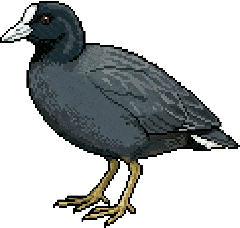
Focha americanaAmerican Coot
Reporte de rarezaRarity report
Por qué es legendarioWhy it is legendaryRareza transatlántica inconfundible por el diseño de su escudo frontal y las marcas oscuras en el pico. Su presencia en humedales españoles es de carácter accidental y muy ocasional.Transatlantic rarity, unmistakable for the pattern of its frontal shield and the dark marks on its bill. Its presence in Spanish wetlands is accidental and very occasional.
- EnvergaduraWingspan
- 60-70 cm60-70 cm
- LongitudLength
- 31-37 cm31-37 cm
- Lista Roja de EspañaSpanish Red List
- NE No evaluada en EspañaNot assessed in Spain

IdentificaciónIdentification
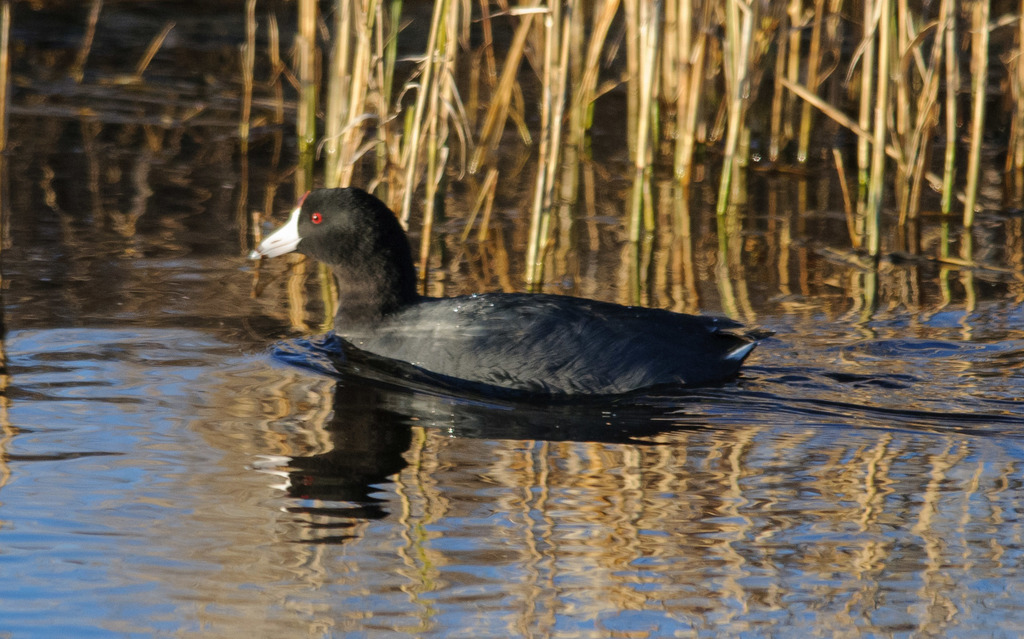
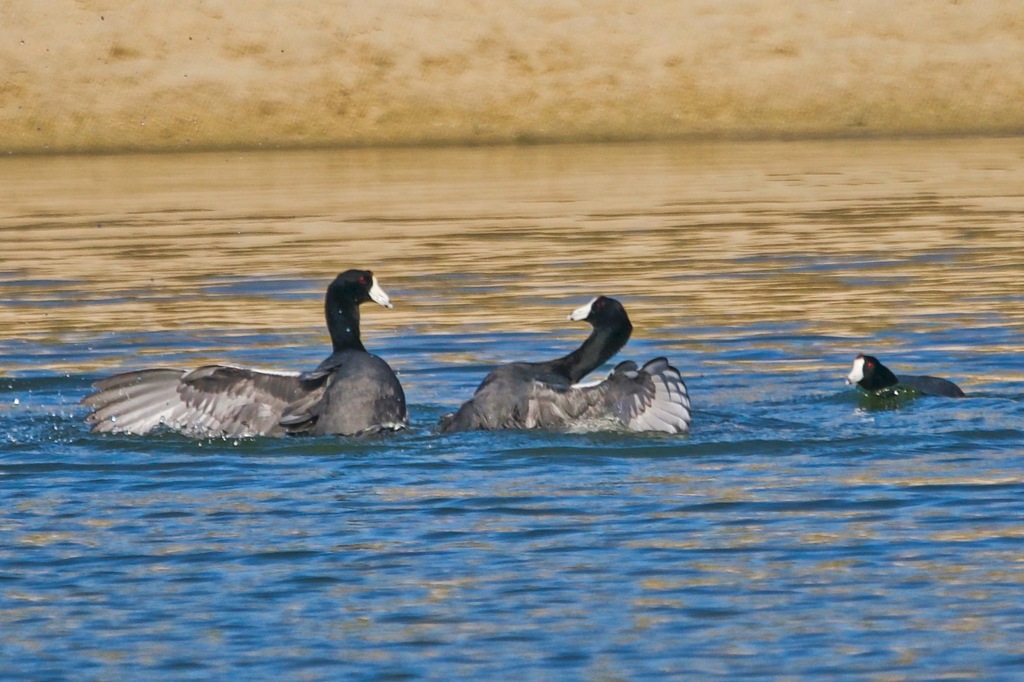
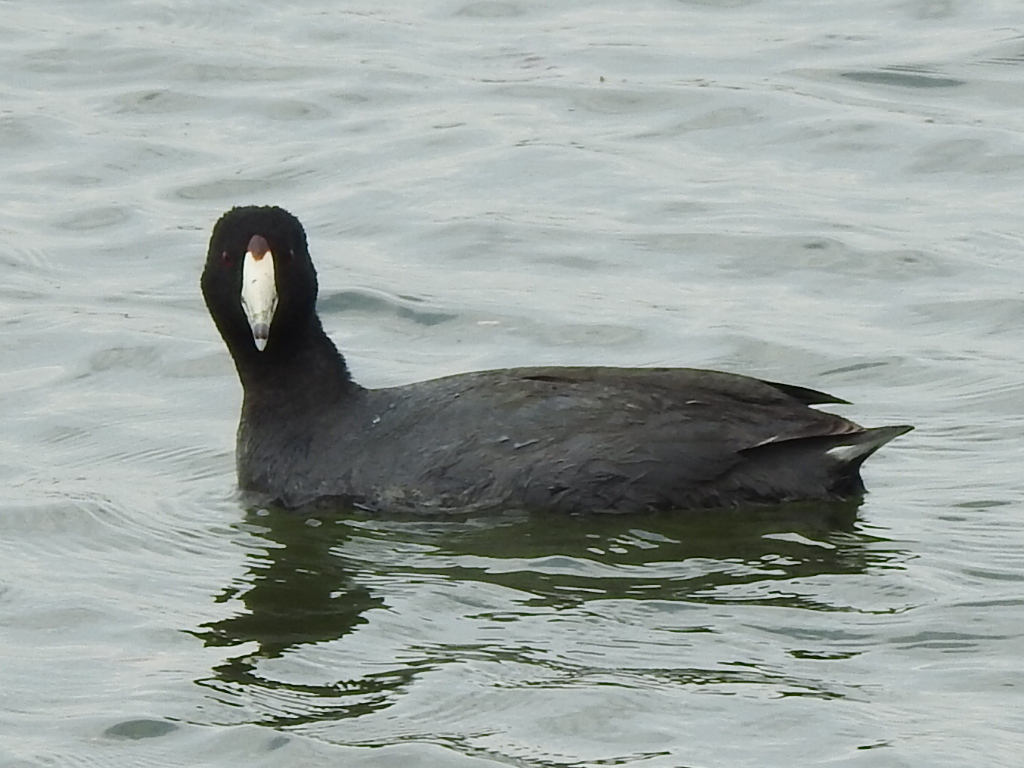
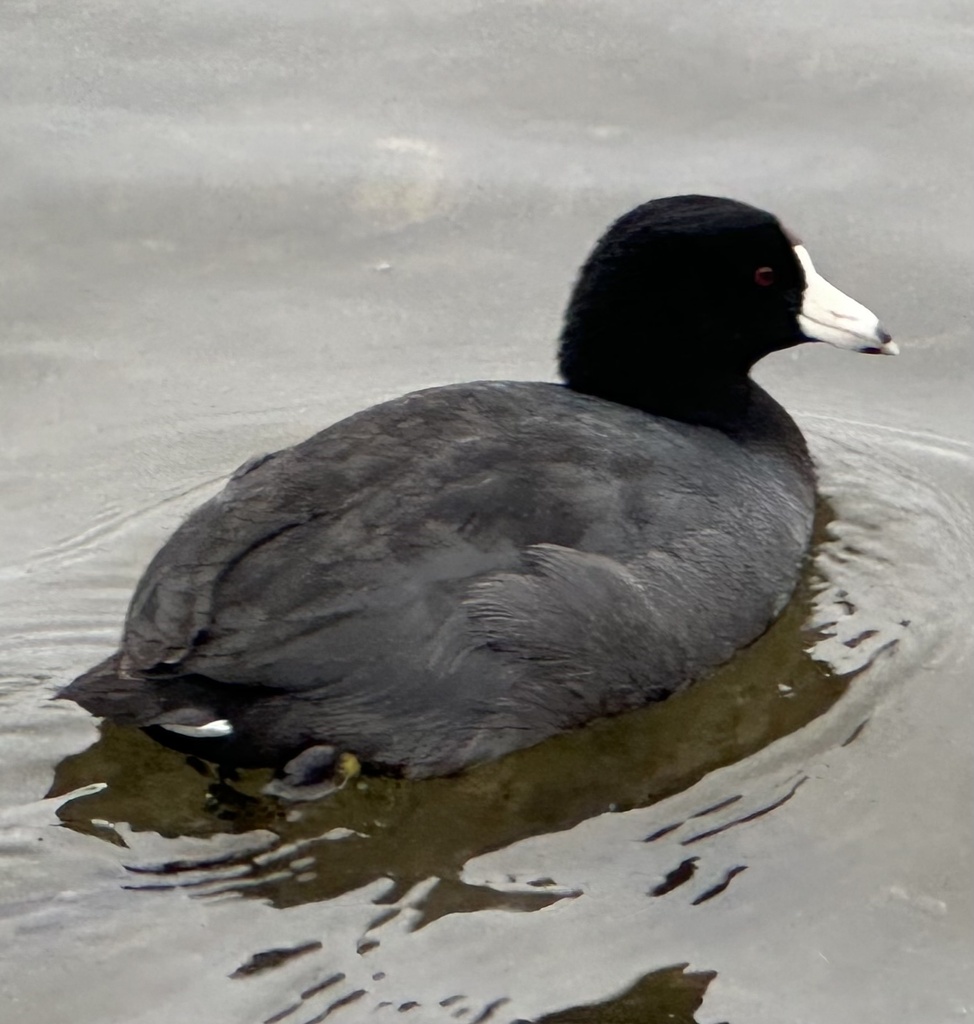
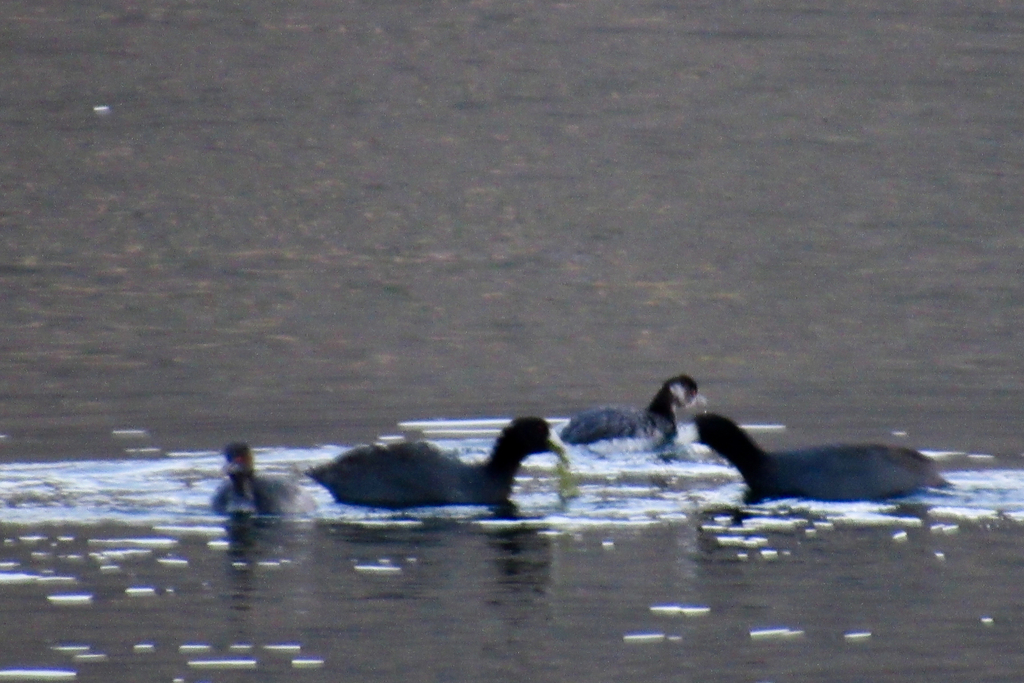
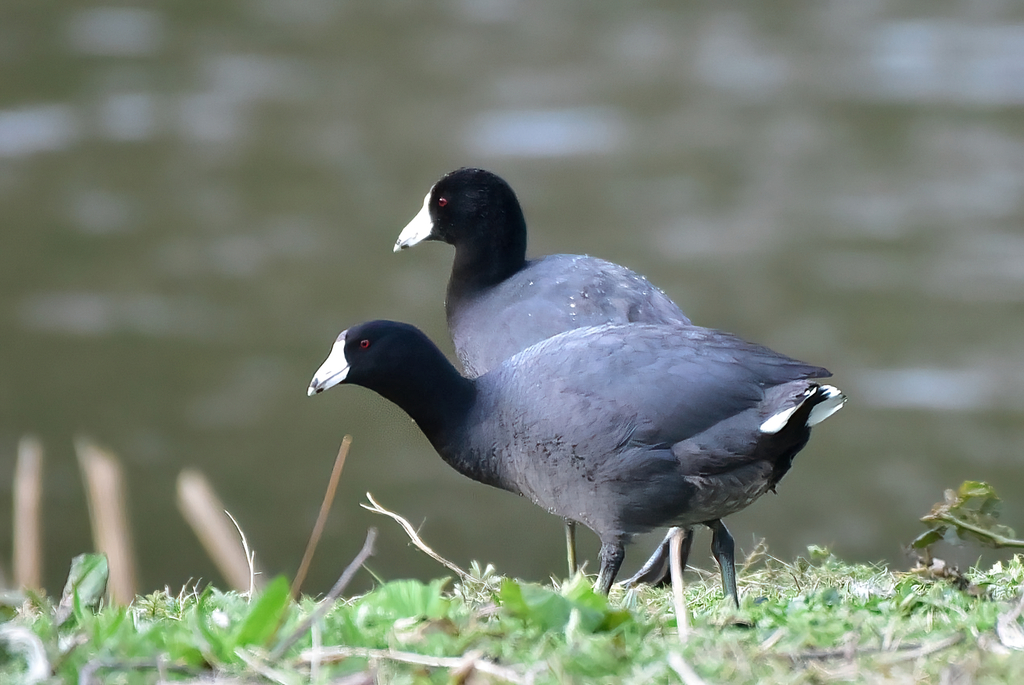
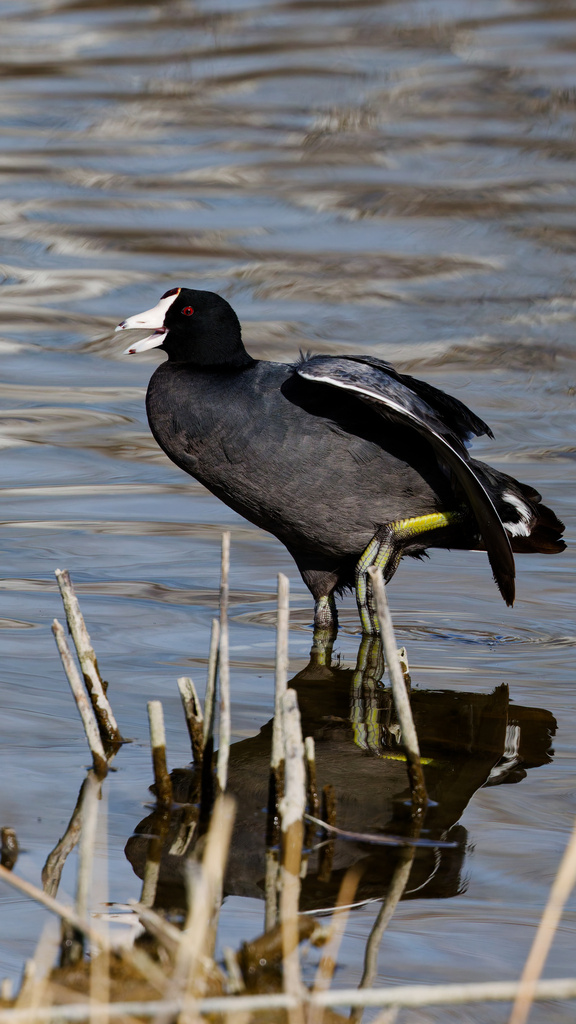
Se distingue bien de las fochas común y moruna por presentar infracoberteras caudales blancas. Además es ligeramente menor, tiene áreas castañas en el pico a modo de anillo incompleto y en lo alto del escudete frontal, y muestra un mayor contraste entre el negro de la cabeza y el cuello y el gris del resto del cuerpo.Very similar to our Common Coot but distinguished by several subtle features. The most diagnostic is the presence of white feathers under the tail (infracoverts). It is slightly smaller and features a dark ring near the tip of its bill and a reddish-brown knob on top of its white frontal shield. The body is often a more contrasted gray against a blacker head. It is a rare accidental visitor from North America.
DistribuciónDistribution
Se trata de un ave divagante muy rara a este lado del Atlántico, con citas en Islandia, las islas Feroe, Irlanda, Gran Bretaña, Azores y Portugal, generalmente en otoño (octubre-noviembre) y primavera (marzo-abril). Para España solo se conocen dos observaciones homologadas, una de ellas en Irún (País Vasco) en noviembre de 1999, y la otra en Sanxenxo (Galicia) entre enero y marzo de 2003.Very rare accidental visitor from North America. Only two homologated records for Spain: Basque Country (1999) and Galicia (2003). Exceptional.
Textos reproducidos con permiso de laTexts translated and reproduced with permission from the Guía de Aves de España © SEO/BirdLife
Estado de conservaciónConservation Status
- EX
- RE
- CR
- EN
- VU
- NT
- LC
NE
No evaluada en EspañaNot assessed in Spain
Sin categoría en el Libro Rojo de las Aves de España 2021No category in the Red Book of the Birds of Spain 2021
Qué significa cada categoríaWhat each category means
- LC
- Preocupación menor: Taxón evaluado que no califica para categorías amenazadas. Especies abundantes y ampliamente distribuidasLeast Concern - Evaluated taxon that does not qualify for threatened categories. Widespread and abundant taxa
- NT
- Casi amenazada: No califica actualmente como amenazada, pero está cerca de calificar o es probable que califique en el futuro cercanoNear Threatened - Does not currently qualify as threatened, but is close to qualifying or likely to qualify in the near future
- VU
- Vulnerable: Enfrenta un alto riesgo de extinción en estado silvestre según los criterios A a E de IUCNVulnerable - Facing a high risk of extinction in the wild based on IUCN criteria A to E
- EN
- En peligro: Enfrenta un riesgo muy alto de extinción en estado silvestre según los criterios A a E de IUCNEndangered - Facing a very high risk of extinction in the wild based on IUCN criteria A to E
- CR
- En peligro crítico: Enfrenta un riesgo extremadamente alto de extinción en estado silvestre según los criterios A a E de IUCNCritically Endangered - Facing an extremely high risk of extinction in the wild based on IUCN criteria A to E
- DD
- Datos insuficientes: Información inadecuada para evaluar el riesgo de extinción basándose en distribución o estado poblacionalData Deficient - Inadequate information to assess extinction risk based on distribution and/or population status
- NE
- No evaluada: No ha sido evaluada aún contra los criterios de la Lista Roja de IUCNNot Evaluated - Has not yet been assessed against the IUCN Red List criteria
- RE
- Extinta regionalmente: El taxón ya no existe en la región específica, aunque puede sobrevivir en otros lugaresRegionally Extinct - Taxon no longer exists in the specific region, though it may survive elsewhere
- EX
- Extinta - No existe duda razonable de que ha muerto el último individuo del taxónExtinct - No reasonable doubt that the last individual of the taxon has died
TaxonomíaTaxonomy
- OrdenOrder
- Gruiformes
- FamiliaFamily
- Rallidae
Presencia en EspañaPresence in Spain
- OcasionalOccasional
Revisión científica de BirdPedyBirdPedy scientific review
Revisada por BirdPedy el 28/10/2026 ·Reviewed by BirdPedy on 28 October 2026 · Cómo revisamosHow we review
RarezaRarity
ReferenciasReferences
- GBIF.org (23/10/2026). Descarga de registros de aves de España, 2020-2024, con el día y la cuadrícula de 10 km de cada uno, para contar ocasiones y días.GBIF.org (23 October 2026). Occurrence download of birds in Spain, 2020-2024, with the day and 10 km square of each record, to count occasions and days. doi.org/10.15468/dl.bqdmdt
- GBIF.org (23/10/2026). Descarga de registros de aves de España, 2020-2024 (Observation.org, eBird, iNaturalist e ICO).GBIF.org (23 October 2026). Occurrence download of birds in Spain, 2020-2024 (Observation.org, eBird, iNaturalist and ICO). doi.org/10.15468/dl.r5sf2a
GaleríaGallery
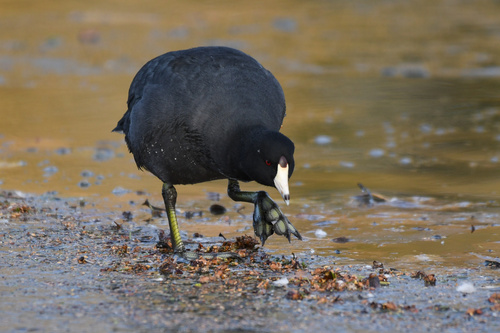
© Justin Flint · CC BY · iNaturalist 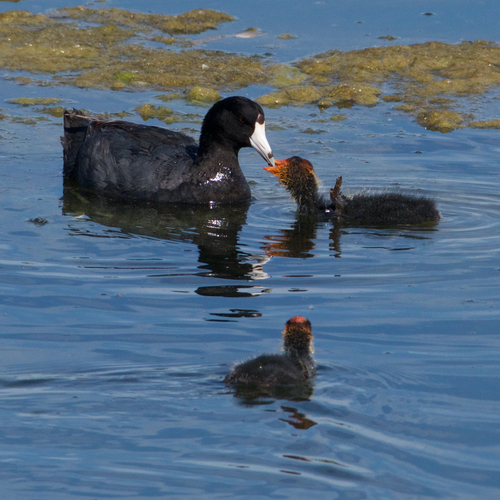
© Jonathan Eisen · CC BY · iNaturalist 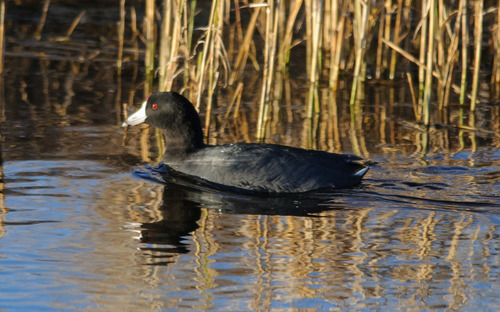
© Rolf Lawrenz · CC BY · iNaturalist 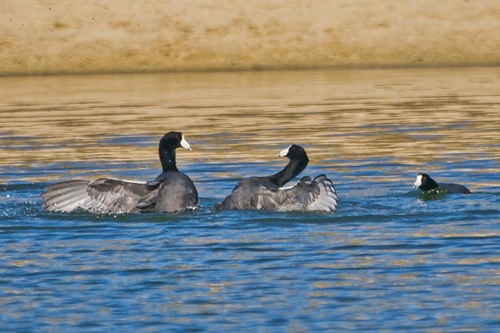
© Bill Levine · CC BY · iNaturalist 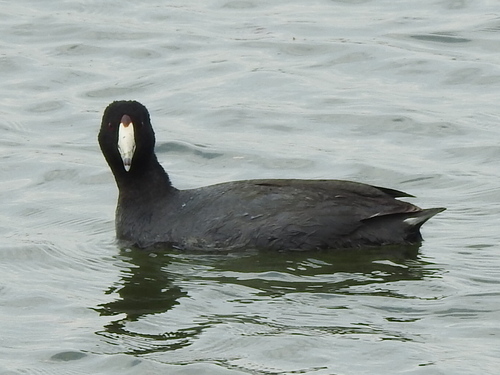
© Sam Kieschnick · CC BY · iNaturalist 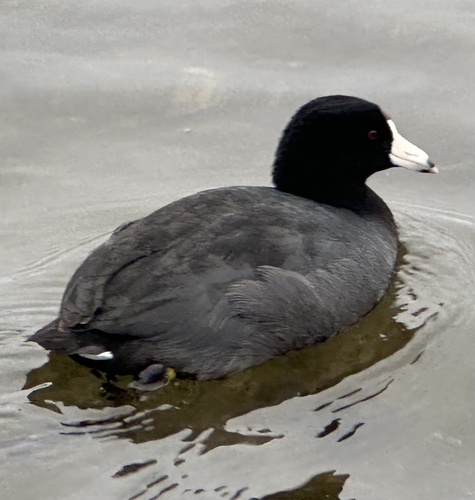
© Irina Mitine · CC BY · iNaturalist 
© CK2AZ · CC BY · iNaturalist 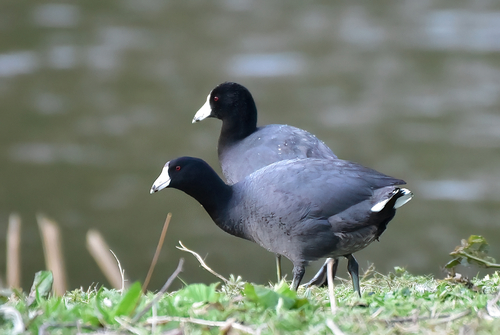
© Marcel_Pepin · CC BY · iNaturalist 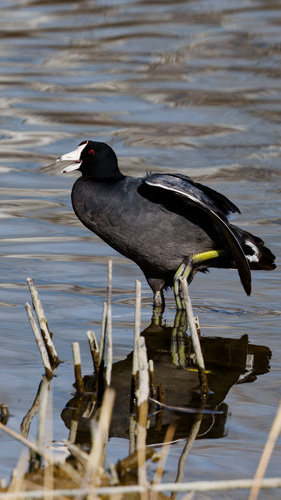
© Daughter Dad · CC BY · iNaturalist
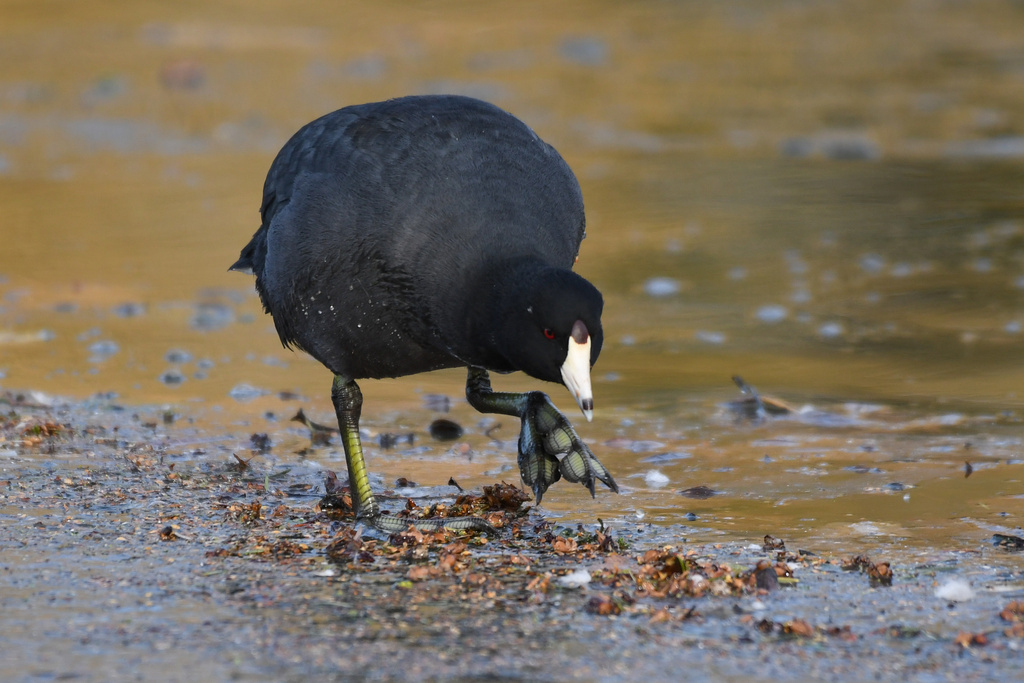
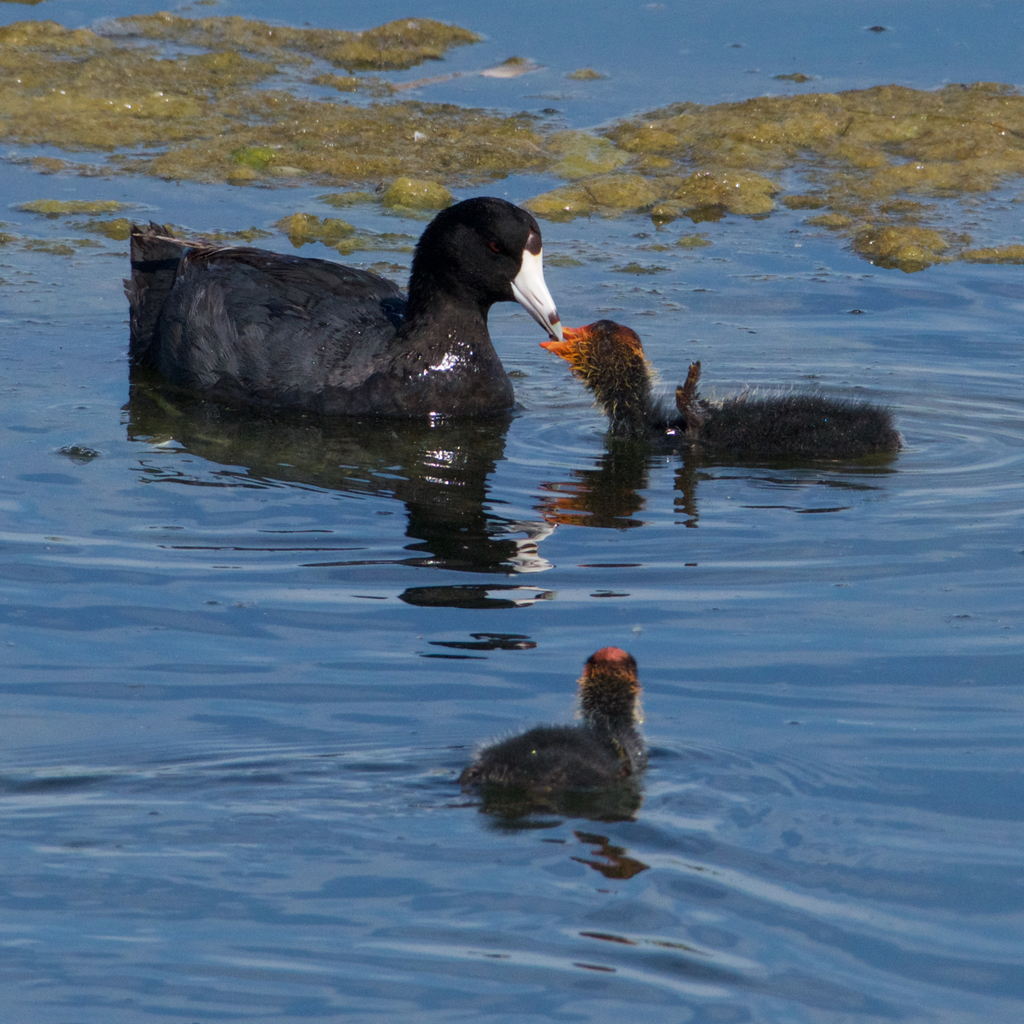
Especies relacionadasRelated species
Otras aves de la familia Rallidae y de órdenes cercanos.Other birds from the Rallidae family and nearby orders.
- ÉpicoEpic
 Calamoncillo africanoAllen's GallinulePorphyrio alleni
- LegendarioLegendary
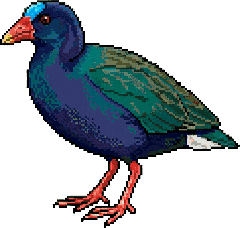 Calamoncillo americanoPurple GallinulePorphyrio martinicus
- LegendarioLegendary
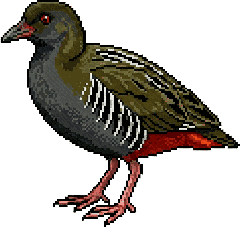 Polluela culirrojaStriped CrakeAmaurornis marginalis
- ComúnCommon
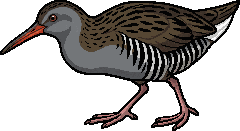 Rascón europeoWater RailRallus aquaticus
- RaroRare
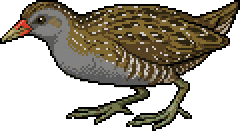 Polluela pintojaSpotted CrakePorzana porzana
- RaroRare
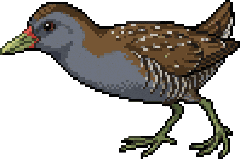 Polluela bastardaLittle CrakeZapornia parva
- RaroRare
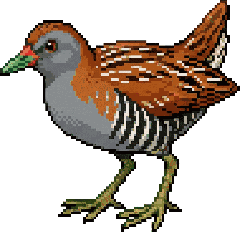 Polluela chicaBaillon's CrakeZapornia pusilla
- ComúnCommon
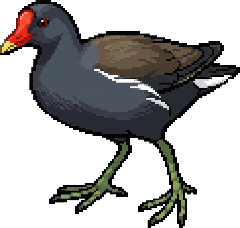 Gallineta comúnCommon MoorhenGallinula chloropus
 Gratis, sin anuncios ni comprasFree, no ads, no purchases