 BirdPedy
Cuco comúnCommon Cuckoo
En 50 provincias en marzo y sin registros 2 meses del añoIn 50 provinces in March, and no records in 2 months of the year
Reporte de rarezaRarity report
Por qué es poco comúnWhy it is uncommonEntre 2020 y 2024 se vio en España en 3.268 ocasiones distintas, repartidas en 1.044 días, todos los años (datos de Observation.org, eBird, iNaturalist y el ICO publicados en GBIF). En la provincia mediana, 1 de cada 690 registros de aves es suyo. En la guía de aves de SEO/BirdLife figura como habitual en España.Between 2020 and 2024 it was seen in Spain on 3,268 separate occasions, spread over 1,044 days, every year (data from Observation.org, eBird, iNaturalist and ICO published on GBIF). In the median province, 1 in every 690 bird records is of this species. SEO/BirdLife's bird guide lists it as regular in Spain.
Cada carrizo es un mes: su altura, las provincias con registros de 2020 a 2024.Each reed is a month: its height, the provinces with records from 2020 to 2024.- Provincias con registrosProvinces with records
- 51 de 52of 52
- En la appIn the app
- Abril a septiembreApril to September
- EnvergaduraWingspan
- 54-60 cm54-60 cm
- LongitudLength
- 32-36 cm32-36 cm
- Lista Roja de EspañaSpanish Red List
- LC Preocupación menorLeast Concern

Información generalGeneral Information
Los peculiares hábitos reproductores del cuco, basados en el parasitismo, constituyen, sin duda, la principal seña de identidad de este pájaro migrador e insectívoro, cuya dieta se basa en el consumo de larvas de diferentes lepidópteros. Más de un centenar de especies de pequeñas y medianas aves insectívoras pueden llegar a ser víctimas del sorprendente comportamiento parásito de este popular cucúlido.The world's most famous nest parasite. The Common Cuckoo lays its eggs in the nests of over 100 species of smaller birds, whose own eggs or chicks are often ejected by the young cuckoo. Despite its notoriety, it is a vital part of the ecosystem as one of the few birds that eats toxic, hairy caterpillars. A long-distance migrant that winters in Africa.
IdentificaciónIdentification
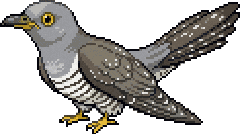
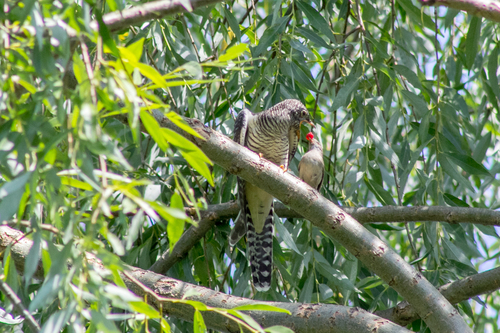
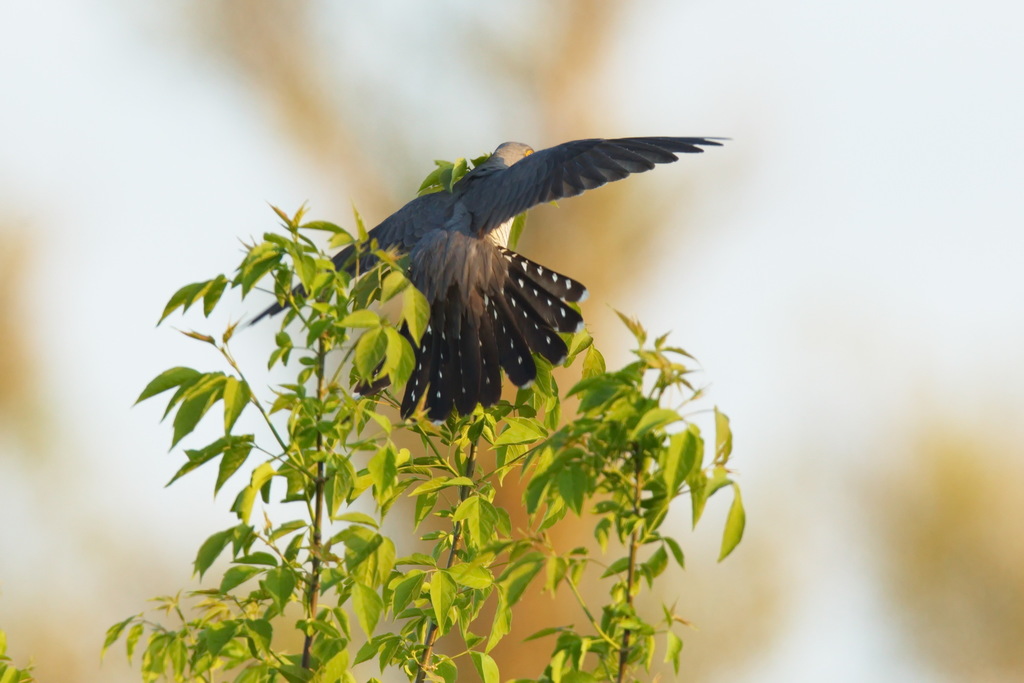
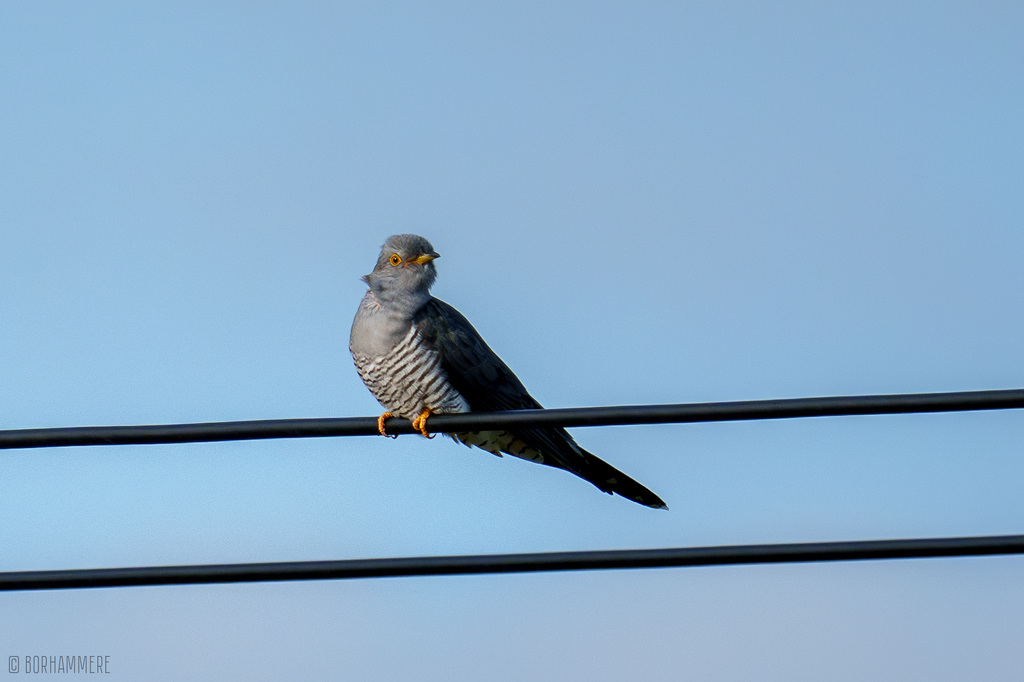
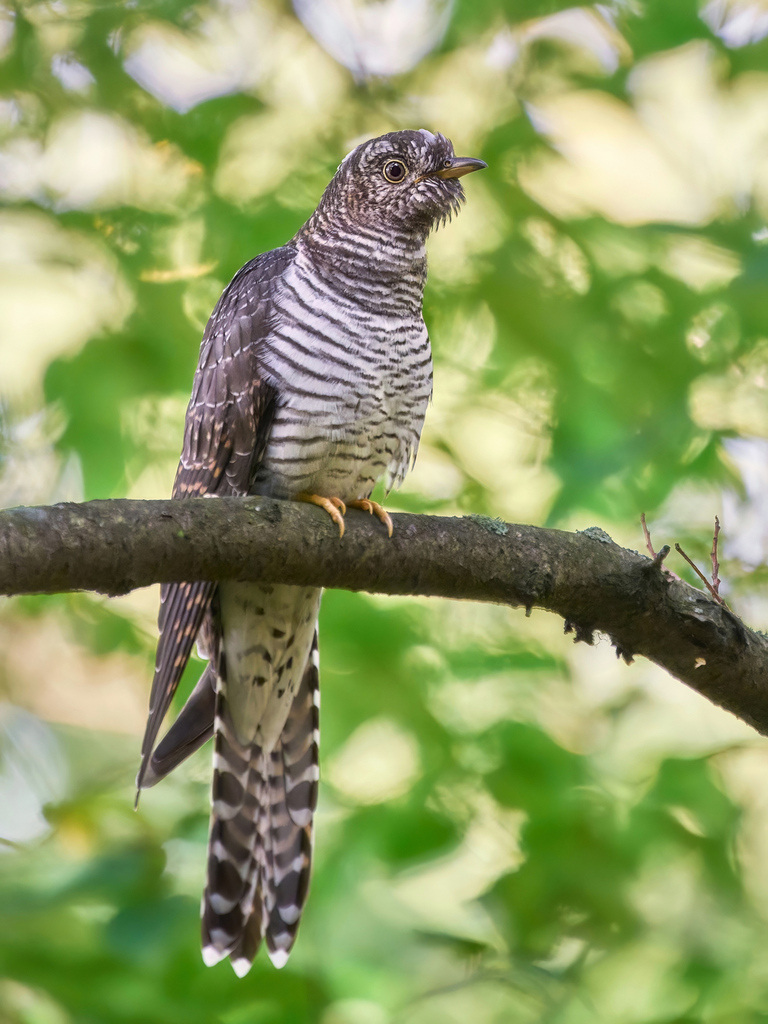
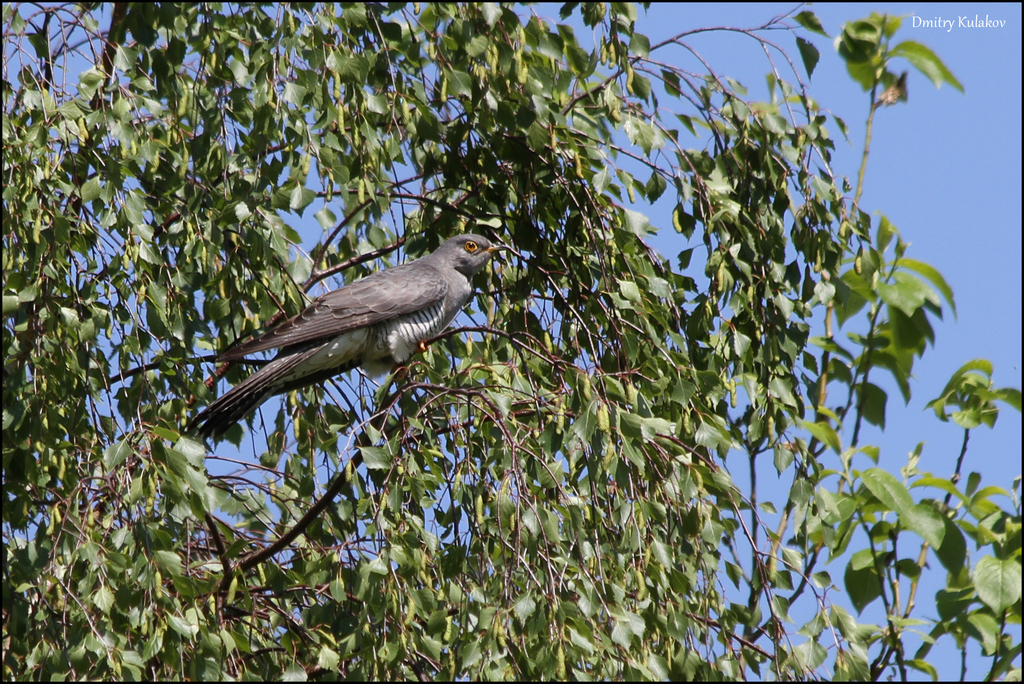
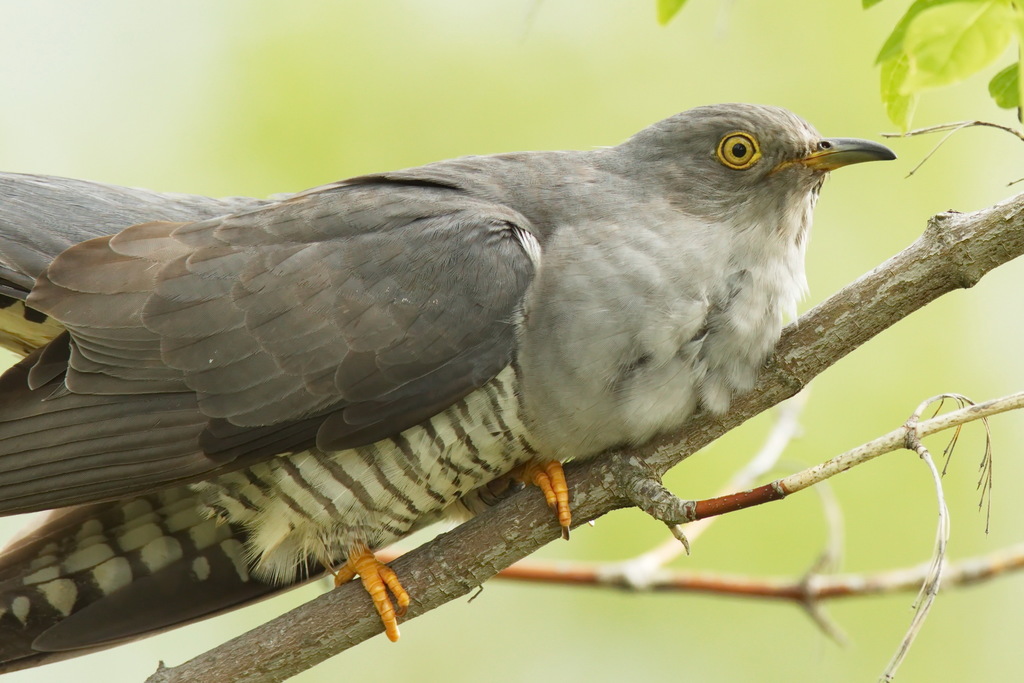
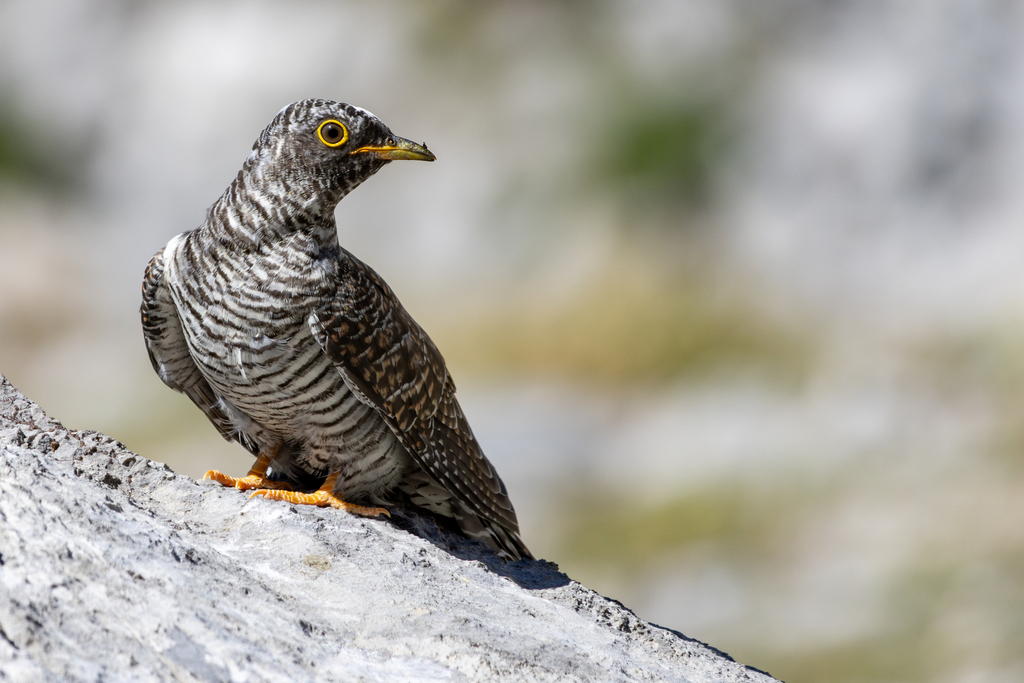
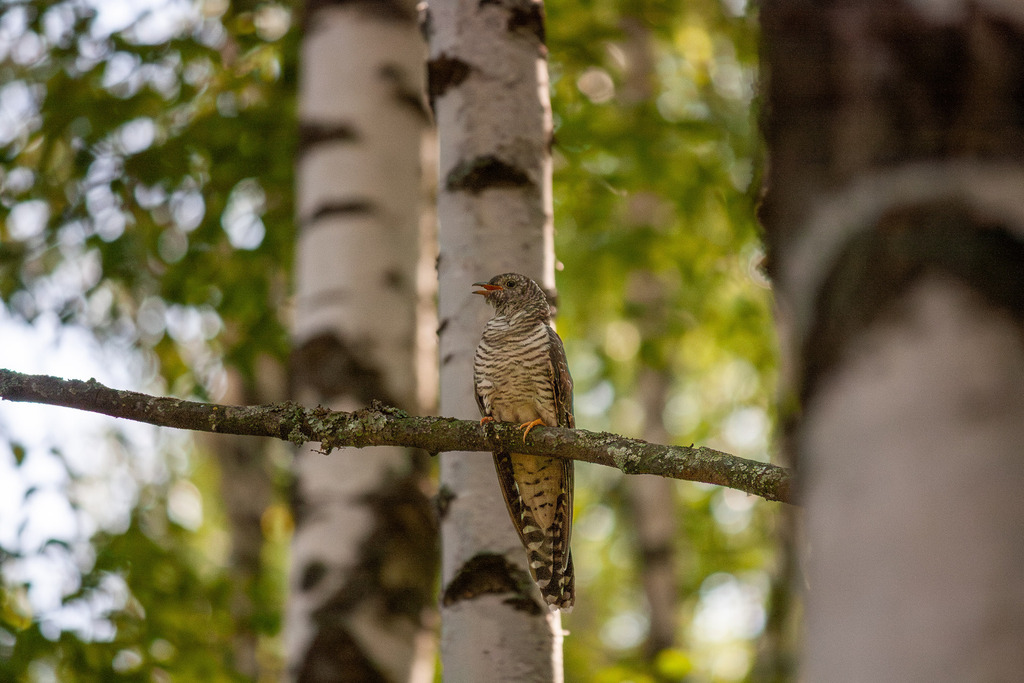
El cuco común, de tamaño medio y aspecto estilizado, se caracteriza por poseer una larga cola y unas alas apuntadas, por lo que su silueta puede confundirse en vuelo con la de una pequeña rapaz, como el cernícalo vulgar o el gavilán. En la coloración del macho dominan los tonos grises, sobre todo en el dorso, la cabeza y el cuello. Por su parte, las regiones ventrales son blancas, pero finamente barreadas. La hembra puede lucir dos tipos de plumaje: uno grisáceo, muy parecido al del macho, y otro rojizo, bastante menos frecuente que el anterior. Los inmaduros se asemejan en parte a las hembras de fase rojiza, aunque tienen las plumas orladas de blanco y una característica mancha blanca en la nuca.A medium-sized, hawk-like bird with long pointed wings and a long tail, often mistaken for a Kestrel or Sparrowhawk in flight. Males are mostly slate-gray above and barred like a hawk below. Females can be grayish or a rarer reddish-brown (hepatic) phase. Inexorably linked to its rhythmic 'cu-coo' call, it is the ultimate symbol of spring in the Spanish countryside.
DistribuciónDistribution
En nuestro país está presente la subespecie bangsi, una de las cuatro reconocidas, extendida también por el norte de África. Con la única excepción del archipiélago canario y Melilla, se puede considerar que el cuco es un residente estival en la práctica totalidad de nuestro territorio, donde evita, sin embargo, las más altas cumbres montañosas, las regiones muy deforestadas, los paisajes subdesérticos y las zonas excesivamente urbanizadas.Summer resident throughout the entire Peninsula and Balearics (subspecies 'bangsi'). Absent from the Canaries. Avoids high peaks, treeless deserts, and heavily urbanized areas.
Textos reproducidos con permiso de laTexts translated and reproduced with permission from the Guía de Aves de España © SEO/BirdLife
Estado de conservaciónConservation Status
- EX
- RE
- CR
- EN
- VU
- NT
- LC
Preocupación menorLeast Concern
Qué significa cada categoríaWhat each category means
- LC
- Preocupación menor: Taxón evaluado que no califica para categorías amenazadas. Especies abundantes y ampliamente distribuidasLeast Concern - Evaluated taxon that does not qualify for threatened categories. Widespread and abundant taxa
- NT
- Casi amenazada: No califica actualmente como amenazada, pero está cerca de calificar o es probable que califique en el futuro cercanoNear Threatened - Does not currently qualify as threatened, but is close to qualifying or likely to qualify in the near future
- VU
- Vulnerable: Enfrenta un alto riesgo de extinción en estado silvestre según los criterios A a E de IUCNVulnerable - Facing a high risk of extinction in the wild based on IUCN criteria A to E
- EN
- En peligro: Enfrenta un riesgo muy alto de extinción en estado silvestre según los criterios A a E de IUCNEndangered - Facing a very high risk of extinction in the wild based on IUCN criteria A to E
- CR
- En peligro crítico: Enfrenta un riesgo extremadamente alto de extinción en estado silvestre según los criterios A a E de IUCNCritically Endangered - Facing an extremely high risk of extinction in the wild based on IUCN criteria A to E
- DD
- Datos insuficientes: Información inadecuada para evaluar el riesgo de extinción basándose en distribución o estado poblacionalData Deficient - Inadequate information to assess extinction risk based on distribution and/or population status
- NE
- No evaluada: No ha sido evaluada aún contra los criterios de la Lista Roja de IUCNNot Evaluated - Has not yet been assessed against the IUCN Red List criteria
- RE
- Extinta regionalmente: El taxón ya no existe en la región específica, aunque puede sobrevivir en otros lugaresRegionally Extinct - Taxon no longer exists in the specific region, though it may survive elsewhere
- EX
- Extinta - No existe duda razonable de que ha muerto el último individuo del taxónExtinct - No reasonable doubt that the last individual of the taxon has died
TaxonomíaTaxonomy
- OrdenOrder
- Cuculiformes
- FamiliaFamily
- Cuculidae
Presencia en EspañaPresence in Spain
- EstivalSummer visitor
- HabitualRegular
En la app: abril a septiembre.In the app: April to September.
Dónde verlaWhere to see it
3.563 cuadrículas de 10 km con registros de 2020 a 2024. Toca un mes para ver dónde se ha visto.3,563 10 km squares with records from 2020 to 2024. Pick a month to see where it has been seen.
Cargando el mapa…Loading the map…
Dónde es regularWhere it is regular
Provincias con registros en al menos 3 de los 5 años algún mes, de más a menos frecuente, y sus mejores meses.Provinces with records in at least 3 of the 5 years in some month, from most to least frequent, and their best months.
- SoriaSoriamayo, abril, junioMay, April, June
- GuadalajaraGuadalajaramayo, abril, junioMay, April, June
- OurenseOurenseabril, mayo, junioApril, May, June
- LeónLeónmayo, abril, junioMay, April, June
- SegoviaSegoviaabril, mayo, junioApril, May, June
- PalenciaPalenciamayo, abril, junioMay, April, June
- BurgosBurgosmayo, abril, junioMay, April, June
- ÁvilaÁvilamayo, abril, junioMay, April, June
- ÁlavaÁlavamayo, abril, marzoMay, April, March
- CuencaCuencaabril, mayo, junioApril, May, June
Ver las 49 provinciasSee all 49 provinces
- La RiojaLa Riojamayo, abril, junioMay, April, June
- SalamancaSalamancamayo, abril, junioMay, April, June
- HuescaHuescamayo, abril, junioMay, April, June
- TeruelTeruelmayo, abril, junioMay, April, June
- CáceresCáceresabril, mayo, marzoApril, May, March
- GironaGironamayo, junio, abrilMay, June, April
- JaénJaénabril, mayo, marzoApril, May, March
- ZamoraZamoramayo, abril, junioMay, April, June
- LugoLugoabril, mayo, junioApril, May, June
- LleidaLleidamayo, abril, junioMay, April, June
- ValladolidValladolidmayo, abril, junioMay, April, June
- NavarraNavarramayo, abril, junioMay, April, June
- VizcayaVizcayaabril, mayo, junioApril, May, June
- CastellónCastellónjunio, mayo, abrilJune, May, April
- MadridMadridmayo, abril, junioMay, April, June
- AlicanteAlicantemayo, abril, junioMay, April, June
- HuelvaHuelvamayo, abril, marzoMay, April, March
- PontevedraPontevedraabril, mayo, agostoApril, May, August
- AlbaceteAlbacetemayo, junio, abrilMay, June, April
- CantabriaCantabriamayo, abril, junioMay, April, June
- ZaragozaZaragozamayo, abril, junioMay, April, June
- CórdobaCórdobaabril, mayo, marzoApril, May, March
- BarcelonaBarcelonamayo, junio, abrilMay, June, April
- AsturiasAsturiasmayo, abril, junioMay, April, June
- MurciaMurciamayo, abril, junioMay, April, June
- SevillaSevillaabril, mayo, marzoApril, May, March
- ToledoToledoabril, mayo, marzoApril, May, March
- BadajozBadajozabril, mayo, marzoApril, May, March
- GuipúzcoaGuipúzcoaabril, mayo, agostoApril, May, August
- GranadaGranadamayo, abril, junioMay, April, June
- TarragonaTarragonamayo, junio, abrilMay, June, April
- A CoruñaA Coruñamayo, abril, julioMay, April, July
- Ciudad RealCiudad Realabril, mayo, marzoApril, May, March
- MálagaMálagaabril, mayo, junioApril, May, June
- CádizCádizabril, mayo, junioApril, May, June
- AlmeríaAlmeríamayo, junio, abrilMay, June, April
- BalearesBalearic Islandsabril, mayo, junioApril, May, June
- ValenciaValenciamayo, abril, junioMay, April, June
- Las PalmasLas Palmasagosto, abrilAugust, April
Datos: registros en GBIF de 2020 a 2024 de Observation.org, eBird, iNaturalist y el ICO, descargados el 23/10/2026.Data: GBIF records from 2020 to 2024 from Observation.org, eBird, iNaturalist and the ICO, downloaded on 23/10/2026. GBIF.org (23 October 2026) GBIF Occurrence Download · doi:10.15468/dl.r5sf2a · CC BY-NC 4.0
GaleríaGallery
© Safina Rezeda · CC BY · iNaturalist 
© Вячеслав Юсупов · CC BY · iNaturalist 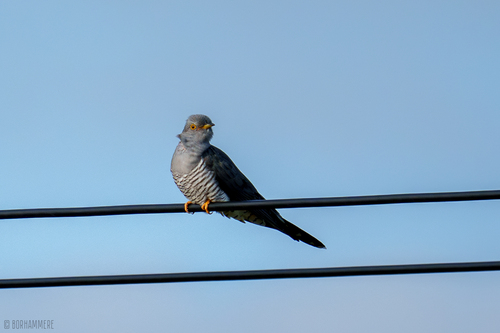
© Шальнов Кирилл · CC BY · iNaturalist 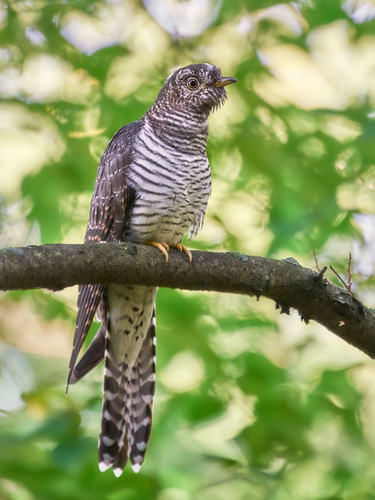
© Andrey Gulivanov · CC BY · iNaturalist 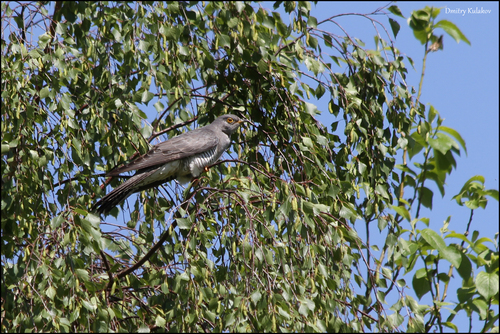
© Dmitry Kulakov · CC BY · iNaturalist 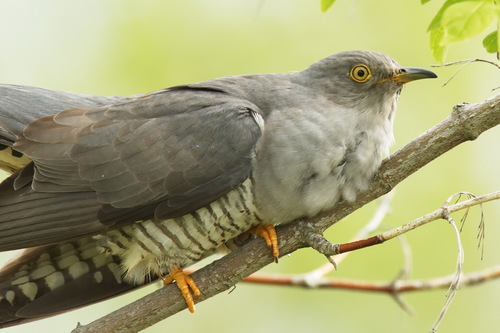
© Вячеслав Юсупов · CC BY · iNaturalist 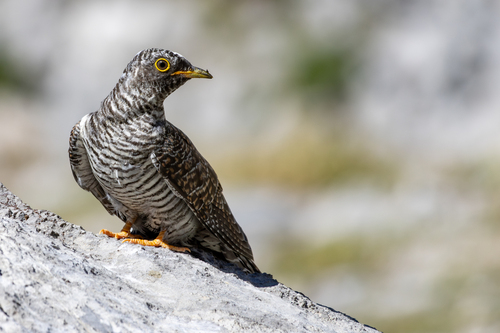
© Diego González Dopico · CC BY · iNaturalist 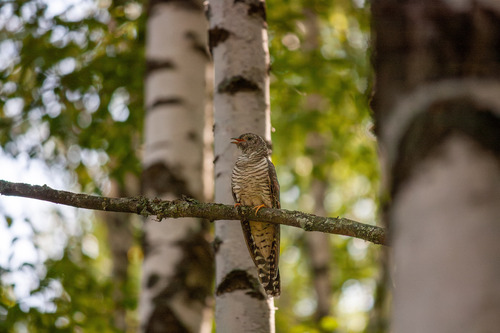
© Вячеслав Шуплецов · CC BY · iNaturalist

Especies relacionadasRelated species
Otras aves de la familia Cuculidae y de órdenes cercanos.Other birds from the Cuculidae family and nearby orders.
- LegendarioLegendary
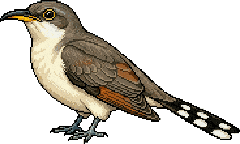 Cuclillo piquigualdoYellow-billed CuckooCoccyzus americanus
- Poco comúnUncommon
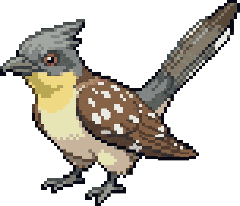 Críalo europeoGreat Spotted CuckooClamator glandarius
- Poco comúnUncommon
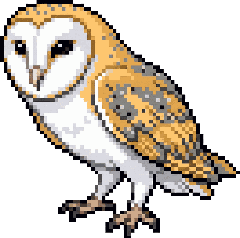 Lechuza comúnBarn OwlTyto alba
- Poco comúnUncommon
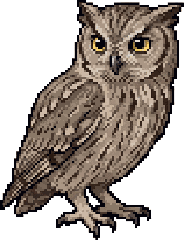 Autillo europeoEurasian Scops OwlOtus scops
- ComúnCommon
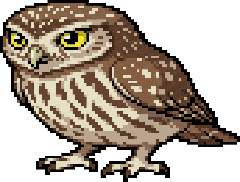 Mochuelo europeoLittle OwlAthene noctua
- Poco comúnUncommon
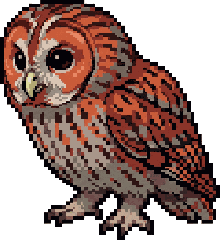 Cárabo comúnTawny OwlStrix aluco
- Poco comúnUncommon
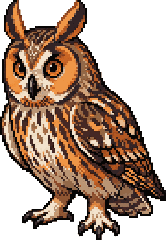 Búho chicoLong-eared OwlAsio otus
- Poco comúnUncommon
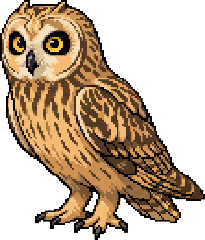 Búho campestreShort-eared OwlAsio flammeus
 Gratis, sin anuncios ni comprasFree, no ads, no purchases