 BirdPedy
Correlimos menudoLittle Stint
En 48 provincias en octubre y en 19 en junioIn 48 provinces in October and 19 in June
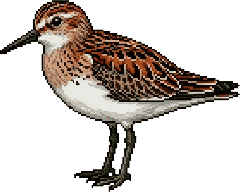
Reporte de rarezaRarity report
Por qué es poco comúnWhy it is uncommonDiminuto migrador e invernante regular aunque en bajo número en salinas, estuarios y humedales costeros someros de casi todo el país. Prefiere orillas de fango limpio.Tiny regular migrant and winterer in low numbers in salt pans and estuaries. Prefers clean mud shores.
Cada carrizo es un mes: su altura, las provincias con registros de 2020 a 2024.Each reed is a month: its height, the provinces with records from 2020 to 2024.- Provincias con registrosProvinces with records
- 49 de 52of 52
- En la appIn the app
- Todo el añoAll year
- EnvergaduraWingspan
- 27-30 cm27-30 cm
- LongitudLength
- 14-15,5 cm14-15.5 cm
- Lista Roja de EspañaSpanish Red List
- NT Casi amenazadaNear Threatened

Información generalGeneral Information
Este correlimos es la limícola más pequeña de cuantas nos visitan habitualmente. Resulta muy común durante el paso migratorio y en la invernada, principalmente en la costa atlántica de Andalucía, el delta del Ebro y los humedales manchegos.The Little Stint is a masterpiece of miniaturization. Despite its tiny size, it migrates from the High Arctic of Siberia to reach the Mediterranean. It is very common in Spain, especially in the best-preserved coastal and inland wetlands of the south and east. Its rapid, jerky movements and social nature make it a delight to watch. It is a vital indicator of the health of our saltpans and mudflats during migration.
IdentificaciónIdentification
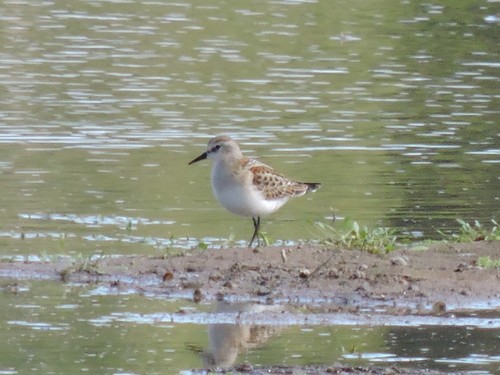
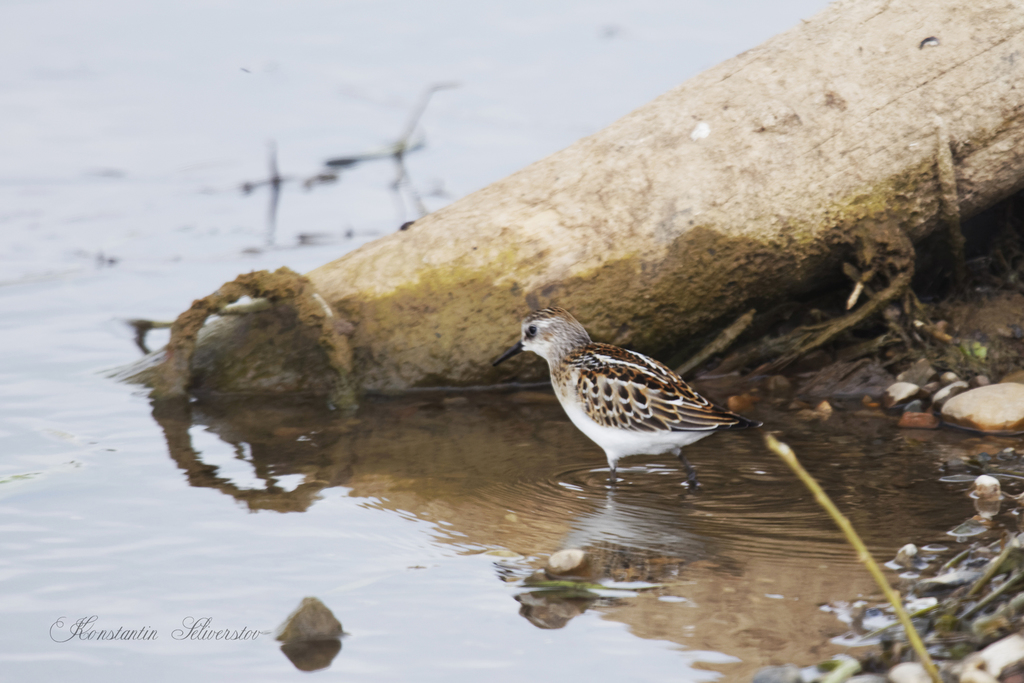
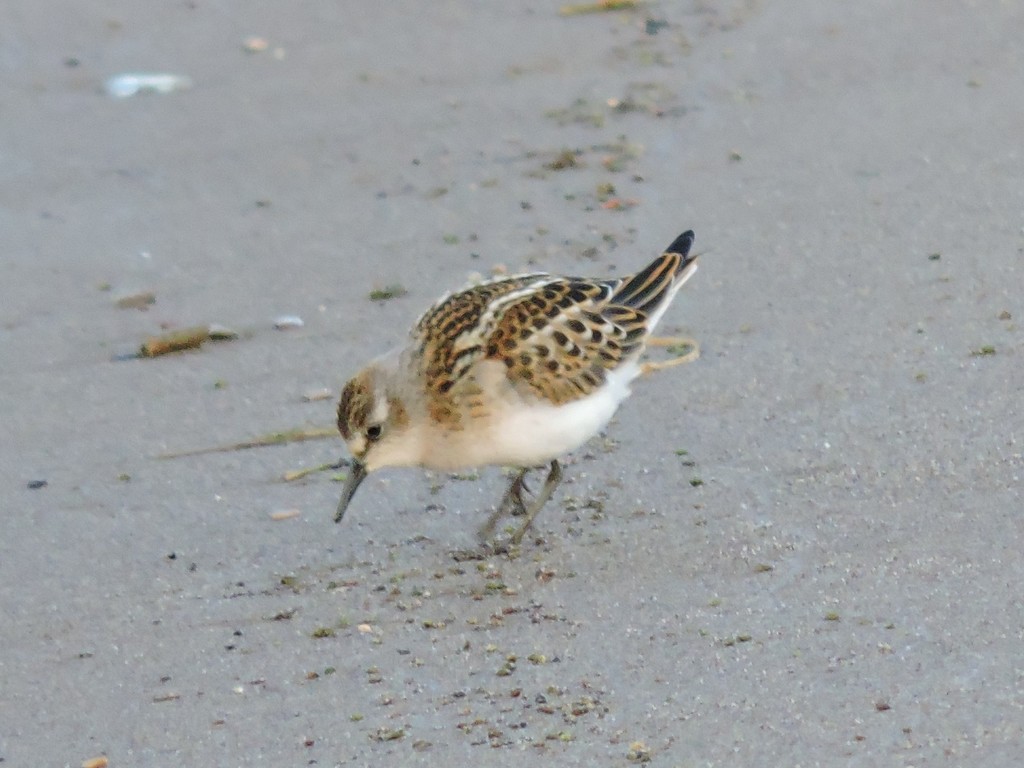
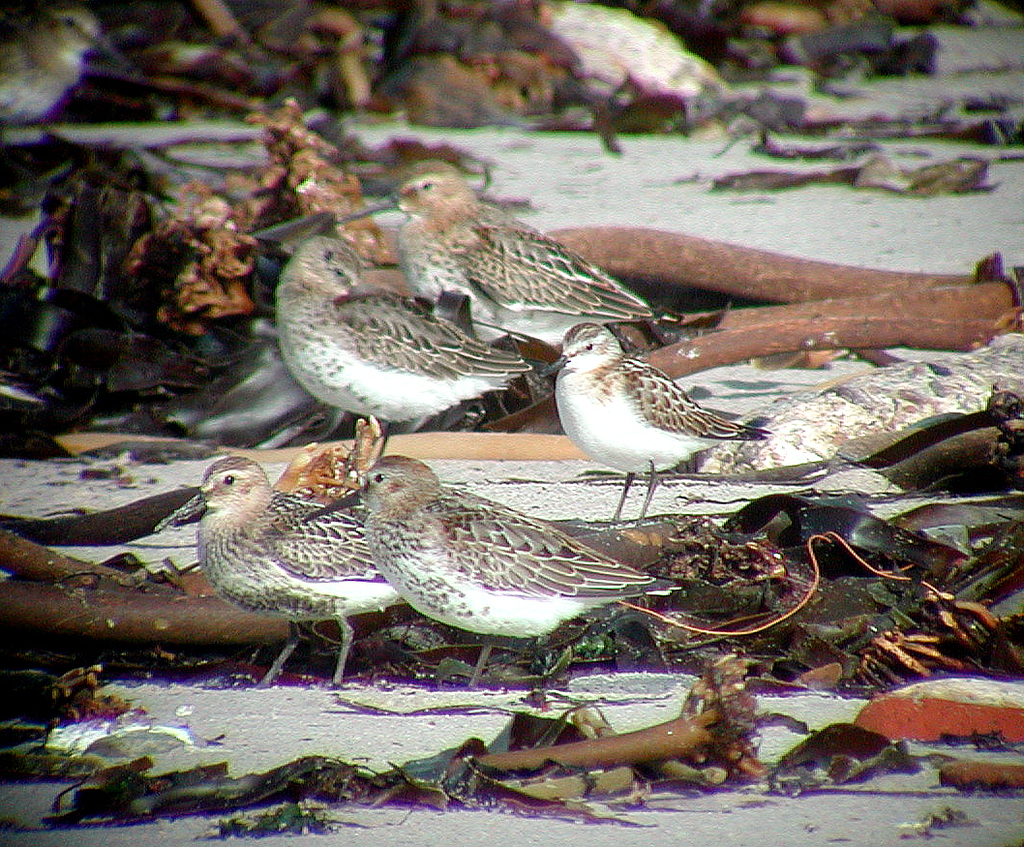
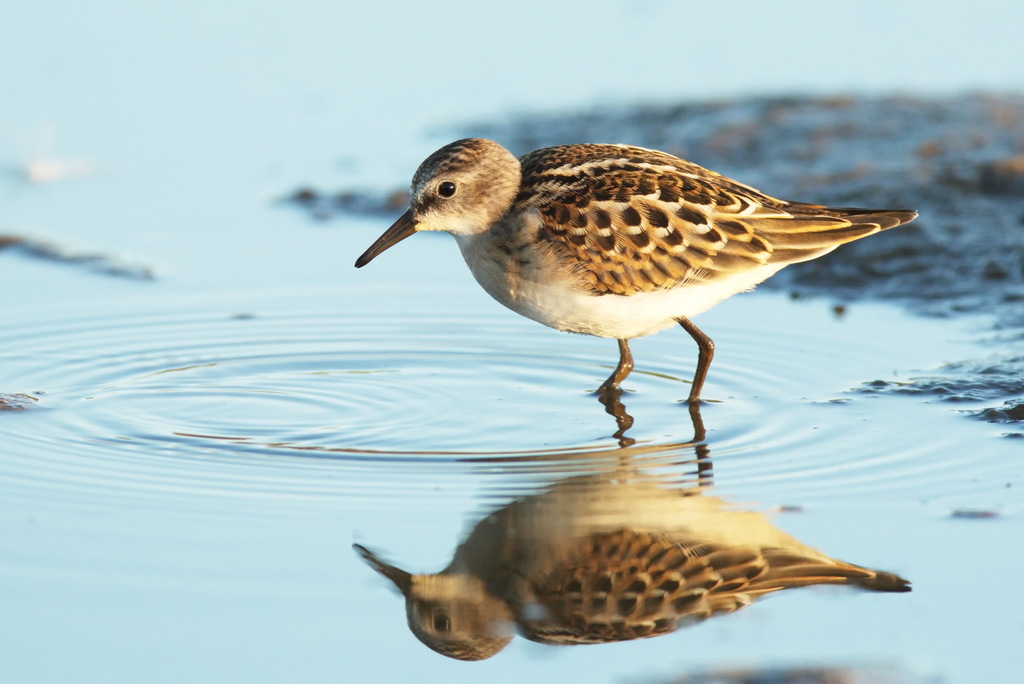
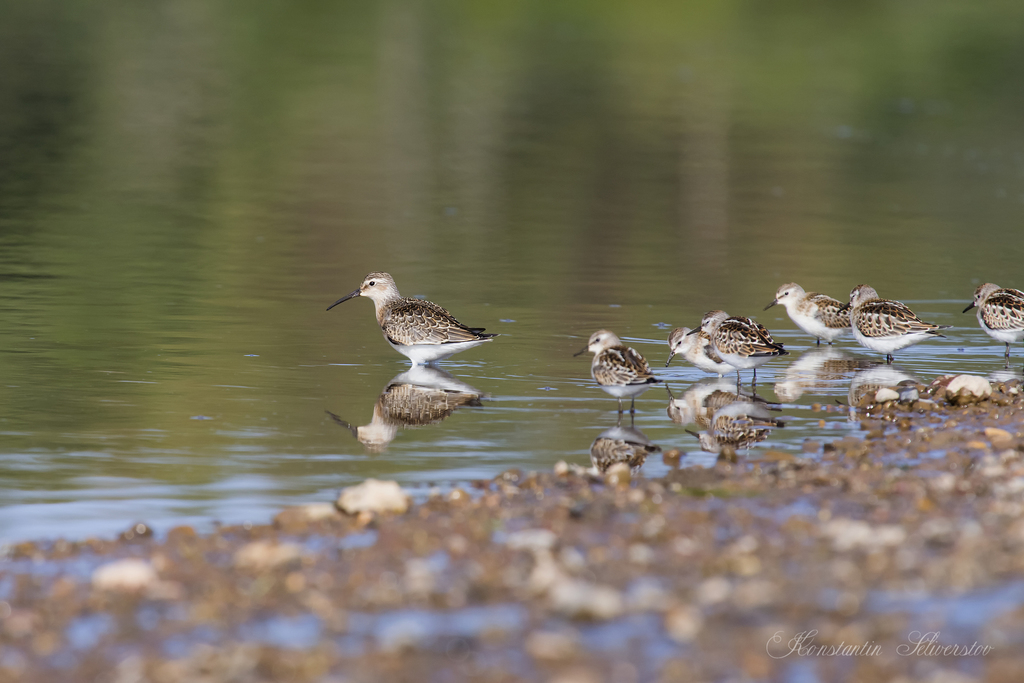
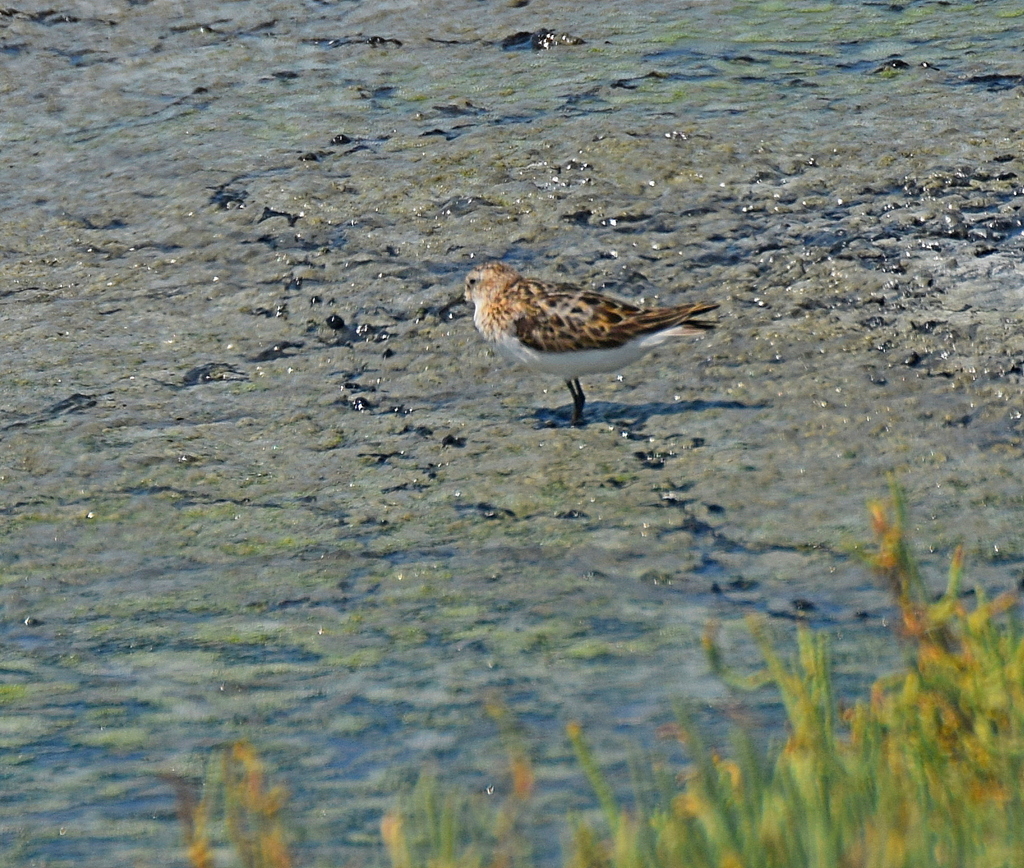
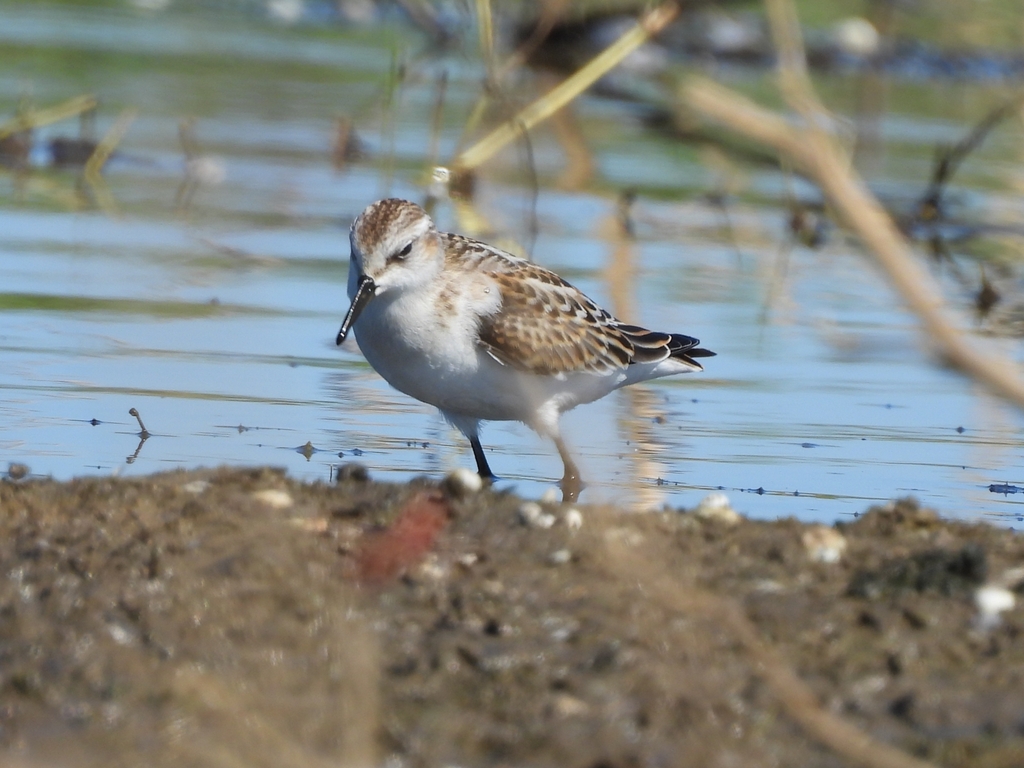
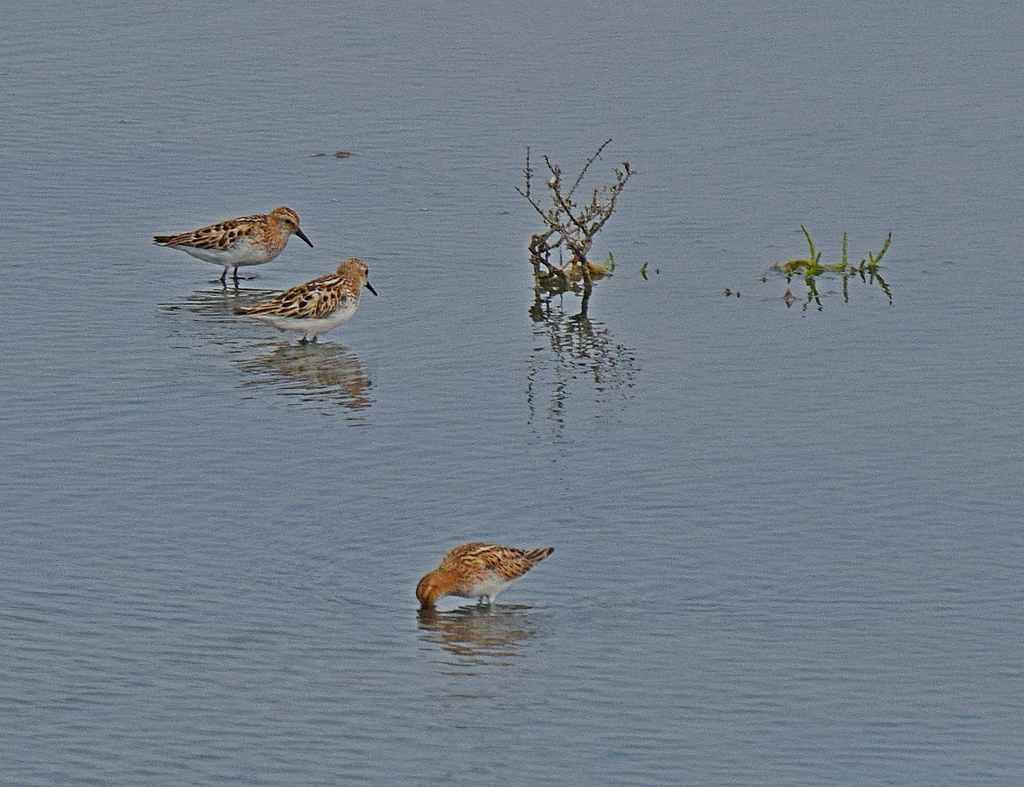
El correlimos menudo, el menor de todos los correlimos, es una limícola con patas y pico negros y partes inferiores blancas en todos los plumajes. El adulto en librea nupcial posee la cabeza anaranjada y la garganta blanca, los laterales del cuello también anaranjados y moteados de marrón, las plumas de las partes superiores negras con márgenes castaños y ápices blancos. En el manto exhibe una marcada “V” de color blanco. El juvenil es muy similar, con la “V” del manto más destacada, aunque los márgenes de las plumas superiores son más grisáceos y la cabeza, menos naranja. El adulto no reproductor, por su parte, es gris en general, con el raquis de las plumas superiores más oscuro.The smallest of our regular shorebirds, the size of a sparrow. It is a tiny, hyper-active bird with a short black bill and black legs. In summer, it is a beautiful orange-red on the head and breast. In winter, it is a clean gray. It is highly social and often seen in large flocks on mudflats and saltpans, moving with incredible speed and agility as it probes the soil for small invertebrates.
DistribuciónDistribution
En invierno, la especie es principalmente costera, concentrándose en las costas andaluzas del Atlántico (marismas del Guadalquivir y bahía de Cádiz, fundamentalmente) y en el delta del Ebro, pero estando prácticamente ausente en la cornisa cantábrica y Galicia. En primavera, durante la migración, la distribución es más amplia, ya que a los litorales atlántico y mediterráneo se suman humedales en el interior de la Península y Baleares. Es también regular en Canarias.Common passage migrant and winter visitor. Found mainly along the Mediterranean and South Atlantic coasts (Doñana, Cadiz, Ebro, Levante) and inland (Mancha). Regular in both archipelagos.
Textos reproducidos con permiso de laTexts translated and reproduced with permission from the Guía de Aves de España © SEO/BirdLife
Estado de conservaciónConservation Status
- EX
- RE
- CR
- EN
- VU
- NT
- LC
Casi amenazadaNear Threatened
Qué significa cada categoríaWhat each category means
- LC
- Preocupación menor: Taxón evaluado que no califica para categorías amenazadas. Especies abundantes y ampliamente distribuidasLeast Concern - Evaluated taxon that does not qualify for threatened categories. Widespread and abundant taxa
- NT
- Casi amenazada: No califica actualmente como amenazada, pero está cerca de calificar o es probable que califique en el futuro cercanoNear Threatened - Does not currently qualify as threatened, but is close to qualifying or likely to qualify in the near future
- VU
- Vulnerable: Enfrenta un alto riesgo de extinción en estado silvestre según los criterios A a E de IUCNVulnerable - Facing a high risk of extinction in the wild based on IUCN criteria A to E
- EN
- En peligro: Enfrenta un riesgo muy alto de extinción en estado silvestre según los criterios A a E de IUCNEndangered - Facing a very high risk of extinction in the wild based on IUCN criteria A to E
- CR
- En peligro crítico: Enfrenta un riesgo extremadamente alto de extinción en estado silvestre según los criterios A a E de IUCNCritically Endangered - Facing an extremely high risk of extinction in the wild based on IUCN criteria A to E
- DD
- Datos insuficientes: Información inadecuada para evaluar el riesgo de extinción basándose en distribución o estado poblacionalData Deficient - Inadequate information to assess extinction risk based on distribution and/or population status
- NE
- No evaluada: No ha sido evaluada aún contra los criterios de la Lista Roja de IUCNNot Evaluated - Has not yet been assessed against the IUCN Red List criteria
- RE
- Extinta regionalmente: El taxón ya no existe en la región específica, aunque puede sobrevivir en otros lugaresRegionally Extinct - Taxon no longer exists in the specific region, though it may survive elsewhere
- EX
- Extinta - No existe duda razonable de que ha muerto el último individuo del taxónExtinct - No reasonable doubt that the last individual of the taxon has died
TaxonomíaTaxonomy
- OrdenOrder
- Charadriiformes
- FamiliaFamily
- Scolopacidae
Presencia en EspañaPresence in Spain
- De pasoPassage migrant
- HabitualRegular
- InvernanteWinter visitor
En la app: todo el año.In the app: all year.
Dónde verlaWhere to see it
549 cuadrículas de 10 km con registros de 2020 a 2024. Toca un mes para ver dónde se ha visto.549 10 km squares with records from 2020 to 2024. Pick a month to see where it has been seen.
Cargando el mapa…Loading the map…
Dónde es regularWhere it is regular
Provincias con registros en al menos 3 de los 5 años algún mes, de más a menos frecuente, y sus mejores meses.Provinces with records in at least 3 of the 5 years in some month, from most to least frequent, and their best months.
- ValenciaValenciaagosto, septiembre, octubreAugust, September, October
- BalearesBalearic Islandsagosto, septiembre, julioAugust, September, July
- TarragonaTarragonaseptiembre, agosto, abrilSeptember, August, April
- AlmeríaAlmeríaseptiembre, diciembre, agostoSeptember, December, August
- SalamancaSalamancaseptiembre, agosto, octubreSeptember, August, October
- CastellónCastellónagosto, septiembre, mayoAugust, September, May
- AlicanteAlicanteagosto, octubre, diciembreAugust, October, December
- AlbaceteAlbaceteenero, septiembre, agostoJanuary, September, August
- ToledoToledoseptiembre, octubre, mayoSeptember, October, May
- Ciudad RealCiudad Realseptiembre, octubre, eneroSeptember, October, January
Ver las 45 provinciasSee all 45 provinces
- GironaGironaseptiembre, agosto, abrilSeptember, August, April
- PalenciaPalenciaseptiembre, agosto, noviembreSeptember, August, November
- HuescaHuescaseptiembre, agosto, noviembreSeptember, August, November
- MálagaMálagaagosto, septiembre, abrilAugust, September, April
- ZamoraZamoraseptiembre, noviembre, octubreSeptember, November, October
- BadajozBadajozseptiembre, agosto, octubreSeptember, August, October
- MurciaMurciaagosto, septiembre, noviembreAugust, September, November
- CuencaCuencanoviembre, enero, diciembreNovember, January, December
- CádizCádizseptiembre, agosto, abrilSeptember, August, April
- ZaragozaZaragozaseptiembre, noviembre, agostoSeptember, November, August
- A CoruñaA Coruñaseptiembre, octubre, agostoSeptember, October, August
- La RiojaLa Riojaseptiembre, octubre, agostoSeptember, October, August
- HuelvaHuelvaseptiembre, octubre, agostoSeptember, October, August
- BurgosBurgosseptiembre, octubre, noviembreSeptember, October, November
- GuipúzcoaGuipúzcoaseptiembre, agosto, octubreSeptember, August, October
- CáceresCáceresseptiembre, agosto, octubreSeptember, August, October
- LeónLeónseptiembre, octubre, agostoSeptember, October, August
- CantabriaCantabriaseptiembre, agosto, mayoSeptember, August, May
- LugoLugoseptiembre, agosto, octubreSeptember, August, October
- ÁlavaÁlavaseptiembre, octubreSeptember, October
- BarcelonaBarcelonaseptiembre, agosto, octubreSeptember, August, October
- Las PalmasLas Palmasseptiembre, enero, octubreSeptember, January, October
- NavarraNavarraseptiembre, octubre, noviembreSeptember, October, November
- VizcayaVizcayaagosto, septiembre, octubreAugust, September, October
- SegoviaSegoviaseptiembre, agosto, mayoSeptember, August, May
- TeruelTeruelagosto, septiembre, julioAugust, September, July
- ValladolidValladolidseptiembre, octubre, agostoSeptember, October, August
- SevillaSevillaagosto, noviembre, octubreAugust, November, October
- GranadaGranadaagosto, septiembreAugust, September
- Santa Cruz de TenerifeSanta Cruz de Tenerifeseptiembre, noviembre, octubreSeptember, November, October
- AsturiasAsturiasseptiembre, agosto, octubreSeptember, August, October
- ÁvilaÁvilaoctubre, noviembre, septiembreOctober, November, September
- SoriaSoriaseptiembre, agostoSeptember, August
- PontevedraPontevedraseptiembre, agostoSeptember, August
- MadridMadridagosto, septiembre, julioAugust, September, July
Datos: registros en GBIF de 2020 a 2024 de Observation.org, eBird, iNaturalist y el ICO, descargados el 23/10/2026.Data: GBIF records from 2020 to 2024 from Observation.org, eBird, iNaturalist and the ICO, downloaded on 23/10/2026. GBIF.org (23 October 2026) GBIF Occurrence Download · doi:10.15468/dl.r5sf2a · CC BY-NC 4.0
GaleríaGallery
© Борис Георги · CC BY · iNaturalist 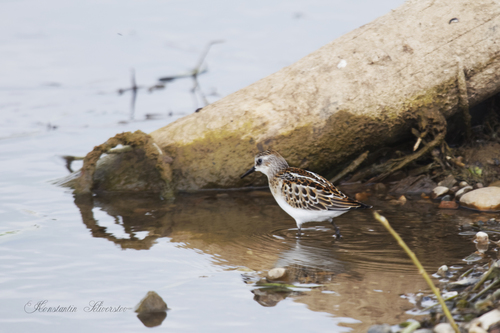
© Константин Селивёрстов · CC BY · iNaturalist 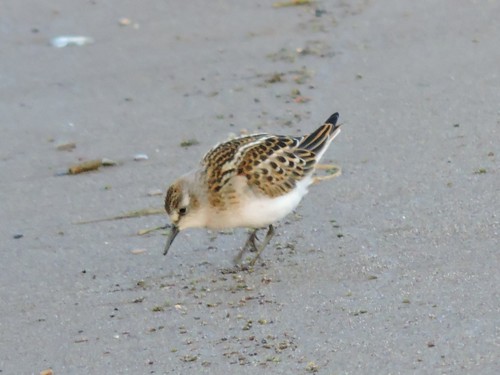
© Борис Георги · CC BY · iNaturalist 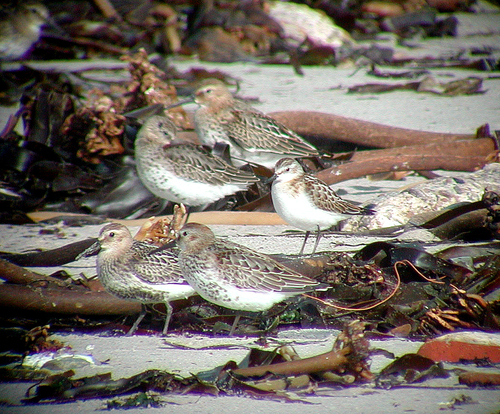
© Christoph Moning · CC BY · iNaturalist 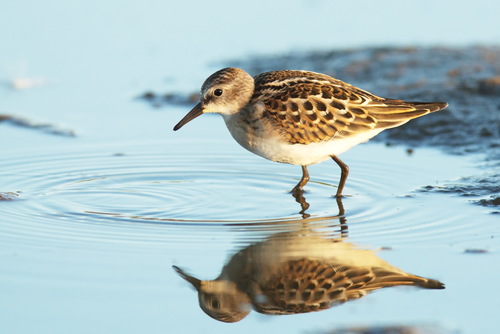
© Вячеслав Юсупов · CC BY · iNaturalist 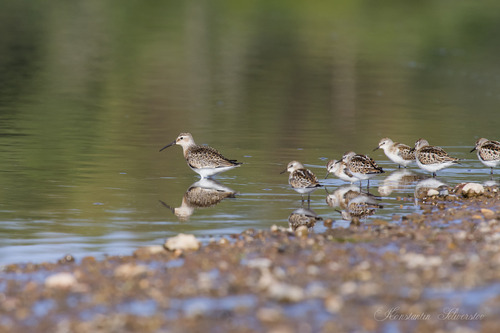
© Константин Селивёрстов · CC BY · iNaturalist 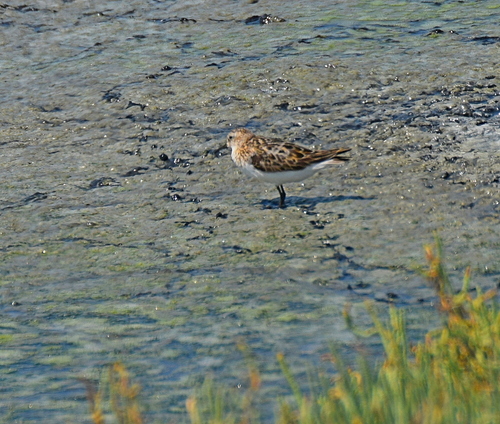
© Kostas Zontanos · CC BY · iNaturalist 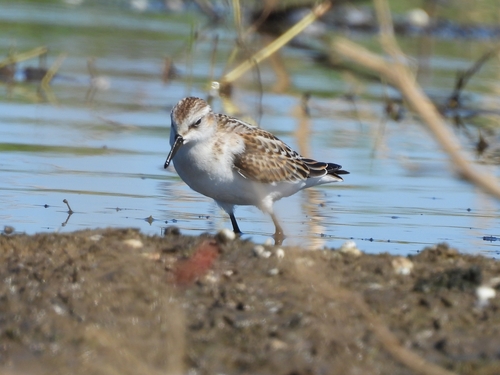
© David Pereira · CC BY · iNaturalist 
© Kostas Zontanos · CC BY · iNaturalist
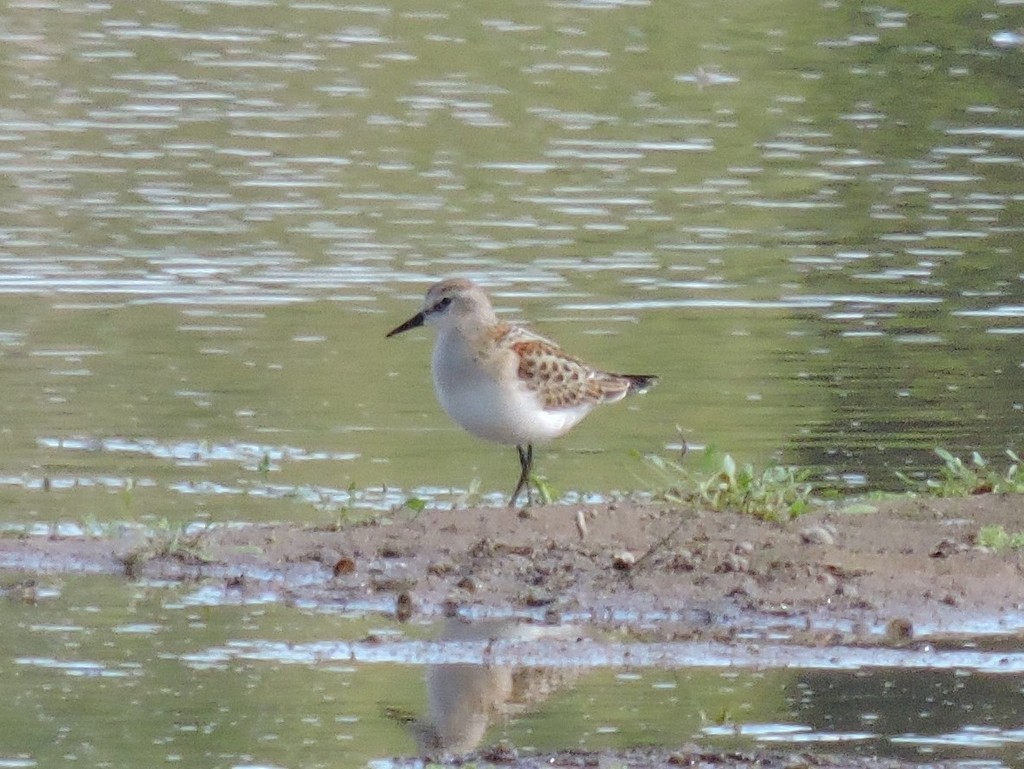
Especies relacionadasRelated species
Otras aves de la familia Scolopacidae y de órdenes cercanos.Other birds from the Scolopacidae family and nearby orders.
- LegendarioLegendary
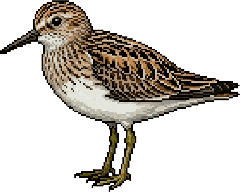 Correlimos menudilloLeast SandpiperCalidris minutilla
- ÉpicoEpic
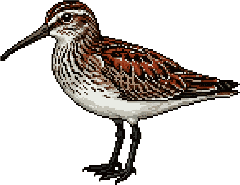 Correlimos culiblancoWhite-rumped SandpiperCalidris fuscicollis
- RaroRare
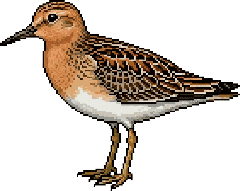 Correlimos caneloBuff-breasted SandpiperCalidris subruficollis
- RaroRare
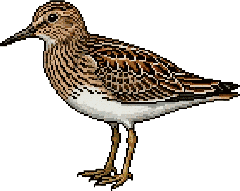 Correlimos pectoralPectoral SandpiperCalidris melanotos
- ÉpicoEpic
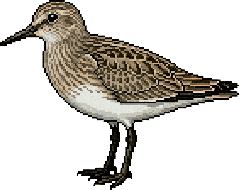 Correlimos semipalmeadoSemipalmated SandpiperCalidris pusilla
- LegendarioLegendary
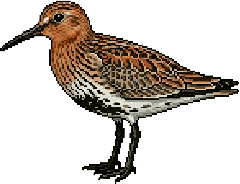 Correlimos de AlaskaWestern SandpiperCalidris mauri
- ÉpicoEpic
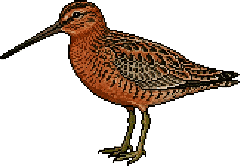 Agujeta escolopáceaLong-billed DowitcherLimnodromus scolopaceus
- LegendarioLegendary
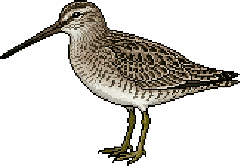 Agujeta grisShort-billed DowitcherLimnodromus griseus
 Gratis, sin anuncios ni comprasFree, no ads, no purchases