 BirdPedy
Correlimos pectoralPectoral Sandpiper
En 27 provincias en octubre y en 1 en eneroIn 27 provinces in October and 1 in January
Reporte de rarezaRarity report
Por qué es raroWhy it is rareLa limícola americana más regular en España. Se observa anualmente como migradora escasa durante los pasos otoñales en humedales, arrozales y marismas de la vertiente atlántica.Most regular American wader in Spain. Observed annually as scarce migrant during autumn passages.
Cada carrizo es un mes: su altura, las provincias con registros de 2020 a 2024.Each reed is a month: its height, the provinces with records from 2020 to 2024.- Provincias con registrosProvinces with records
- 38 de 52of 52
- En la appIn the app
- Abril a mayo y de julio a octubreApril to May and July to October
- EnvergaduraWingspan
- 42-49 cm42-49 cm
- LongitudLength
- 19-23 cm19-23 cm
- Lista Roja de EspañaSpanish Red List
- DD Datos insuficientesData Deficient

Información generalGeneral Information
El correlimos pectoral ocupa durante su periodo de cría el norte de los continentes asiático y americano, trasladándose para la invernada a América del Sur y, de modo secundario, al sudeste de Australia, Tasmania y Nueva Zelanda, así como al sur africano. En relación con este último destino, la especie resulta muy frecuente en Europa en fechas de migración. Hay más de 2.000 citas en Gran Bretaña, sobre todo de agosto-octubre, pero también existen ya bastantes en otros países del continente, aquí con predominio de las de primavera (abril-junio). En España, el correlimos pectoral se observa desde 1980 cada año y con cifras en progresivo aumento y en su mayor parte corresponden a jóvenes en septiembre.The Pectoral Sandpiper is the 'standard' rarity of the Spanish autumn. It has increased significantly in recent years, likely due to better detection and a potential shift in migration patterns. Most records involve juveniles in the northwest and northeast. Its diagnostic 'bib' and large size among stints make it easy to identify. In some places like the Ebro Delta, it is now expected almost every September. It is a marvelous example of successful trans-Atlantic dispersal.
IdentificaciónIdentification
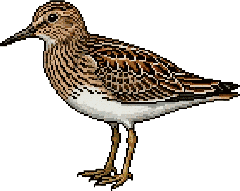
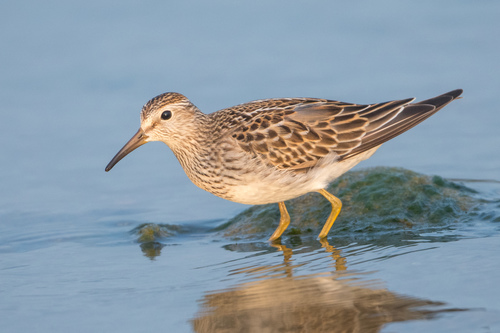
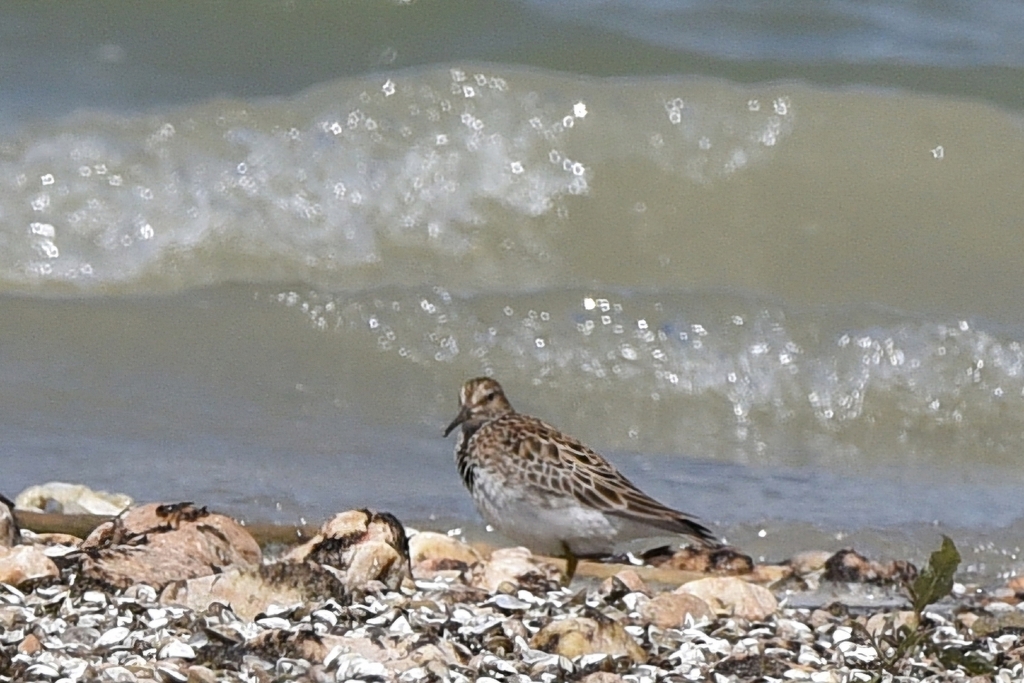
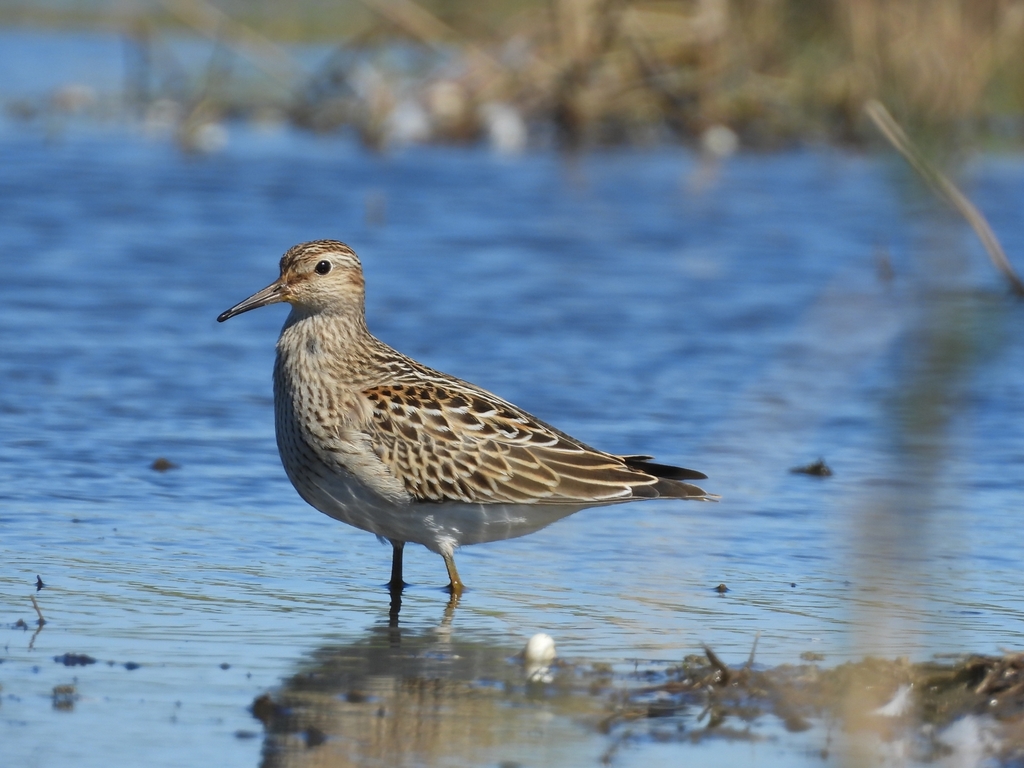
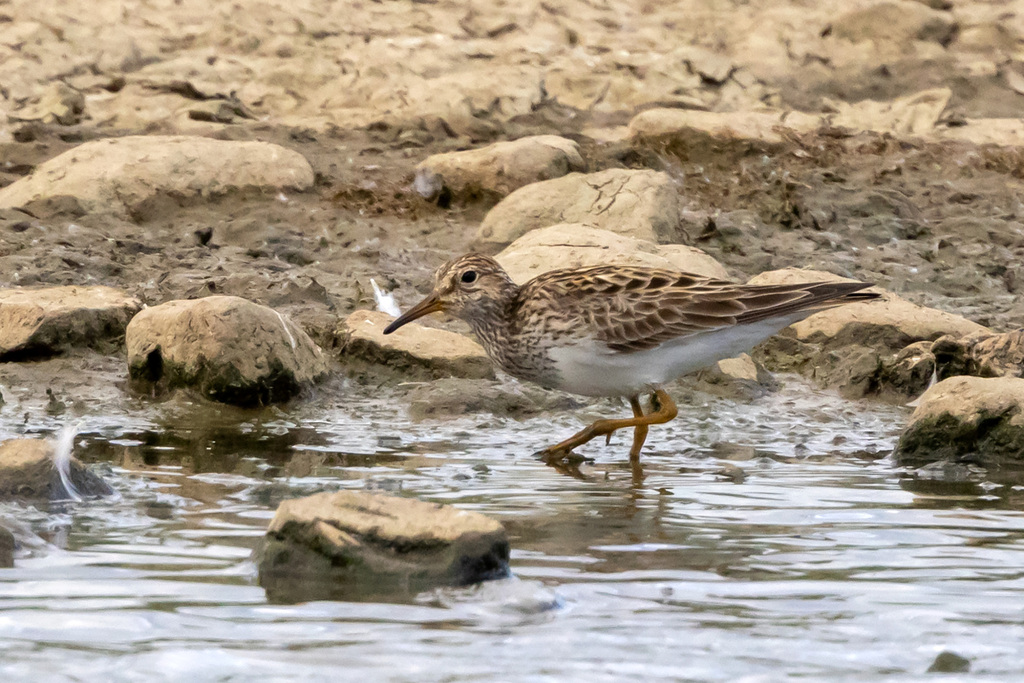
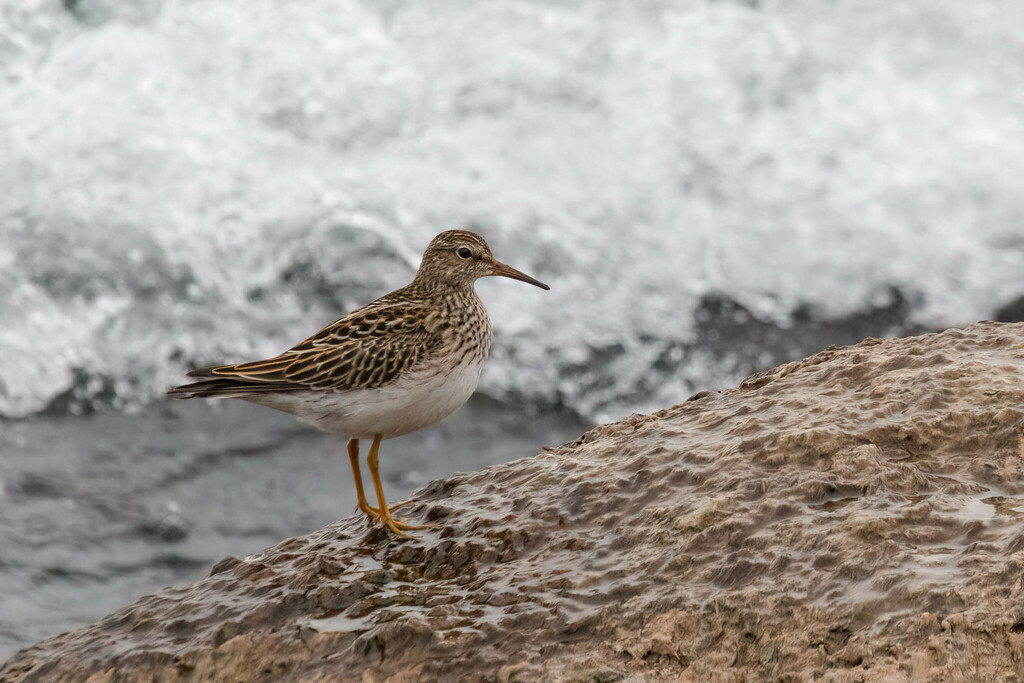
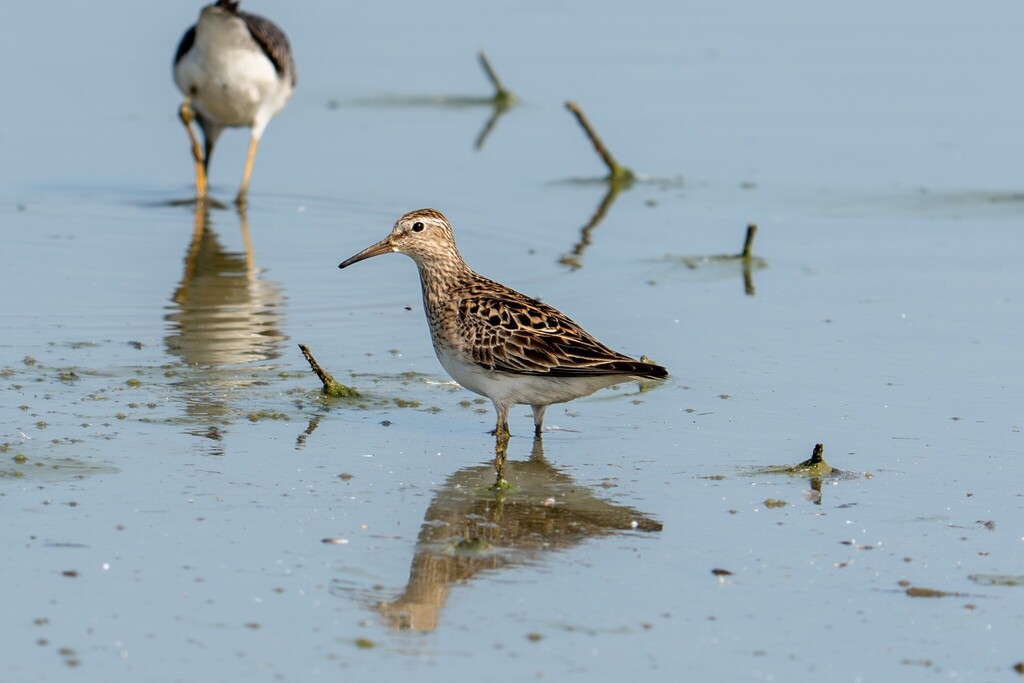
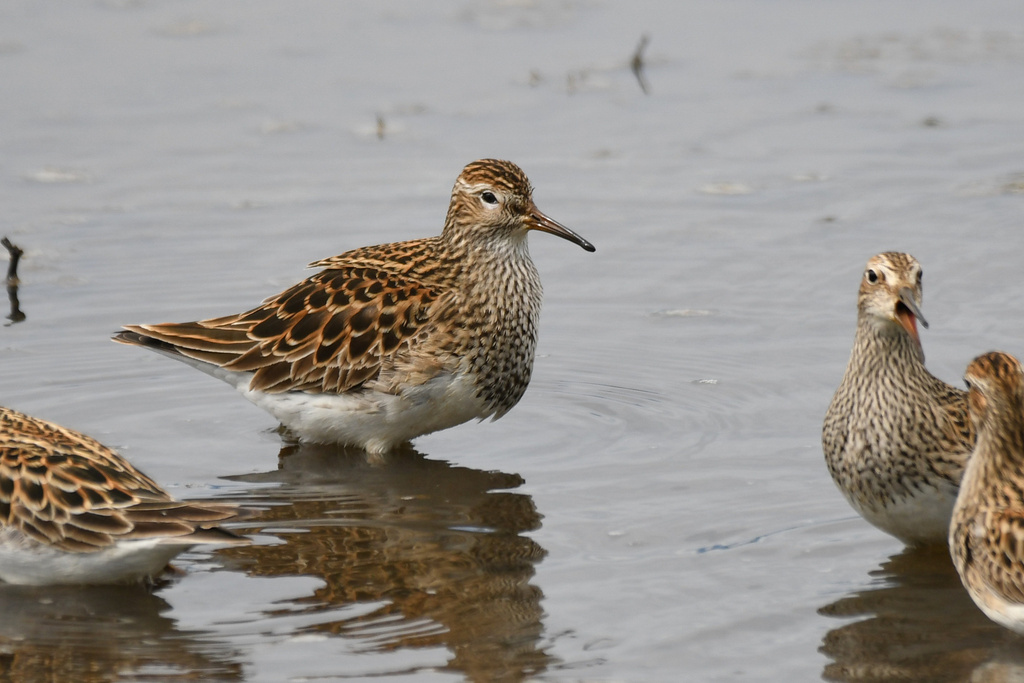
El correlimos pectoral es bastante grande y fácil de identificar, gracias a que en todos los plumajes posee un denso estriado en el pecho que termina bruscamente al llegar al vientre, dando lugar a una especie de pechera grisácea. Además tiene las patas claras (amarillentas o verdosas) y el pico ligeramente curvado en la punta con la base clara, y muestra actitudes que recuerdan a las del combatiente.A relatively large shorebird with a very distinctive feature: a dense, heavily streaked breast that ends with a sharp, straight horizontal line at the pure white belly. It has a slightly down-curved bill and greenish/yellowish legs. It originates from the Siberian and North American Arctic and is the most frequent American shorebird to reach Europe, now considered a regular passage migrant in many areas.
DistribuciónDistribution
En nuestro país es un migrante escaso pero regular. Es más frecuente en su paso otoñal entre julio y octubre que en primavera (abril y mayo), y la mayor parte de los avistamientos se producen en el nordeste (Cataluña y Comunidad Valenciana) y noroeste peninsular (Galicia y Asturias). También se registra su paso en los archipiélagos, pero no en los territorios norteafricanos, aunque no es descartable su presencia.Scarce but regular passage migrant (rarity). Increasing annual records. Found mainly in Catalonia, Valencia, Galicia, and Asturias. Also in both archipelagos. Mostly September.
Textos reproducidos con permiso de laTexts translated and reproduced with permission from the Guía de Aves de España © SEO/BirdLife
Estado de conservaciónConservation Status
- EX
- RE
- CR
- EN
- VU
- NT
- LC
DD
Datos insuficientesData Deficient
Qué significa cada categoríaWhat each category means
- LC
- Preocupación menor: Taxón evaluado que no califica para categorías amenazadas. Especies abundantes y ampliamente distribuidasLeast Concern - Evaluated taxon that does not qualify for threatened categories. Widespread and abundant taxa
- NT
- Casi amenazada: No califica actualmente como amenazada, pero está cerca de calificar o es probable que califique en el futuro cercanoNear Threatened - Does not currently qualify as threatened, but is close to qualifying or likely to qualify in the near future
- VU
- Vulnerable: Enfrenta un alto riesgo de extinción en estado silvestre según los criterios A a E de IUCNVulnerable - Facing a high risk of extinction in the wild based on IUCN criteria A to E
- EN
- En peligro: Enfrenta un riesgo muy alto de extinción en estado silvestre según los criterios A a E de IUCNEndangered - Facing a very high risk of extinction in the wild based on IUCN criteria A to E
- CR
- En peligro crítico: Enfrenta un riesgo extremadamente alto de extinción en estado silvestre según los criterios A a E de IUCNCritically Endangered - Facing an extremely high risk of extinction in the wild based on IUCN criteria A to E
- DD
- Datos insuficientes: Información inadecuada para evaluar el riesgo de extinción basándose en distribución o estado poblacionalData Deficient - Inadequate information to assess extinction risk based on distribution and/or population status
- NE
- No evaluada: No ha sido evaluada aún contra los criterios de la Lista Roja de IUCNNot Evaluated - Has not yet been assessed against the IUCN Red List criteria
- RE
- Extinta regionalmente: El taxón ya no existe en la región específica, aunque puede sobrevivir en otros lugaresRegionally Extinct - Taxon no longer exists in the specific region, though it may survive elsewhere
- EX
- Extinta - No existe duda razonable de que ha muerto el último individuo del taxónExtinct - No reasonable doubt that the last individual of the taxon has died
TaxonomíaTaxonomy
- OrdenOrder
- Charadriiformes
- FamiliaFamily
- Scolopacidae
Presencia en EspañaPresence in Spain
- De pasoPassage migrant
- HabitualRegular
En la app: abril a mayo y de julio a octubre.In the app: April to May and July to October.
Dónde verlaWhere to see it
109 cuadrículas de 10 km con registros de 2020 a 2024. Toca un mes para ver dónde se ha visto.109 10 km squares with records from 2020 to 2024. Pick a month to see where it has been seen.
Cargando el mapa…Loading the map…
Dónde es regularWhere it is regular
Provincias con registros en al menos 3 de los 5 años algún mes, de más a menos frecuente, y sus mejores meses.Provinces with records in at least 3 of the 5 years in some month, from most to least frequent, and their best months.
- Las PalmasLas Palmasseptiembre, octubreSeptember, October
- TarragonaTarragonaseptiembre, octubreSeptember, October
- BarcelonaBarcelonaseptiembre, octubre, agostoSeptember, October, August
- ValenciaValenciaseptiembre, octubreSeptember, October
- GironaGironaoctubre, septiembreOctober, September
- A CoruñaA CoruñaseptiembreSeptember
- AsturiasAsturiasseptiembreSeptember
- CantabriaCantabriaseptiembreSeptember
- MálagaMálagaseptiembreSeptember
- BalearesBalearic IslandsseptiembreSeptember
Ver las 11 provinciasSee all 11 provinces
- CáceresCáceresoctubreOctober
Datos: registros en GBIF de 2020 a 2024 de Observation.org, eBird, iNaturalist y el ICO, descargados el 23/10/2026.Data: GBIF records from 2020 to 2024 from Observation.org, eBird, iNaturalist and the ICO, downloaded on 23/10/2026. GBIF.org (23 October 2026) GBIF Occurrence Download · doi:10.15468/dl.r5sf2a · CC BY-NC 4.0
GaleríaGallery
© Andrew Cannizzaro · CC BY · iNaturalist 
© Andy Reago & Chrissy McClarren · CC BY · iNaturalist 
© Chema Montero · CC BY · iNaturalist 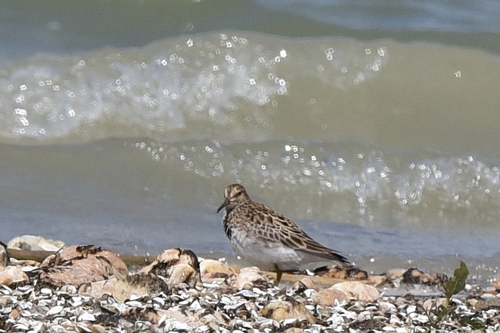
© Eva Uzdilova · CC BY · iNaturalist 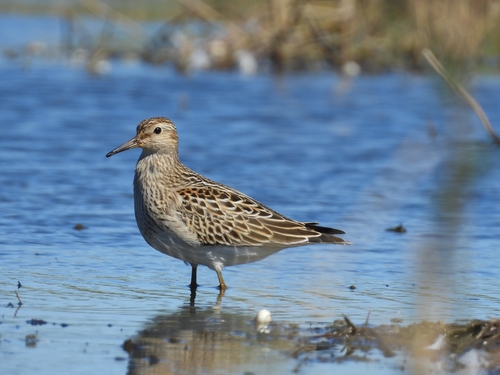
© David Pereira · CC BY · iNaturalist 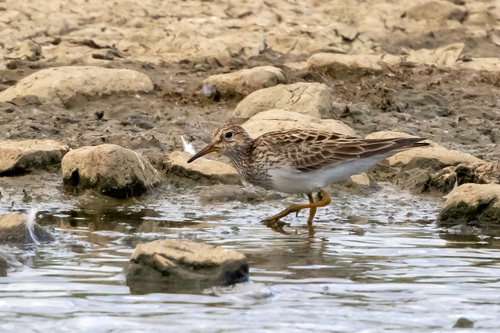
© Barry Stewart · CC BY · iNaturalist 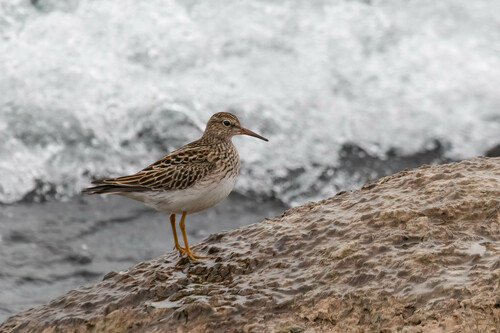
© Kalvin Chan · CC BY · iNaturalist 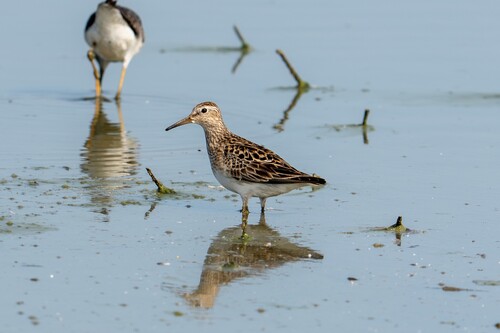
© Brandon Johnson · CC BY · iNaturalist 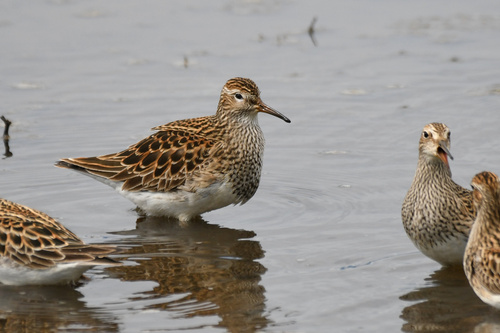
© Justin Flint · CC BY · iNaturalist



Especies relacionadasRelated species
Otras aves de la familia Scolopacidae y de órdenes cercanos.Other birds from the Scolopacidae family and nearby orders.
- ÉpicoEpic
 Correlimos semipalmeadoSemipalmated SandpiperCalidris pusilla
- LegendarioLegendary
 Correlimos de AlaskaWestern SandpiperCalidris mauri
- ÉpicoEpic
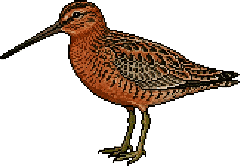 Agujeta escolopáceaLong-billed DowitcherLimnodromus scolopaceus
- LegendarioLegendary
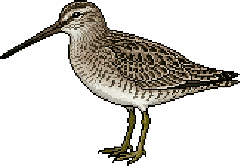 Agujeta grisShort-billed DowitcherLimnodromus griseus
- Poco comúnUncommon
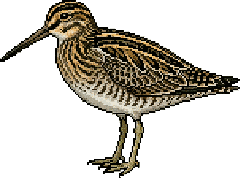 Agachadiza chicaJack SnipeLymnocryptes minimus
- ÉpicoEpic
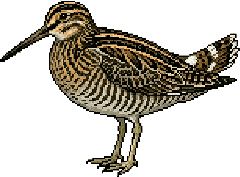 Agachadiza realGreat SnipeGallinago media
- LegendarioLegendary
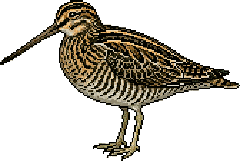 Agachadiza de WilsonWilson's SnipeGallinago delicata
- ÉpicoEpic
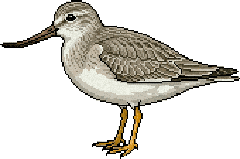 Andarríos del TerekTerek SandpiperXenus cinereus
 Gratis, sin anuncios ni comprasFree, no ads, no purchases