 BirdPedy
Agachadiza chicaJack Snipe
En 41 provincias en marzo y en 1 en junioIn 41 provinces in March and 1 in June
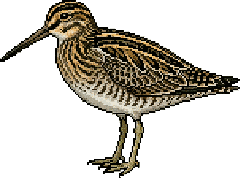
Reporte de rarezaRarity report
Por qué es poco comúnWhy it is uncommonDiminuta y experta en el camuflaje estático. Invernante regular pero muy difícil de detectar por sus hábitos discretos en zonas de vegetación palustre densa y pantanosa.Tiny and expert in static camouflage. Regular winterer but difficult to detect due to discreet habits.
Cada carrizo es un mes: su altura, las provincias con registros de 2020 a 2024.Each reed is a month: its height, the provinces with records from 2020 to 2024.- Provincias con registrosProvinces with records
- 47 de 52of 52
- En la appIn the app
- Octubre a abrilOctober to April
- EnvergaduraWingspan
- 38-42 cm38-42 cm
- LongitudLength
- 17-19 cm17-19 cm
- Lista Roja de EspañaSpanish Red List
- DD Datos insuficientesData Deficient

Información generalGeneral Information
Esta pequeña limícola, de críptico plumaje y hábitos muy recatados, es uno de los más esquivos y desconocidos habitantes de nuestros humedales y áreas encharcables, donde se instala a lo largo del invierno y durante los pasos migratorios.The Jack Snipe is the silent ghost of the marshland. It is almost never seen in the open, preferring dense vegetation where it can hide perfectly. It is a regular but scarce winterer and passage migrant in Spain. Detecting its presence often requires walking through muddy marsh edges. It is a specialized, beautiful bird that represents the most secretive corner of our wetland biodiversity.
IdentificaciónIdentification
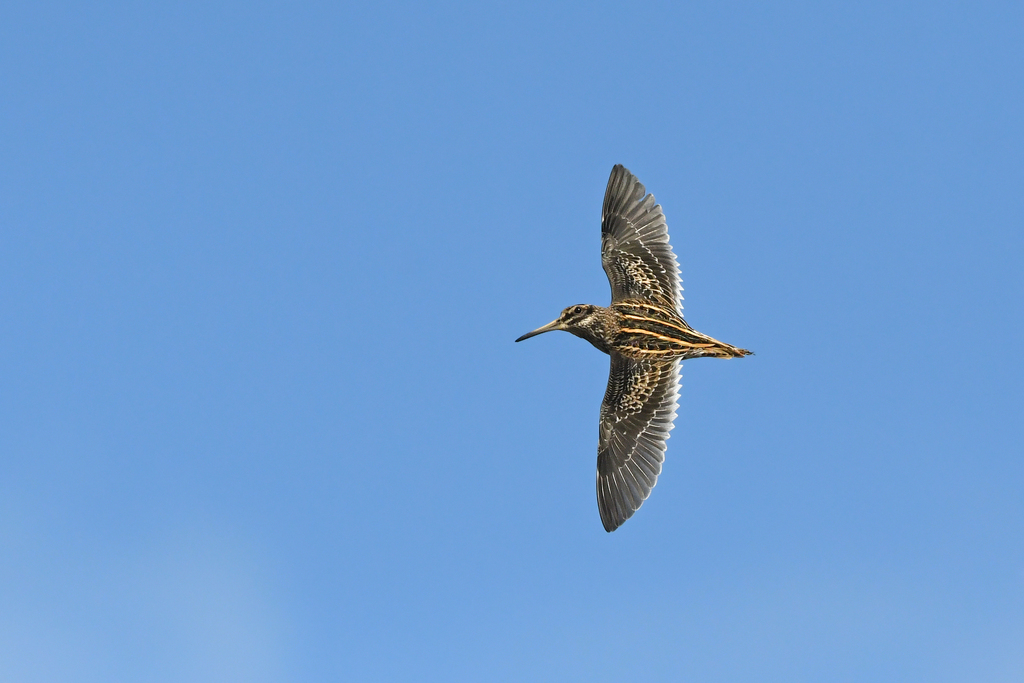
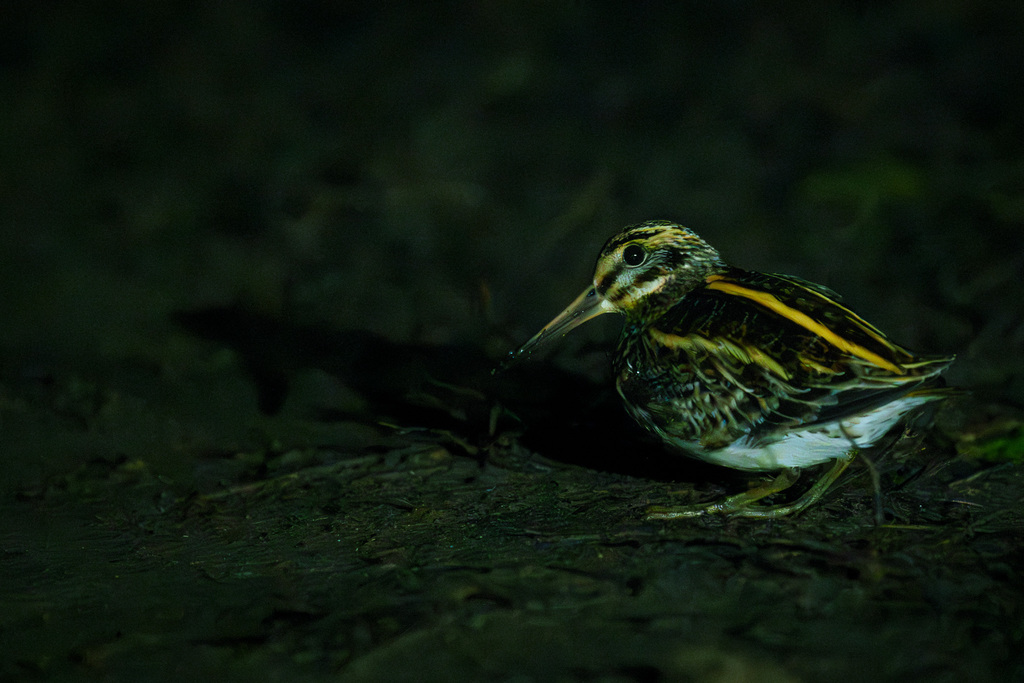
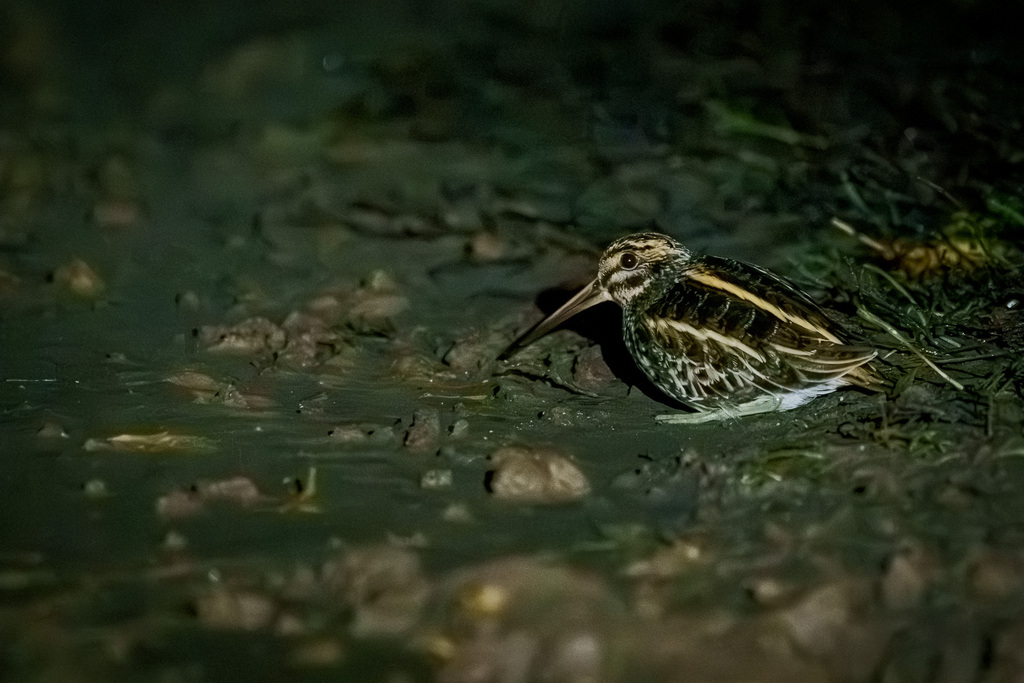
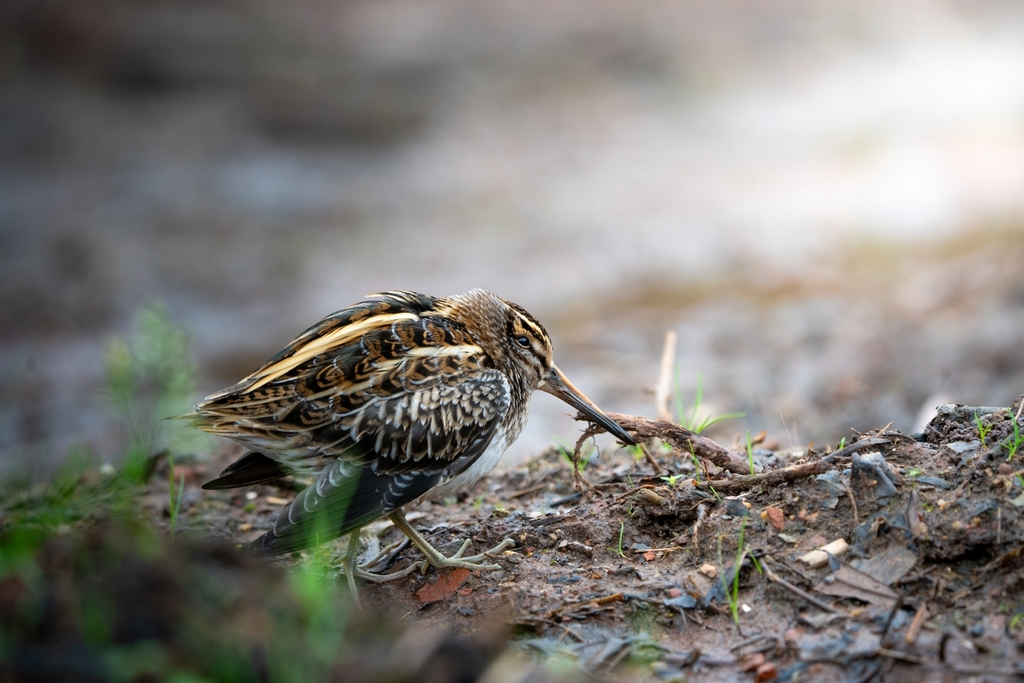
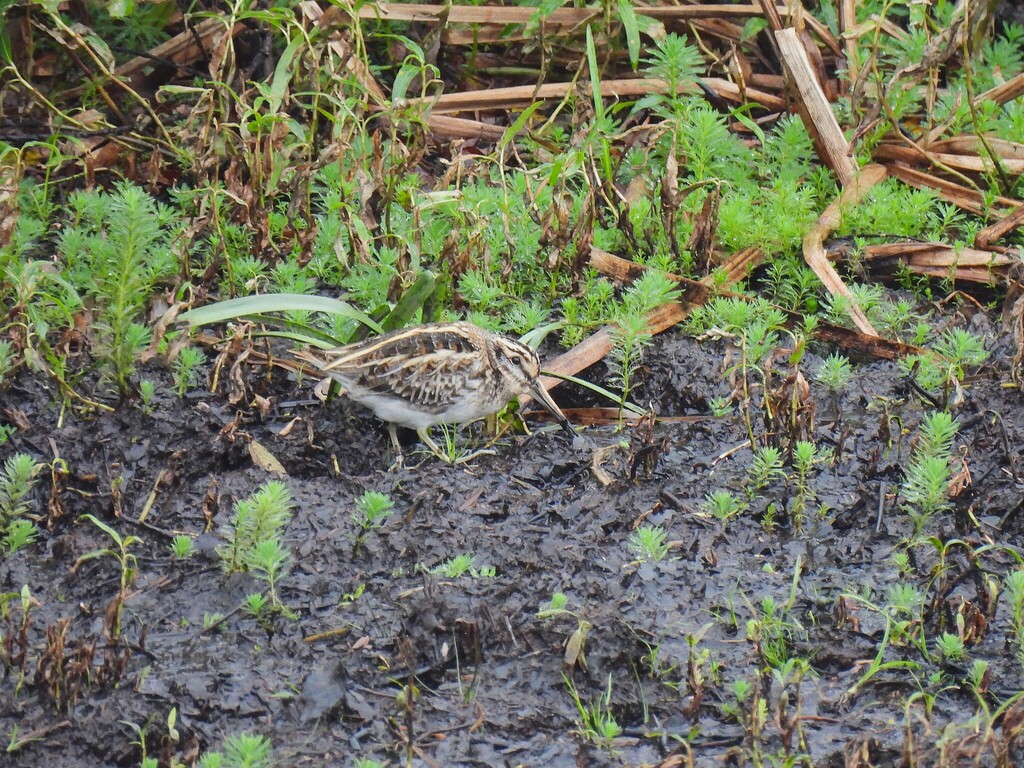
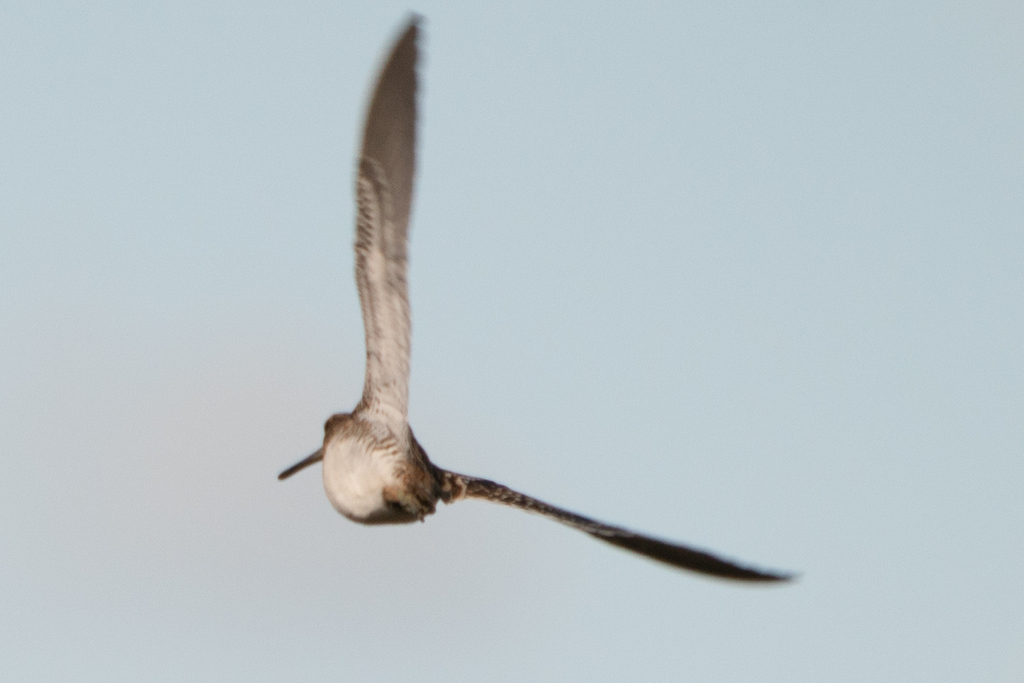
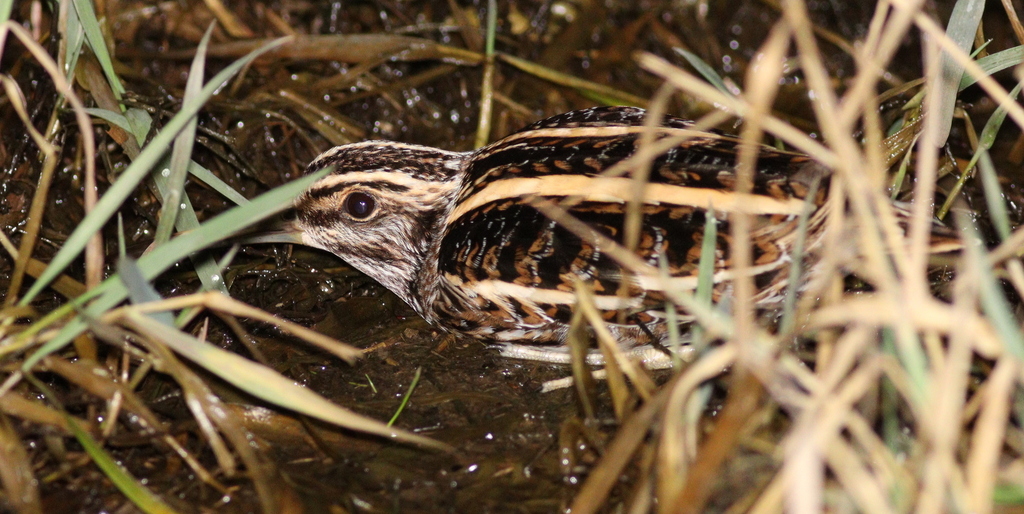
La agachadiza chica es una limícola pequeña, de pico relativamente largo y de colores muy crípticos, que le permiten pasar inadvertida cuando se encuentra entre la maleza ribereña. Tiene un característico brillo verdoso en las escapulares, que aparece enmarcado por dos líneas longitudinales de color crema a cada lado del cuerpo, una en las plumas del manto y otra en las escapulares inferiores. Las regiones ventrales y el pecho son blancos, con la garganta estriada de marrón. En la cabeza presenta un doble listado por encima del ojo, aunque sin lista pileal clara. El adulto y el joven son prácticamente idénticos. En vuelo dispone la cola en forma de cuña y luce un plumaje bastante pardo, con las rémiges oscuras y un estrecho borde blanco en los extremos de las secundarias.A small, very cryptic shorebird, significantly smaller than the Common Snipe. It has a relatively shorter bill and a unique head pattern with no central crown stripe. It is famous for its 'bouncing' behavior while feeding and for its extreme tameness—it will often stay completely still until almost stepped upon. When it flushes, it flies silently and for only a short distance before dropping back into the marsh.
DistribuciónDistribution
Resulta un ave escasa durante las migraciones y en invernada, que se distribuye de forma fragmentaria por casi todo el territorio, aunque principalmente por el norte y el oeste, tanto en áreas costeras como del interior. Está presente también en Baleares.Widespread but scarce winter visitor and passage migrant across the entire Peninsula and Balearics. Found in both coastal and inland wetlands. Does not breed in the territory.
Textos reproducidos con permiso de laTexts translated and reproduced with permission from the Guía de Aves de España © SEO/BirdLife
Estado de conservaciónConservation Status
- EX
- RE
- CR
- EN
- VU
- NT
- LC
DD
Datos insuficientesData Deficient
Qué significa cada categoríaWhat each category means
- LC
- Preocupación menor: Taxón evaluado que no califica para categorías amenazadas. Especies abundantes y ampliamente distribuidasLeast Concern - Evaluated taxon that does not qualify for threatened categories. Widespread and abundant taxa
- NT
- Casi amenazada: No califica actualmente como amenazada, pero está cerca de calificar o es probable que califique en el futuro cercanoNear Threatened - Does not currently qualify as threatened, but is close to qualifying or likely to qualify in the near future
- VU
- Vulnerable: Enfrenta un alto riesgo de extinción en estado silvestre según los criterios A a E de IUCNVulnerable - Facing a high risk of extinction in the wild based on IUCN criteria A to E
- EN
- En peligro: Enfrenta un riesgo muy alto de extinción en estado silvestre según los criterios A a E de IUCNEndangered - Facing a very high risk of extinction in the wild based on IUCN criteria A to E
- CR
- En peligro crítico: Enfrenta un riesgo extremadamente alto de extinción en estado silvestre según los criterios A a E de IUCNCritically Endangered - Facing an extremely high risk of extinction in the wild based on IUCN criteria A to E
- DD
- Datos insuficientes: Información inadecuada para evaluar el riesgo de extinción basándose en distribución o estado poblacionalData Deficient - Inadequate information to assess extinction risk based on distribution and/or population status
- NE
- No evaluada: No ha sido evaluada aún contra los criterios de la Lista Roja de IUCNNot Evaluated - Has not yet been assessed against the IUCN Red List criteria
- RE
- Extinta regionalmente: El taxón ya no existe en la región específica, aunque puede sobrevivir en otros lugaresRegionally Extinct - Taxon no longer exists in the specific region, though it may survive elsewhere
- EX
- Extinta - No existe duda razonable de que ha muerto el último individuo del taxónExtinct - No reasonable doubt that the last individual of the taxon has died
TaxonomíaTaxonomy
- OrdenOrder
- Charadriiformes
- FamiliaFamily
- Scolopacidae
Presencia en EspañaPresence in Spain
- De pasoPassage migrant
- HabitualRegular
- InvernanteWinter visitor
En la app: octubre a abril.In the app: October to April.
Dónde verlaWhere to see it
385 cuadrículas de 10 km con registros de 2020 a 2024. Toca un mes para ver dónde se ha visto.385 10 km squares with records from 2020 to 2024. Pick a month to see where it has been seen.
Cargando el mapa…Loading the map…
Dónde es regularWhere it is regular
Provincias con registros en al menos 3 de los 5 años algún mes, de más a menos frecuente, y sus mejores meses.Provinces with records in at least 3 of the 5 years in some month, from most to least frequent, and their best months.
- GuipúzcoaGuipúzcoaenero, febrero, marzoJanuary, February, March
- AlbaceteAlbaceteenero, diciembre, noviembreJanuary, December, November
- GironaGironafebrero, enero, abrilFebruary, January, April
- AlicanteAlicantefebrero, enero, marzoFebruary, January, March
- AlmeríaAlmeríaenero, diciembreJanuary, December
- SalamancaSalamancafebrero, marzo, diciembreFebruary, March, December
- BarcelonaBarcelonanoviembre, enero, diciembreNovember, January, December
- HuescaHuescaenero, diciembre, marzoJanuary, December, March
- MadridMadridenero, noviembre, diciembreJanuary, November, December
- AsturiasAsturiasenero, febrero, noviembreJanuary, February, November
Ver las 32 provinciasSee all 32 provinces
- ValenciaValenciafebrero, marzo, eneroFebruary, March, January
- MurciaMurciaenero, marzo, diciembreJanuary, March, December
- CáceresCáceresmarzo, diciembre, eneroMarch, December, January
- CastellónCastellónmarzo, diciembre, eneroMarch, December, January
- BurgosBurgosmarzo, febrero, eneroMarch, February, January
- MálagaMálagaenero, marzoJanuary, March
- LleidaLleidanoviembre, marzo, eneroNovember, March, January
- ValladolidValladolidmarzo, diciembre, eneroMarch, December, January
- BalearesBalearic Islandsfebrero, marzo, eneroFebruary, March, January
- ÁvilaÁviladiciembre, noviembre, eneroDecember, November, January
- NavarraNavarradiciembre, enero, febreroDecember, January, February
- CádizCádizfebrero, enero, marzoFebruary, January, March
- HuelvaHuelvaeneroJanuary
- SoriaSoriafebrero, marzo, diciembreFebruary, March, December
- CantabriaCantabrianoviembre, enero, diciembreNovember, January, December
- GranadaGranadafebreroFebruary
- SevillaSevillamarzo, febrero, diciembreMarch, February, December
- TarragonaTarragonaenero, noviembre, febreroJanuary, November, February
- ZaragozaZaragozaenero, noviembreJanuary, November
- ZamoraZamoradiciembre, eneroDecember, January
- PalenciaPalenciamarzoMarch
- BadajozBadajozmarzo, enero, diciembreMarch, January, December
Datos: registros en GBIF de 2020 a 2024 de Observation.org, eBird, iNaturalist y el ICO, descargados el 23/10/2026.Data: GBIF records from 2020 to 2024 from Observation.org, eBird, iNaturalist and the ICO, downloaded on 23/10/2026. GBIF.org (23 October 2026) GBIF Occurrence Download · doi:10.15468/dl.r5sf2a · CC BY-NC 4.0
GaleríaGallery
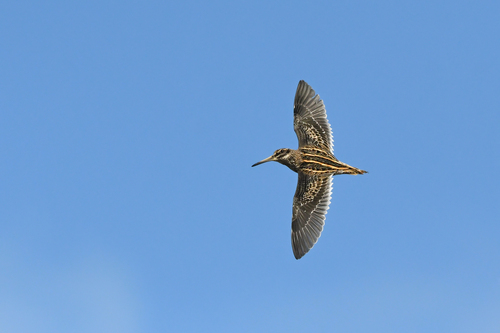
© Christoph Moning · CC BY · iNaturalist 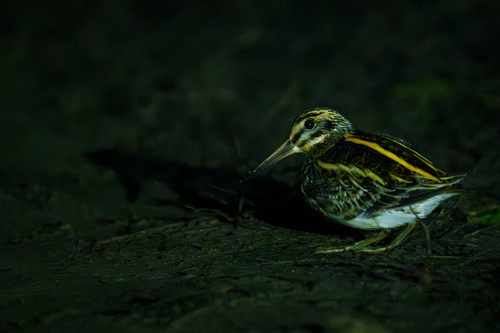
© Шальнов Кирилл · CC BY · iNaturalist 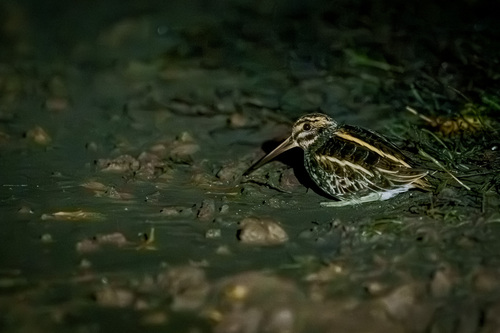
© Шальнов Кирилл · CC BY · iNaturalist 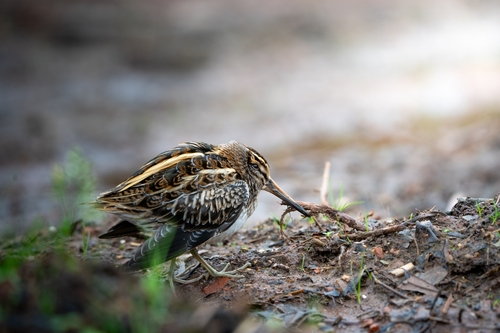
© Karsten Ste · CC BY · iNaturalist 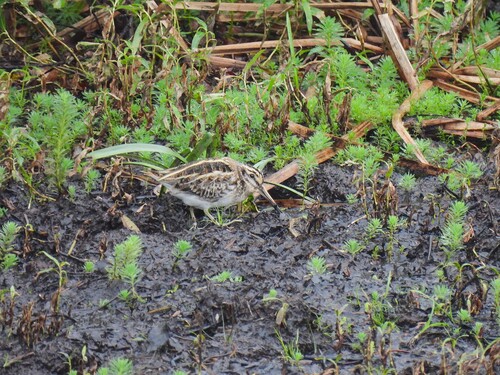
© Antoine Thivolle · CC BY · iNaturalist 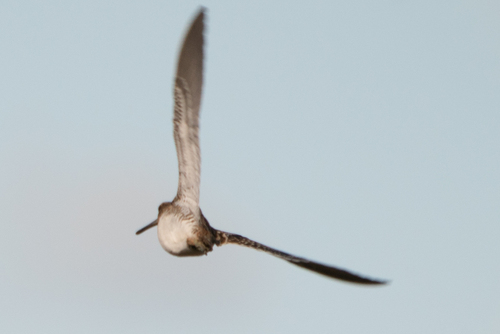
© WATANABE Hitoshi 渡辺仁 · CC BY · iNaturalist 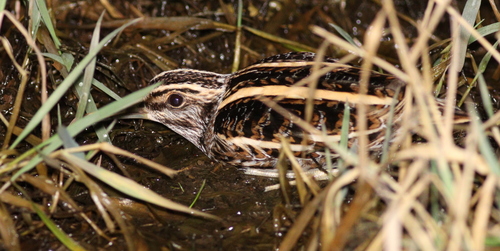
© Jan Ebr & Ivana Ebrová · CC BY · iNaturalist
Especies relacionadasRelated species
Otras aves de la familia Scolopacidae y de órdenes cercanos.Other birds from the Scolopacidae family and nearby orders.
- ÉpicoEpic
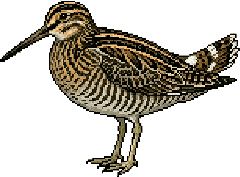 Agachadiza realGreat SnipeGallinago media
- LegendarioLegendary
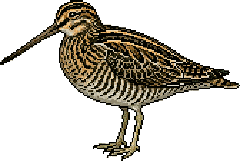 Agachadiza de WilsonWilson's SnipeGallinago delicata
- ÉpicoEpic
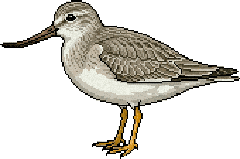 Andarríos del TerekTerek SandpiperXenus cinereus
- LegendarioLegendary
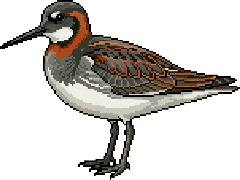 Falaropo tricolorWilson's PhalaropePhalaropus tricolor
- RaroRare
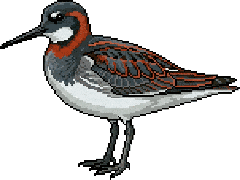 Falaropo picofinoRed-necked PhalaropePhalaropus lobatus
- RaroRare
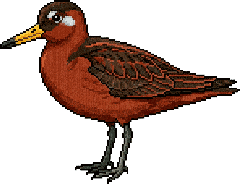 Falaropo picogruesoRed PhalaropePhalaropus fulicarius
- ÉpicoEpic
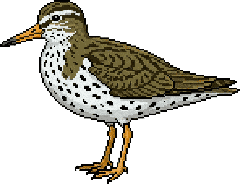 Andarríos maculadoSpotted SandpiperActitis macularius
- ComúnCommon
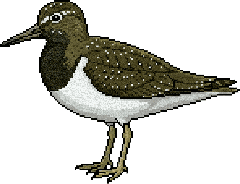 Andarríos grandeGreen SandpiperTringa ochropus
 Gratis, sin anuncios ni comprasFree, no ads, no purchases