 BirdPedy
Colimbo grandeGreat Northern Diver
En 34 provincias en enero y sin registros 2 meses del añoIn 34 provinces in January, and no records in 2 months of the year
Reporte de rarezaRarity report
Por qué es poco comúnWhy it is uncommonEntre 2020 y 2024 se vio en España en 467 ocasiones distintas, que suman 807 días, todos los años (datos de Observation.org, eBird, iNaturalist y el ICO publicados en GBIF). En la provincia mediana, 1 de cada 20.000 registros de aves es suyo. En la guía de aves de SEO/BirdLife figura como habitual en España.Between 2020 and 2024 it was seen in Spain on 467 separate occasions, adding up to 807 days, every year (data from Observation.org, eBird, iNaturalist and ICO published on GBIF). In the median province, 1 in every 20,000 bird records is of this species. SEO/BirdLife's bird guide lists it as regular in Spain.
Cada carrizo es un mes: su altura, las provincias con registros de 2020 a 2024.Each reed is a month: its height, the provinces with records from 2020 to 2024.- Provincias con registrosProvinces with records
- 39 de 52of 52
- En la appIn the app
- Noviembre a abrilNovember to April
- EnvergaduraWingspan
- 127-147 cm127-147 cm
- LongitudLength
- 70-90 cm70-90 cm
- Lista Roja de EspañaSpanish Red List
- NT Casi amenazadaNear Threatened

Información generalGeneral Information
El litoral de Galicia y Asturias acoge durante el invierno un pequeño contingente de esta especie, que cría en las altas latitudes del hemisferio norte, donde ocupa zonas lacustres en la taiga y la tundra, si bien durante el invierno tiende a frecuentar las costas. Como todos los colimbos, el grande es un ave acuática que obtiene su alimento, que consiste principalmente en peces y crustáceos, buceando con gran habilidad.The Great Northern Diver (Common Loon) is the largest and most imposing of our wintering divers. Small numbers regularly winter in the bays of Galicia and Asturias. Their size and heavy bills make them look more like cormorants from a distance. They are a beloved part of the Galician 'Rias' in winter. Their presence is a symbol of the deep connection between our rugged northern coast and the wild lakes of Canada and Greenland.
IdentificaciónIdentification
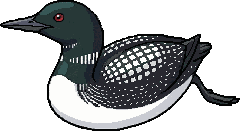
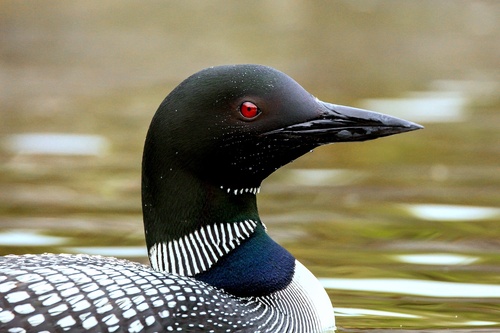
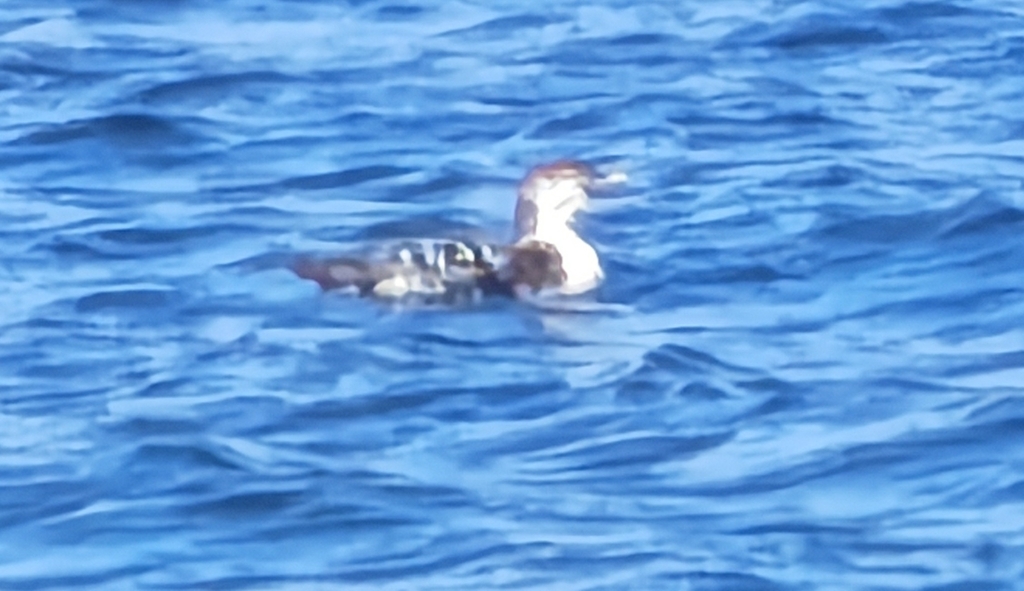
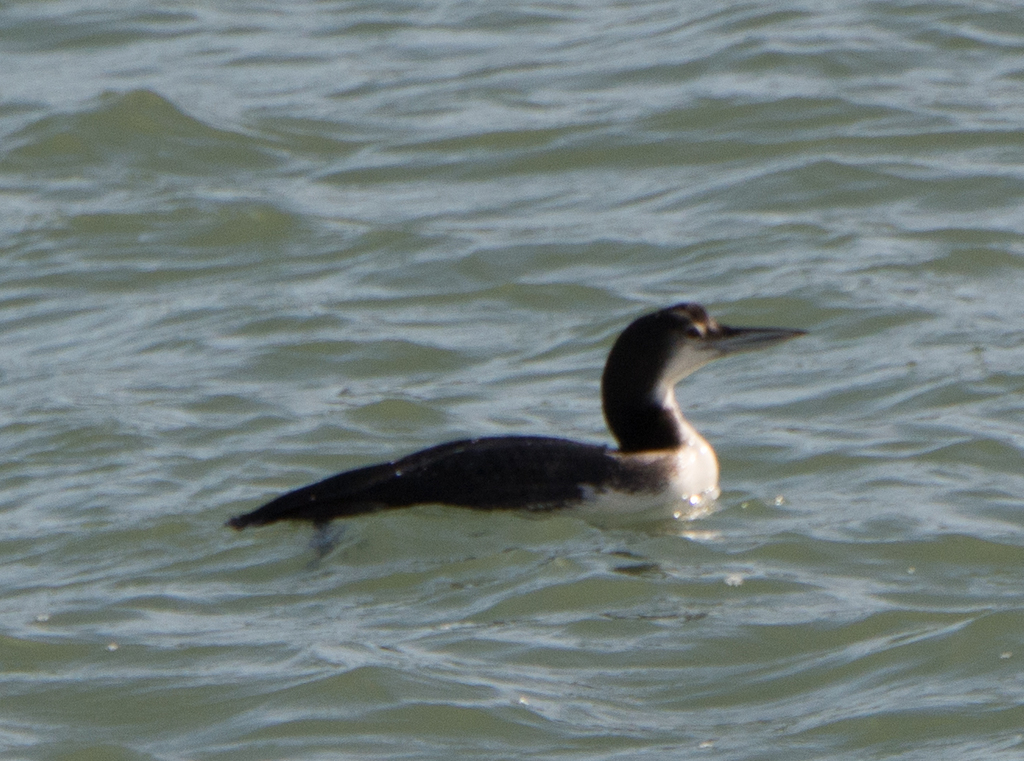
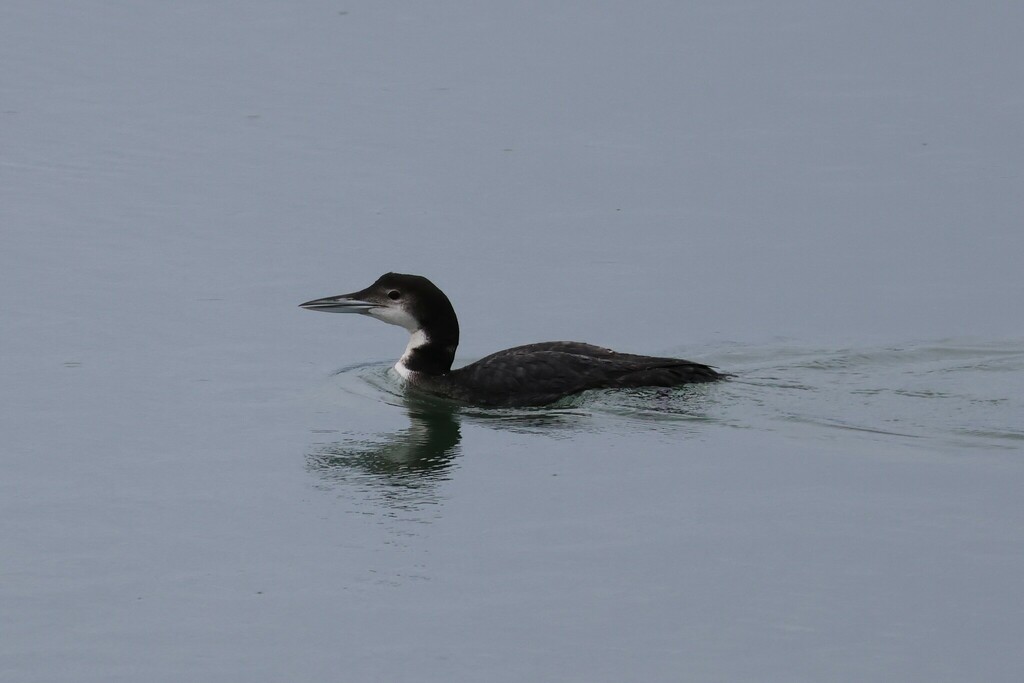
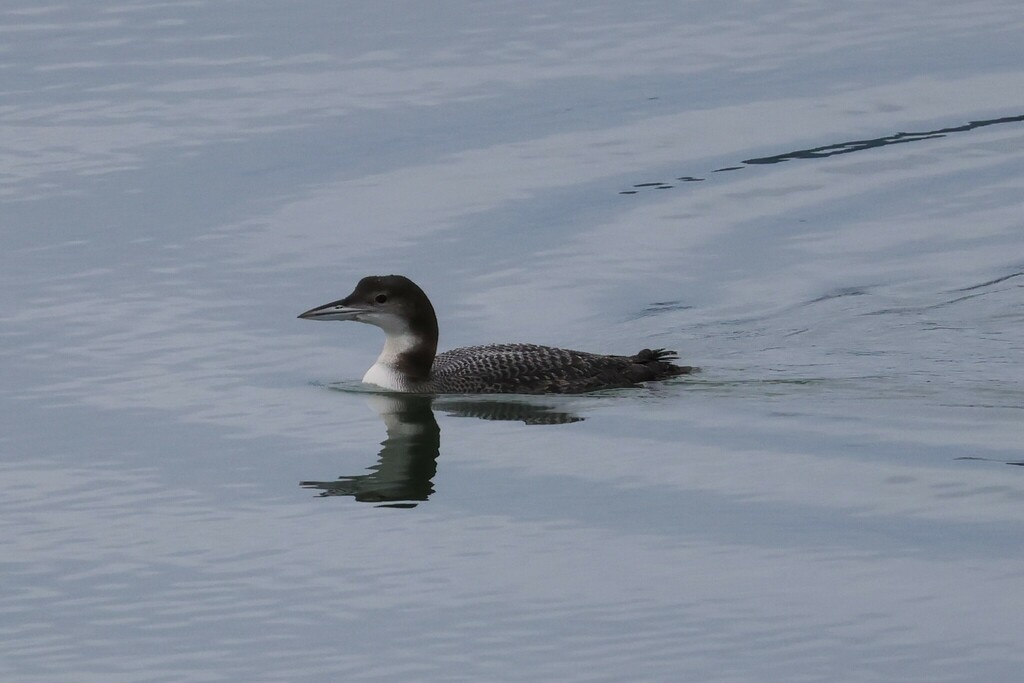
El colimbo acuático es una especie acuática, de aspecto robusto, que recuerda a un cormorán de lejos. Tiene el cuello grueso, la cabeza robusta, y el pico apuntado, grueso y horizontal. Llama la atención su frente empinada. En invierno luce coloración general gris oscura, con partes inferiores blancas. En la base del cuello destaca un collar negro, que no se cierra por delante, y el pico es blanquecino, con la punta oscura. Para el periodo reproductor, el plumaje de los adultos se vuelve mucho más llamativo, adquiriendo una coloración negra brillante en la cabeza y en el cuello, y un diseño general ajedreza do en las partes superiores. También presenta estrechas franjas de líneas verticales blancas en los laterales del cuello y en la garganta. En vuelo muestra un cuello largo, que, junto con la cabeza, sobresale del cuerpo más que las patas y la cola. Además lleva la cabeza ligeramente baja respecto al cuerpo. En el agua mantiene la línea de flotación baja, y por eso deja ver una pequeña porción de las partes inferiores blancas, lo que llama la atención. La línea de flotación baja permite distinguir a este y otros colimbos de los cormoranes, que la llevan más alta. No existen diferencias apreciables entre sexos. El plumaje de los jóvenes resulta similar al de los adultos en invierno, aunque en la zona superior se aprecian en las plumas bordes claros, que generan un patrón escamado.A massive diver, nearly the size of a goose, with a very thick, heavy bill and a robust 'bull-necked' build. It has a characteristic steeply sloped forehead. In winter, it is very dark with a diagnostic 'half-collar' at the base of the neck. It is famous for its haunting, yodeling calls (heard in summer). It is an incredibly powerful diver, capable of staying underwater for minutes.
DistribuciónDistribution
Tan solo se halla presente en nuestras costas durante el invierno, periodo durante el cual es escaso pero regular en el litoral cantábrico y gallego y, ocasionalmente, frente a Huelva y Cádiz. En la costa mediterránea aparece irregularmente; en Baleares, de forma ocasional.Scarce but regular winter visitor. Found mainly in the Cantabrian and Galician Rias. Occasional in Andalusia and the Mediterranean. Does not breed locally.
Textos reproducidos con permiso de laTexts translated and reproduced with permission from the Guía de Aves de España © SEO/BirdLife
Estado de conservaciónConservation Status
- EX
- RE
- CR
- EN
- VU
- NT
- LC
Casi amenazadaNear Threatened
Qué significa cada categoríaWhat each category means
- LC
- Preocupación menor: Taxón evaluado que no califica para categorías amenazadas. Especies abundantes y ampliamente distribuidasLeast Concern - Evaluated taxon that does not qualify for threatened categories. Widespread and abundant taxa
- NT
- Casi amenazada: No califica actualmente como amenazada, pero está cerca de calificar o es probable que califique en el futuro cercanoNear Threatened - Does not currently qualify as threatened, but is close to qualifying or likely to qualify in the near future
- VU
- Vulnerable: Enfrenta un alto riesgo de extinción en estado silvestre según los criterios A a E de IUCNVulnerable - Facing a high risk of extinction in the wild based on IUCN criteria A to E
- EN
- En peligro: Enfrenta un riesgo muy alto de extinción en estado silvestre según los criterios A a E de IUCNEndangered - Facing a very high risk of extinction in the wild based on IUCN criteria A to E
- CR
- En peligro crítico: Enfrenta un riesgo extremadamente alto de extinción en estado silvestre según los criterios A a E de IUCNCritically Endangered - Facing an extremely high risk of extinction in the wild based on IUCN criteria A to E
- DD
- Datos insuficientes: Información inadecuada para evaluar el riesgo de extinción basándose en distribución o estado poblacionalData Deficient - Inadequate information to assess extinction risk based on distribution and/or population status
- NE
- No evaluada: No ha sido evaluada aún contra los criterios de la Lista Roja de IUCNNot Evaluated - Has not yet been assessed against the IUCN Red List criteria
- RE
- Extinta regionalmente: El taxón ya no existe en la región específica, aunque puede sobrevivir en otros lugaresRegionally Extinct - Taxon no longer exists in the specific region, though it may survive elsewhere
- EX
- Extinta - No existe duda razonable de que ha muerto el último individuo del taxónExtinct - No reasonable doubt that the last individual of the taxon has died
TaxonomíaTaxonomy
- OrdenOrder
- Gaviiformes
- FamiliaFamily
- Gaviidae
Presencia en EspañaPresence in Spain
- HabitualRegular
- InvernanteWinter visitor
En la app: noviembre a abril.In the app: November to April.
Dónde verlaWhere to see it
192 cuadrículas de 10 km con registros de 2020 a 2024. Toca un mes para ver dónde se ha visto.192 10 km squares with records from 2020 to 2024. Pick a month to see where it has been seen.
Cargando el mapa…Loading the map…
Dónde es regularWhere it is regular
Provincias con registros en al menos 3 de los 5 años algún mes, de más a menos frecuente, y sus mejores meses.Provinces with records in at least 3 of the 5 years in some month, from most to least frequent, and their best months.
- CantabriaCantabriaenero, diciembre, febreroJanuary, December, February
- GuipúzcoaGuipúzcoadiciembre, enero, noviembreDecember, January, November
- LugoLugodiciembre, enero, noviembreDecember, January, November
- PontevedraPontevedradiciembre, enero, febreroDecember, January, February
- A CoruñaA Coruñaenero, diciembre, noviembreJanuary, December, November
- AsturiasAsturiasdiciembre, noviembre, eneroDecember, November, January
- BurgosBurgosenero, febrero, diciembreJanuary, February, December
- ÁlavaÁlavafebrero, diciembre, eneroFebruary, December, January
- VizcayaVizcayadiciembre, enero, febreroDecember, January, February
- TarragonaTarragonafebrero, enero, diciembreFebruary, January, December
Ver las 19 provinciasSee all 19 provinces
- HuescaHuescadiciembreDecember
- NavarraNavarraenero, diciembreJanuary, December
- HuelvaHuelvadiciembre, eneroDecember, January
- GironaGironaenero, diciembre, febreroJanuary, December, February
- ValenciaValenciadiciembreDecember
- AlicanteAlicantediciembre, eneroDecember, January
- MálagaMálagaenero, febreroJanuary, February
- BarcelonaBarcelonadiciembre, eneroDecember, January
- CádizCádizdiciembreDecember
Datos: registros en GBIF de 2020 a 2024 de Observation.org, eBird, iNaturalist y el ICO, descargados el 23/10/2026.Data: GBIF records from 2020 to 2024 from Observation.org, eBird, iNaturalist and the ICO, downloaded on 23/10/2026. GBIF.org (23 October 2026) GBIF Occurrence Download · doi:10.15468/dl.r5sf2a · CC BY-NC 4.0
GaleríaGallery
© Matt Felperin · CC BY · iNaturalist 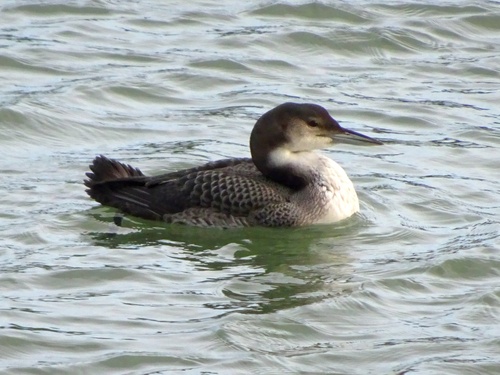
© Jamie O'Neill · CC BY · iNaturalist 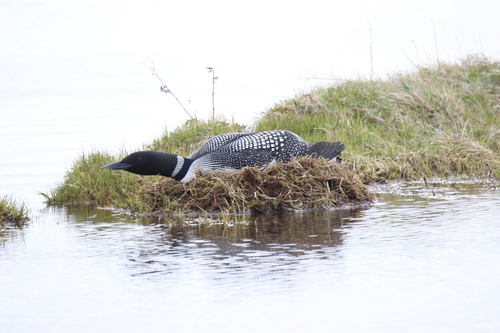
© Mike Brady · CC BY · iNaturalist 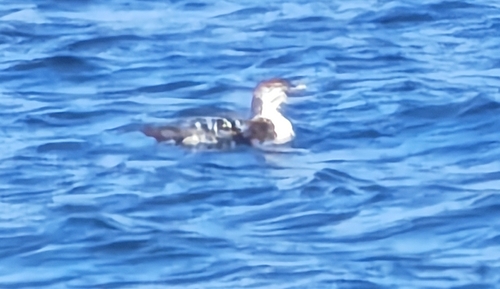
© Michelle Stamp · CC BY · iNaturalist 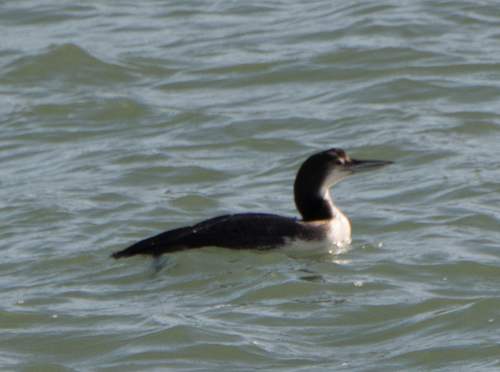
© William Stephens · CC BY · iNaturalist 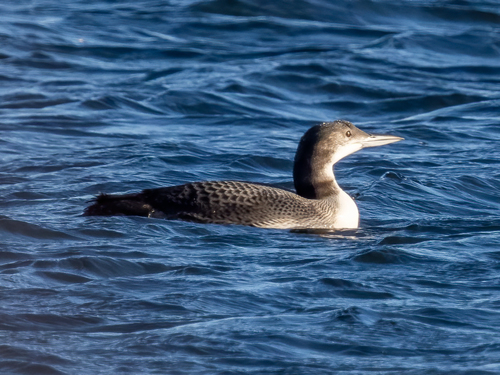
© William Stephens · CC BY · iNaturalist 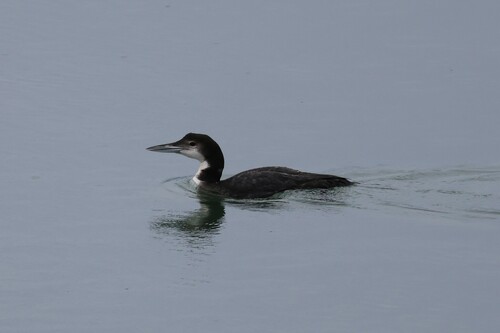
© Diego González Dopico · CC BY · iNaturalist 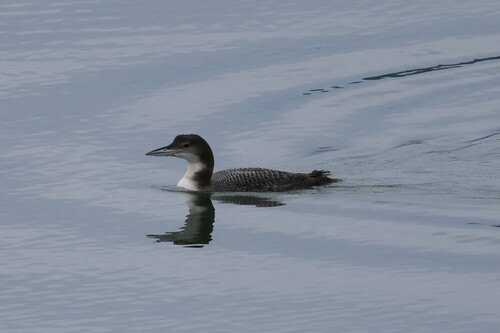
© Diego González Dopico · CC BY · iNaturalist
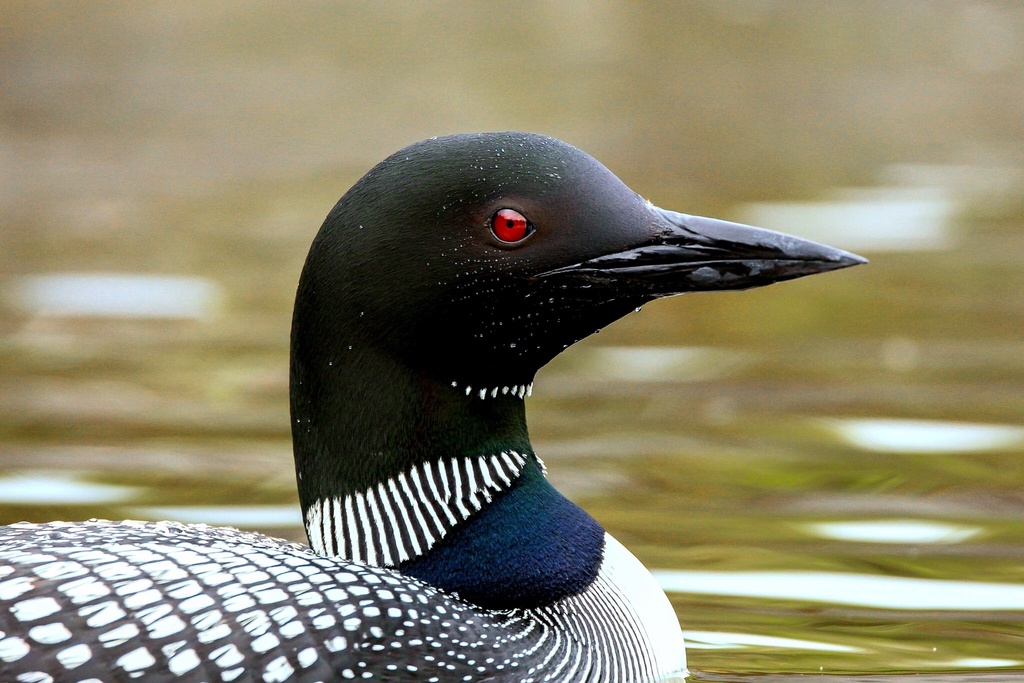
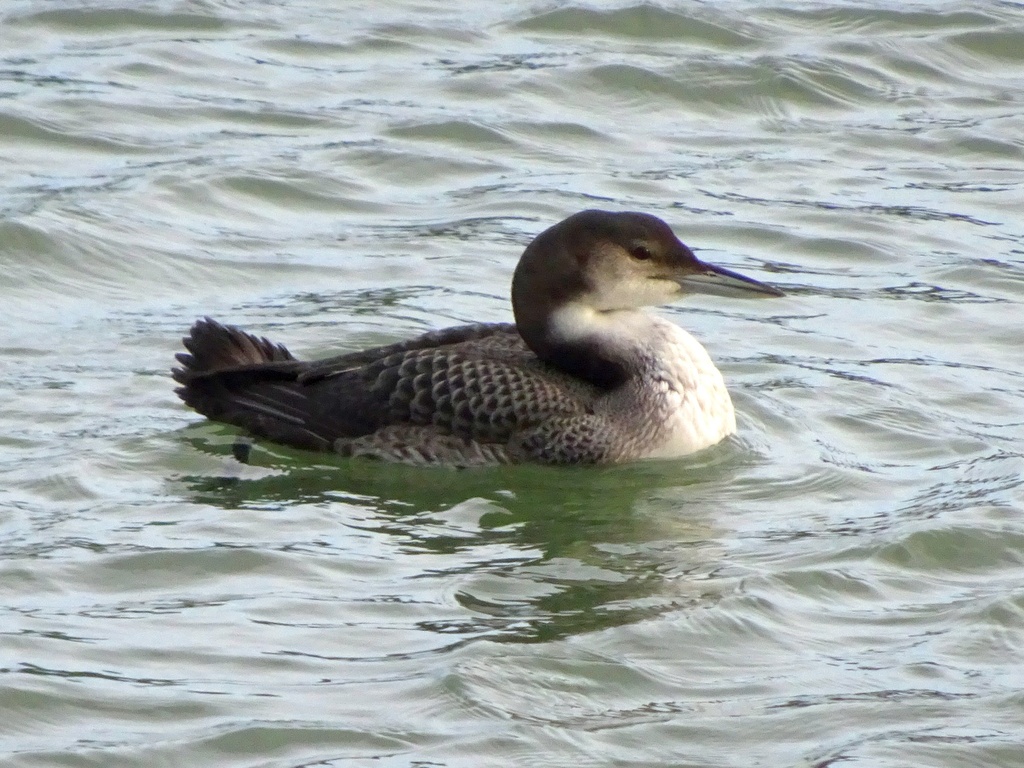
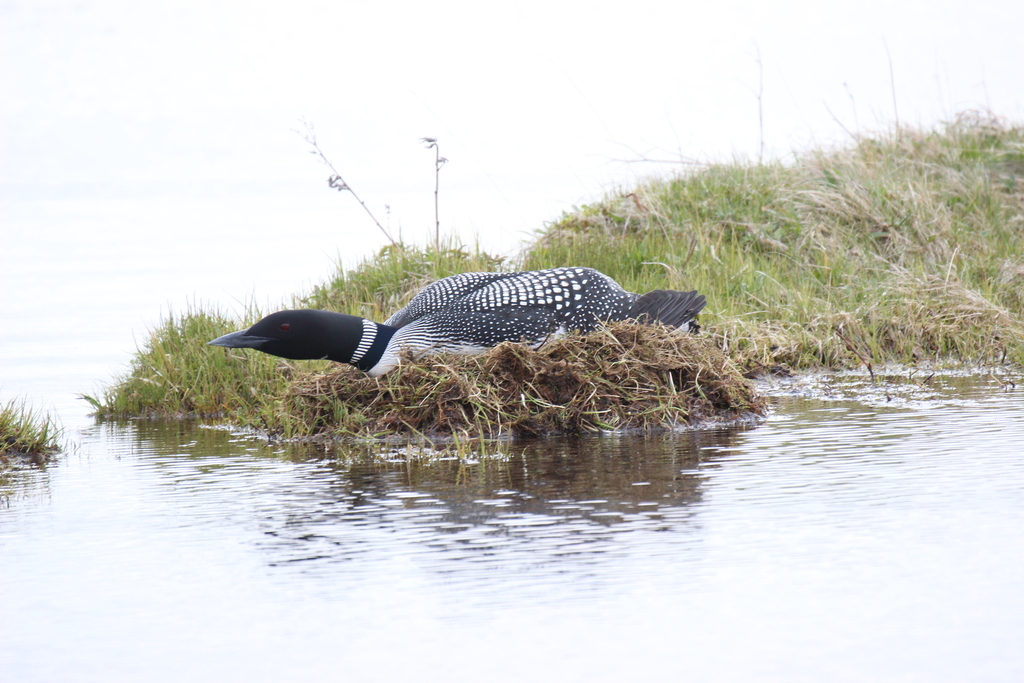

Especies relacionadasRelated species
Otras aves de la familia Gaviidae y de órdenes cercanos.Other birds from the Gaviidae family and nearby orders.
- RaroRare
 Colimbo chicoRed-throated DiverGavia stellata
- RaroRare
 Colimbo árticoBlack-throated DiverGavia arctica
- LegendarioLegendary
 Colimbo del PacíficoPacific DiverGavia pacifica
- RaroRare
 Paíño de WilsonWilson's Storm PetrelOceanites oceanicus
- LegendarioLegendary
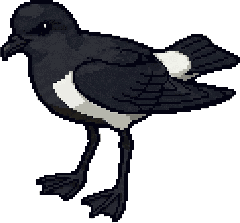 Paíño ventrinegroBlack-bellied Storm PetrelFregetta tropica
- LegendarioLegendary
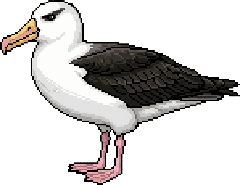 Albatros ojerosoBlack-browed AlbatrossThalassarche melanophris
- LegendarioLegendary
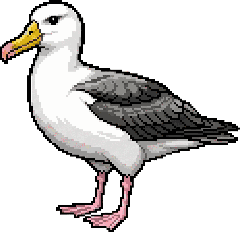 Albatros picofinoYellow-nosed AlbatrossThalassarche chlororhynchos
- LegendarioLegendary
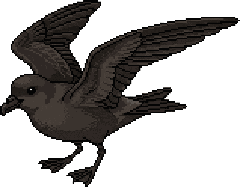 Paíño de SwinhoeSwinhoe's Storm PetrelHydrobates monorhis
 Gratis, sin anuncios ni comprasFree, no ads, no purchases