 BirdPedy
Colimbo árticoBlack-throated Diver
En 11 provincias en enero y sin registros 4 meses del añoIn 11 provinces in January, and no records in 4 months of the year
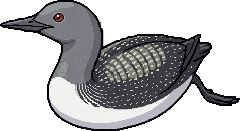
Reporte de rarezaRarity report
Por qué es raroWhy it is rareInvernante marino escaso y muy puntual, procedente de las tundras de Eurasia septentrional. Prefiere el litoral cantábrico.A scarce and very occasional winter visitor at sea, coming from the tundra of northern Eurasia. It prefers the Cantabrian coast.
Cada carrizo es un mes: su altura, las provincias con registros de 2020 a 2024.Each reed is a month: its height, the provinces with records from 2020 to 2024.- Provincias con registrosProvinces with records
- 12 de 52of 52
- En la appIn the app
- Noviembre a marzoNovember to March
- EnvergaduraWingspan
- 110-130 cm110-130 cm
- LongitudLength
- 58-73 cm58-73 cm
- Lista Roja de EspañaSpanish Red List
- DD Datos insuficientesData Deficient

Información generalGeneral Information
El colimbo ártico es un ave de las altas latitudes europeas que, en nuestras costas, aparece durante el invierno y siempre en escaso número, aunque de forma regular (particularmente en el área cántabro-atlántica). Se trata de un ave buceadora de considerable tamaño y plumaje discreto, especialmente en invierno, que se nutre sobre todo de pequeños y medianos peces.The Black-throated Diver is a regular but scarce visitor to our northern coasts in winter. It is a bird of great elegance and power. While it lacks its spectacular summer 'black throat' while in Spain, its strong build and focused movements command attention. It is a specialist that requires clean, fish-rich waters. Its presence in our northern Rias and Cantabrian bays is a sign of our coast's ecological value as a winter refuge.
IdentificaciónIdentification
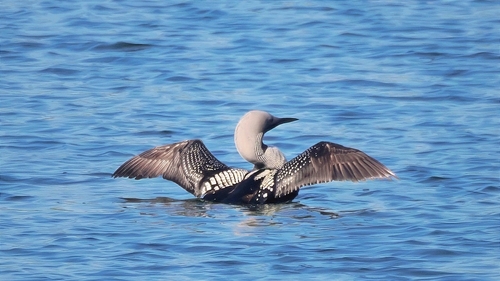
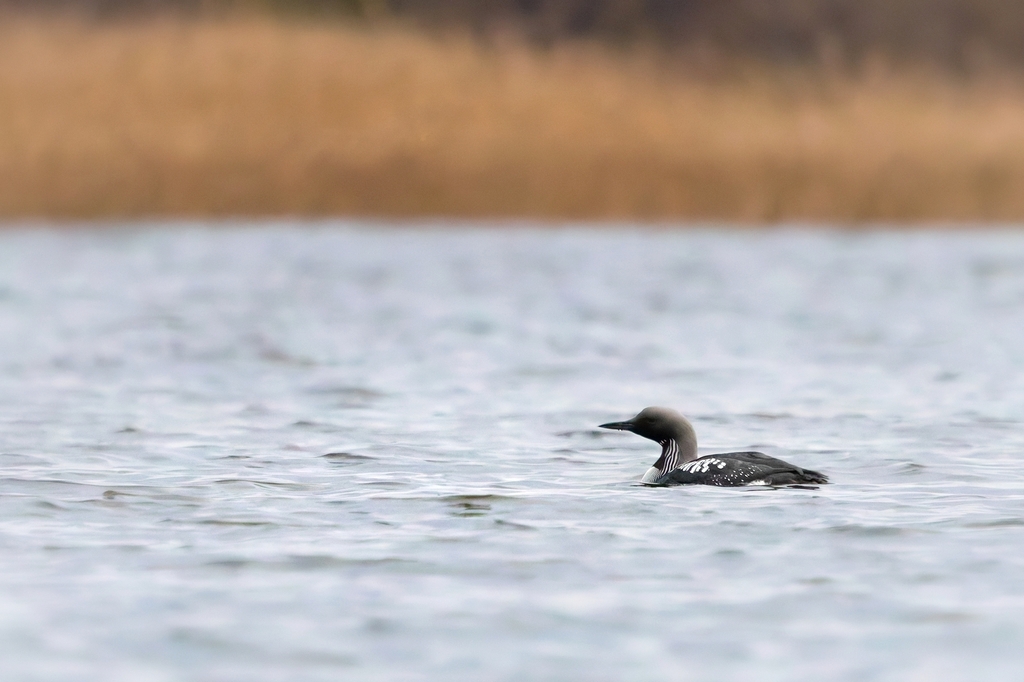
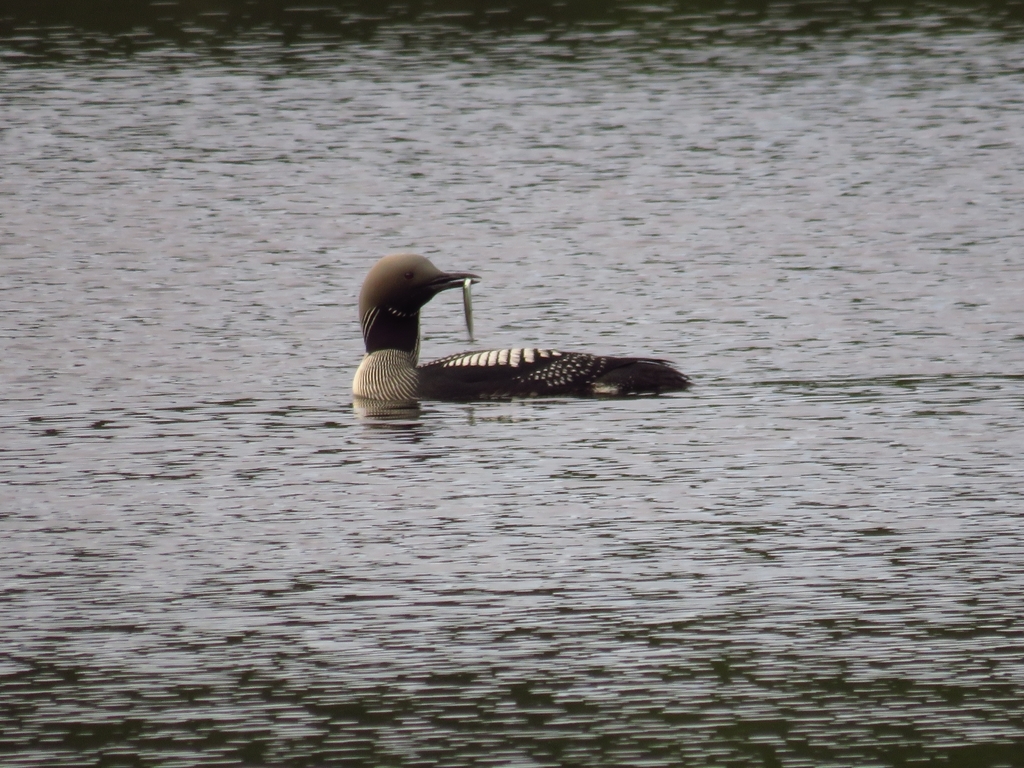
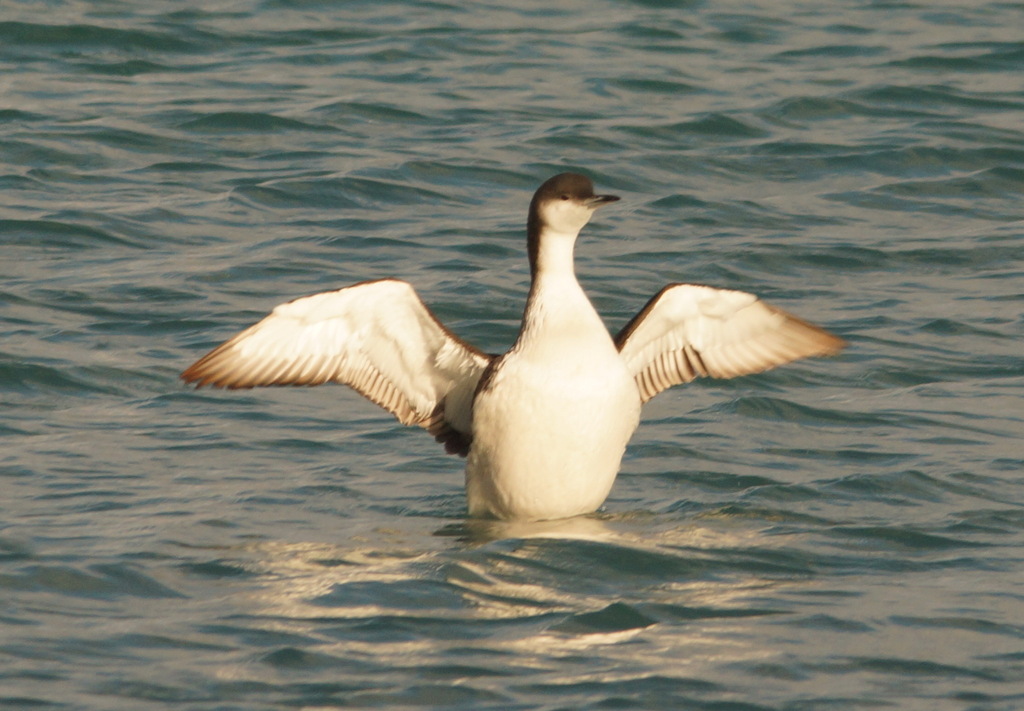
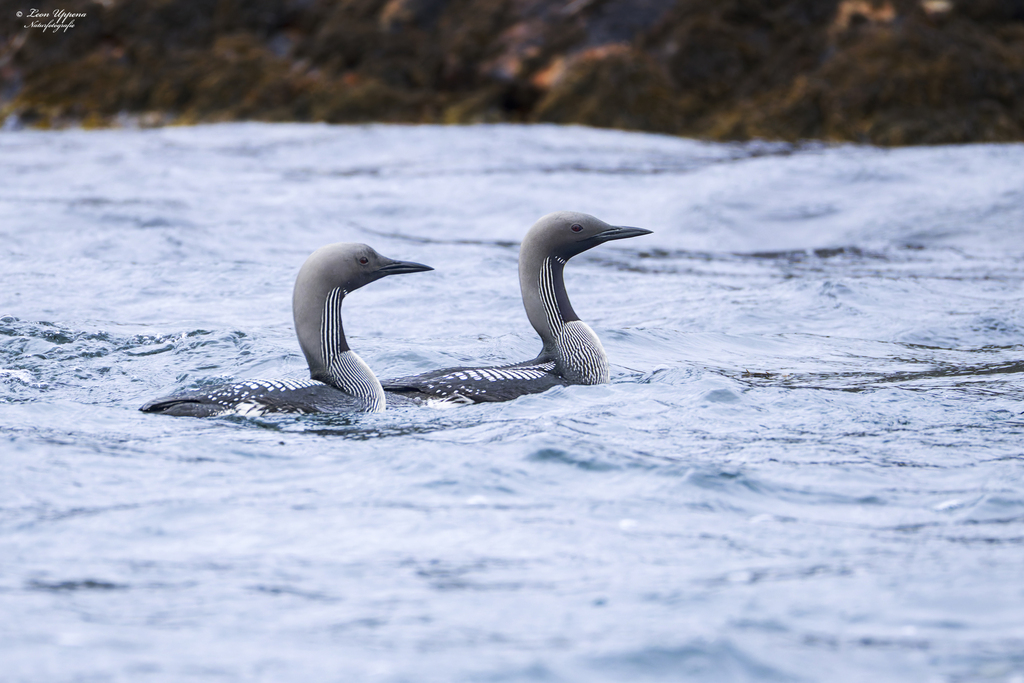
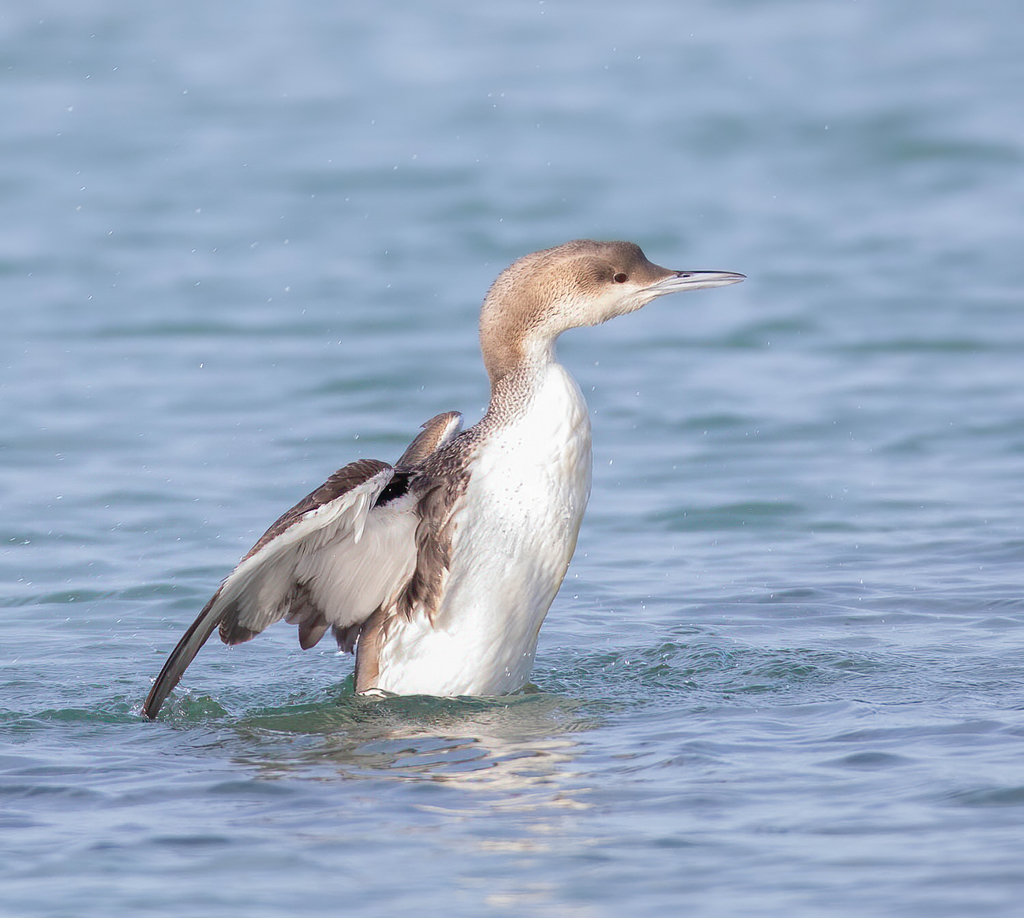
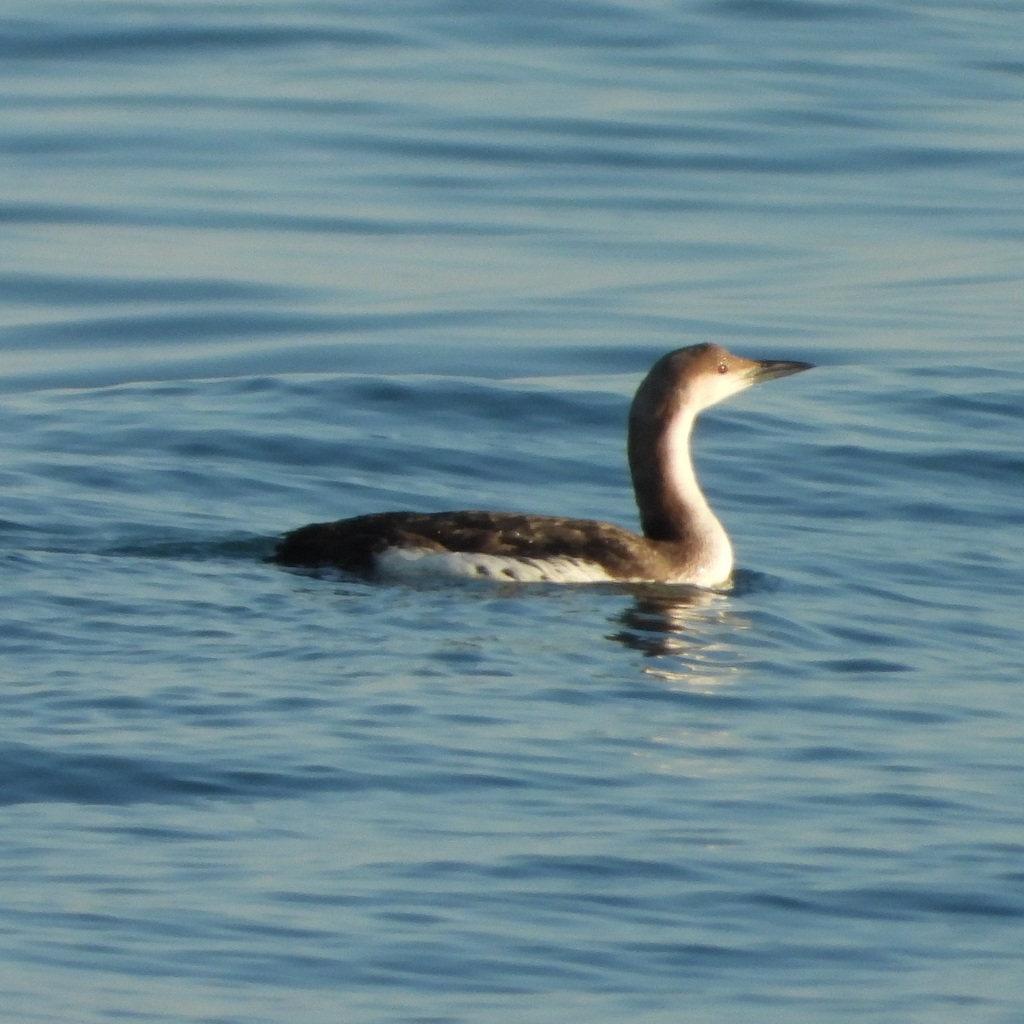
Ave acuática esbelta, de cuello largo y grueso, y pico apuntado. En general luce un aspecto poco llamativo durante el invierno, cuando muestra un color gris oscuro en la zona superior del cuerpo, y un tono gris más claro en la mitad posterior, desde la frente hasta la nuca. Las mejillas, la garganta y el resto de las partes inferiores son blancas. Además tiene el pico grisáceo y la frente levemente empinada, con un pequeño abultamiento a la altura del píleo. Por el contrario, durante la época reproductora exhibe un plumaje más vistoso, aunque con los mismos colores. La cabeza y la nuca adoptan una coloración gris ceniza, la garganta se torna de color negro brillante, y en los laterales del cuello y del pecho aparece un dibujo de líneas blancas y negras. La frente se vuelve redondeada. En el dorso, la zona central presenta también un patrón de franjas blancas y negras, pero dispuestas de forma perpendicular al cuerpo, y alrededor de esta zona central domina el color negro, con un ligero moteado blanco. En el agua resulta característica la ligera curvatura de su cuerpo. No existen diferencias apreciables entre sexos. Los juveniles poseen un plumaje muy similar al de los adultos en invierno, aunque más apagado. Además carecen del abultamiento en la frente.A large, elegant diver with a robust, straight bill. In winter, it is distinguished from the Red-throated Diver by its darker appearance, a more rounded head, and a diagnostic white patch on the rear flank (visible while swimming). It is a powerful diver that often feeds further offshore. It originates from the deep lakes of the northern taiga and tundra.
DistribuciónDistribution
El colimbo ártico se halla presente en nuestras costas únicamente durante el invierno, de forma más o menos regular en determinadas zonas. Se observa con frecuencia en la costa cantábrica, en Galicia y, algo menos, en la costa de Cataluña, mientras que en el resto del Mediterráneo es raro y esporádico.Scarce but regular winter visitor. Most frequent along the Cantabrian and Galician coasts. Regular in small numbers in Catalonia; rare and sporadic in the rest of the Mediterranean.
Textos reproducidos con permiso de laTexts translated and reproduced with permission from the Guía de Aves de España © SEO/BirdLife
Estado de conservaciónConservation Status
- EX
- RE
- CR
- EN
- VU
- NT
- LC
DD
Datos insuficientesData Deficient
Qué significa cada categoríaWhat each category means
- LC
- Preocupación menor: Taxón evaluado que no califica para categorías amenazadas. Especies abundantes y ampliamente distribuidasLeast Concern - Evaluated taxon that does not qualify for threatened categories. Widespread and abundant taxa
- NT
- Casi amenazada: No califica actualmente como amenazada, pero está cerca de calificar o es probable que califique en el futuro cercanoNear Threatened - Does not currently qualify as threatened, but is close to qualifying or likely to qualify in the near future
- VU
- Vulnerable: Enfrenta un alto riesgo de extinción en estado silvestre según los criterios A a E de IUCNVulnerable - Facing a high risk of extinction in the wild based on IUCN criteria A to E
- EN
- En peligro: Enfrenta un riesgo muy alto de extinción en estado silvestre según los criterios A a E de IUCNEndangered - Facing a very high risk of extinction in the wild based on IUCN criteria A to E
- CR
- En peligro crítico: Enfrenta un riesgo extremadamente alto de extinción en estado silvestre según los criterios A a E de IUCNCritically Endangered - Facing an extremely high risk of extinction in the wild based on IUCN criteria A to E
- DD
- Datos insuficientes: Información inadecuada para evaluar el riesgo de extinción basándose en distribución o estado poblacionalData Deficient - Inadequate information to assess extinction risk based on distribution and/or population status
- NE
- No evaluada: No ha sido evaluada aún contra los criterios de la Lista Roja de IUCNNot Evaluated - Has not yet been assessed against the IUCN Red List criteria
- RE
- Extinta regionalmente: El taxón ya no existe en la región específica, aunque puede sobrevivir en otros lugaresRegionally Extinct - Taxon no longer exists in the specific region, though it may survive elsewhere
- EX
- Extinta - No existe duda razonable de que ha muerto el último individuo del taxónExtinct - No reasonable doubt that the last individual of the taxon has died
TaxonomíaTaxonomy
- OrdenOrder
- Gaviiformes
- FamiliaFamily
- Gaviidae
Presencia en EspañaPresence in Spain
- HabitualRegular
- InvernanteWinter visitor
En la app: noviembre a marzo.In the app: November to March.
Dónde verlaWhere to see it
35 cuadrículas de 10 km con registros de 2020 a 2024. Toca un mes para ver dónde se ha visto.35 10 km squares with records from 2020 to 2024. Pick a month to see where it has been seen.
Cargando el mapa…Loading the map…
Dónde es regularWhere it is regular
Provincias con registros en al menos 3 de los 5 años algún mes, de más a menos frecuente, y sus mejores meses.Provinces with records in at least 3 of the 5 years in some month, from most to least frequent, and their best months.
- CantabriaCantabriaenero, diciembreJanuary, December
- GironaGironadiciembre, enero, febreroDecember, January, February
- GuipúzcoaGuipúzcoaenero, diciembreJanuary, December
- PontevedraPontevedrafebrero, diciembre, eneroFebruary, December, January
- TarragonaTarragonaenero, diciembreJanuary, December
- A CoruñaA Coruñadiciembre, eneroDecember, January
- VizcayaVizcayanoviembreNovember
Datos: registros en GBIF de 2020 a 2024 de Observation.org, eBird, iNaturalist y el ICO, descargados el 23/10/2026.Data: GBIF records from 2020 to 2024 from Observation.org, eBird, iNaturalist and the ICO, downloaded on 23/10/2026. GBIF.org (23 October 2026) GBIF Occurrence Download · doi:10.15468/dl.r5sf2a · CC BY-NC 4.0
GaleríaGallery
© Олеся · CC BY · iNaturalist 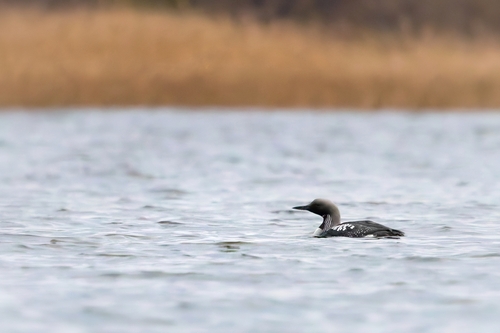
© Олеся · CC BY · iNaturalist 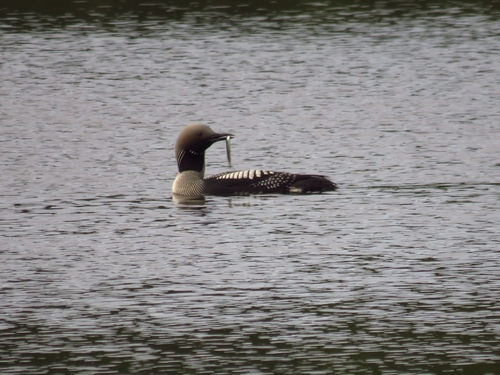
© Сергей Грабчак · CC BY · iNaturalist 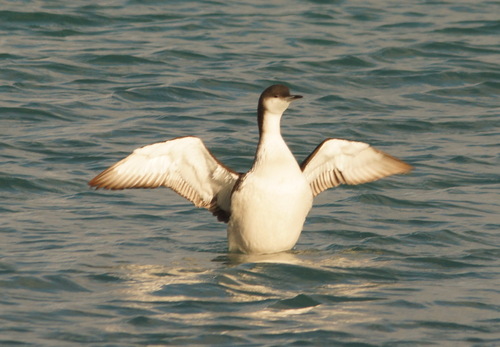
© SIA · CC BY · iNaturalist 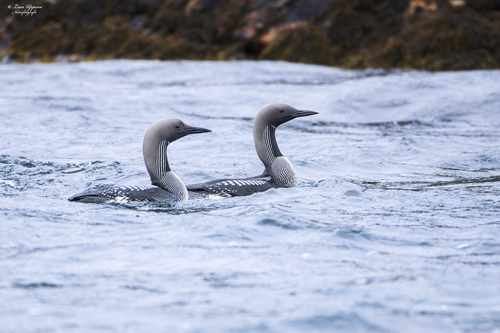
© bristolian · CC BY · iNaturalist 
© egorbirder · CC BY · iNaturalist 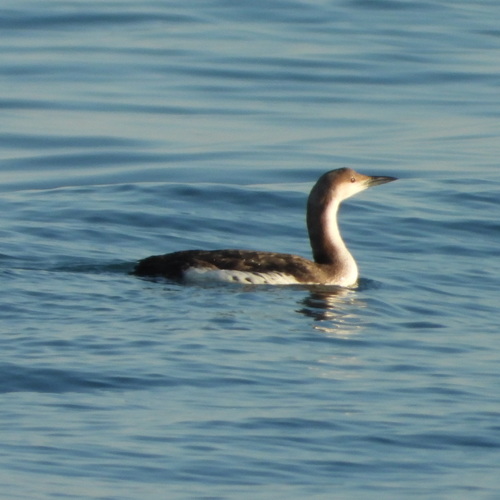
© Marta Kuznetsova · CC BY · iNaturalist
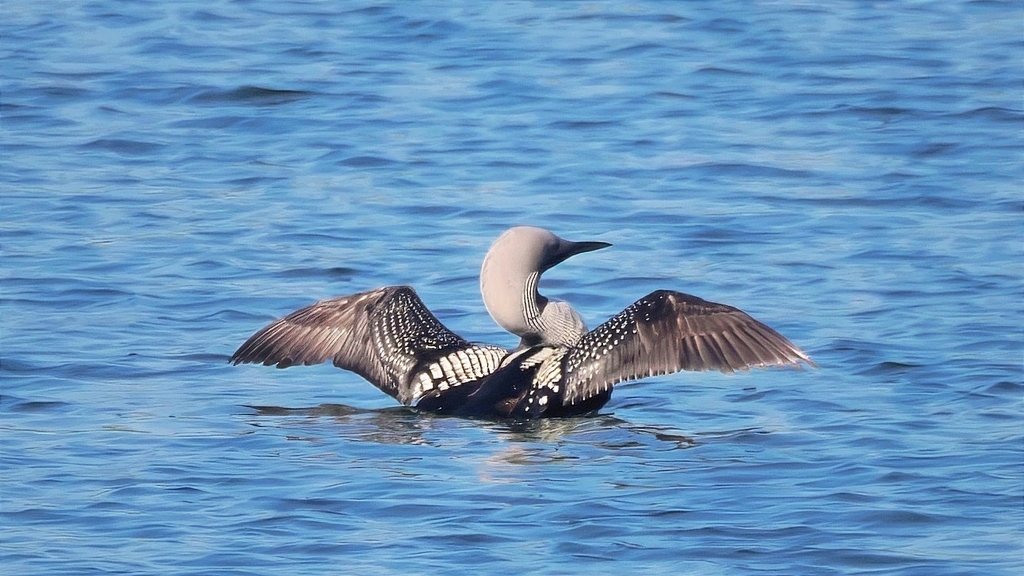
Especies relacionadasRelated species
Otras aves de la familia Gaviidae y de órdenes cercanos.Other birds from the Gaviidae family and nearby orders.
- LegendarioLegendary
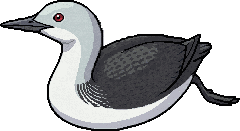 Colimbo del PacíficoPacific DiverGavia pacifica
- Poco comúnUncommon
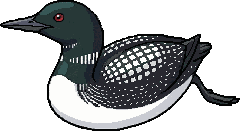 Colimbo grandeGreat Northern DiverGavia immer
- RaroRare
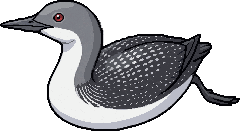 Colimbo chicoRed-throated DiverGavia stellata
- RaroRare
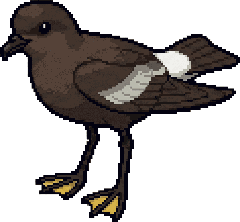 Paíño de WilsonWilson's Storm PetrelOceanites oceanicus
- LegendarioLegendary
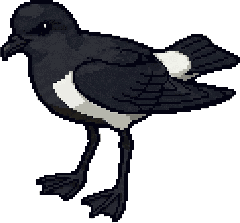 Paíño ventrinegroBlack-bellied Storm PetrelFregetta tropica
- LegendarioLegendary
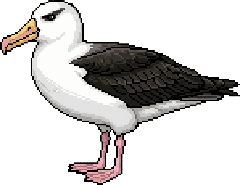 Albatros ojerosoBlack-browed AlbatrossThalassarche melanophris
- LegendarioLegendary
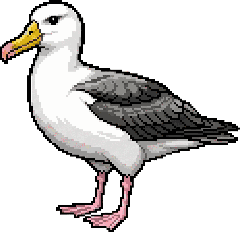 Albatros picofinoYellow-nosed AlbatrossThalassarche chlororhynchos
- LegendarioLegendary
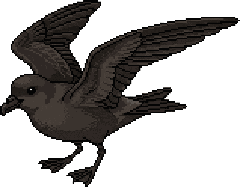 Paíño de SwinhoeSwinhoe's Storm PetrelHydrobates monorhis
 Gratis, sin anuncios ni comprasFree, no ads, no purchases