 BirdPedy
Piquero enmascaradoMasked Booby

Reporte de rarezaRarity report
Por qué es legendarioWhy it is legendaryAve marina de los océanos tropicales cuya detección accidental en España constituye un hito de rareza legendaria.Seabird of tropical oceans whose accidental detection in Spain constitutes milestone of 'Legendary' rarity.
- EnvergaduraWingspan
- 1,5 m1.5 m
- LongitudLength
- 80-90 cm80-90 cm
- Lista Roja de EspañaSpanish Red List
- NE No evaluada en EspañaNot assessed in Spain

IdentificaciónIdentification
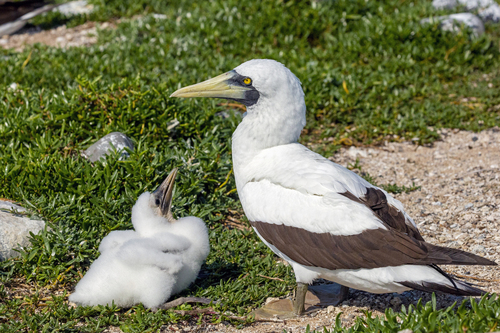
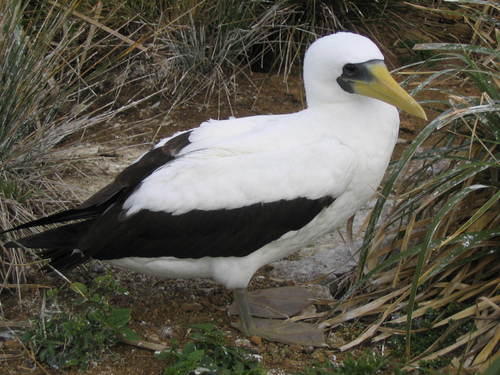
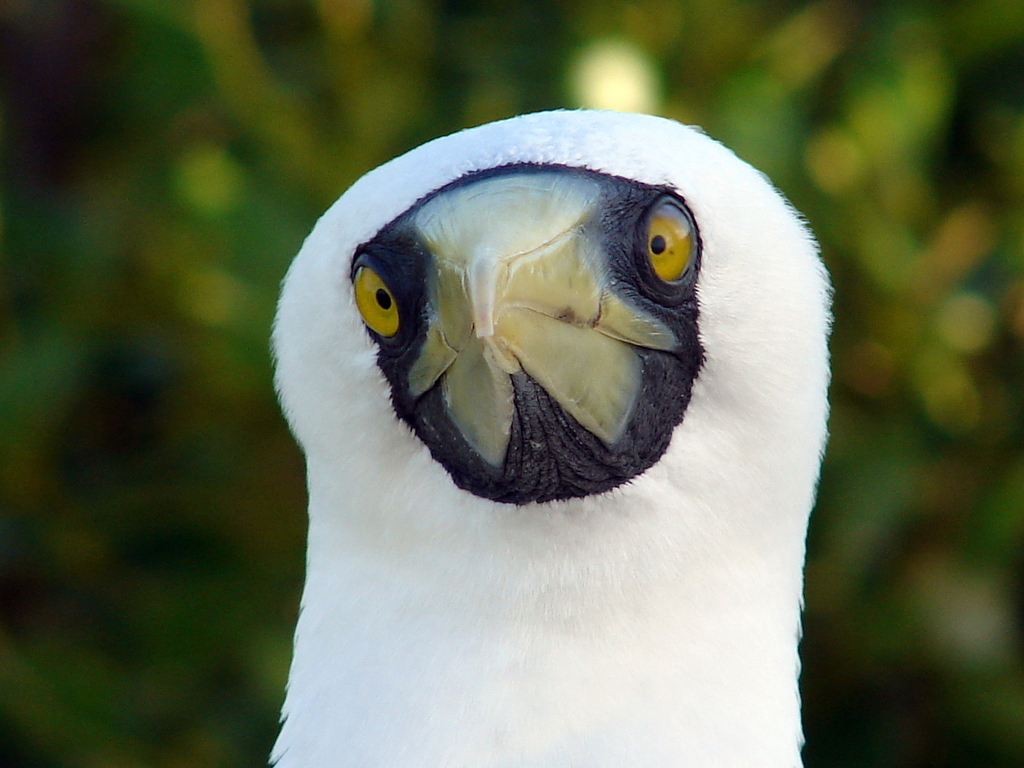
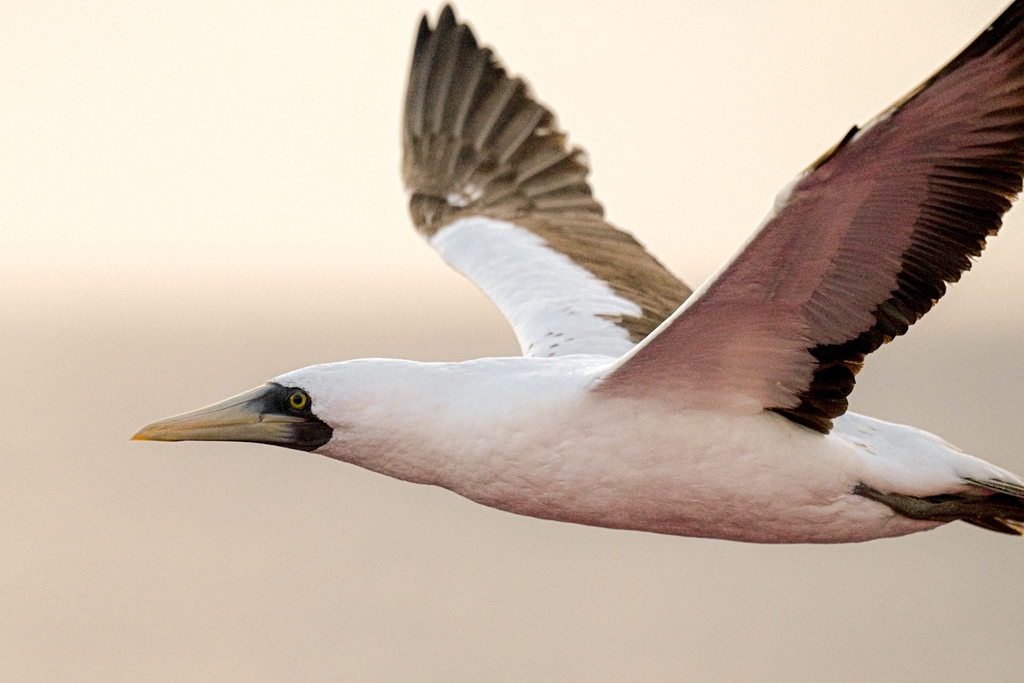
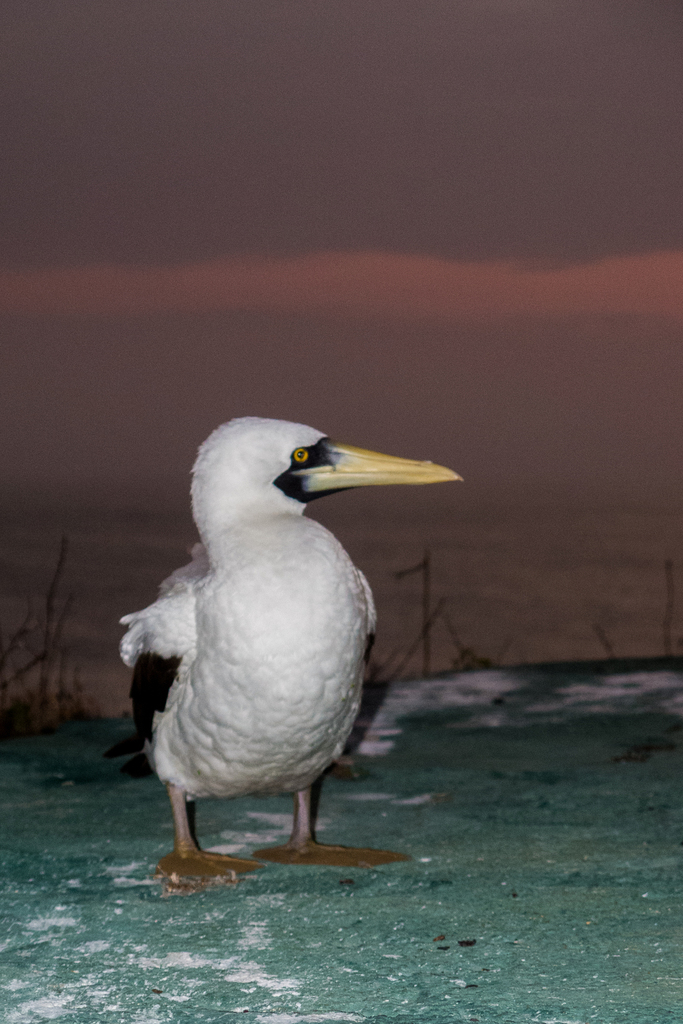
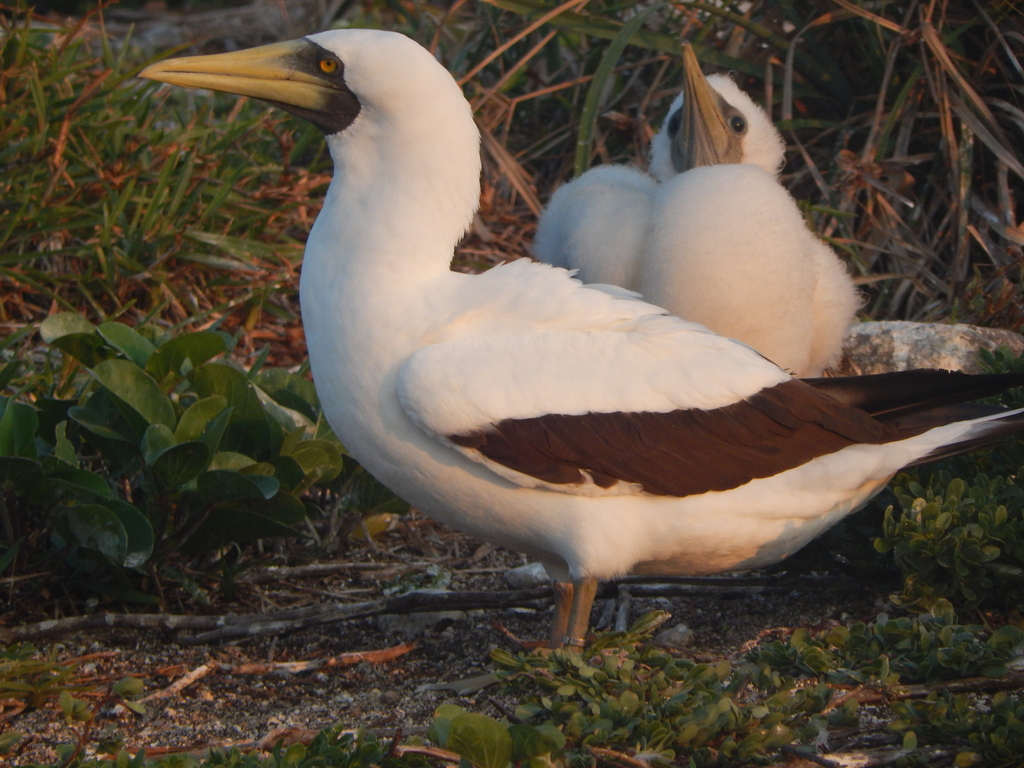
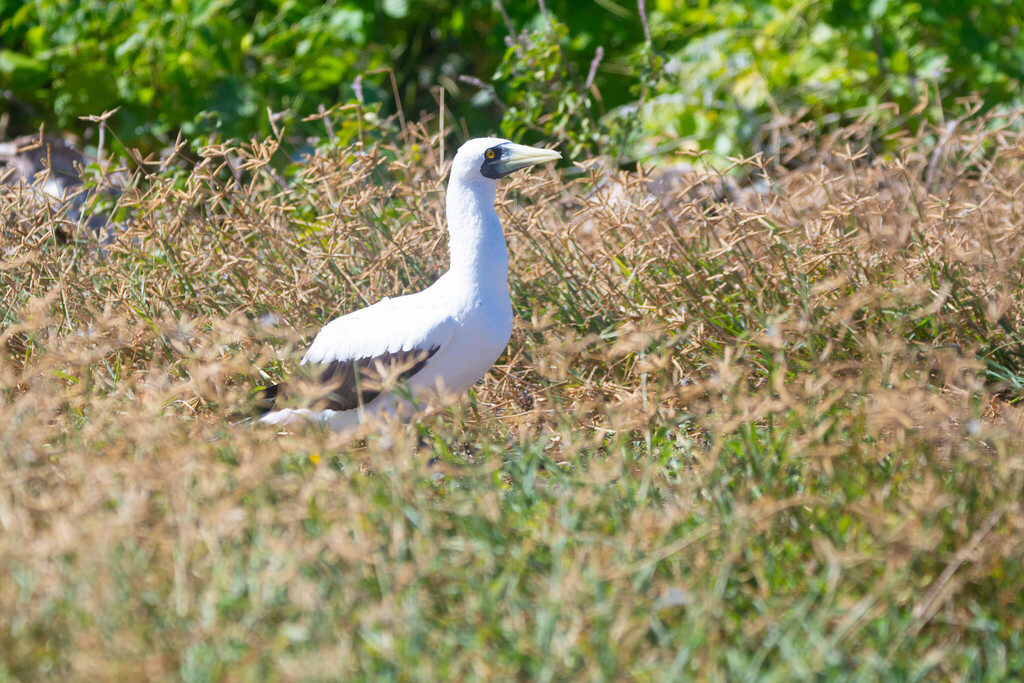
El piquero grande es casi del tamaño del alcatraz atlántico, y también de color predominantemente blanco en los adultos, aunque pose el pico amarillo y una distintiva careta negra. Los jóvenes se parecen un tanto a los adultos del piquero pardo, pero tras la cabeza marrón muestran un amplio collar blanco.A large booby, nearly the size of a gannet. Adults are pure white with a diagnostic black 'mask' around the yellow bill and solid black flight feathers and tail. It has a powerful, level flight and robust, orange-yellow legs. It is a specialist of tropical and subtropical oceans, nesting on remote coral atolls.
DistribuciónDistribution
En Europa se conocen tres observaciones nada más, que en todos los casos afectan a nuestro país. Dos tuvieron lugar en 1985 en el litoral mediterráneo de Andalucía, concretamente en Sotogrande el 10 de octubre y en Torremolinos el 14 de diciembre, y cabe la posibilidad de que correspondan a un mismo ejemplar. El 3 de septiembre de 2003, otro adulto se posó durante largo rato en el ferry Bilbao-Portsmouth, en aguas del golfo de Vizcaya entre Francia y España.Very rare accidental visitor from the tropics. Only three European records (all in Spain): Cadiz/Malaga (1985) and Gulf of Biscay (2003).
Textos reproducidos con permiso de laTexts translated and reproduced with permission from the Guía de Aves de España © SEO/BirdLife
Estado de conservaciónConservation Status
- EX
- RE
- CR
- EN
- VU
- NT
- LC
NE
No evaluada en EspañaNot assessed in Spain
Sin categoría en el Libro Rojo de las Aves de España 2021No category in the Red Book of the Birds of Spain 2021
Qué significa cada categoríaWhat each category means
- LC
- Preocupación menor: Taxón evaluado que no califica para categorías amenazadas. Especies abundantes y ampliamente distribuidasLeast Concern - Evaluated taxon that does not qualify for threatened categories. Widespread and abundant taxa
- NT
- Casi amenazada: No califica actualmente como amenazada, pero está cerca de calificar o es probable que califique en el futuro cercanoNear Threatened - Does not currently qualify as threatened, but is close to qualifying or likely to qualify in the near future
- VU
- Vulnerable: Enfrenta un alto riesgo de extinción en estado silvestre según los criterios A a E de IUCNVulnerable - Facing a high risk of extinction in the wild based on IUCN criteria A to E
- EN
- En peligro: Enfrenta un riesgo muy alto de extinción en estado silvestre según los criterios A a E de IUCNEndangered - Facing a very high risk of extinction in the wild based on IUCN criteria A to E
- CR
- En peligro crítico: Enfrenta un riesgo extremadamente alto de extinción en estado silvestre según los criterios A a E de IUCNCritically Endangered - Facing an extremely high risk of extinction in the wild based on IUCN criteria A to E
- DD
- Datos insuficientes: Información inadecuada para evaluar el riesgo de extinción basándose en distribución o estado poblacionalData Deficient - Inadequate information to assess extinction risk based on distribution and/or population status
- NE
- No evaluada: No ha sido evaluada aún contra los criterios de la Lista Roja de IUCNNot Evaluated - Has not yet been assessed against the IUCN Red List criteria
- RE
- Extinta regionalmente: El taxón ya no existe en la región específica, aunque puede sobrevivir en otros lugaresRegionally Extinct - Taxon no longer exists in the specific region, though it may survive elsewhere
- EX
- Extinta - No existe duda razonable de que ha muerto el último individuo del taxónExtinct - No reasonable doubt that the last individual of the taxon has died
TaxonomíaTaxonomy
- OrdenOrder
- Suliformes
- FamiliaFamily
- Sulidae
Presencia en EspañaPresence in Spain
- OcasionalOccasional
Revisión científica de BirdPedyBirdPedy scientific review
Revisada por BirdPedy el 28/10/2026 ·Reviewed by BirdPedy on 28 October 2026 · Cómo revisamosHow we review
RarezaRarity
ReferenciasReferences
- GBIF.org (23/10/2026). Descarga de registros de aves de España, 2020-2024, con el día y la cuadrícula de 10 km de cada uno, para contar ocasiones y días.GBIF.org (23 October 2026). Occurrence download of birds in Spain, 2020-2024, with the day and 10 km square of each record, to count occasions and days. doi.org/10.15468/dl.bqdmdt
- GBIF.org (23/10/2026). Descarga de registros de aves de España, 2020-2024 (Observation.org, eBird, iNaturalist e ICO).GBIF.org (23 October 2026). Occurrence download of birds in Spain, 2020-2024 (Observation.org, eBird, iNaturalist and ICO). doi.org/10.15468/dl.r5sf2a
GaleríaGallery
© R Vasconcellos · CC BY · iNaturalist 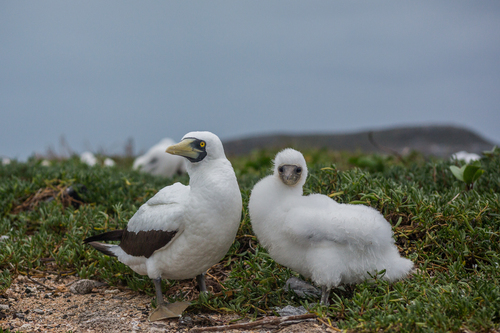
© João D'Andretta · CC BY · iNaturalist © John Barkla · CC BY · iNaturalist 
© James Hardcastle · CC BY · iNaturalist 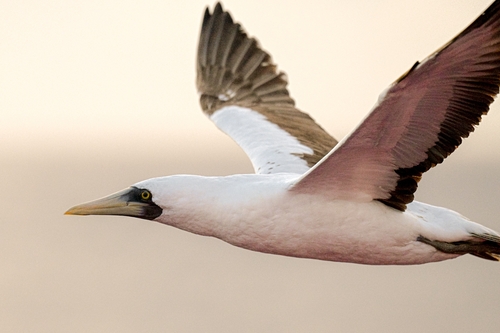
© Charlotte Kirchner · CC BY · iNaturalist 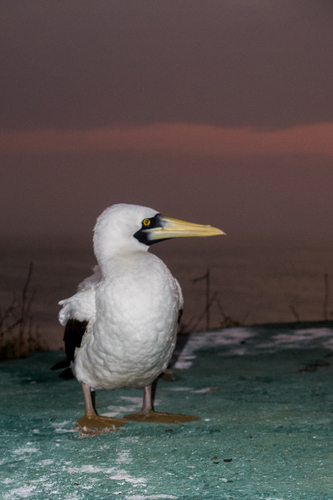
© João D'Andretta · CC BY · iNaturalist 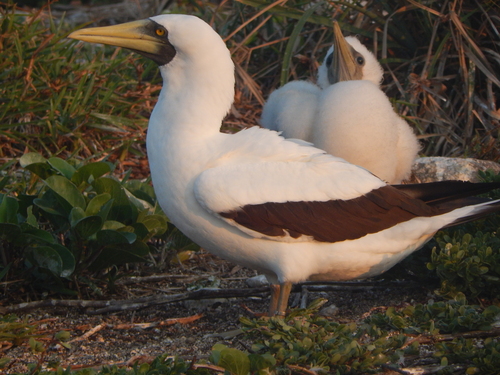
© Emiliano Esquivel · CC BY · iNaturalist 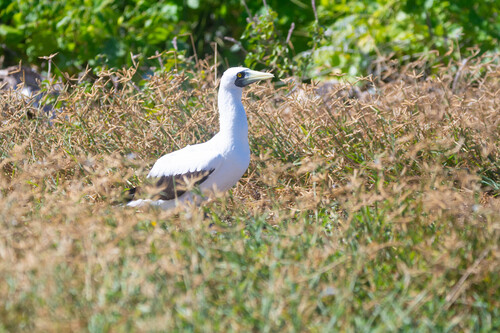
© Lisa_James · CC BY · iNaturalist
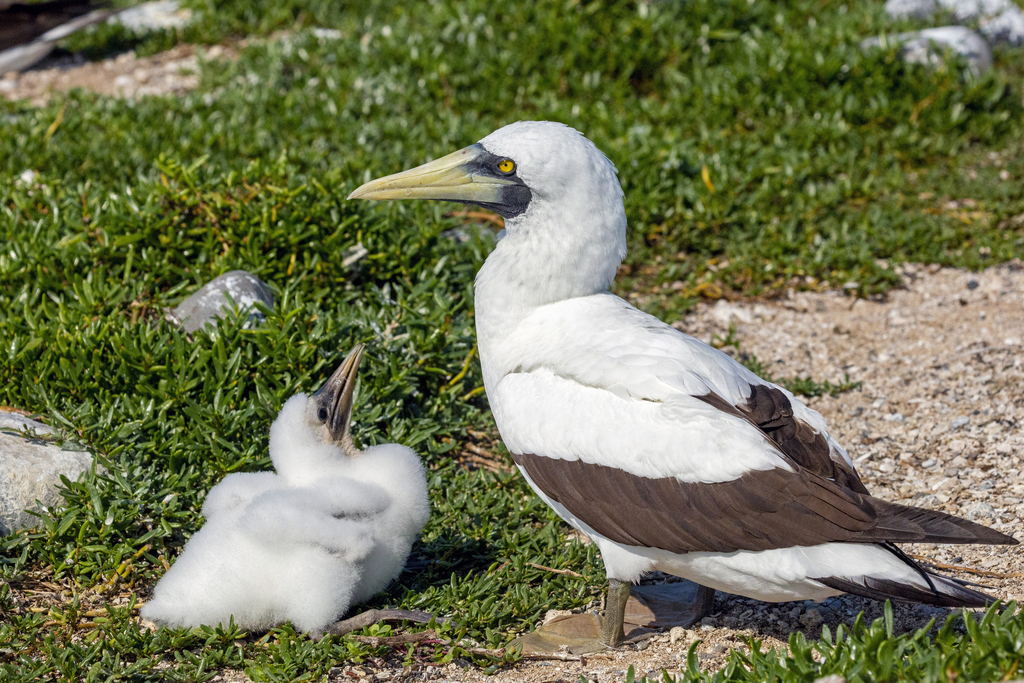
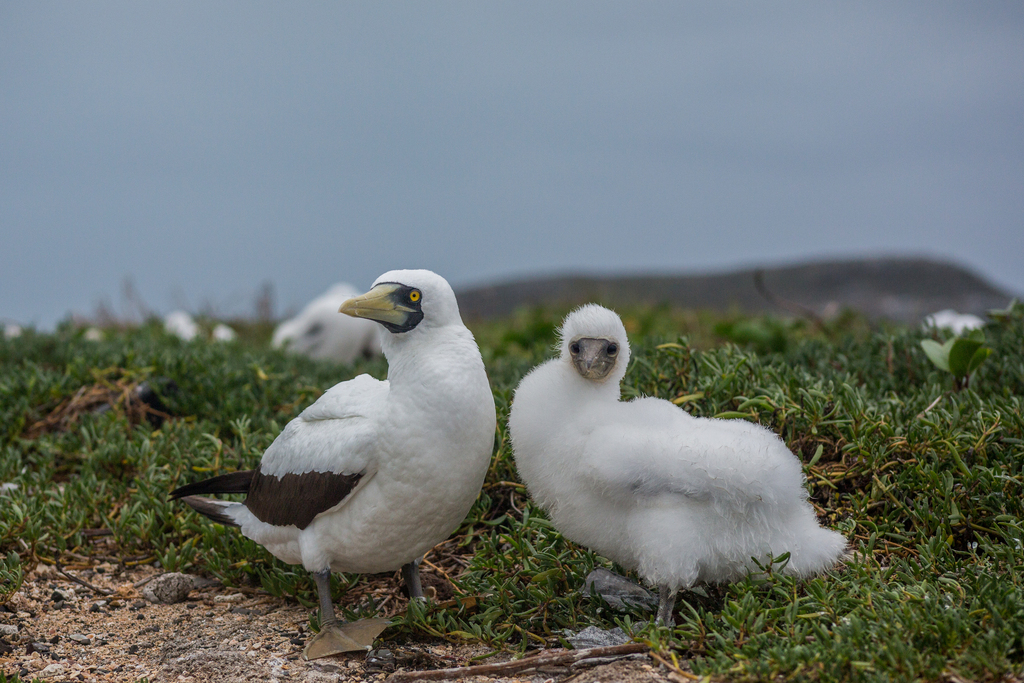
Especies relacionadasRelated species
Otras aves de la familia Sulidae y de órdenes cercanos.Other birds from the Sulidae family and nearby orders.
- LegendarioLegendary
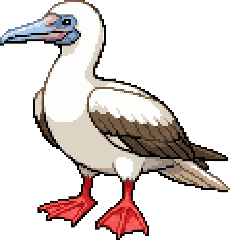 Piquero patirrojoRed-footed BoobySula sula
- ÉpicoEpic
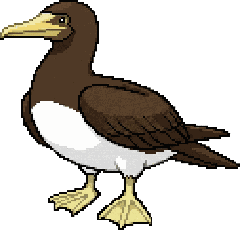 Piquero pardoBrown BoobySula leucogaster
- Poco comúnUncommon
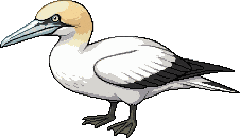 Alcatraz atlánticoNorthern GannetMorus bassanus
- LegendarioLegendary
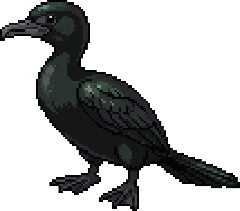 Cormorán pigmeoPygmy CormorantMicrocarbo pygmaeus
- Poco comúnUncommon
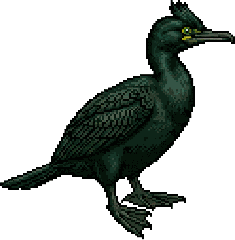 Cormorán moñudoEuropean ShagGulosus aristotelis
- LegendarioLegendary
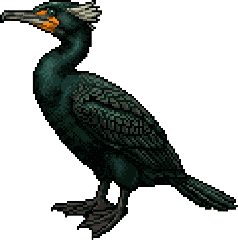 Cormorán orejudoDouble-crested CormorantNannopterum auritum
- LegendarioLegendary
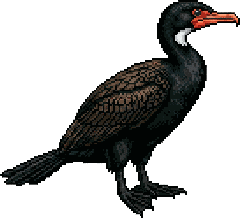 Cormorán africanoReed CormorantMicrocarbo africanus
- ComúnCommon
 Cormorán grandeGreat CormorantPhalacrocorax carbo
 Gratis, sin anuncios ni comprasFree, no ads, no purchases